Science
Creativity Tests Show Adults Outperform Children
A new study suggests that adults are more creative than children in certain tasks, despite the common notion that children are naturally more innovative.
A new study suggests that adults are more creative than children in certain tasks, despite the common notion that children are naturally more innovative.
A new study suggests that family heirs are more likely to keep inherited possessions intact, rather than breaking them up and donating or selling individual items.
A recent study has found that Norway's reward system for metal detectorists often prioritizes an object's weight and rarity over its historical significance, potentially overlooking the value of mass material.
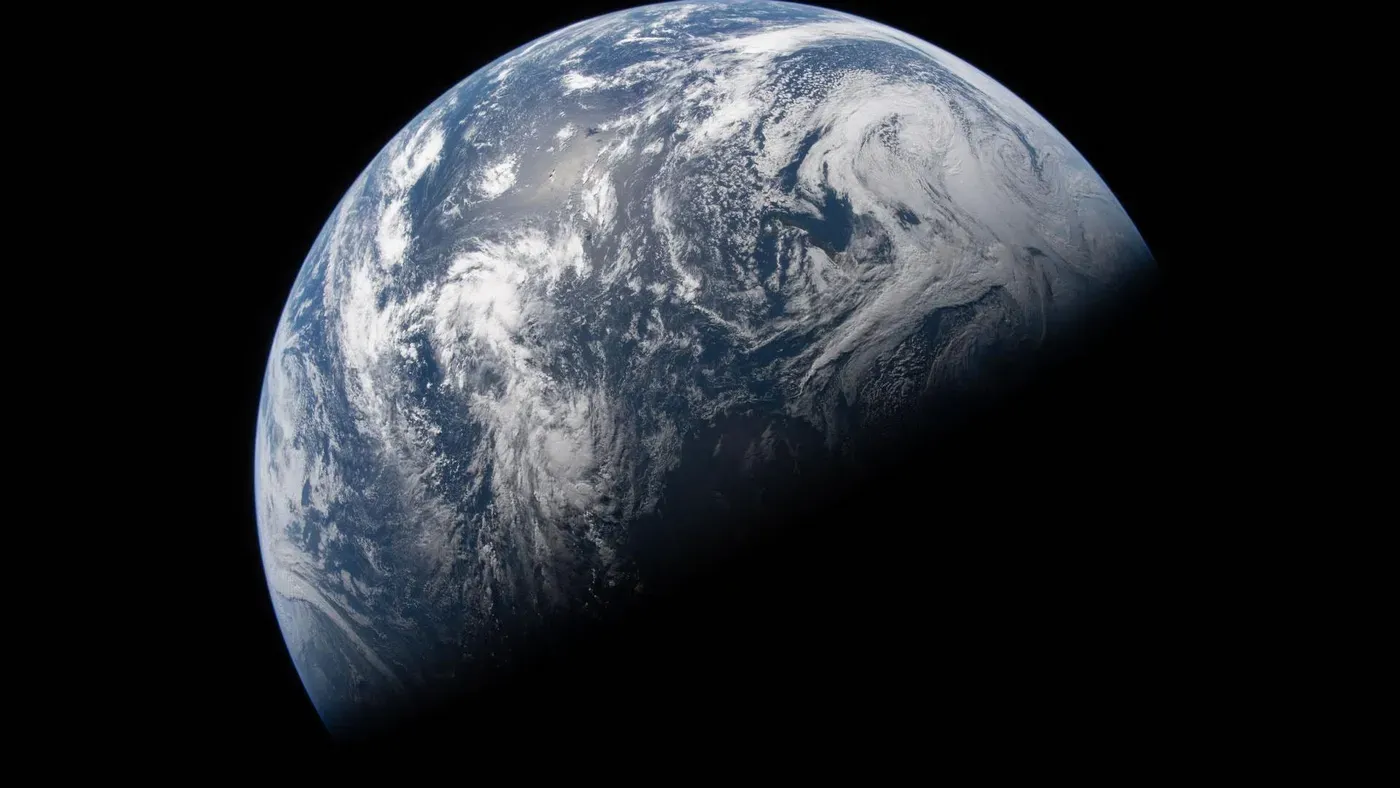
A new study has found that human-induced climate change is causing the Earth's shape to become progressively rounder due to melting of polar ice caps.
A new study has revealed that the Upper Basin states lost almost twice as much groundwater during an intense drought between 2020 and 2022 compared to the Lower Basin.
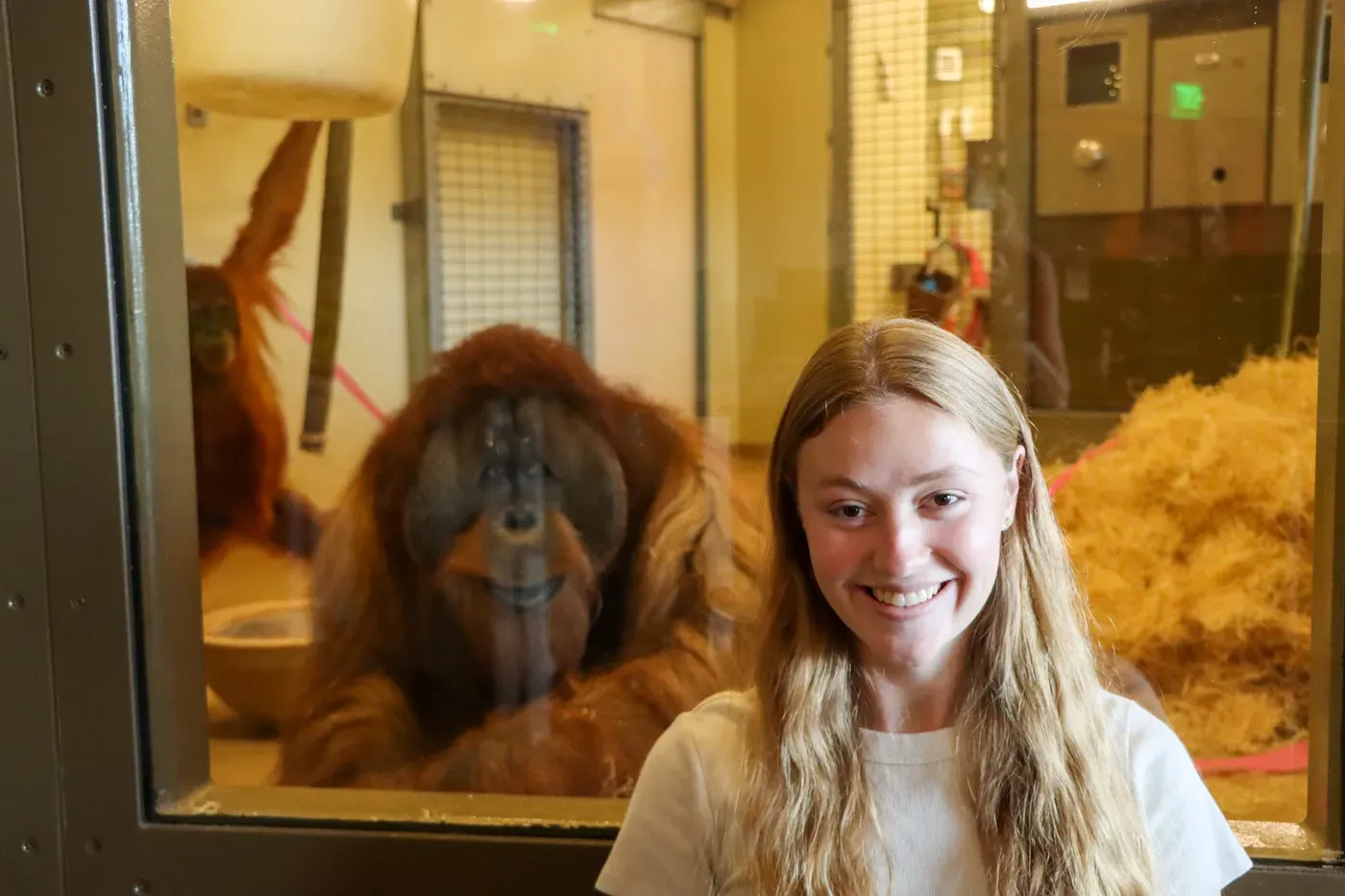
A study from Indiana University has found that orangutans tend to value what they learn more strongly when in a good mood, similar to humans.
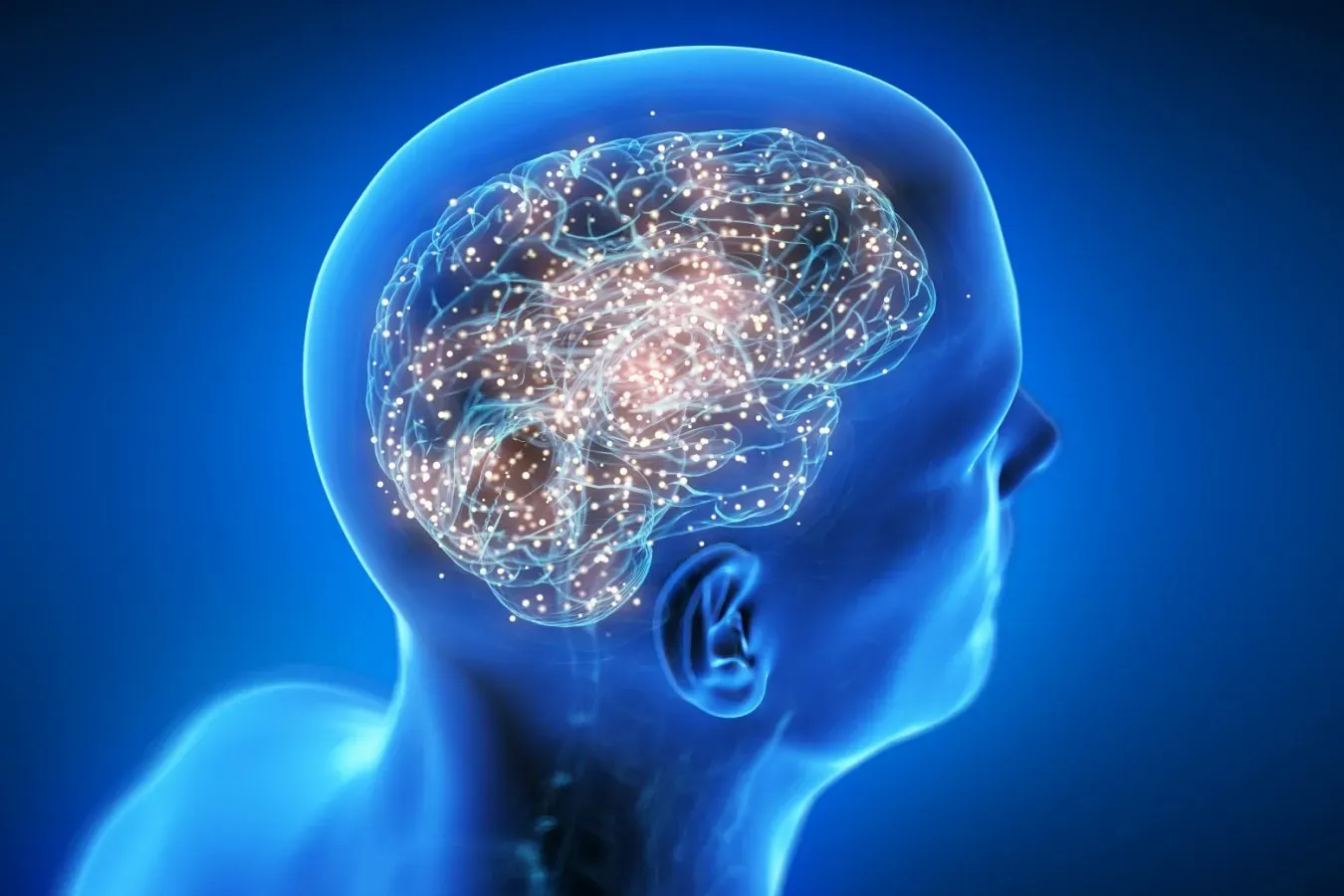
A new study has suggested that cholesterol may be responsible for blocking critical pathways within the brain, thereby reducing fluid circulation and contributing to the development of Alzheimer's disease.
Scientists have discovered that collective bacterial migration provides a unique vulnerability to phages, allowing them to target and infect certain cells while leaving others untouched.
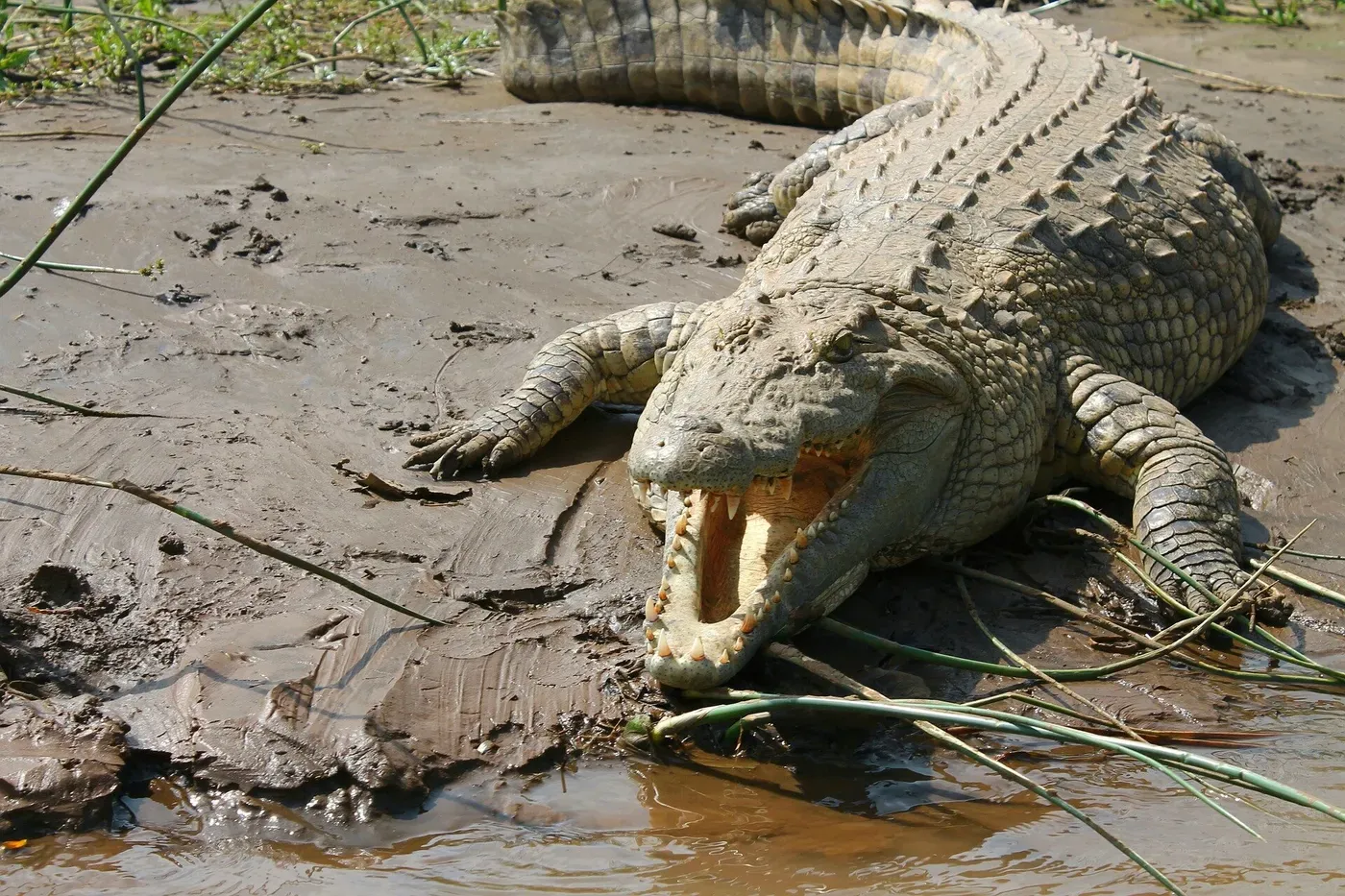
A new study suggests that crocodiles and their relatives may have survived the massive extinction event that wiped out the dinosaurs by sticking to warm climates.
A recent study has uncovered a potential link between compulsive social media use and a deep-seated desire for reassurance among individuals who struggle with trust in others and face-to-face interactions.
A device has been created that can transmit smells over the internet using a machine learning algorithm trained on data from an electronic nose.
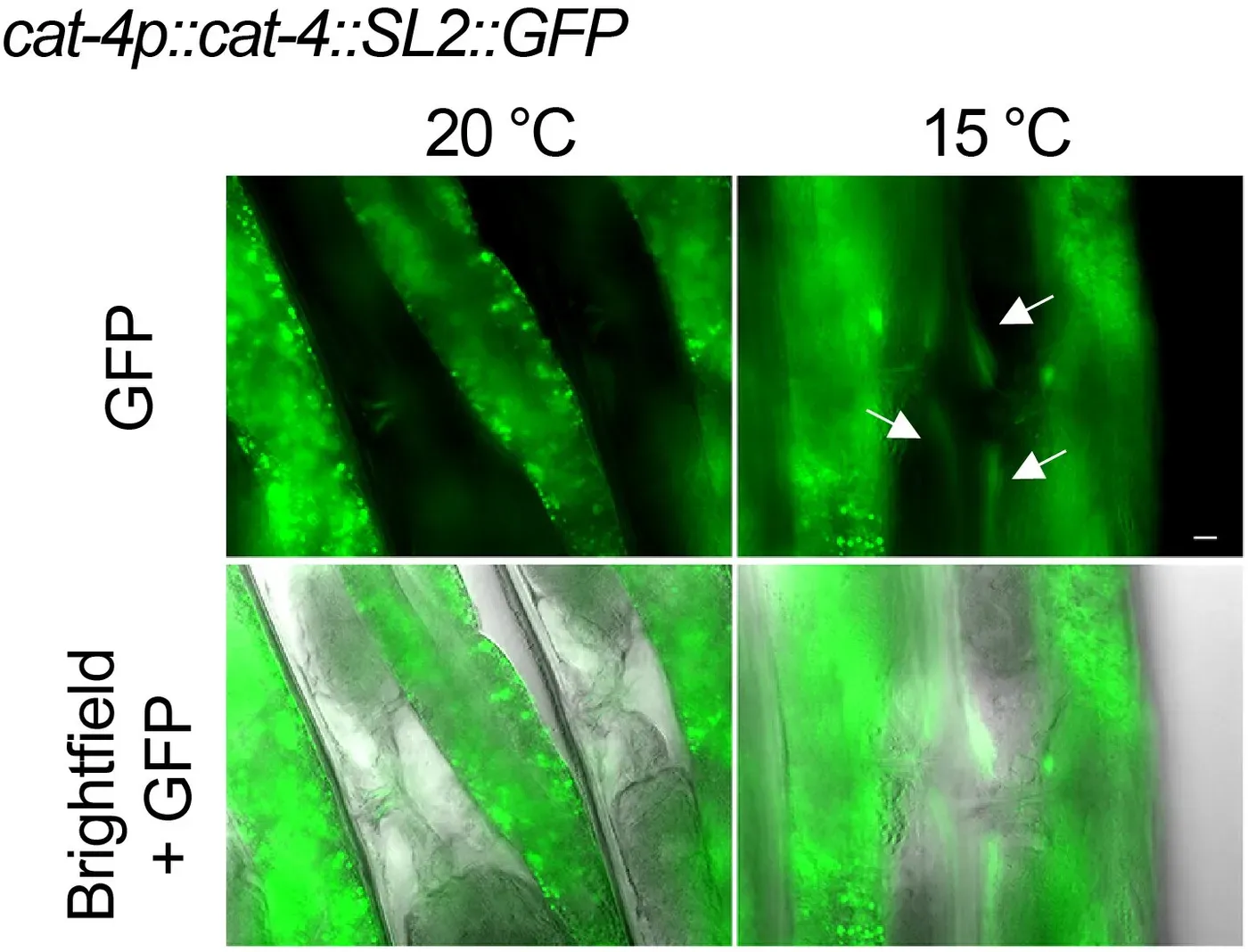
A recent study published in Nature has identified a signaling system regulated by metabolites across different tissues that promotes longevity and delays age-related decline.
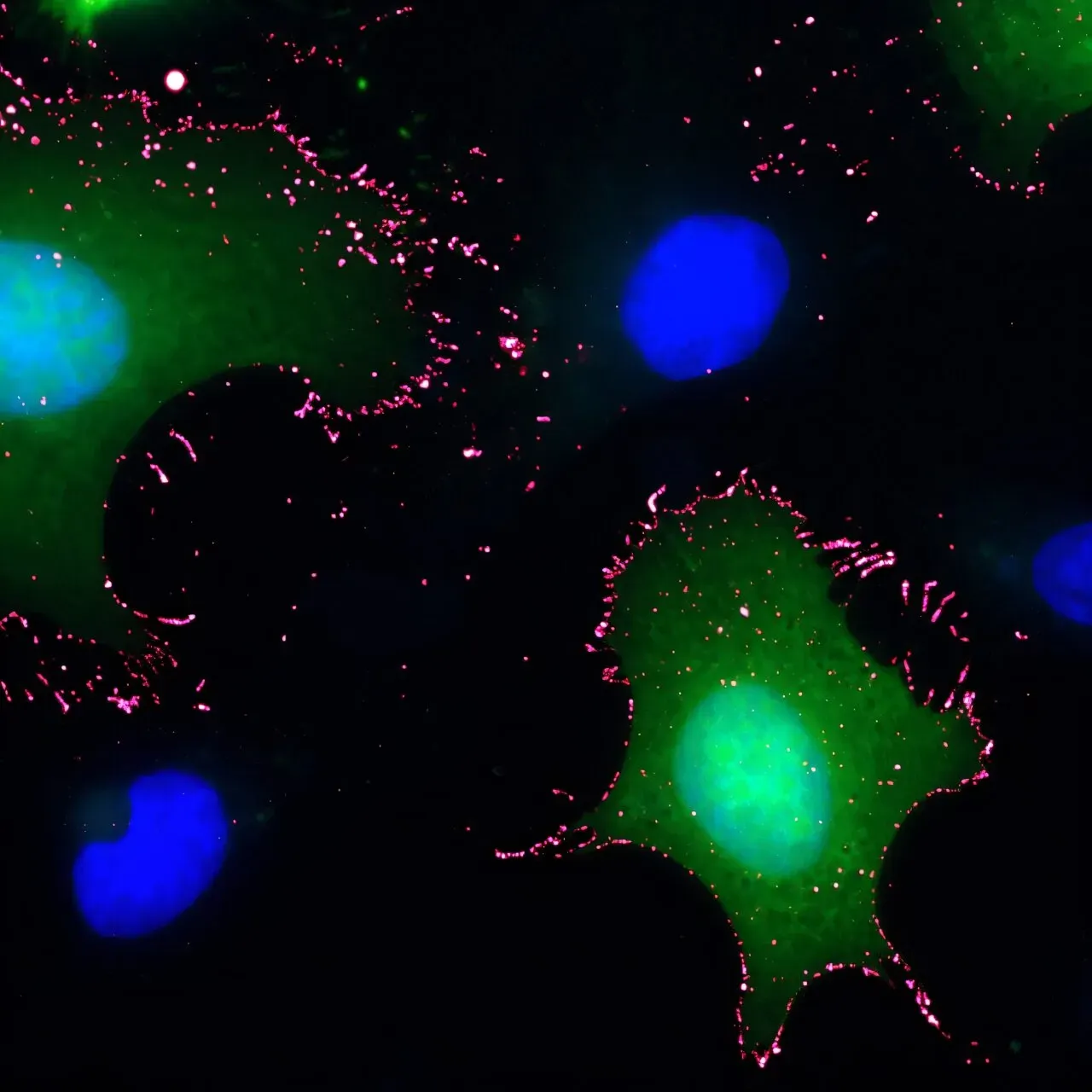
Scientists have made significant progress in understanding how the Andes hantavirus infects human cells by identifying a novel mechanism of receptor capture during infection.
A new report highlights disparities in taxation rates globally, with some nations collecting more revenue than others.
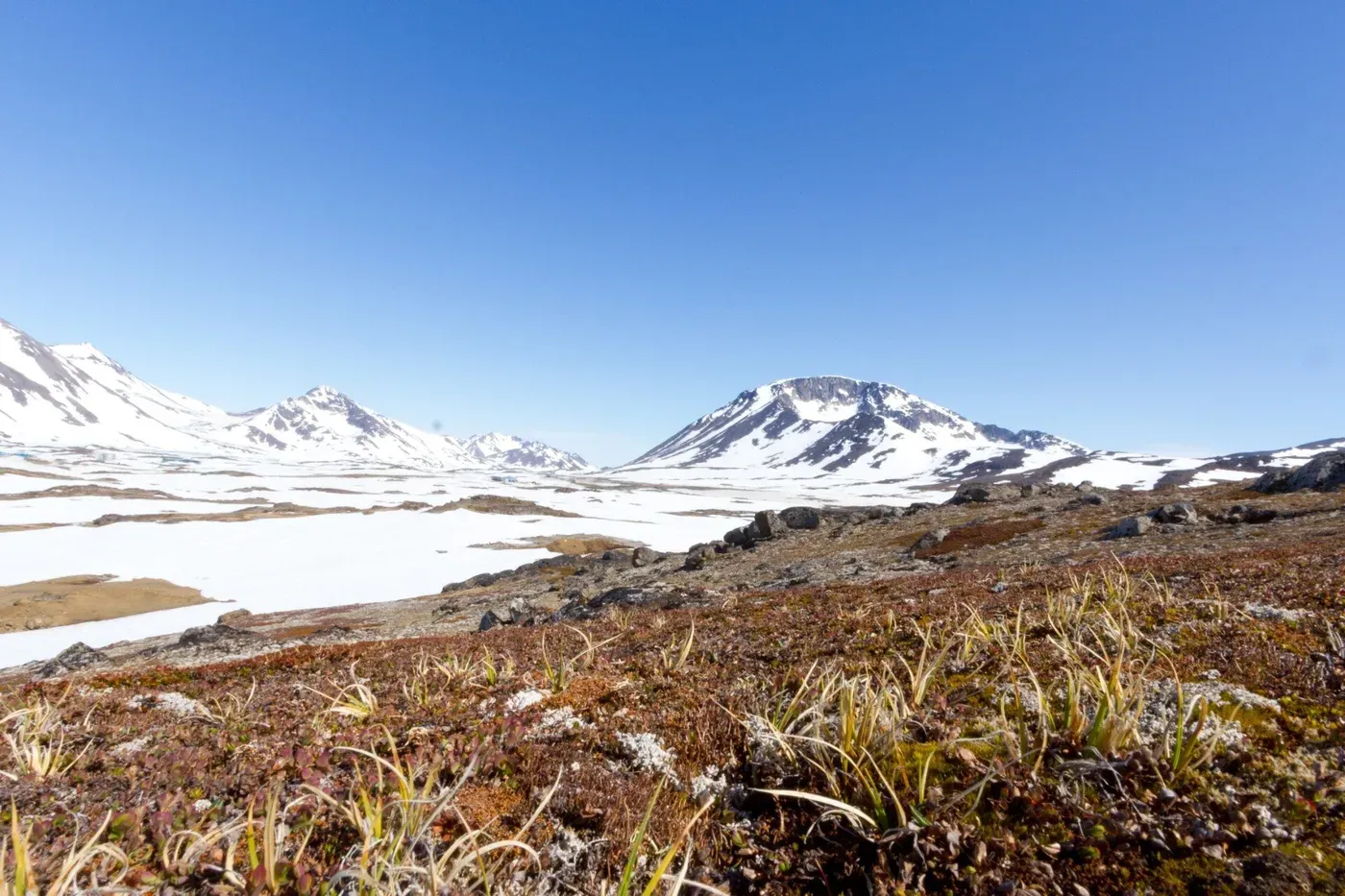
A previously unknown chapter in Greenland's climate history has been unearthed by researchers studying ancient sediment samples from a former U.S. military base, revealing warmer summers approximately 416,000 years ago.
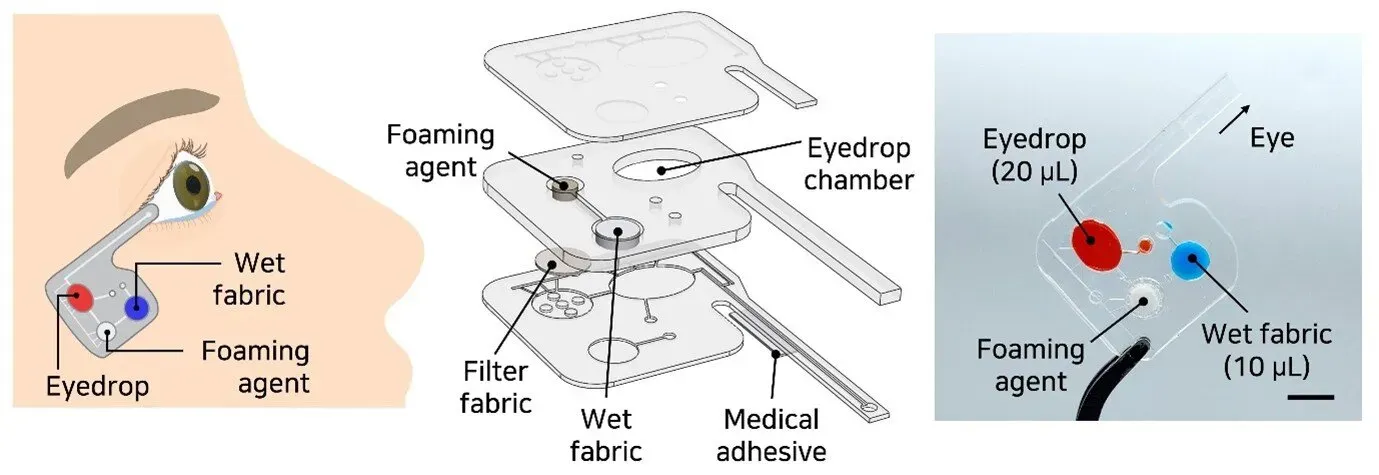
A team of researchers at KAIST has made significant progress in developing a wearable device that can administer eyedrops to astronauts in space, overcoming a major hurdle for deep space exploration.
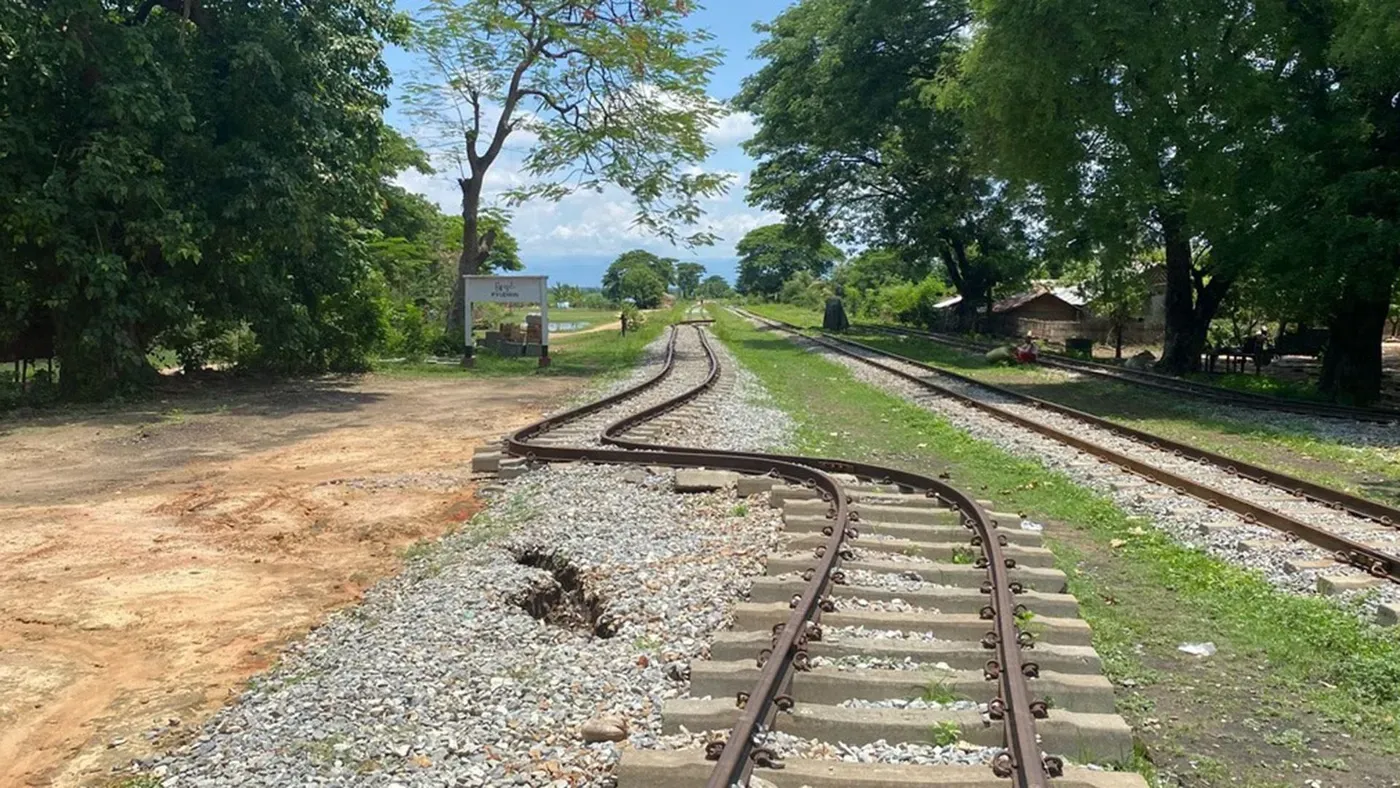
A recent study has analyzed satellite data and video recordings from a 2025 earthquake that devastated Myanmar, providing insights into how similar disasters could unfold in California.
Researchers at Washington State University developed a new method for assessing the socioeconomic fairness of facility locations, focusing on Spokane County and city.
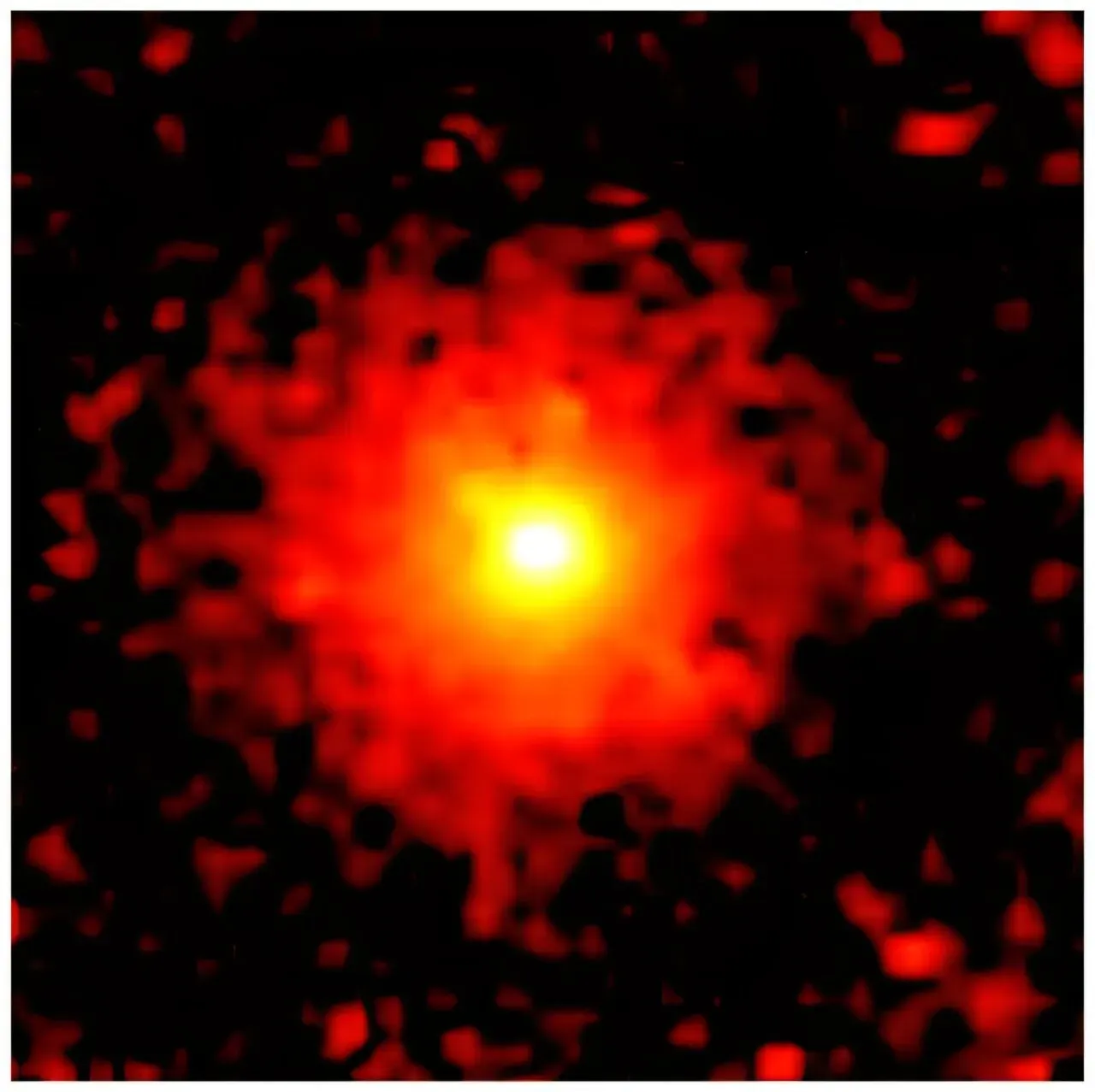
Researchers estimate that solar heating removed a surface layer approximately 1.7-5.2 meters thick from the interstellar comet, making it difficult to determine its original composition.
The latest Chapman University Survey of American Fears found a significant majority of respondents fear that AI could harm the political process and negatively impact the economy.