Flood Risk Assessments Combine Hazard and Social Vulnerability Data
A recent study has combined flood risk assessments with social vulnerability and exposure data to better understand who is most at risk in urban areas during heavy rainfall events.
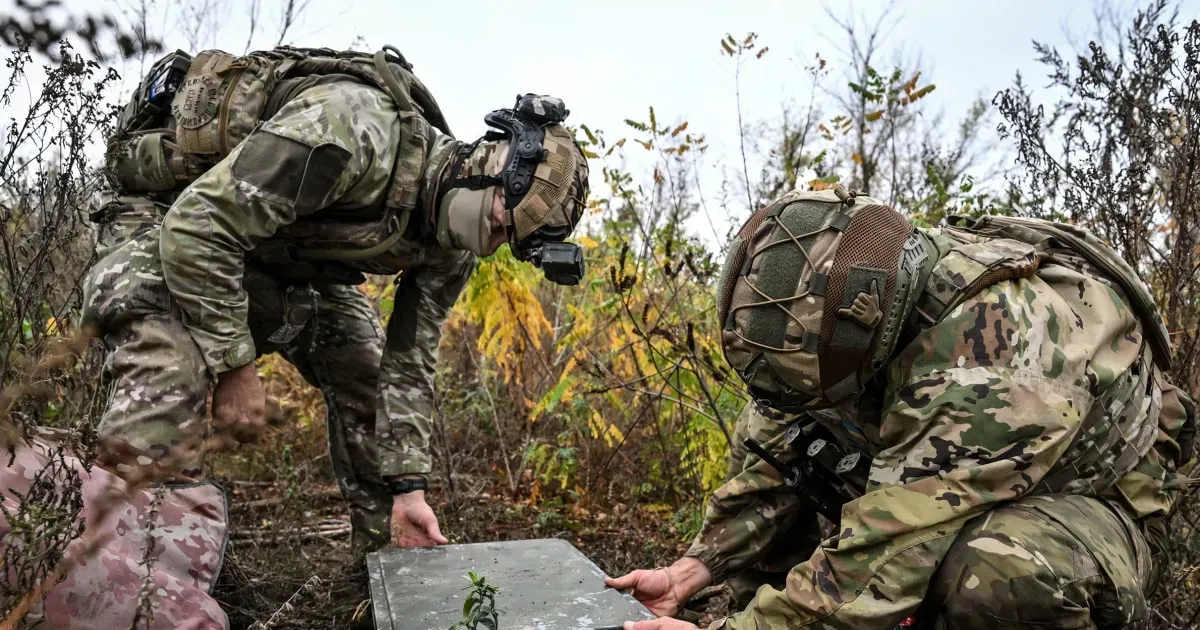
The Ukrainian military's use of SpaceX's Starlink internet service has been severely impacted due to a slowdown, disrupting critical operations on the front lines.
A personalised mRNA vaccine for melanoma is nearing approval in the US, Europe, and the UK after successful late-stage trials.
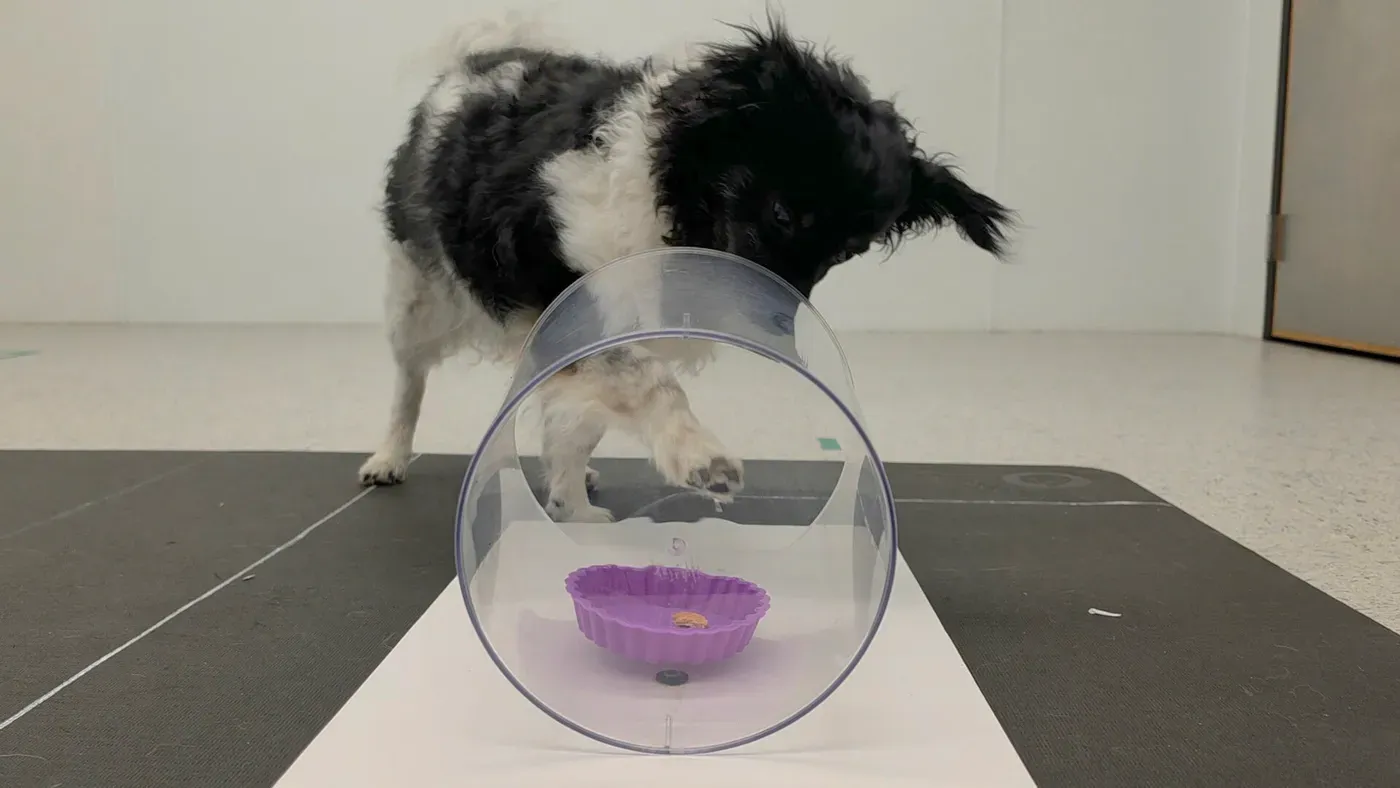
A new assessment tool called CANID has been developed to detect cognitive decline in dogs as early as age seven or eight, several years before obvious symptoms of dementia appear.
A recent report found that men are disproportionately featured as main subjects in 41% of AI-related news reports, while women account for just 5%.
Researchers have found that lake-terminating glaciers are responsible for more than half of all glacier ice loss, despite making up only 3.2% of global glaciers.
A recent study reveals that a record-breaking heatwave in Europe this summer resulted in over 50,000 deaths, with nearly two-thirds of the fatalities attributed to the burning of fossil fuels.
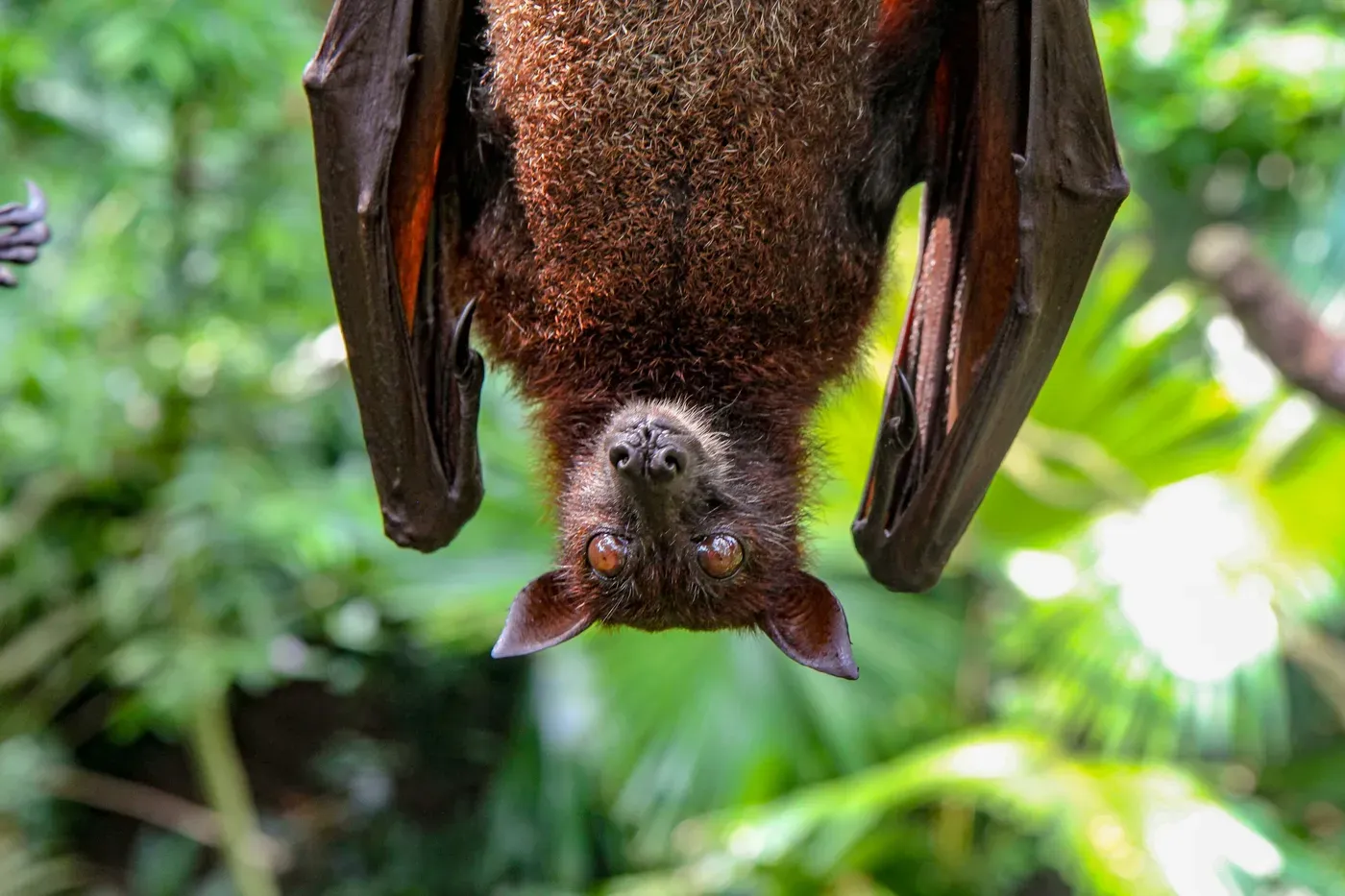
Researchers studying Japanese house bat behavior have found that mothers use a unique acoustic distress signal emitted by their pups to locate them in a colony.
A new study reveals that the scientific exchange between China and the Soviet Union during the communist era was mutual rather than one-sided.
A recent study found that nearly two-thirds of heat-related deaths in Europe this summer can be attributed to human-caused climate change.
A first-of-its-kind vaccine developed by Moderna and Merck has been shown to significantly reduce the chances of melanoma patients' tumors returning after surgery.
A new study on agricultural automation found that while AI-enabled machines can automate certain tasks, human knowledge is still essential for success. The research involved a three-year study of 16 fruit tree operations in California and Washington.
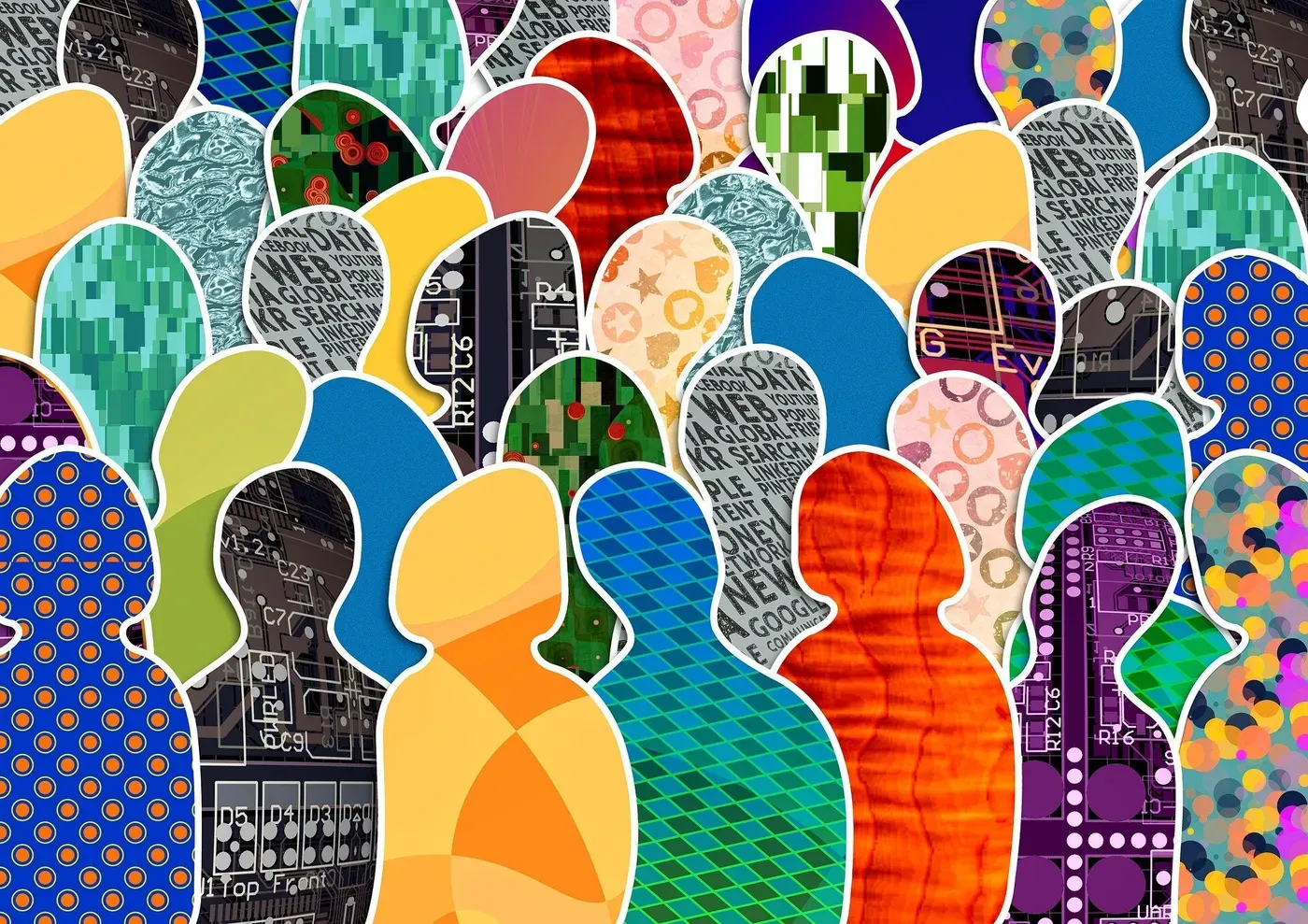
A new study from Yale has found that public health interventions can fundamentally change social connections within communities.
The study found that physical punishment has zero benefits and can be detrimental to children's emotional and behavioral development.
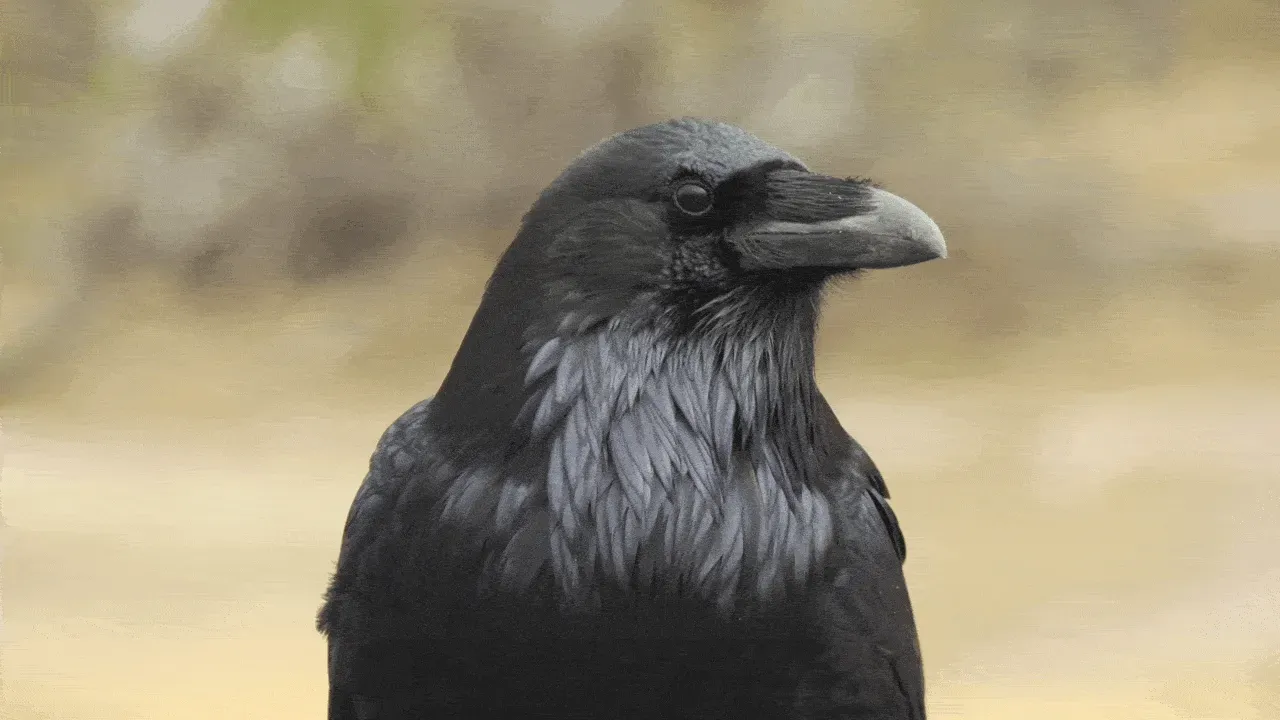
Researchers have found that carrion crows can make decisions at speeds of less than a quarter of a second, outperforming humans in similar tasks.
A study published in PLOS Biology has found that the human brain uses a mental map to compare and reason about numbers, assigning unique coordinates to each number.
A sudden reversal in the growth of the Barnes Ice Cap in Canada has scientists sounding alarm bells about the impact of human activities on the planet's climate.
A team of South Korean researchers has proposed a revised timeline for Vincent van Gogh's iconic painting "The Starry Night", suggesting that it may have been inspired by actual celestial events observed by the artist.
The analysis of sediments preserved on the New Jersey coast has revealed the full extent of the damage caused by the Chicxulub asteroid strike.
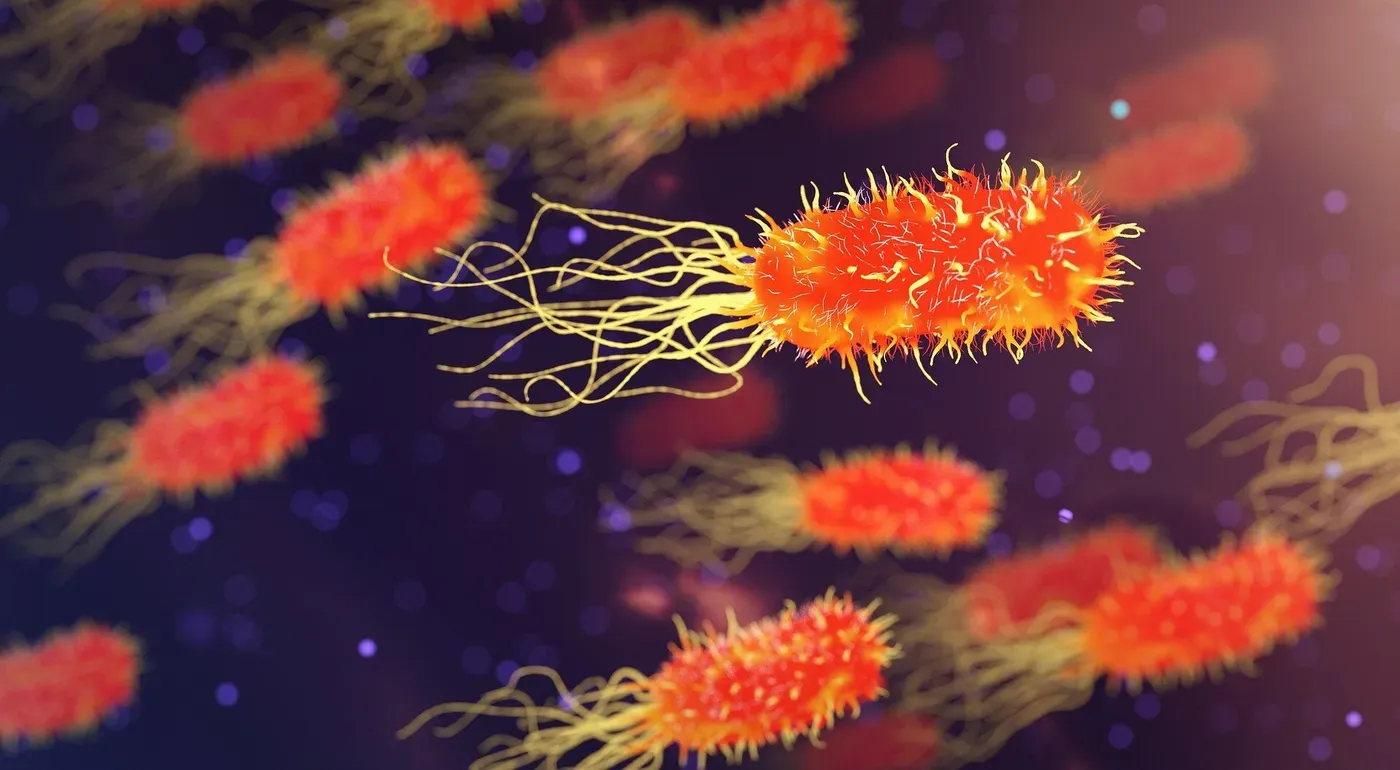
A new study at Carnegie Mellon University reveals an unexpected role for gut bacteria in regulating metabolic processes, suggesting that internal clocks are not solely dependent on external light cues.