Sanae Takaichi Snubbed by China at APEC Summit
Japanese Prime Minister Sanae Takaichi faced an unexpected obstacle upon arrival at the Asia-Pacific Economic Cooperation (APEC) summit in Shenzhen, China.
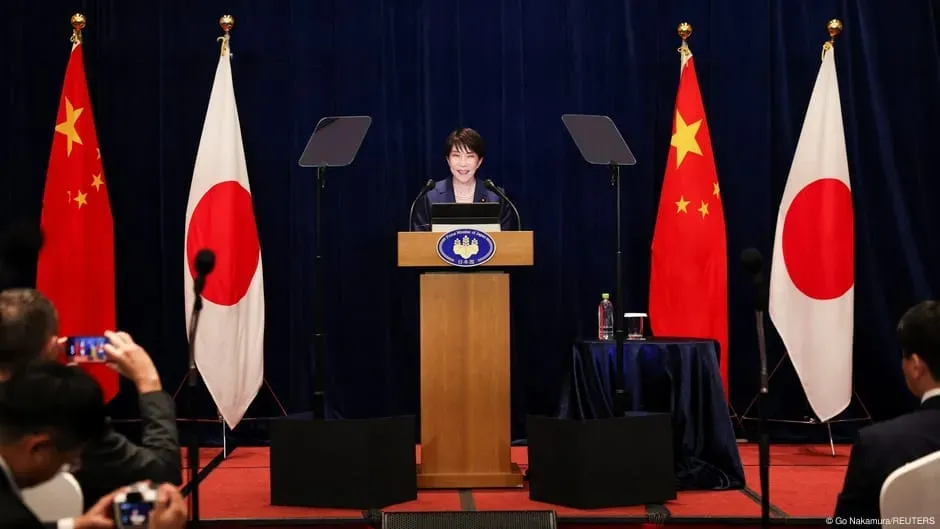
Japanese Prime Minister Sanae Takaichi recently found herself snubbed by China at the Asia-Pacific Economic Cooperation (APEC) summit in Shenzhen, signaling a possible deterioration in bilateral ties.
Upon arrival on November 18, Takaichi faced an unexpected obstacle when the mobile stairs leading to her aircraft were not long enough, forcing her to hold onto the door frame for support as she stepped down from the plane.
The modest reception awaiting Takaichi upon reaching the airport tarmac stood out in contrast to the more elaborate welcomes extended to other APEC leaders. Unlike many of their counterparts, Japan's delegation did not receive any musical performances or traditional dances.
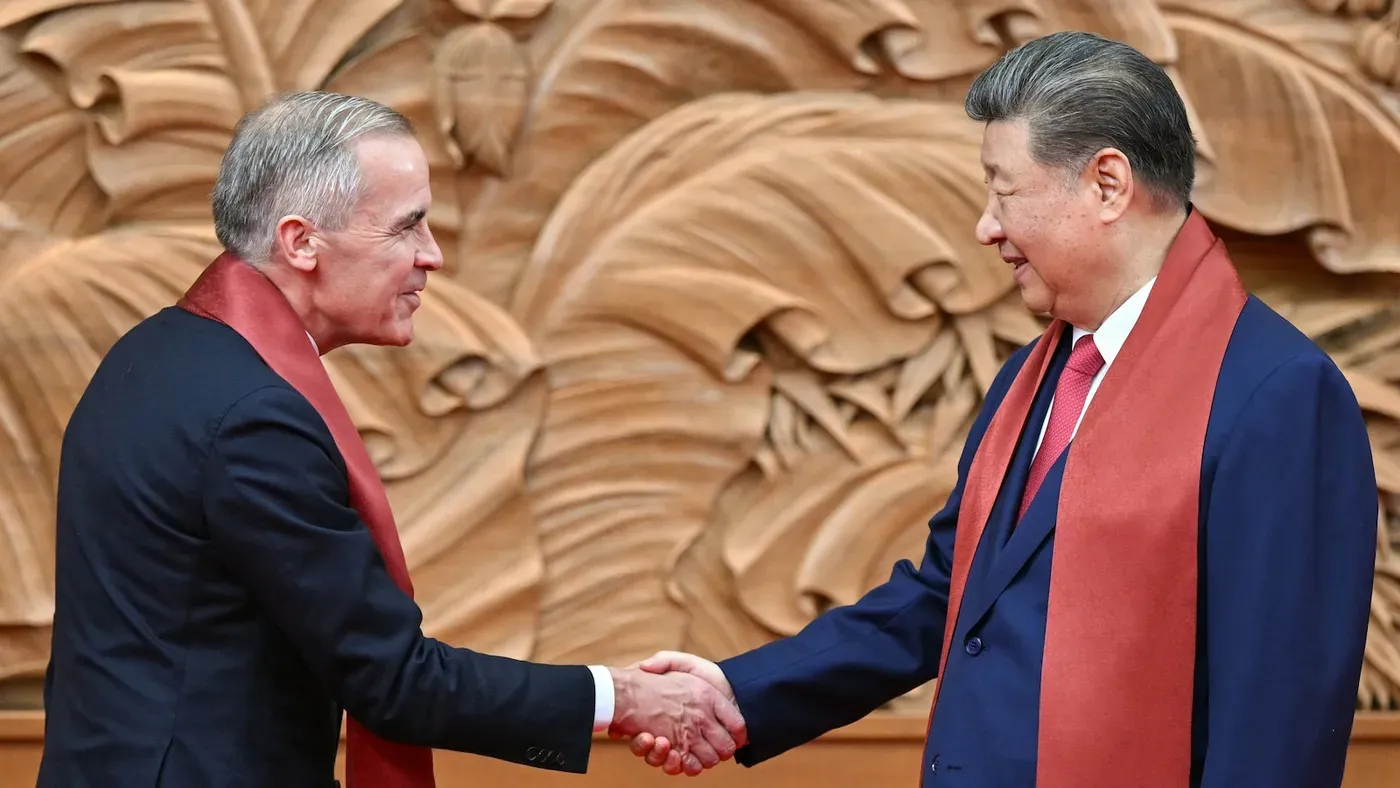
Japan's Yomiuri newspaper reported that during a dinner meeting with Chinese leader Xi Jinping on November 20, "his reaction was cold." This lack of enthusiasm from Xi towards Takaichi marked an unusually frosty encounter between the two leaders.
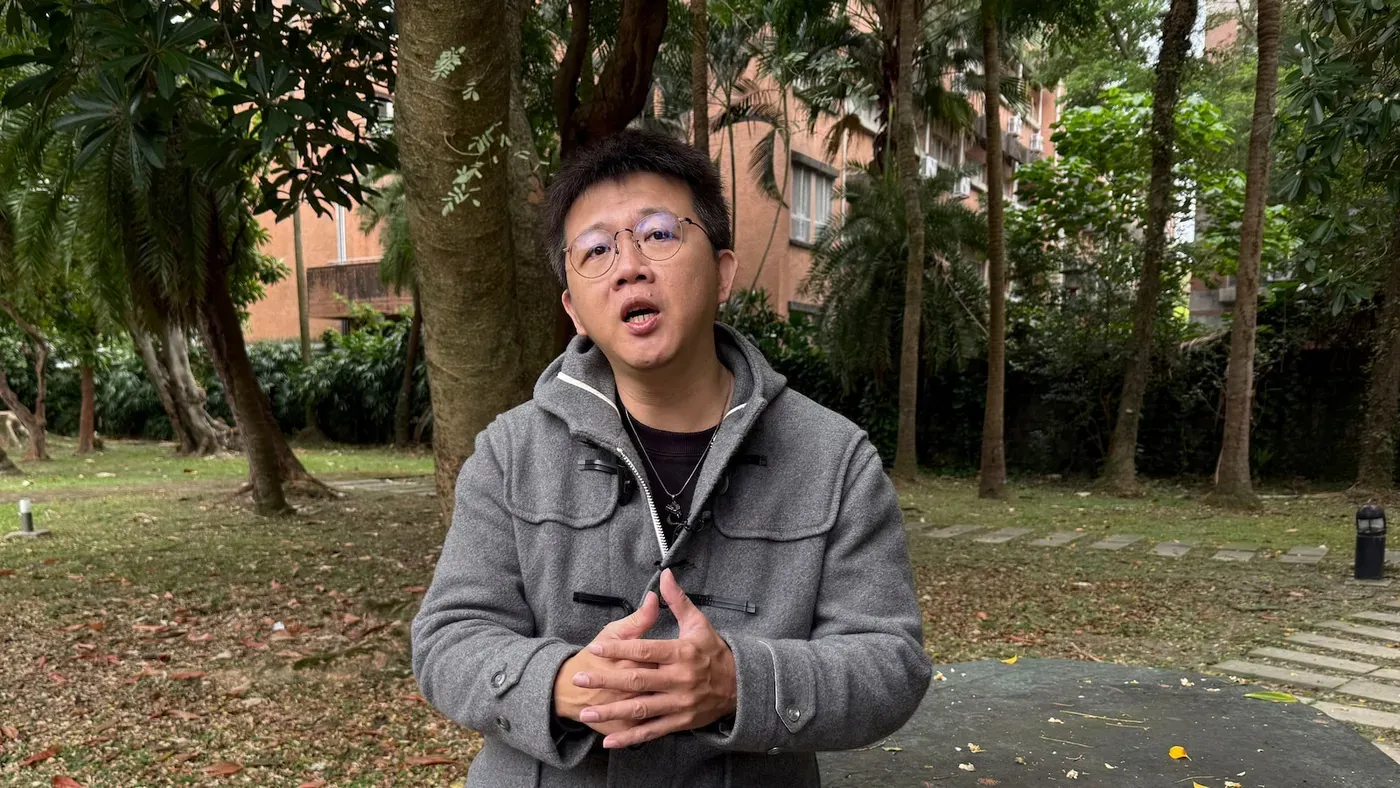
William Yang, a Taiwan-based analyst for the International Crisis Group, observed that China's chilly demeanor towards Japan was evident as soon as Takaichi's plane touched down.
Takaichi's arrival in Beijing was met with an awkward silence, according to observers. The contrast between her reception and that of other world leaders was stark.
The tensions on display were a reflection of the complex history between China and Japan. This legacy of conflict is deeply ingrained, with Chinese schoolchildren learning about the atrocities committed by Japanese forces during their occupation of key cities in the 1930s.
Japanese officials argue that their country's post-war efforts to make amends have been consistently overlooked. These include repeated apologies and significant economic aid that helped China become a major economic power today.
Japan's relationship with China has been strained for several years due to various issues, including China's growing military spending and assertive stance over disputed territories.
The breakdown of talks over the East China Sea in 2006 marked a significant turning point, as did the resurgence of nationalism following the Beijing Olympics in 2008. Chinese submarine activity near Japanese waters has also raised concerns among defence analysts. This heightened tension was further exacerbated by China's claims to the Senkaku Islands.
Japan's leaders have been cautious in their dealings with China, but the situation took a dramatic turn in November 2025 when the Japanese leader made a statement that sparked Beijing's ire. The statement implied that any conflict involving Taiwan would inevitably compromise Japan's national security.
Beijing responded swiftly and severely to this perceived provocation, demanding that the Japanese leader retract his words. In addition to diplomatic pressure, China imposed economic sanctions on Japan by restricting exports of rare earth minerals critical to its industry.
China's stance is seen as a significant departure from previous episodes where ruffled national feelings were smoothed over with reciprocal goodwill gestures. Beijing appears to believe it has more leverage in the current situation, according to observers.
Beijing's leverage in the current situation has grown significantly due to its control over vital resources. Japan relies heavily on China for rare earths, a crucial component in many high-tech products. This dependence gives Beijing considerable influence over Tokyo's actions. A visible military presence around Japan, sometimes in cooperation with Russia, adds to China's bargaining power.
The US administration's urging of Tokyo to de-escalate tensions has also contributed to the current dynamics. Washington's approach suggests that it is not willing to firmly back its ally at this time. This may embolden Beijing to maintain a hardline stance. The consequences for Japan could be severe, with potential repercussions on its economy and security.
Takaichi's position is precarious due to her own commitments as a conservative leader. She has spoken out against China's military expansion in the South China Sea and its pressure on Taiwan. Giving in to Beijing's demands would risk alienating her hardline supporters. This dilemma makes it difficult for her to find a middle ground that satisfies both her domestic base and the international community.
The analyst Yang notes that Takaichi is walking a tightrope between reducing tensions with China and preparing Japan for potential contingencies over Taiwan. Her ability to navigate this complex situation will be put to the test in the coming days. The stakes are high, with significant implications for both Japan's domestic politics and its international relationships.
Beijing's approach is likely to continue unchanged, with targeted exports and diplomatic pressure being used to assert its influence. This could include further cooperation with Russia and North Korea on issues related to Japan's security. The situation remains fluid, with many variables at play.
The decision by Japan to snub China at the APEC summit has left many wondering what's next for their strained relations. Analysts believe that Japan will likely seek opportunities to improve ties in exchange for small concessions from China.
However, a reset in the dynamics between the two countries depends on how the Trump administration shapes its foreign policy in the remaining time of his presidency. The situation remains fluid, with many variables at play.
The complex interdependence between China and Japan makes full decoupling unlikely, according to some experts. Trade, technology, and critical minerals are now seen as security issues that will prevent a return to isolating politics from economics.
A new power bloc is emerging, but the West should not be overly concerned about this development.
Facts based on reporting originally published by DW English.
You may republish this story, in full or in part, if you credit News Central Site and link to it (licence CC BY 4.0). Photos are not included.