Science
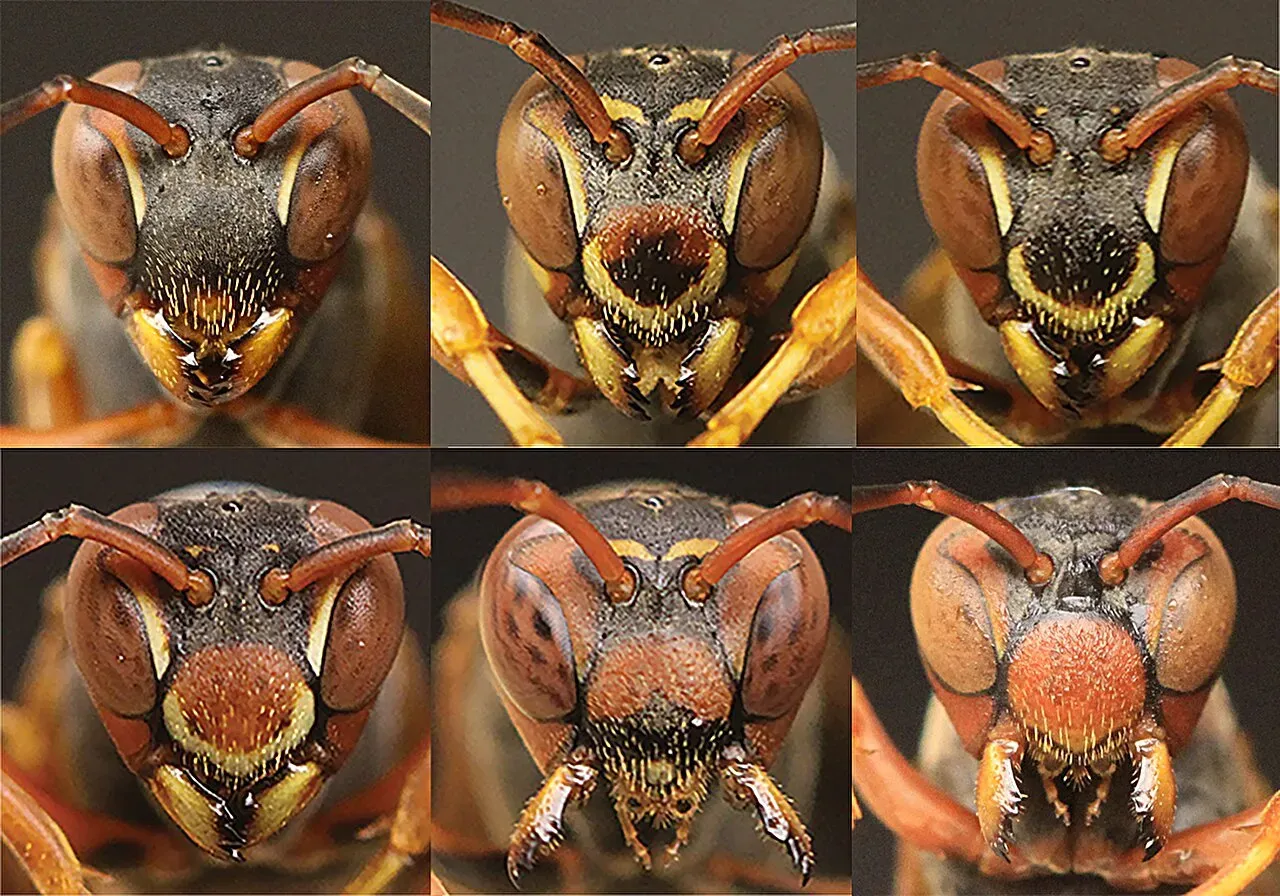
Wasps Recognize Faces of Nestmates through Neural Correlates
A new study published in the journal Cell has found that wasps use a distinct group of brain cells to recognize individual faces.
Renowned biochemist Bruce Ames left an indelible mark on the scientific community before his passing at 95.
A recent book has been exploring the attitudes and preferences of Gen Z, with 21,000 university students from around the world interviewed for the study.
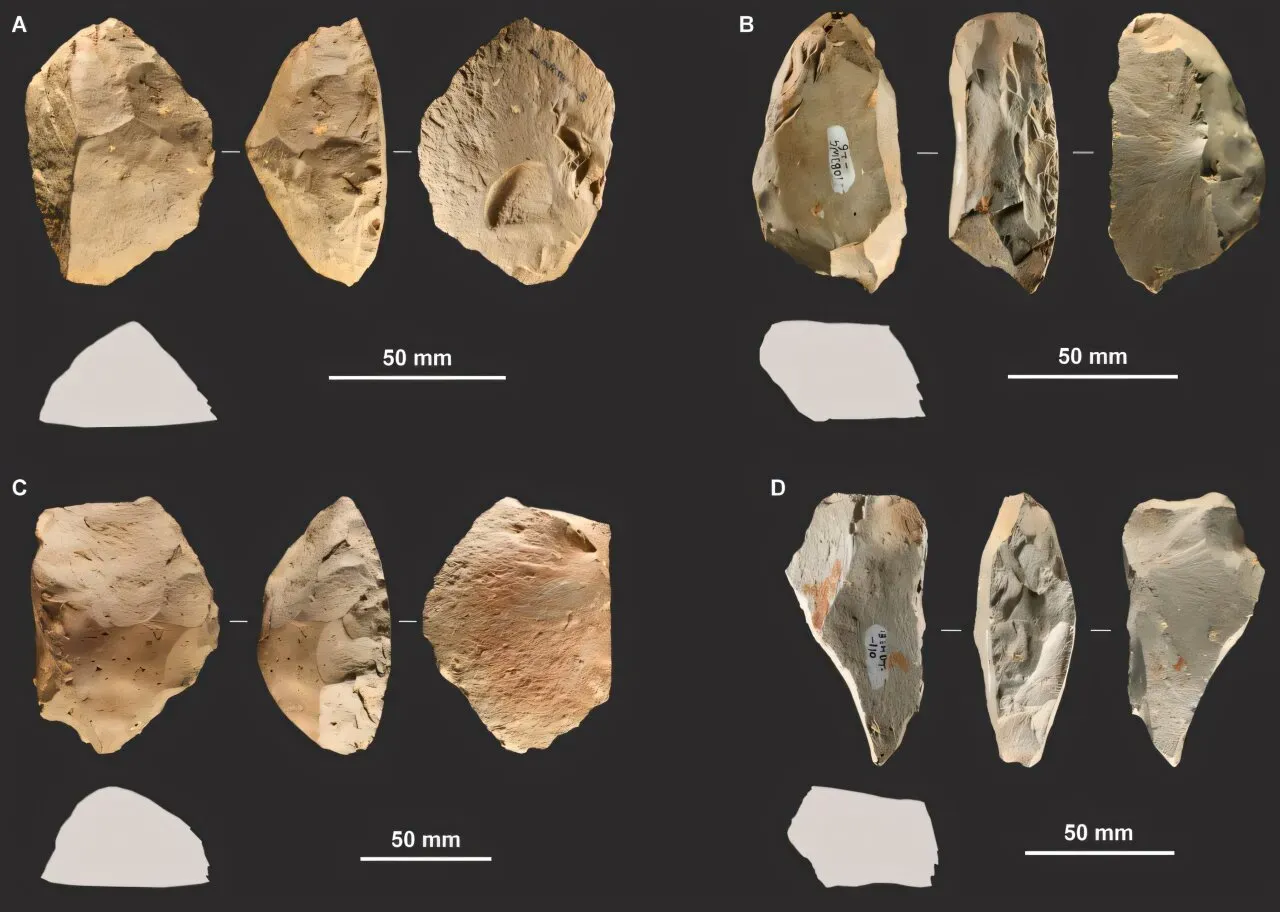
Archaeologists have discovered evidence of a technique that allowed for repeated sharpening and reuse of stone tools in southwest China.
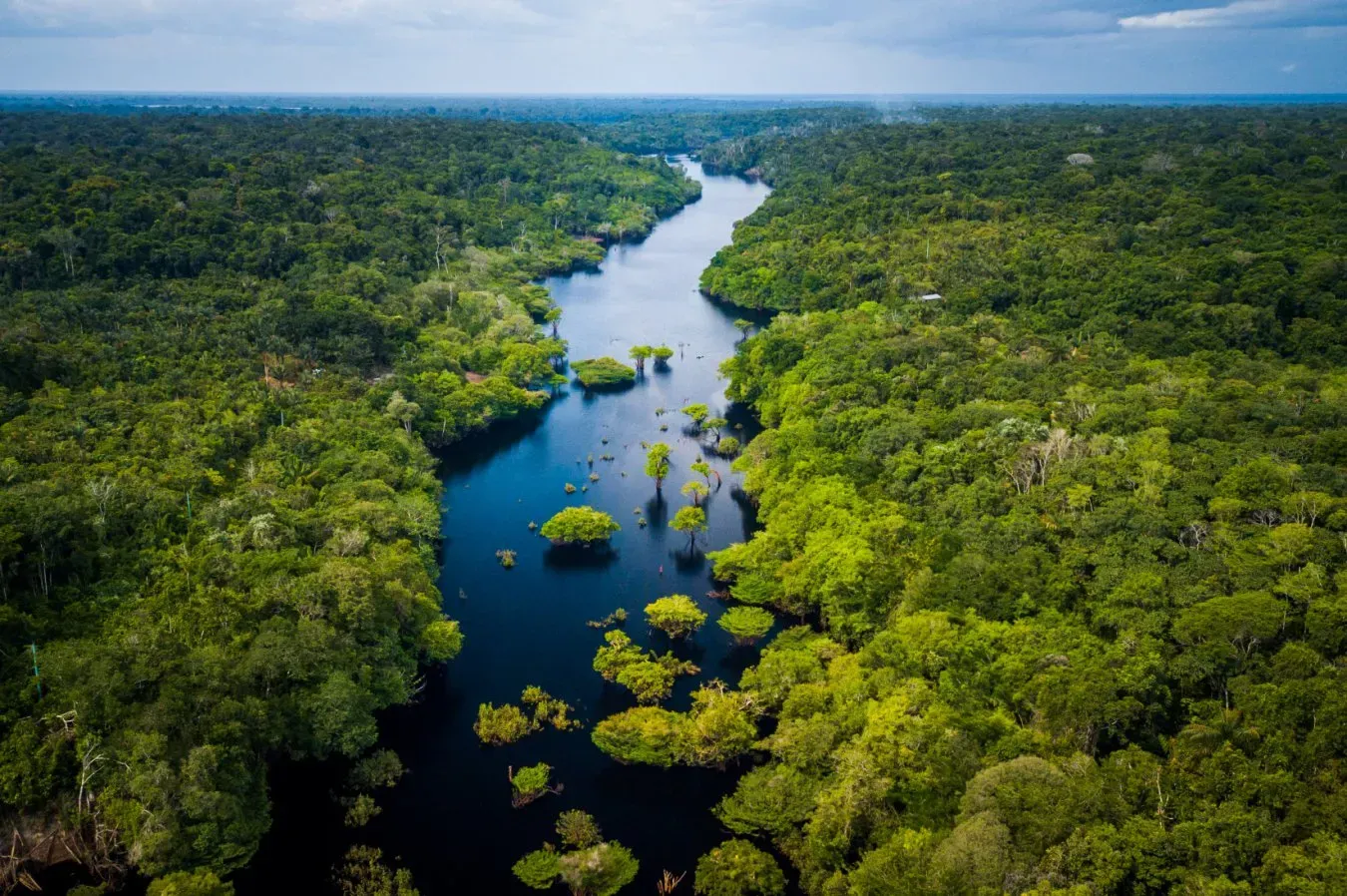
Researchers have discovered that areas where ancient human settlements once thrived now support more biomass than regions that were never modified.
A team of scientists at Hokkaido University has made a discovery about silver's crystal structure, which is distinct from the typical face-centered cubic arrangement found in most metals.
Researchers have quantified the amount of organic nitrogen deposited from the atmosphere into the world's oceans, revealing an astonishing 12.8 million tonnes annually.
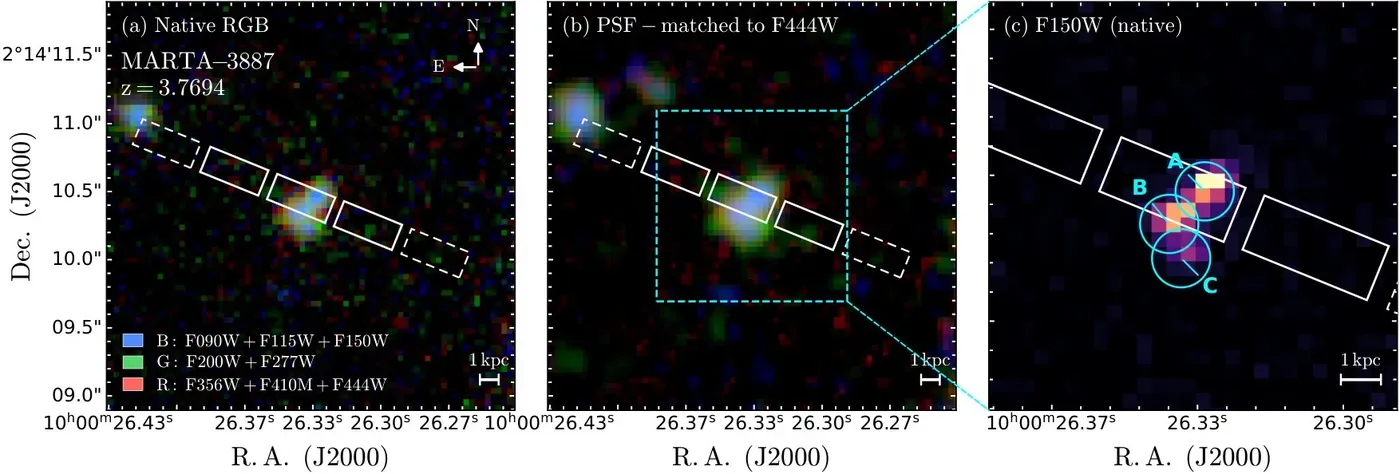
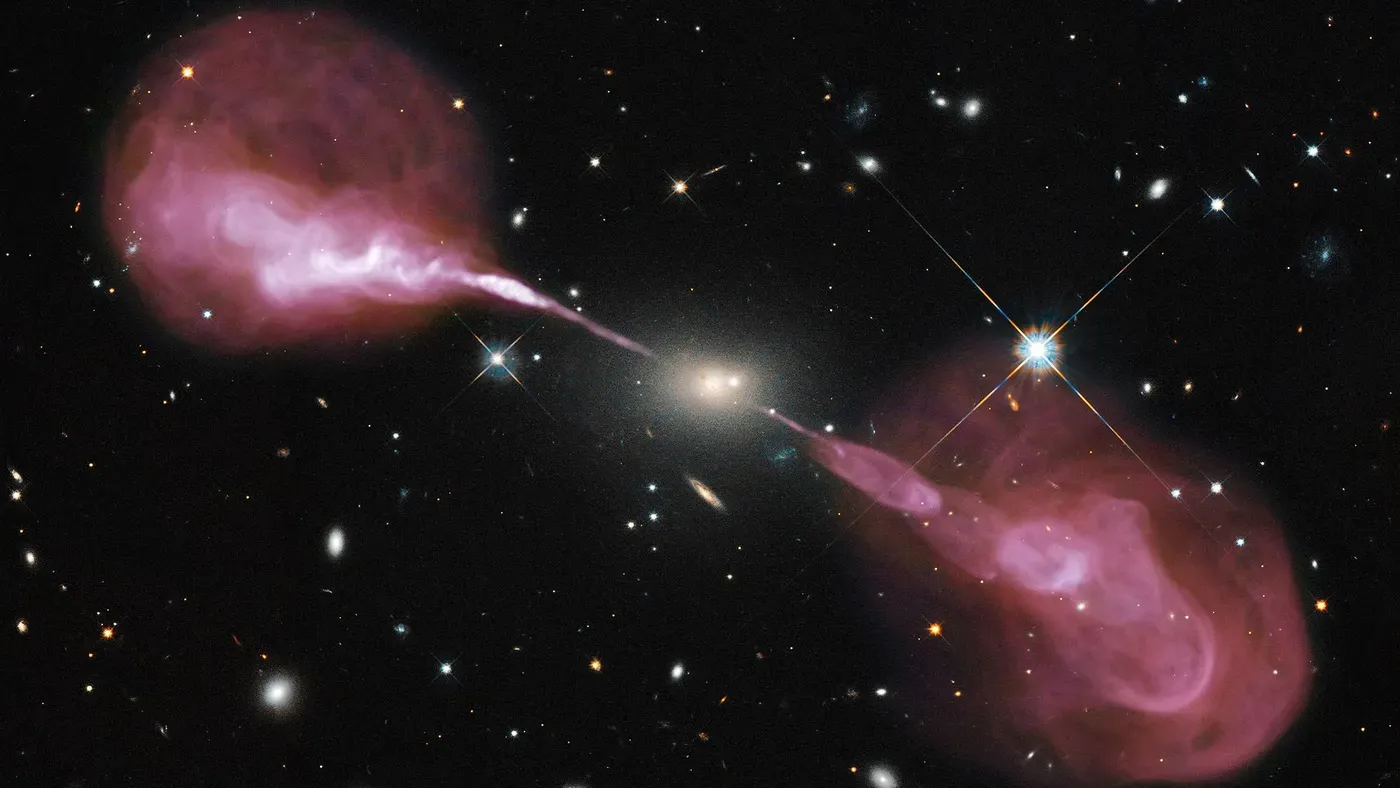
Astronomers using data from JWST and other telescopes have discovered a massive black hole in the distant galaxy MARTA 3887.
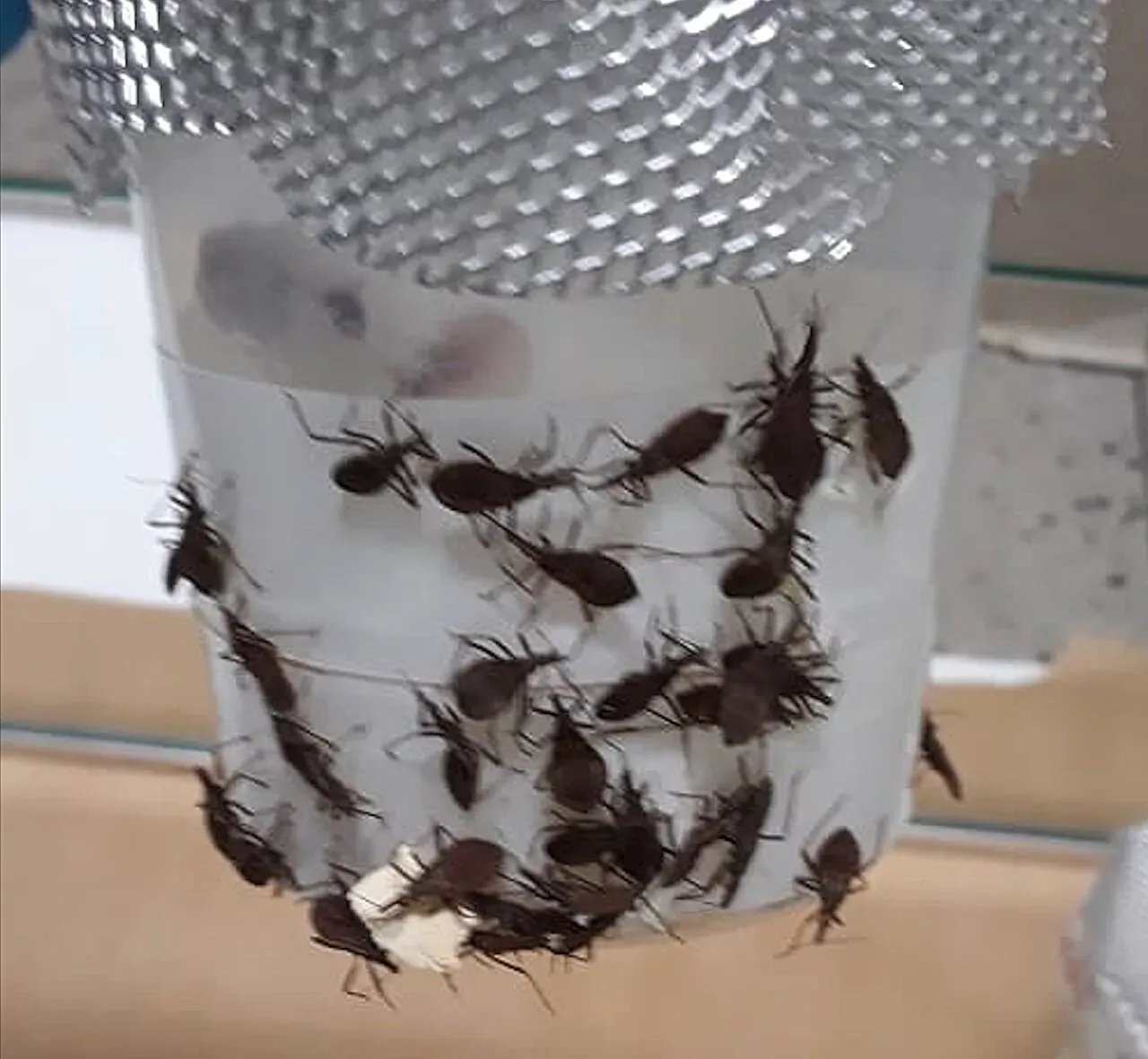
Researchers have discovered that mice infected with Trypanosoma rangeli and Trypanosoma cruzi parasites become more appealing to triatomine bugs, which can spread the infection between mammals and insects.
The study, which aimed to identify risk factors for Alzheimer's in African Americans, has been abruptly cancelled by the Trump administration.
A recent study proposes that black holes can break into multiple smaller bodies under specific conditions.
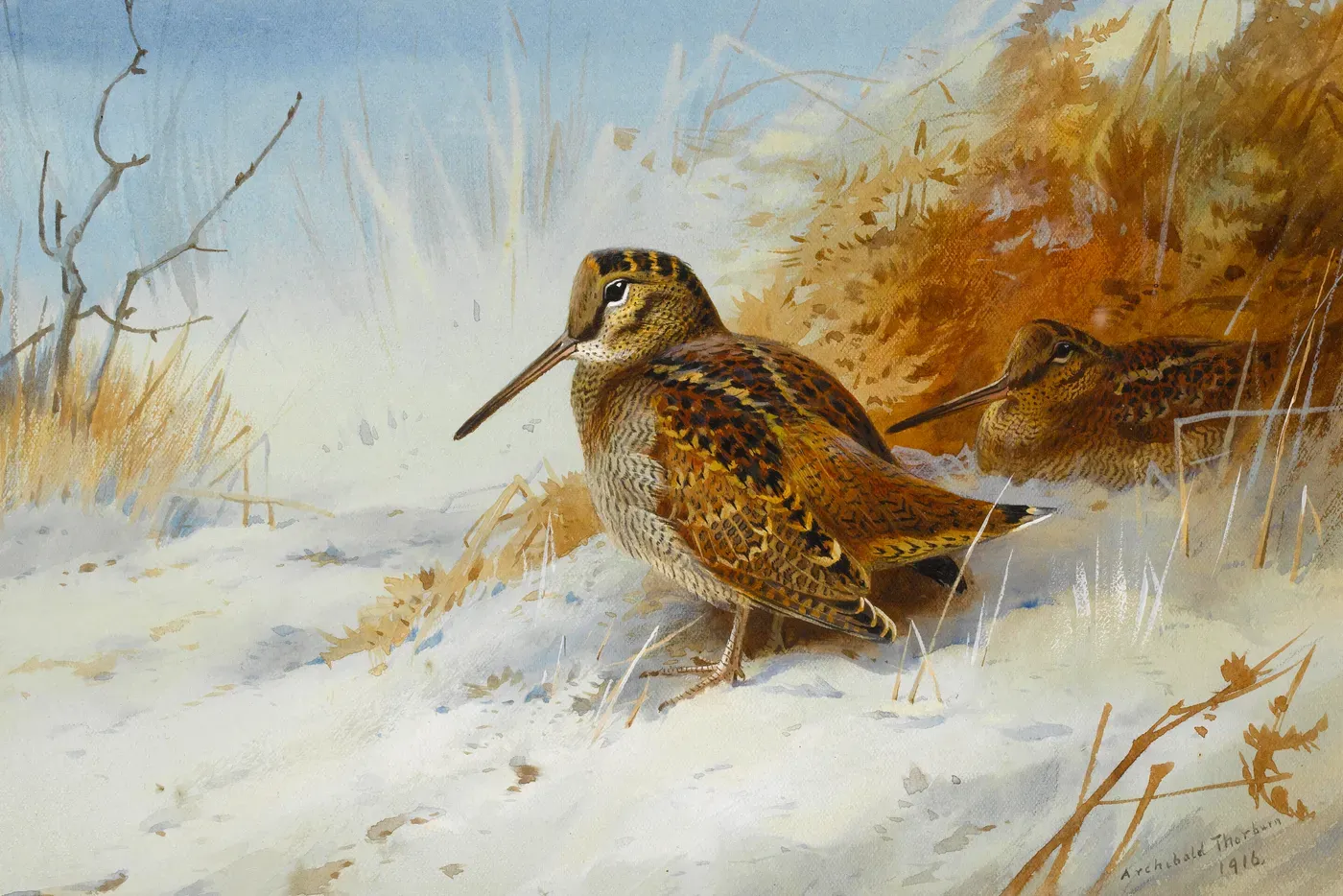
Researchers at the Florida Museum of Natural History have reidentified fossils from a Haitian cave as belonging to an extinct snipe species rather than a woodcock.
Employers are moving away from traditional degree requirements and focusing on applicants' skills and experiences.
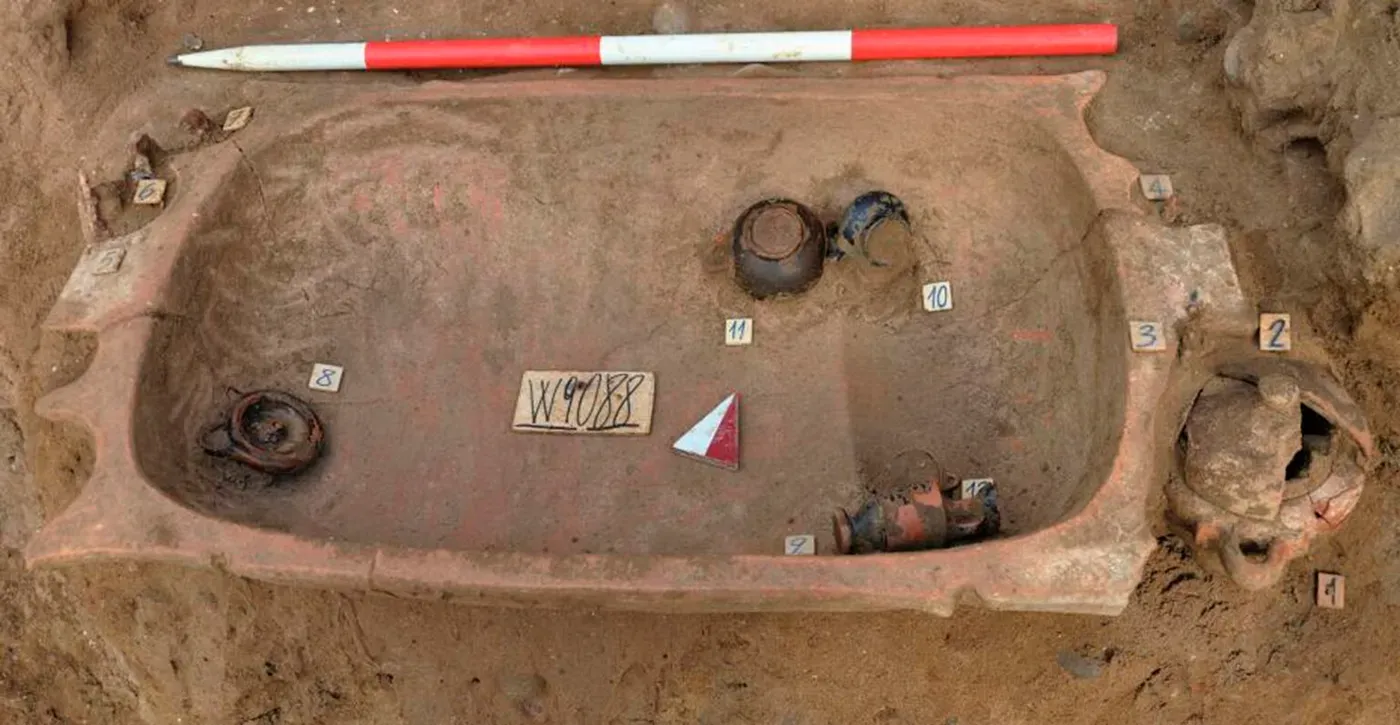
A new archaeological study has shed light on the childcare practices of ancient Greeks living in the colony of Himera in Sicily over 2,500 years ago by analyzing chemical signatures in children's bones.
A recent survey by Seramount found that only 18% of Gen Z workers want to improve or develop their AI skills.
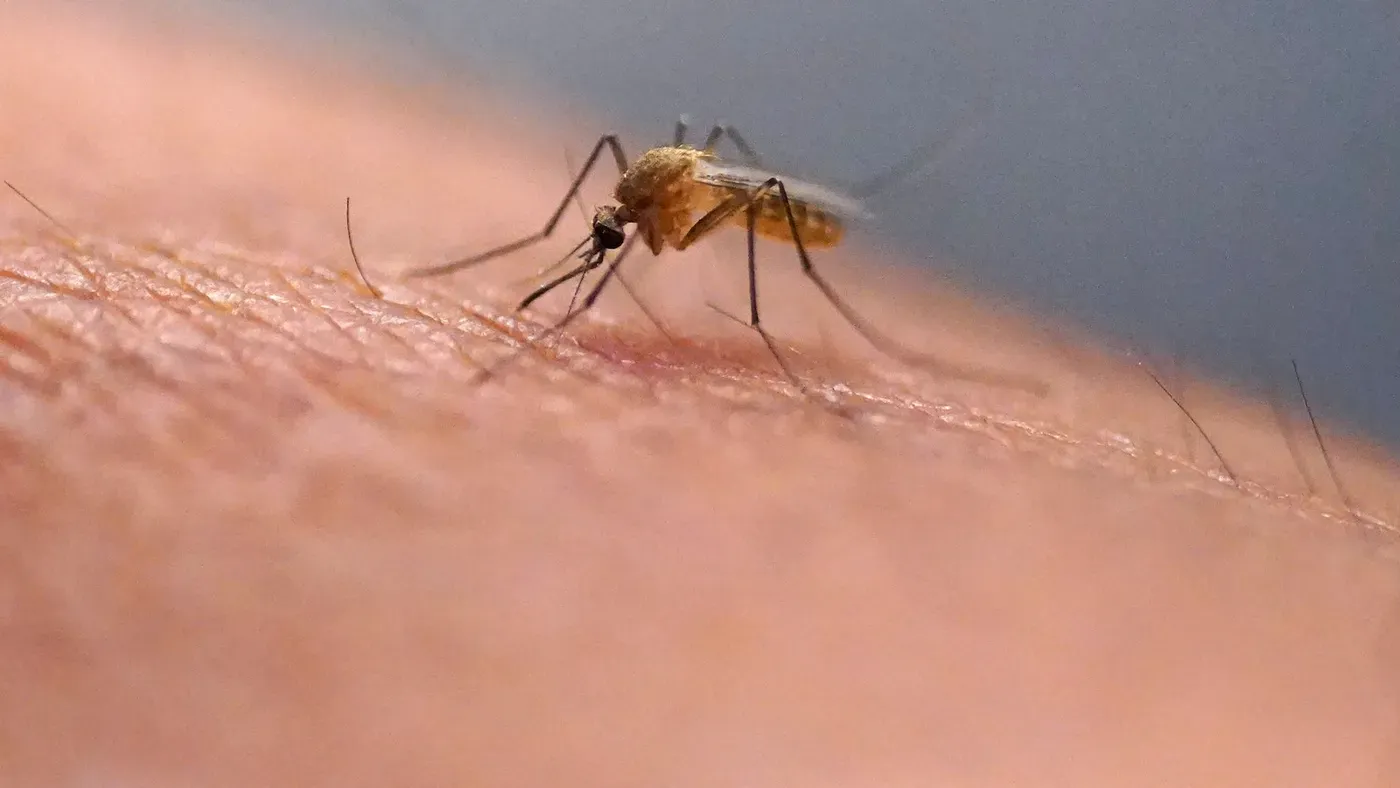
A study in Brazil found a 69% decrease in dengue cases among children living in areas with Wolbachia-carrying mosquitoes, even during a severe outbreak in 2024.
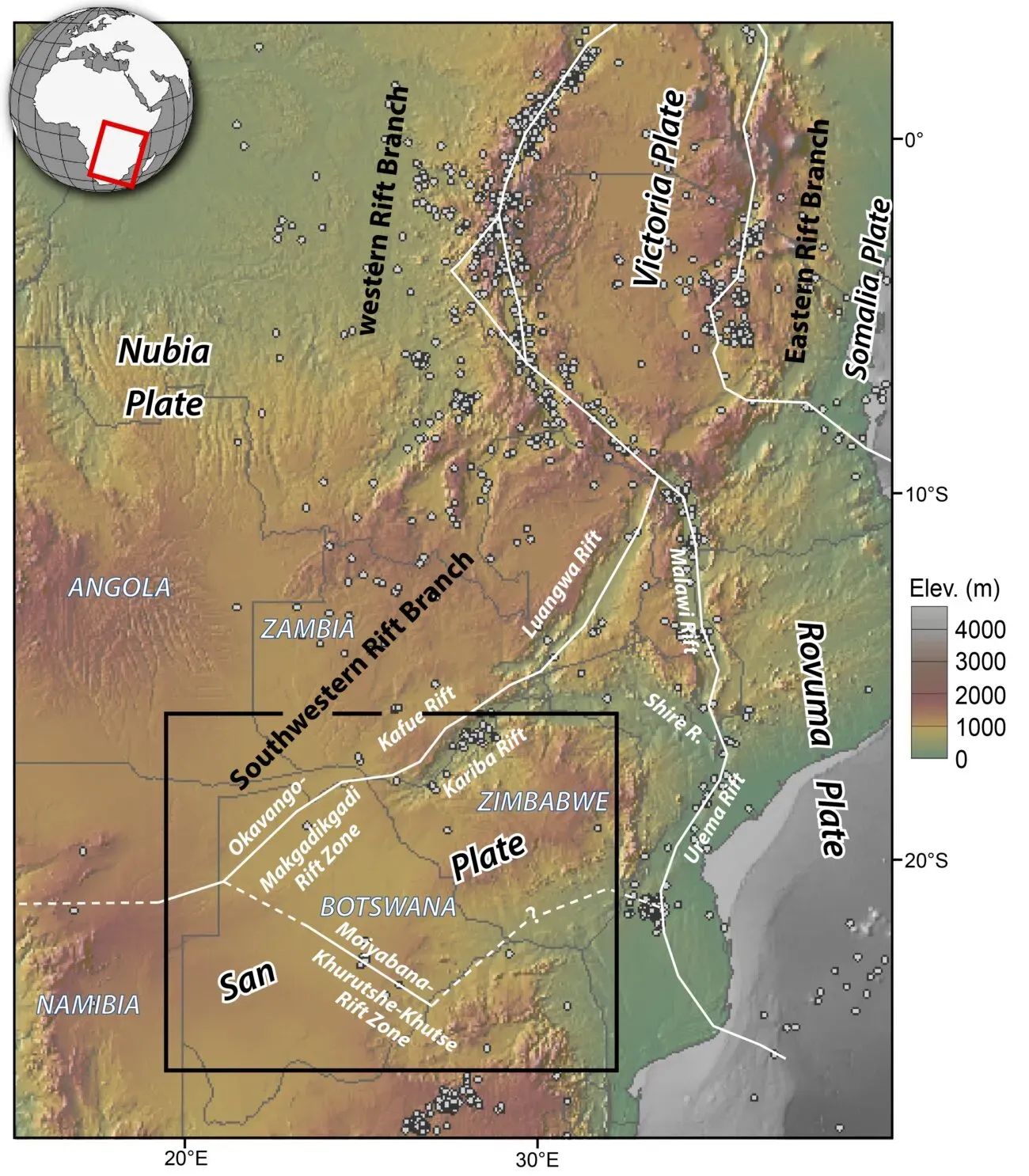
A new study has found a rift zone in eastern Botswana's Kalahari Craton, contradicting long-held assumptions about continental stability.
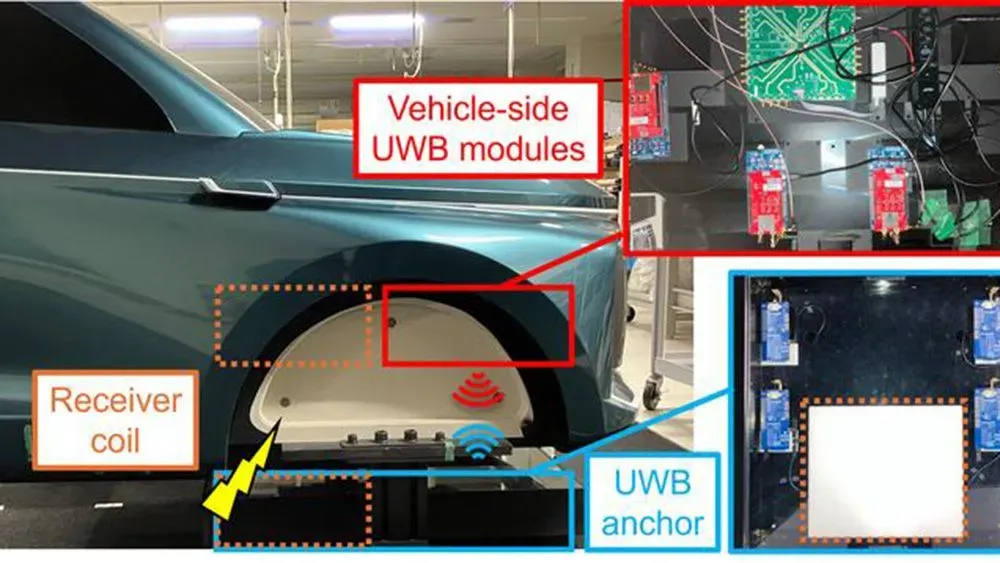
Researchers have made a breakthrough in wireless electric vehicle (EV) charging technology, enabling vehicles to charge by parking on specially equipped roads or in designated spaces.
A recent study published in Terra Nova used computer simulations to explore factors contributing to lithospheric dripping, a process where dense rock sinks into the mantle.
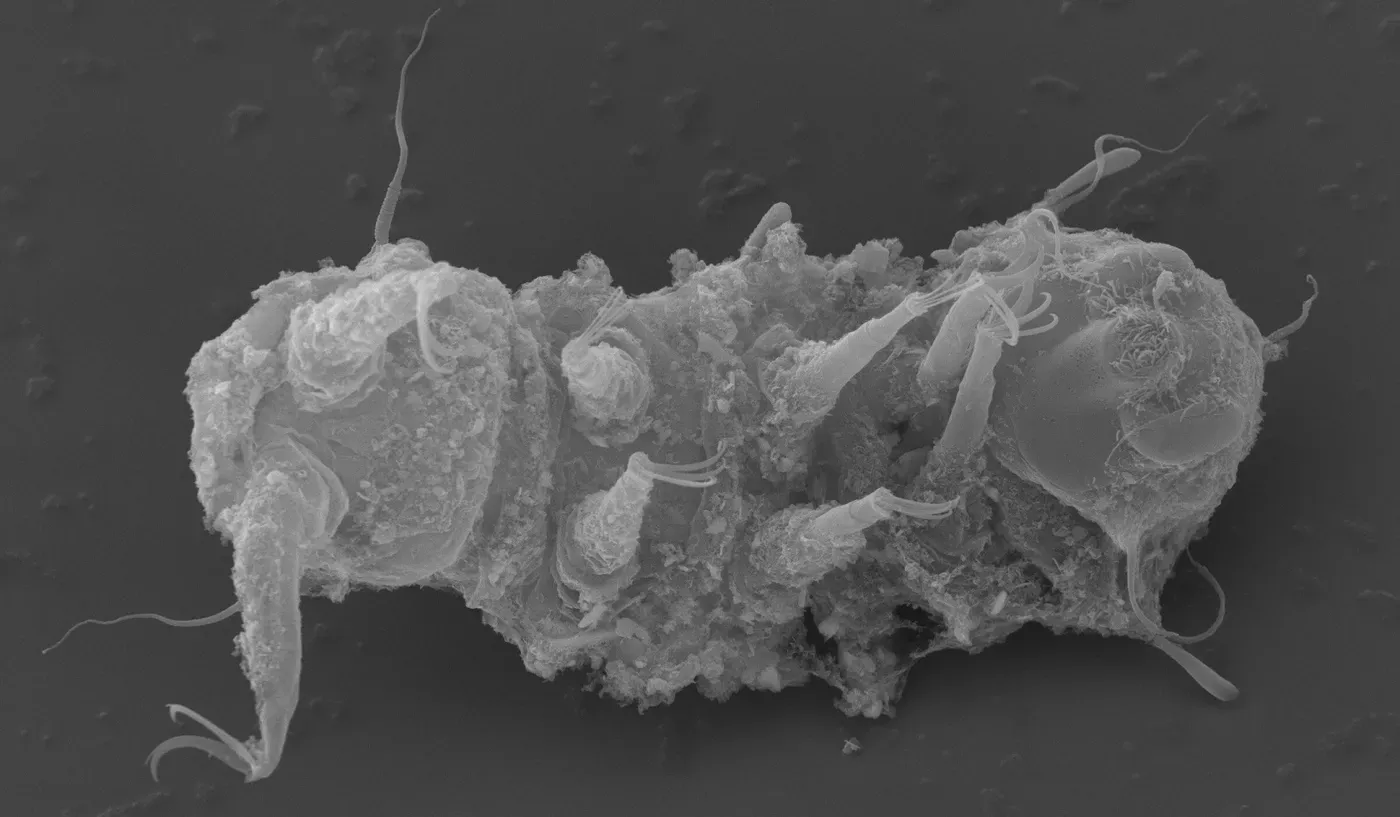
An international team of researchers has identified two new species of marine tardigrades buried in the sediment of the Senghor Seamount off the coast of Cape Verde.