Pollutants Found in Protected Rivers and Streams
A new study has found that pollutants are still present in rivers and streams, even those designated as protected areas.
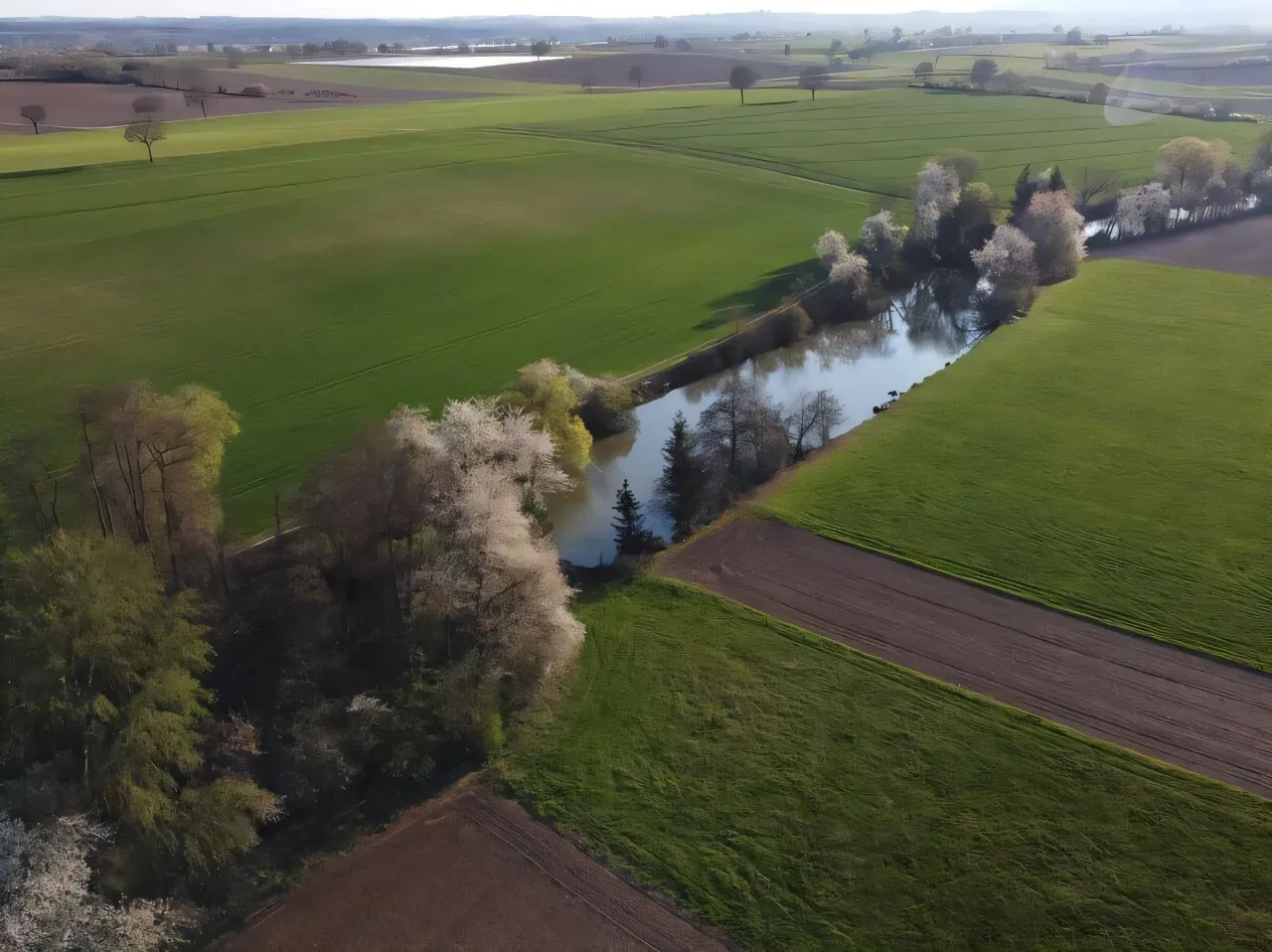
A new study has found that pollutants are still a significant threat to rivers and streams, even those designated as protected areas. The research, conducted by scientists from RPTU University Kaiserslautern-Landau, analyzed over 180 million water measurements taken from the French long-term monitoring program "Naïades. This comprehensive analysis sheds light on the widespread presence of pollutants in aquatic ecosystems.
The study reveals that nearly all water bodies examined contained detectable levels of pollutants. While earlier research often focused on individual groups of substances such as pesticides, this investigation considered a vast array of 1,731 chemicals, providing a more thorough understanding of ecological risks. This approach allows for a broader assessment of the impact of chemical pollution on aquatic life.
The sheer number of chemicals in use worldwide poses significant challenges to monitoring and detection. With hundreds of thousands of substances available, identifying contaminants can be time-consuming and costly, leading to an incomplete picture of water contamination until now. The research team, led by environmental scientists Danisa Lione and Jakob Wolfram, leveraged over two decades of French monitoring data to inform their findings.
The analysis compared measured concentrations of organic pollutants with their known toxicity to aquatic organisms, enabling the researchers to assess resulting risks in protected and unprotected water bodies. This detailed examination highlights the importance of considering multiple types of substances when evaluating ecological threats.
While some might assume that protected areas would be immune to pollution, the study's findings indicate otherwise. The presence of pollutants is not limited to areas without designated protection; rather, they are widespread even in supposedly safeguarded regions.
Further research is needed to fully understand the implications of these findings and develop effective strategies for mitigating chemical pollution in aquatic ecosystems.
The French data provides a unique perspective on the intricate nature of chemical pollution and its potential consequences for these critical ecosystems.
Organic pollutants were found in nearly all water bodies studied, a stark reality that underscores the widespread problem of chemical contamination. In protected areas, an average of nine distinct chemicals were detected per sample, whereas outside these designated zones, the average rose to 13. While it's true that pollutants occur less frequently in protected areas, concentrations capable of causing ecological harm are still regularly measured.
Lione highlights a crucial point: even though protected areas significantly reduce pollutant numbers and frequency, adverse effects persist with alarming regularity. Rivers and streams operate as open systems, allowing chemicals to be carried into these valuable refuges by the current.
The occurrence of per- and polyfluoroalkyl substances (PFAS), commonly referred to as forever chemicals," is particularly noteworthy. In recent years, PFAS have emerged as the second most frequently detected group of pollutants in the French data. Approximately 60% of studied sites showed evidence of PFAS presence.
PFAS were found in urban areas at an average of six to 11 different compounds annually, a disturbing trend that underscores the complexity and scope of the issue. Lione emphasizes that despite their widespread use, with over 10,000 distinct molecules available, relatively little is known about the effects of PFAS on aquatic ecosystems.
The study's findings indicate that aquatic plants are among the most severely affected by pollutants, followed closely by aquatic invertebrates and fish. This suggests that the impact of these pollutants extends beyond just a few specific species to have far-reaching effects on entire ecosystems.
Agricultural use is a significant contributor to environmental risks, with regulatory restrictions on problematic pesticides leading to improvements for aquatic plants but not for aquatic animals. Despite this progress, many areas continue to struggle with pollution-related issues.
The study highlights the importance of considering all types of organic pollutants when assessing environmental risk. When other substances in addition to pesticides are taken into account, the estimated risk increases significantly. For fish, this increase is 26%, while for aquatic invertebrates it reaches as high as 48%.
Previous studies may have underestimated the actual risks due to limited chemical analysis that only covered a subset of present substances. To gain a more accurate understanding of ecological pressures, environmental monitoring programs must be expanded and improved, as demonstrated by the French program's approach.
The findings underscore the need for comprehensive and inclusive approaches to addressing pollution in aquatic ecosystems. By considering all relevant pollutants and expanding monitoring efforts, it may be possible to mitigate some of the risks associated with these substances and protect vulnerable species and habitats.
Protected areas are still crucial for preserving biodiversity, but they do not guarantee complete protection against chemical contamination.
The presence of pesticides and organic pollutants in these areas highlights the need for comprehensive environmental monitoring and regulation of problematic substances to safeguard aquatic ecosystems.
Ultimately, protecting vulnerable species and habitats requires a multifaceted approach that takes into account all relevant pollutants and expands monitoring efforts.
Facts based on reporting originally published by Phys.org.
You may republish this story, in full or in part, if you credit News Central Site and link to it (licence CC BY 4.0). Photos are not included.