Global carbon emissions from fossil fuels projected to drop by 0.4% next year
New research by the Global Carbon Project forecasts a modest decline in fossil fuel emissions due to growing use of renewable energy and reduced oil supplies.
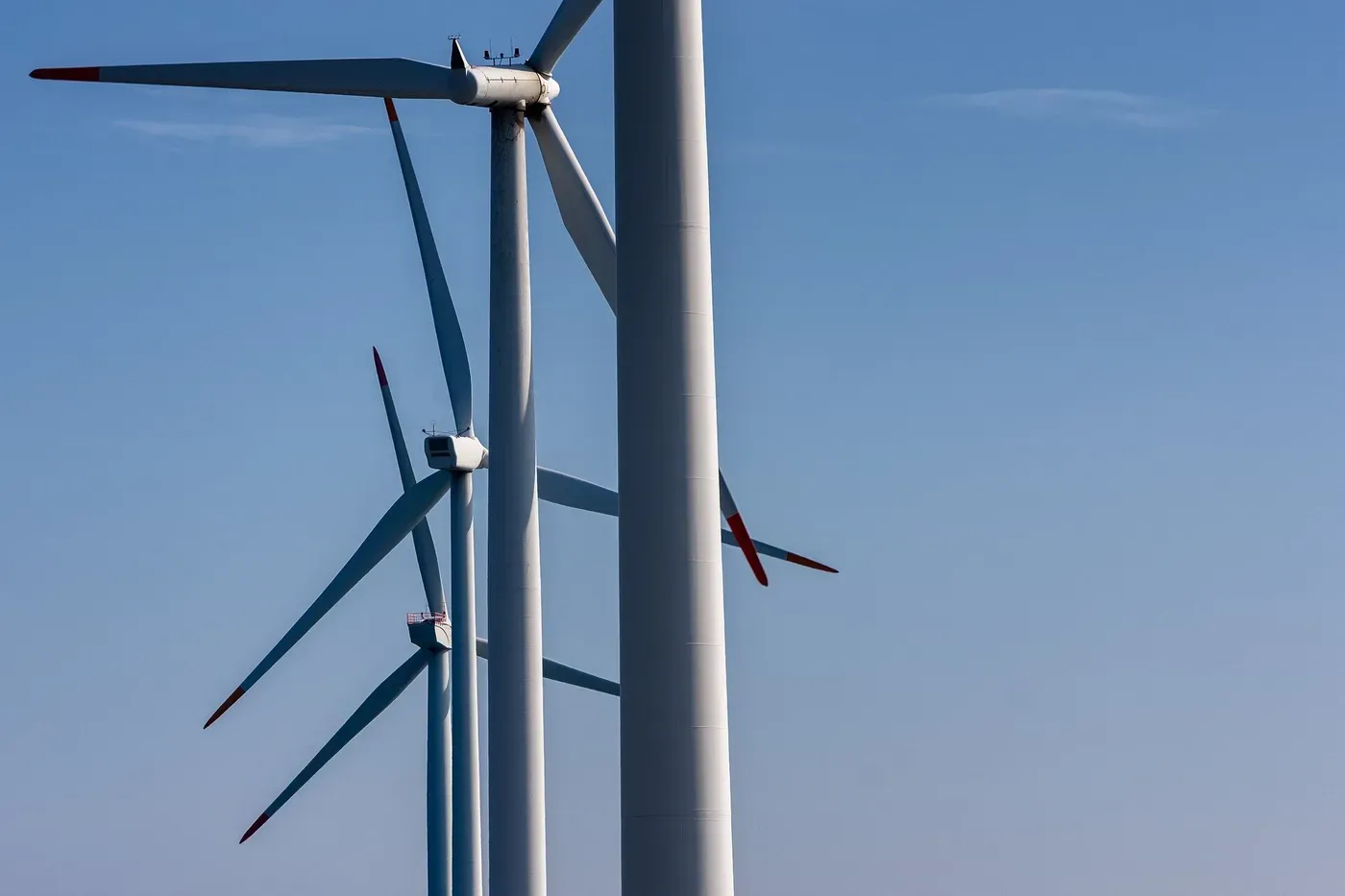
Global carbon emissions from fossil fuels are expected to drop by a modest 0.4% next year, according to new research by the Global Carbon Project. This forecast comes as clean energy sources such as solar and wind power continue to expand rapidly.
The projected decline in fossil fuel emissions is largely attributed to two factors: the growing use of renewable energy and the impact of the ongoing conflict in Iran on global oil supplies. As a result, oil-related emissions are expected to decrease by 1.9% next year. This short-term response to the energy shock triggered by the Iran conflict may offer some temporary relief.
Despite increasing global energy demand, clean energy growth is not yet moving quickly enough to bring about a lasting decline in fossil CO₂ emissions. The majority of the rise in energy consumption is being met by expanding renewable power and electric vehicles, but more needs to be done to accelerate this transition.
The Global Carbon Budget projects that total CO₂ emissions will reach 43.3 billion metric tons next year, up from 42.8 billion metric tons last year. This increase is largely due to a slight rise in emissions from land-use change, such as deforestation.
The carbon budget for limiting warming to 1.5°C above preindustrial levels remains critically low, standing at approximately 150 billion metric tons. This is equivalent to less than four years of emissions at the current rate.
Despite this bleak outlook, CO₂ continues to accumulate rapidly in the atmosphere, exacerbating the dangers associated with climate change. The consequences of this ongoing trend are far-reaching and varied.
Research has also focused on natural "sinks" that absorb CO₂ from land and ocean. According to findings, the land sink has recovered somewhat after a significant weakening during the 2023-24 El Niño weather pattern.
However, the impact of the upcoming 2026 El Niño event is expected to be substantial in the coming year. This extreme climate phenomenon will likely have far-reaching effects on global ecosystems and weather patterns.
The study involved an extensive collaboration between researchers from various institutions worldwide, including the University of Exeter and CICERO Center for International Climate Research.
The projection suggests that fossil CO2 emissions will decrease in 2026 due to the growing adoption of clean energy technologies.
Clean technologies such as solar and wind power are expanding rapidly, particularly in China, where they are leading the charge towards a more sustainable energy mix. This shift is not limited to one region or country, however, as numerous nations around the world are reducing their emissions while simultaneously boosting their economies.
While this trend is promising, researchers caution that a single-year drop in emissions does not necessarily constitute a peak unless it is driven by fundamental changes in the way energy is generated and consumed. The accelerated deployment of solar, wind power, batteries, and electric vehicles is indeed driving down emissions in many countries and slowing growth in others.
However, experts agree that more needs to be done to address the issue of CO2 removal, particularly as afforestation and reforestation efforts are currently being offset by deforestation-driven emissions. Novel carbon removal methods remain limited, underscoring the need for comprehensive action on all fronts to achieve greenhouse gas neutrality.
The 2026 Global Carbon Budget projects a decrease in fossil CO₂ emissions due to growing clean energy production and the conflict in Iran.
This trend is attributed to increased investment in renewable energy sources, which have become more cost-competitive with fossil fuels. The budget also highlights the impact of ongoing conflicts on global energy markets, including the Iran nuclear deal's disruptions to oil exports.
Facts based on reporting originally published by Phys.org.
You may republish this story, in full or in part, if you credit News Central Site and link to it (licence CC BY 4.0). Photos are not included.