Science
Groundbreaking Discovery Made About C. elegans Brains
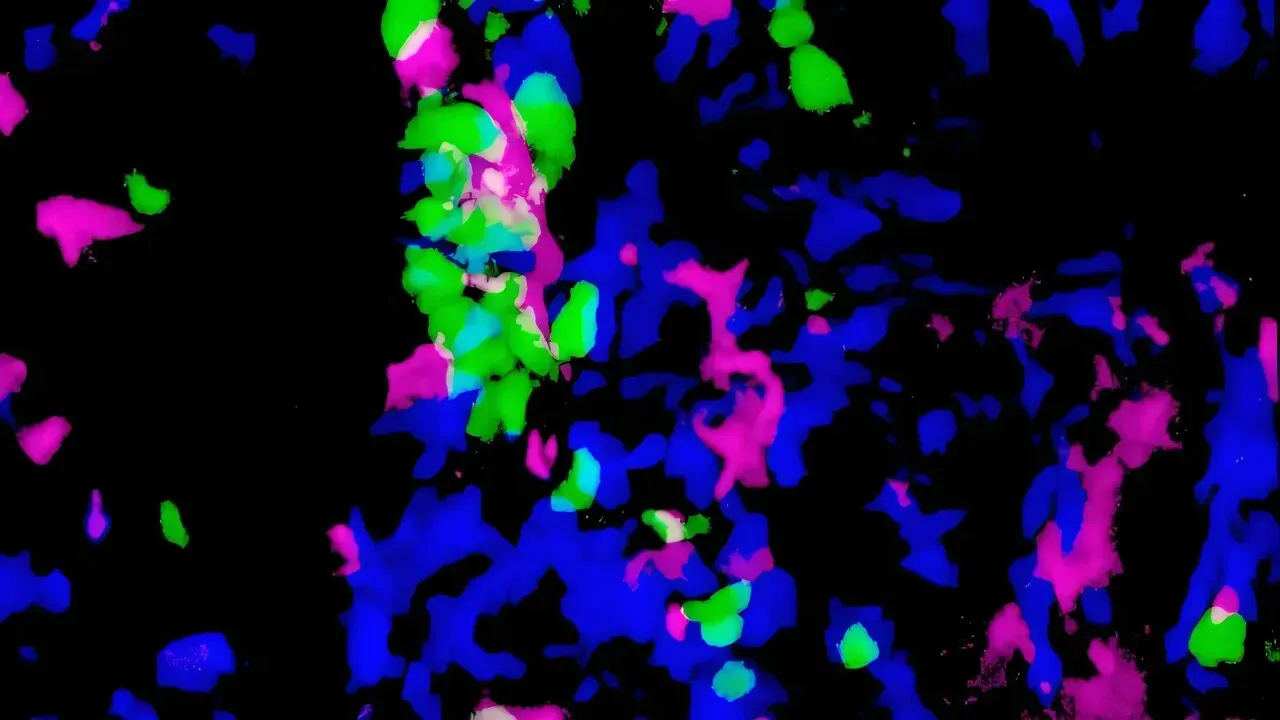
Researchers at Northeastern University have made a groundbreaking discovery about the brains of tiny roundworms known as Caenorhabditis elegans, also studied by biophysicists.
Researchers at Northeastern University have made a groundbreaking discovery about the brains of tiny roundworms known as Caenorhabditis elegans, also studied by biophysicists.
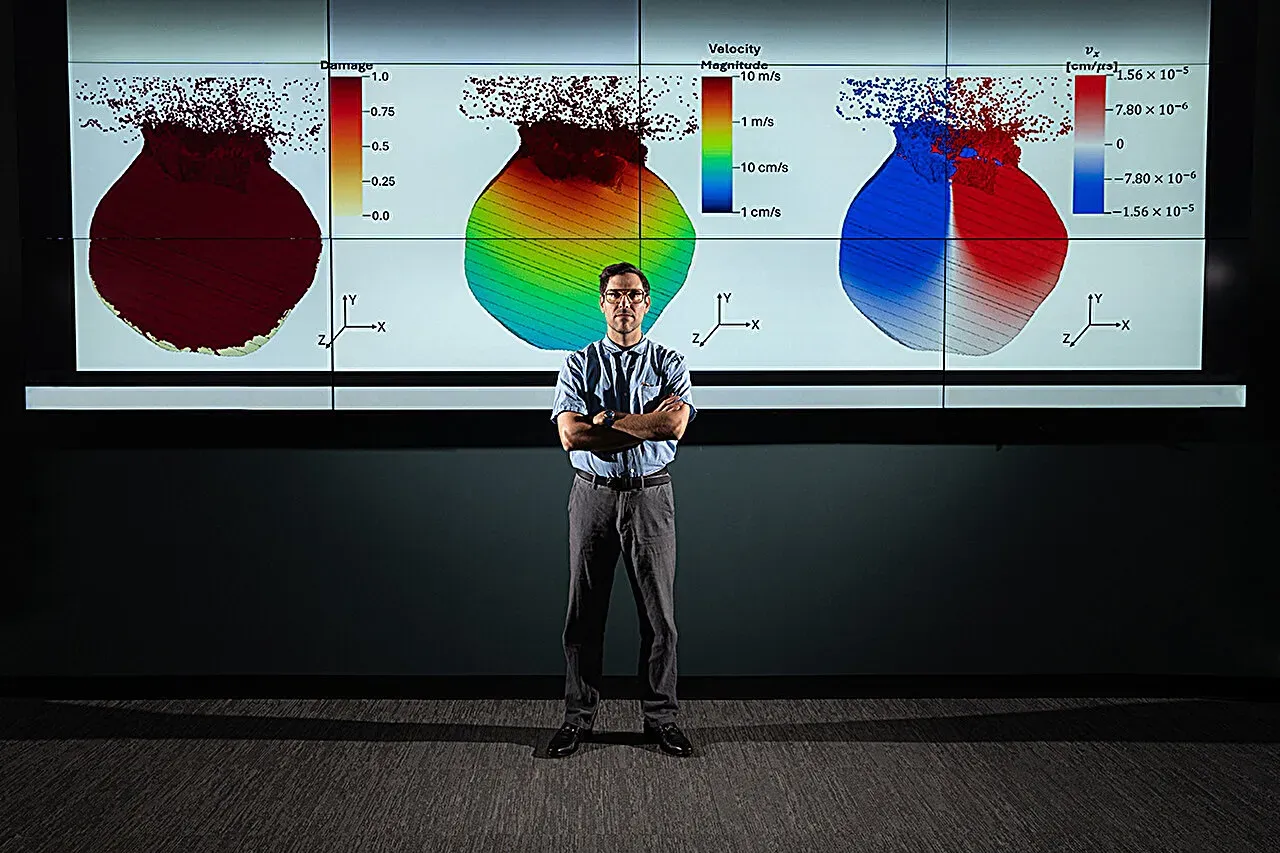
Researchers at Lawrence Livermore National Laboratory are developing advanced simulations using the Spheral code to study the effectiveness of using nuclear devices to deflect or disrupt potentially hazardous asteroids.
A recent study presented at the Anesthesiology conference in San Diego has shown that wearing noise-cancelling headphones during surgery can significantly reduce the likelihood of nausea and vomiting after the procedure.
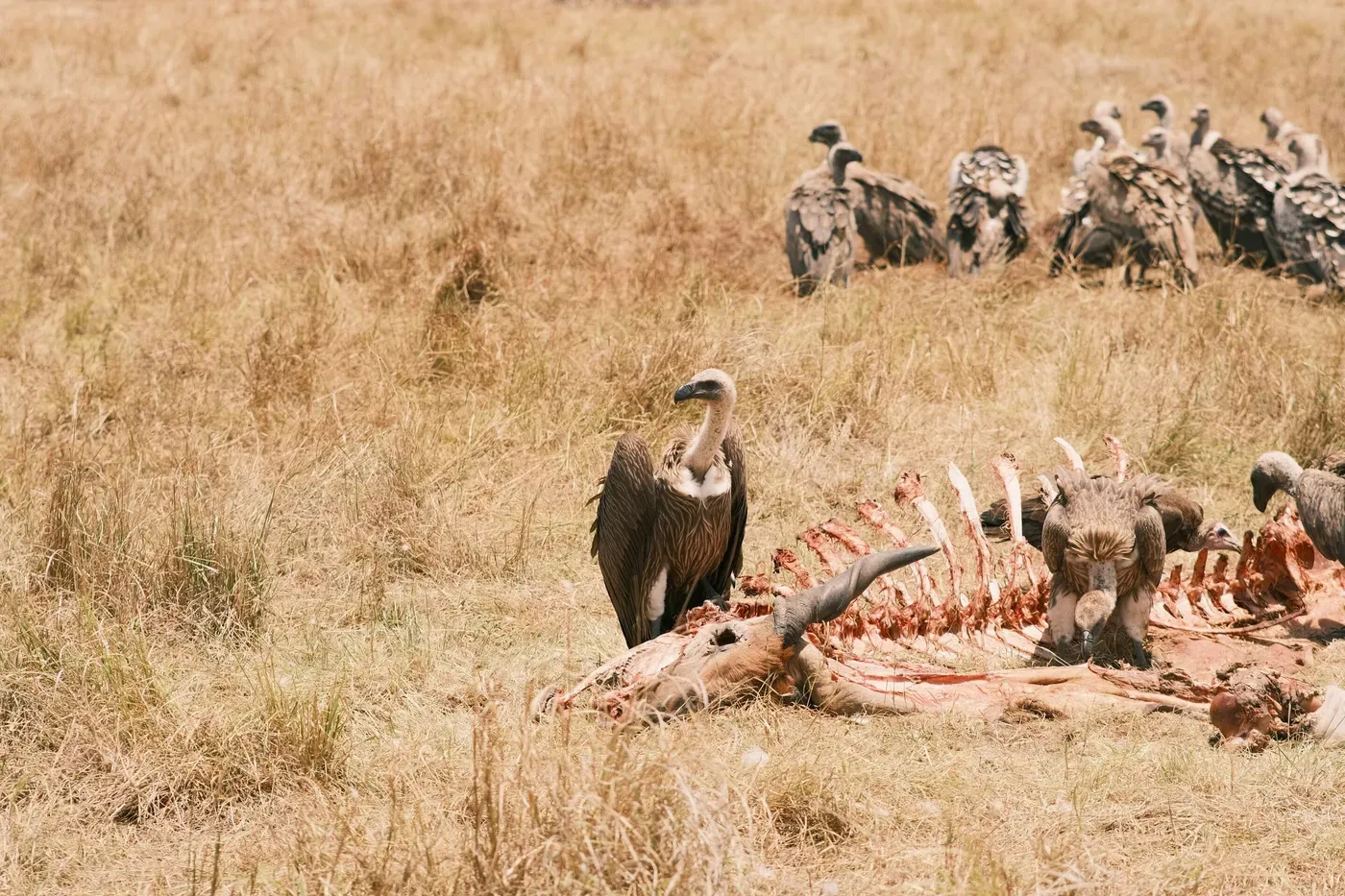
A new study suggests that scavengers in Australia do not simply devour everything in sight and then disappear, but instead approach a carcass like a buffet, carefully selecting which parts to eat first.
Researchers use extreme event impact attribution (EEIA) to estimate climate-related damage, but different approaches yield varying results.
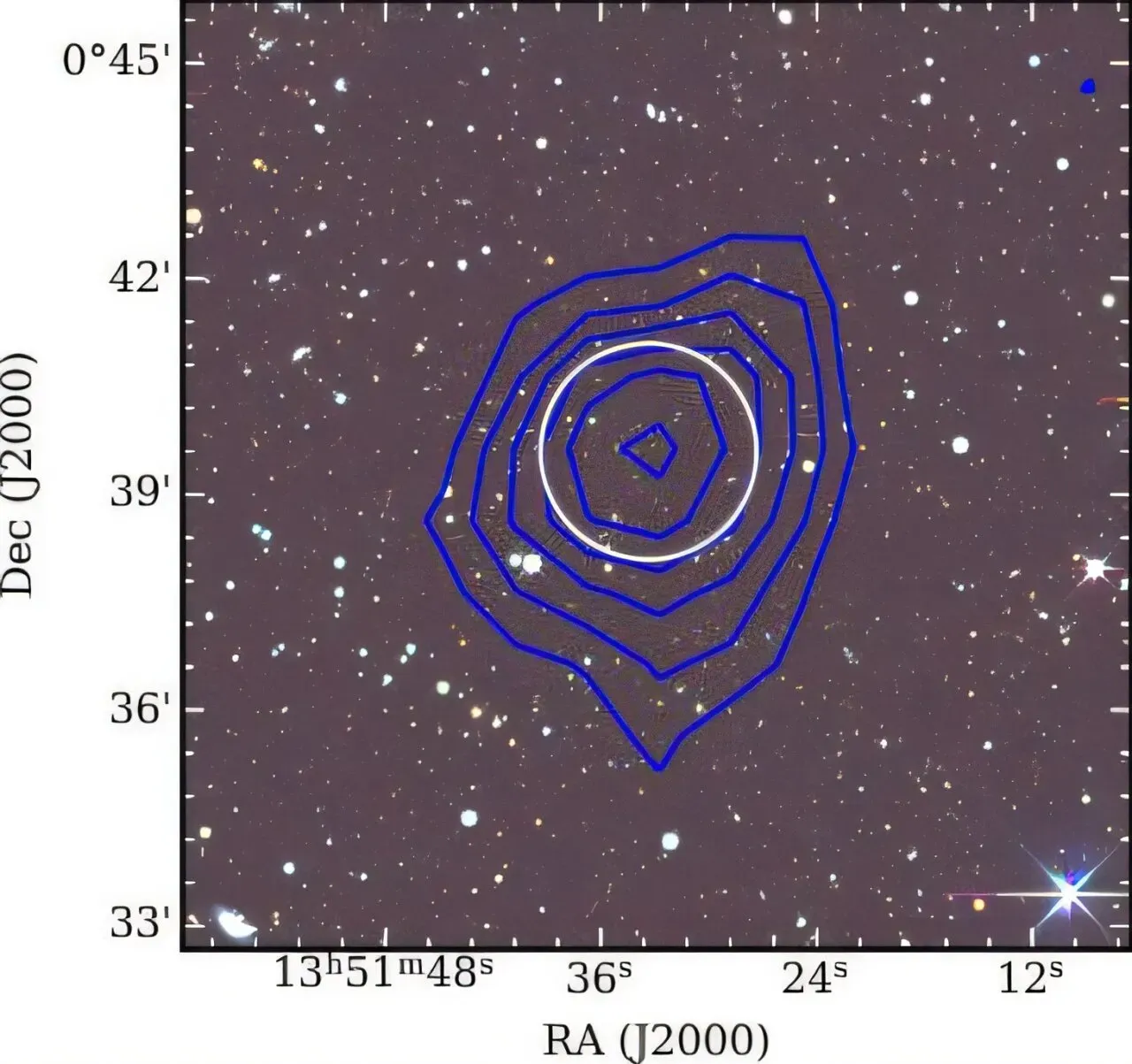
Astronomers have made a groundbreaking discovery using China's FAST radio telescope, detecting a compact cloud of hydrogen without any visible stars or galaxy surrounding it.
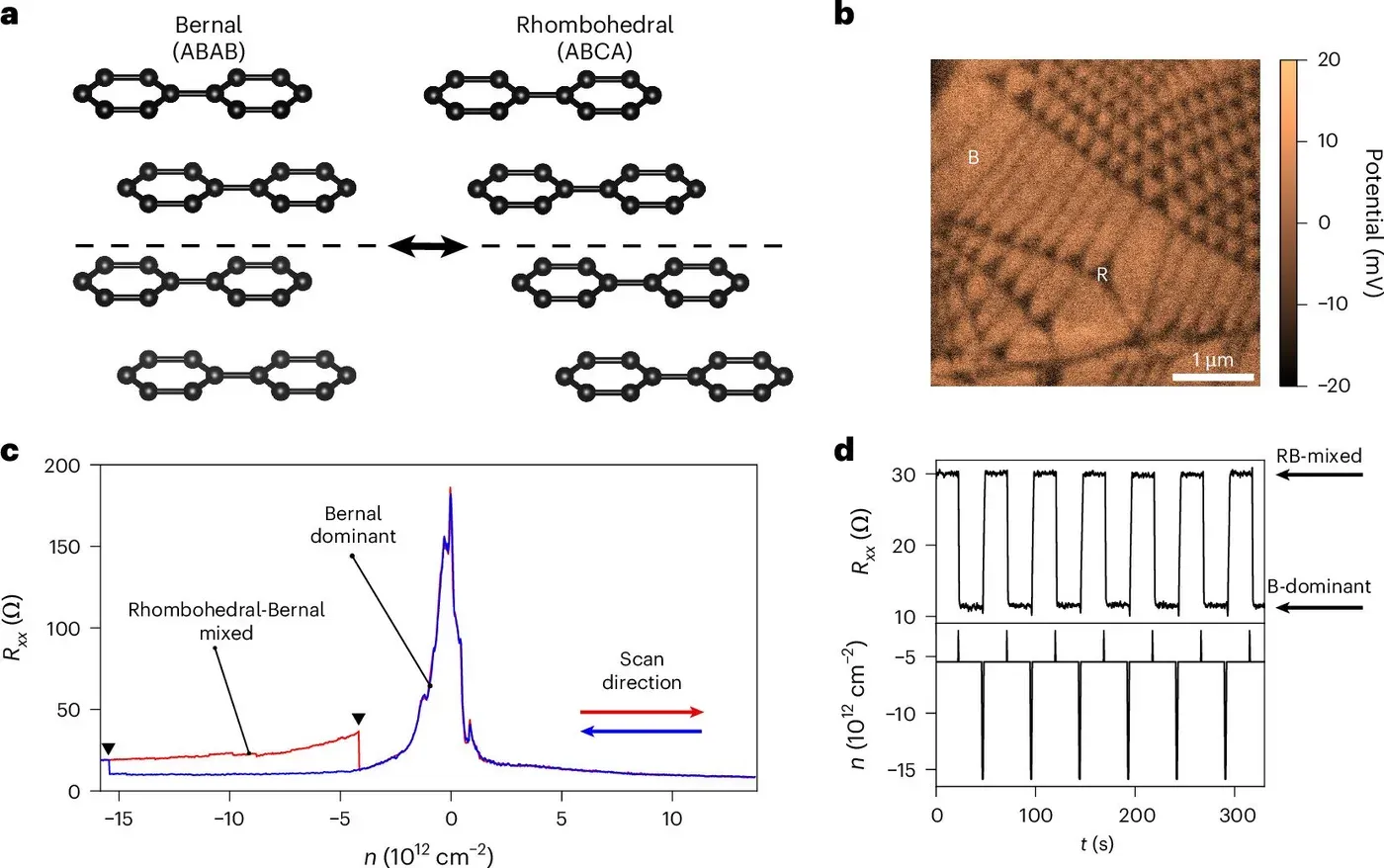
Researchers at Cornell University have successfully switched ultrathin graphene between distinct magnetic states using an electric current.
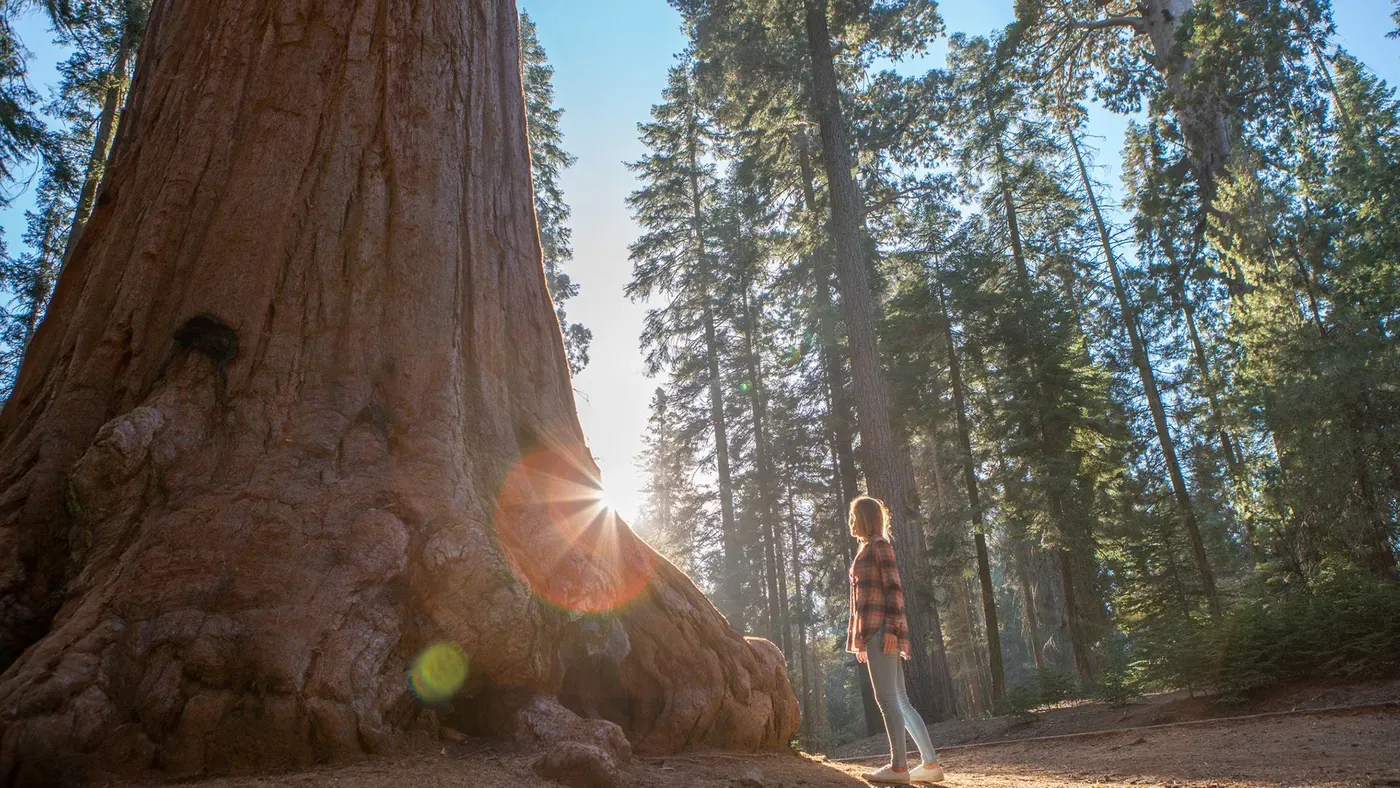
California's redwoods struggle with high temperatures when they soar above 100 degrees Fahrenheit, slowing down photosynthesis and threatening their survival.
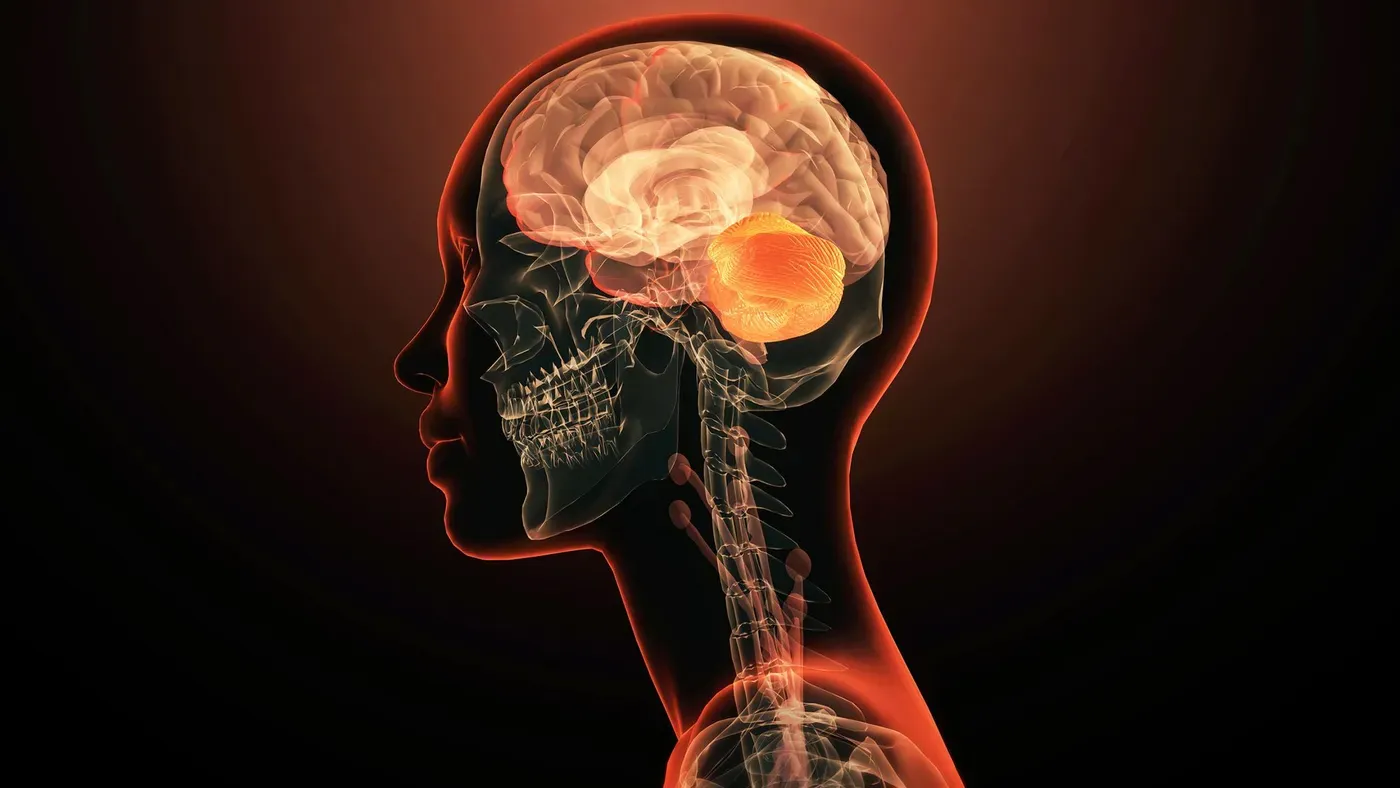
This finding challenges our understanding of how the brain forms, particularly with regards to the development of the forebrain, midbrain, and hindbrain.
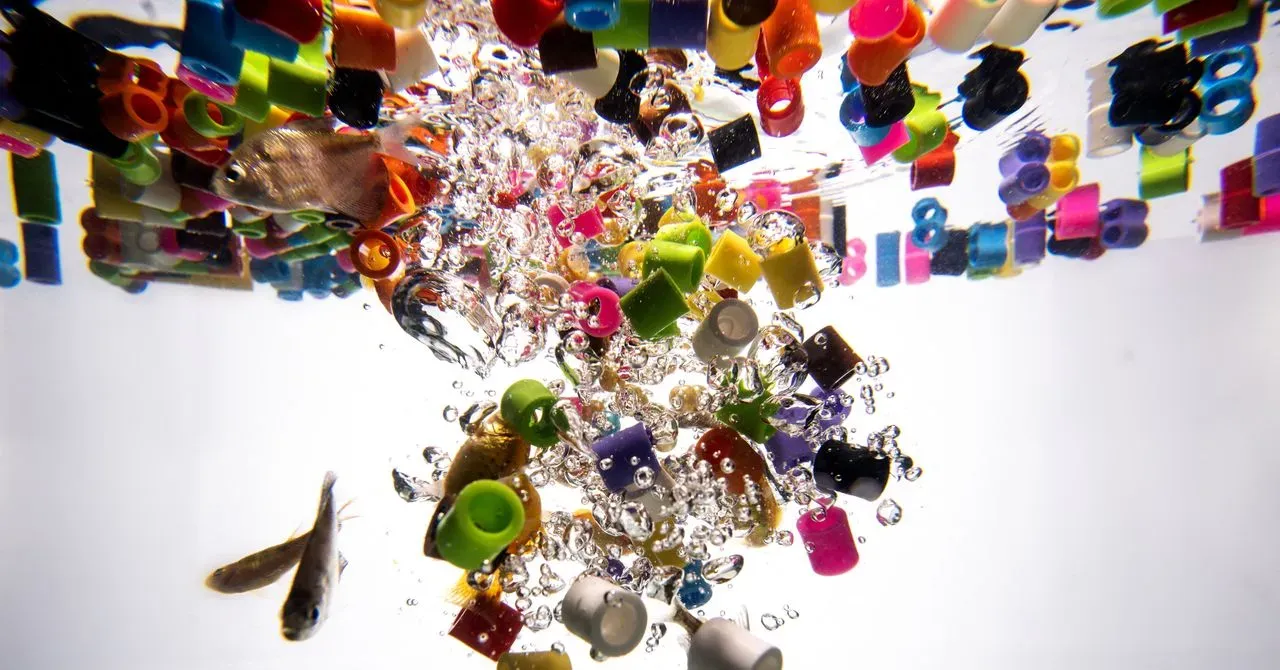
A new study challenges the assumption that microplastics are inert particles by revealing they become chemically active when exposed to water.
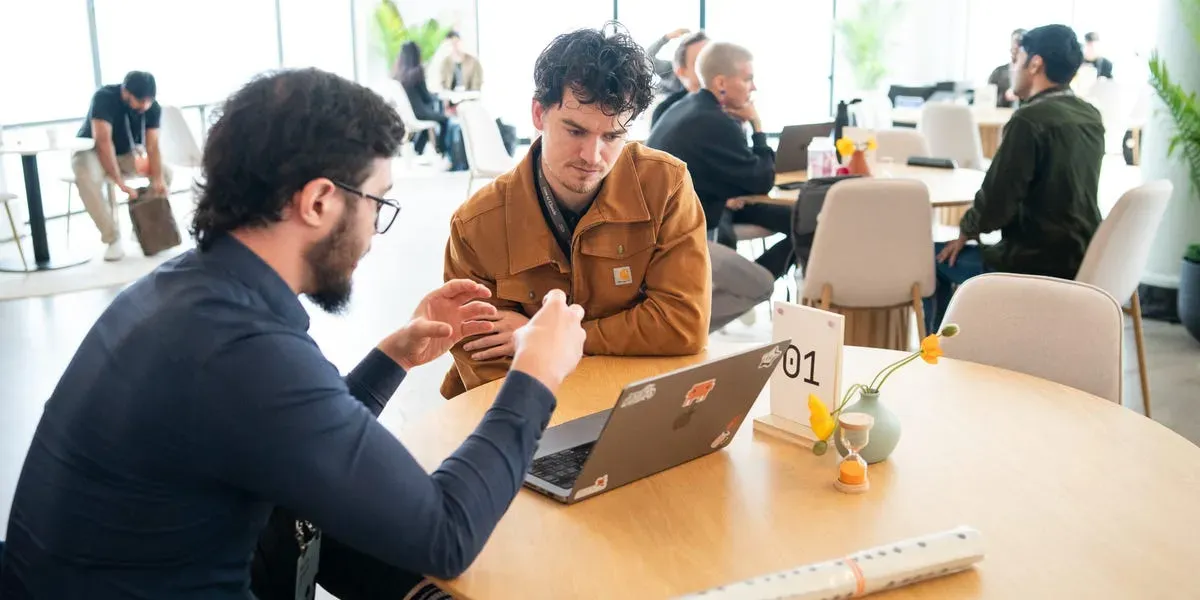
A study by Anthropic found a significant "AI expectations gap" between US adults and the company's employees, with 95% of Anthropic staff expecting AI to take over most of their work.
A Washington man has filed a lawsuit against OpenAI, alleging that its popular ChatGPT model contributed to his mental health crisis last year.
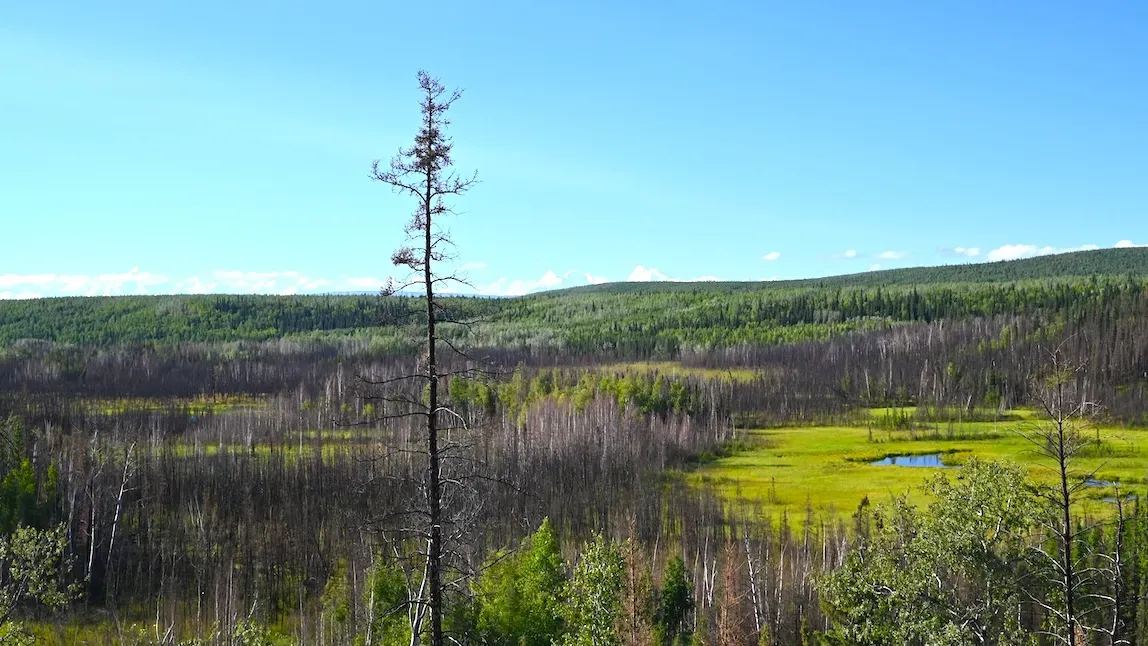
A 13,800-year-old archaeological site in interior Alaska has yielded a treasure trove of artifacts and fossils.
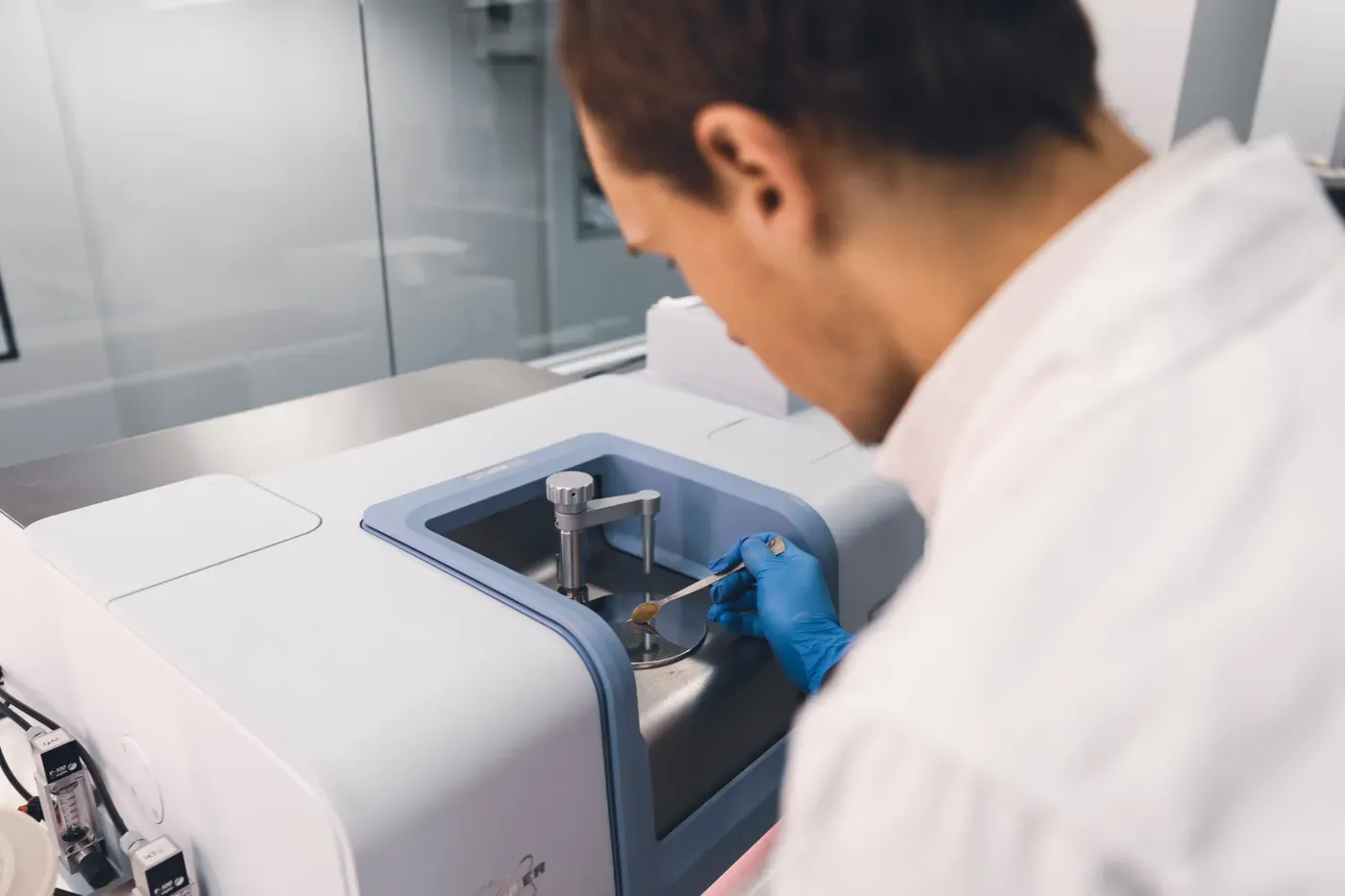
A new classification system has been developed to categorize Martian soils into different types based on their properties.
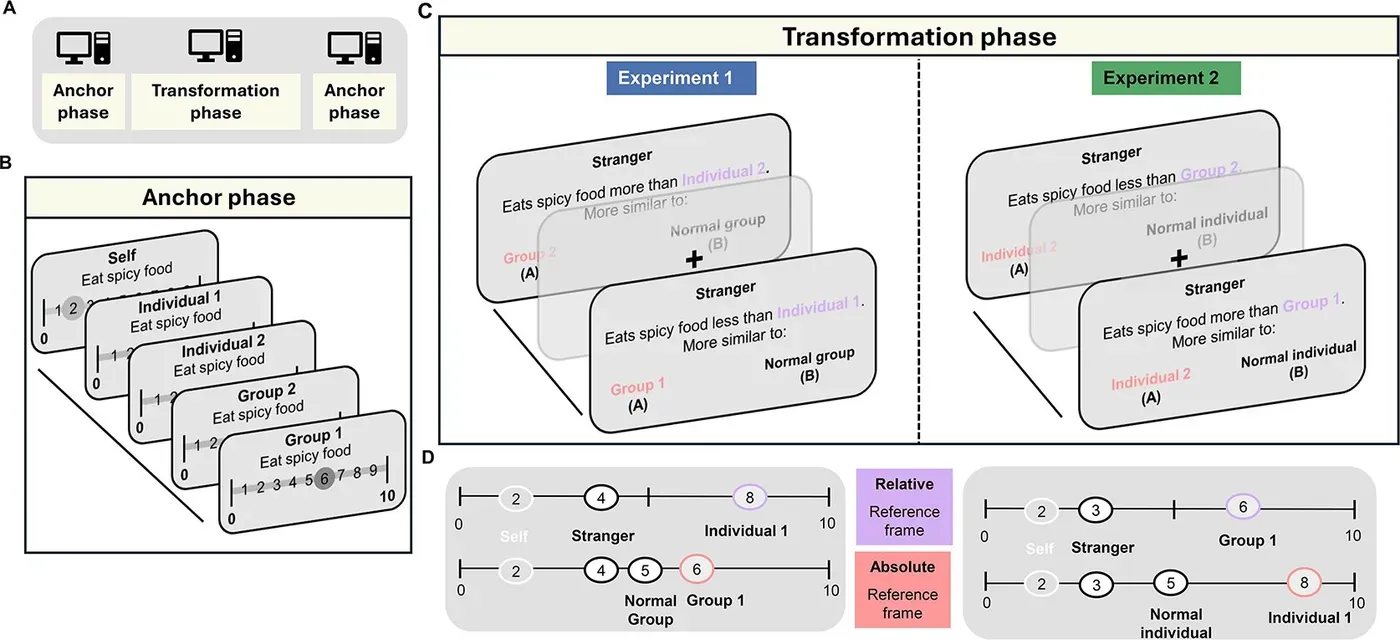
Researchers have found that people tend to use their own thoughts and feelings as a starting point to understand others' preferences, even when comparing groups.
A new study has shed light on how supercooled clouds over the world's highest mountain ranges respond to climate change by analyzing long-term changes in cloud phases.
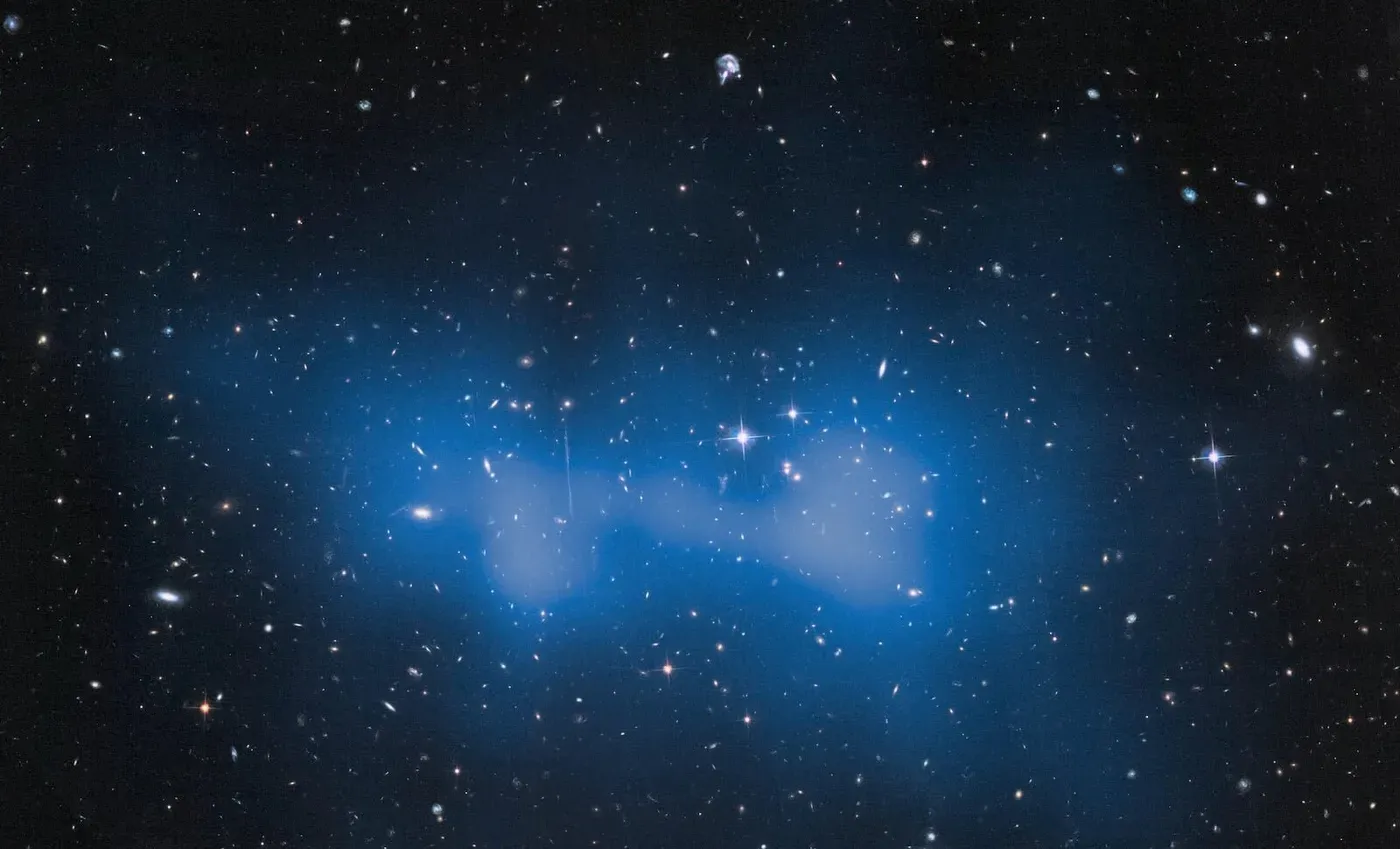
A massive galaxy cluster has been discovered at a staggering distance from Earth, sparking intrigue among astronomers about its formation.
Researchers have discovered that immune cells can play opposing roles in tissue regeneration, with some attacking bone-making cells necessary for rebuilding damaged tissue.
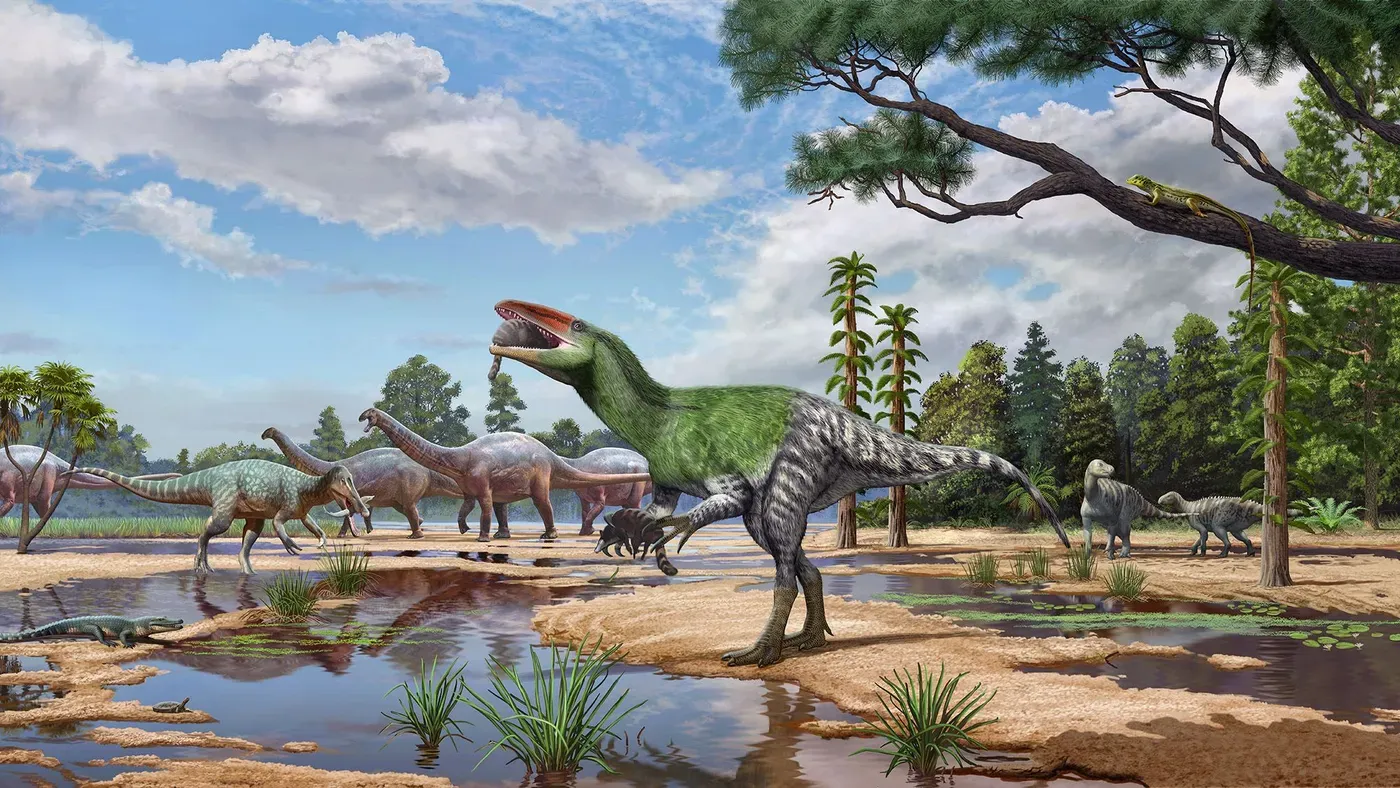
A previously unknown species of dinosaur has been identified from a fossil discovered on the Isle of Wight, England.
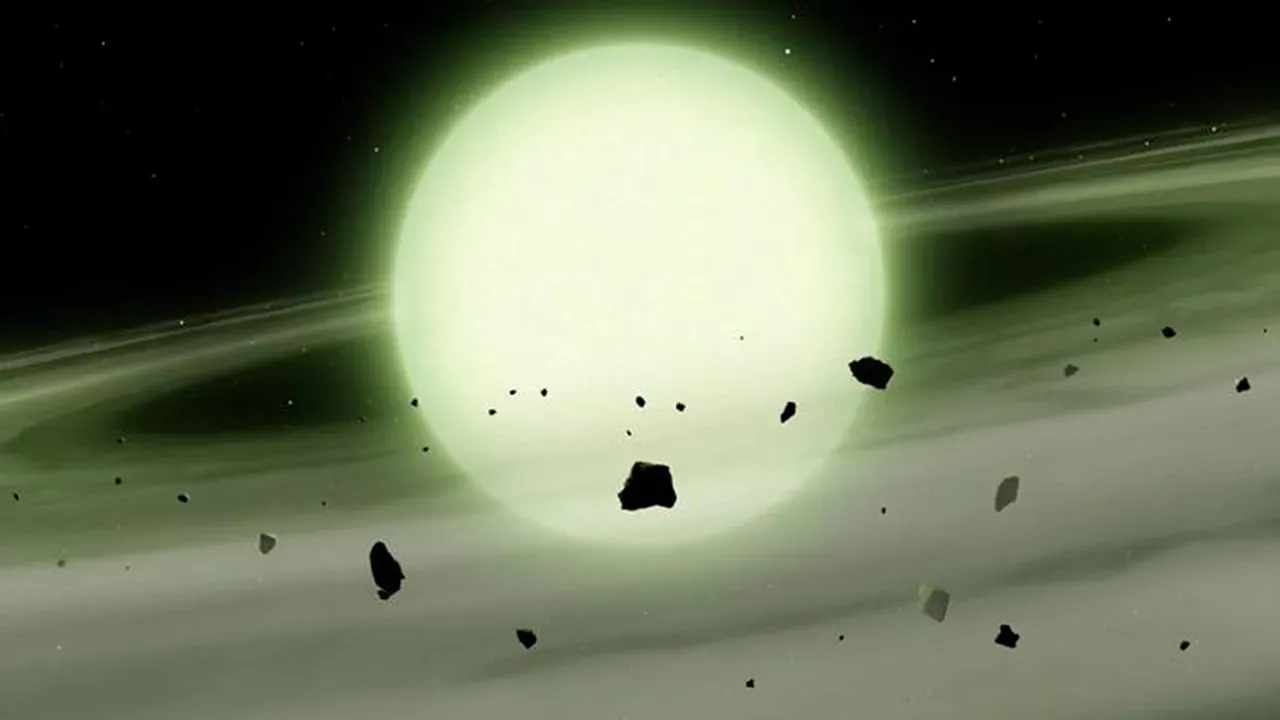
A team of astronomers has made a groundbreaking discovery in the field of astrophysics, uncovering the first-ever known green star and the reddest "white dwarf ever seen.