Flood Warning Communication Crucial in Emergency Situations
Researchers at the University of Vermont conducted a study on how people respond to flood warnings under pressure, highlighting the importance of effective communication.
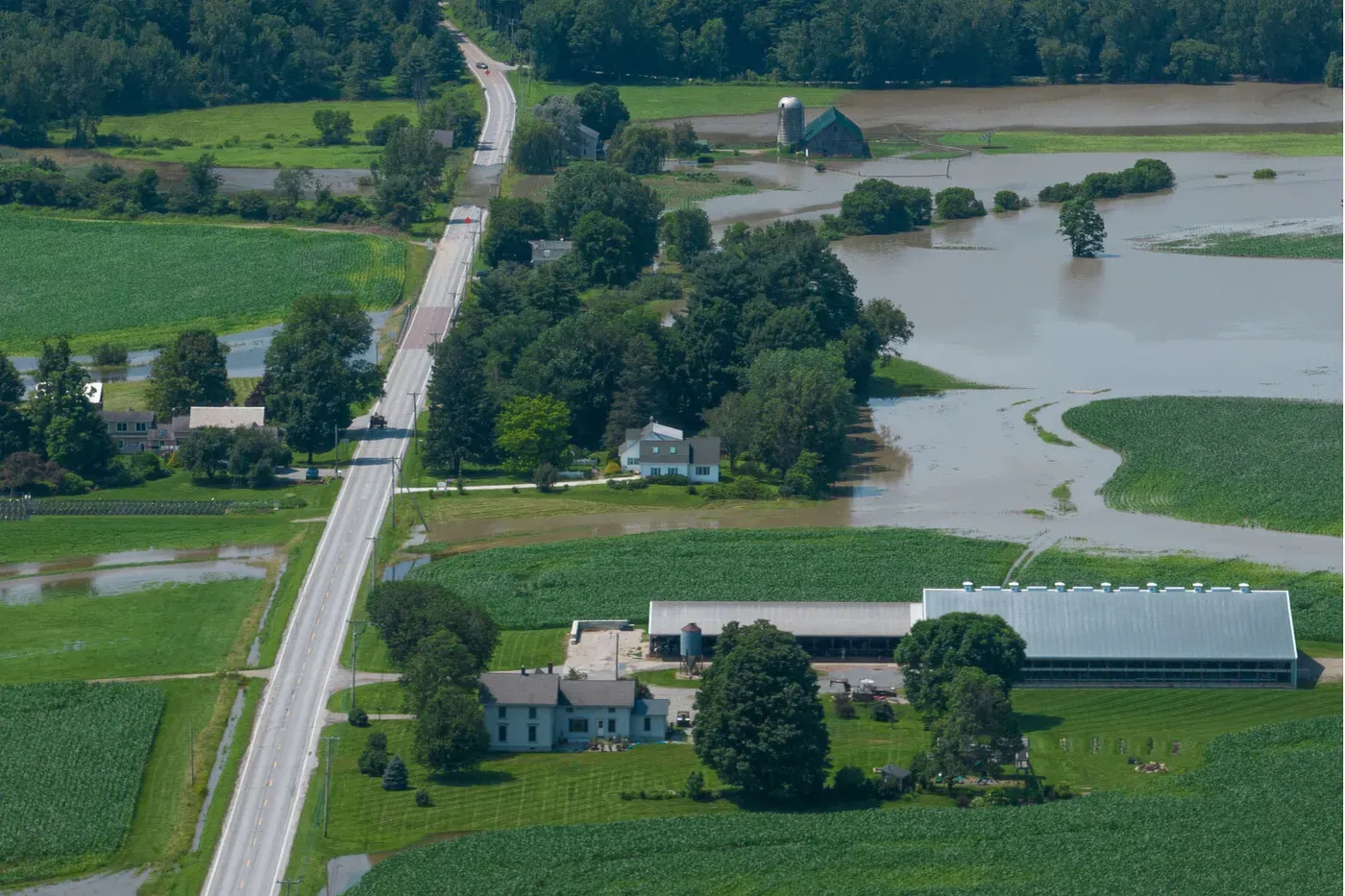
Floods are becoming increasingly frequent and severe worldwide, making timely response to warning messages crucial for saving lives.
Researchers at the University of Vermont have conducted an innovative study on how people respond to flood warnings under pressure, highlighting the importance of effective communication in emergency situations.
Previous studies on flood hazard communication have primarily focused on whether warning messages can be understood. However, understanding alone is not enough during emergencies; people must also process information quickly and take protective action promptly.
The findings of this new study suggest that the way flood hazard information is presented can significantly impact both response accuracy and speed, with implications for emergency management and crisis communication strategies.
The study's results have significant implications for improving public safety in the face of natural disasters, where even a few minutes of delay can make a critical difference between life and death.
The study designed a virtual scenario where participants received flood hazard messages through mobile phone alerts and had to decide whether to evacuate or prepare at home. This interactive approach allowed researchers to analyze responses from 746 participants in a controlled environment.
Warning messages that included visual information about flood inundation areas yielded the best results, with faster and more accurate decision-making compared to traditional text warnings and infographic formats. The inclusion of maps enabled participants to quickly understand where flooding was expected, facilitating their response.
The data showed that participants who received flood inundation map messages made decisions in an average of 6.69 seconds and achieved a response accuracy rate of 77.8%. In contrast, those shown a commonly used flood warning infographic responded more slowly, averaging 8.58 seconds, and were only correct about half the time.
The study's findings have significant implications for improving public safety during natural disasters, where even brief delays can be critical. The use of interactive tools like serious games allows researchers to create realistic decision-making conditions that capture instinctive reactions rather than relying on surveys or self-reported intentions.
Researchers used a serious game methodology to simulate real-world flood scenarios and test participants' responses under pressure. This approach enabled them to measure decisions driven by instinct, which would be difficult to obtain in calm conditions.
The study highlights the value of innovative research methods for public safety improvements. By using interactive tools and creating realistic decision-making conditions, researchers can better understand how people respond to emergency situations and develop more effective warning systems.
The study's findings have significant implications for emergency management, as they highlight the importance of designing flood-warning messages that not only convey critical information but also facilitate quick decision-making.
Researchers note that current methods of evaluating hazard communications often focus solely on comprehension, neglecting the crucial aspect of response time. This oversight can lead to ineffective warning systems, where people understand the message but fail to act in a timely manner due to cognitive overload or lack of clear instructions.
The study's emphasis on measuring both accuracy and response time marks a shift towards evaluating flood hazard communication as a behavioral outcome rather than just a communications outcome. By taking this more nuanced approach, researchers can better understand what works and what doesn't when it comes to translating warnings into action during emergencies.
As new technologies for flood forecasting and mapping are being implemented across the United States, these findings offer valuable insights for emergency managers, communicators, and forecasters seeking to improve public response to flood warnings.
The study found that flood hazard communications embedded with inundation maps resulted in faster and more accurate response times compared to traditional warnings. In particular, participants who received map-based messages were able to identify evacuation zones and take necessary precautions more quickly.
These findings suggest that the inclusion of visual aids like flood inundation maps can significantly enhance public understanding and response during emergency situations. By providing clear and concise information about potential flood risks, authorities may be able to minimize damage and casualties.
Facts based on reporting originally published by Phys.org.
You may republish this story, in full or in part, if you credit News Central Site and link to it (licence CC BY 4.0). Photos are not included.