Science
Arctic Winter Sea Ice Loss May Be Underestimated by 1 Million Square Kilometers
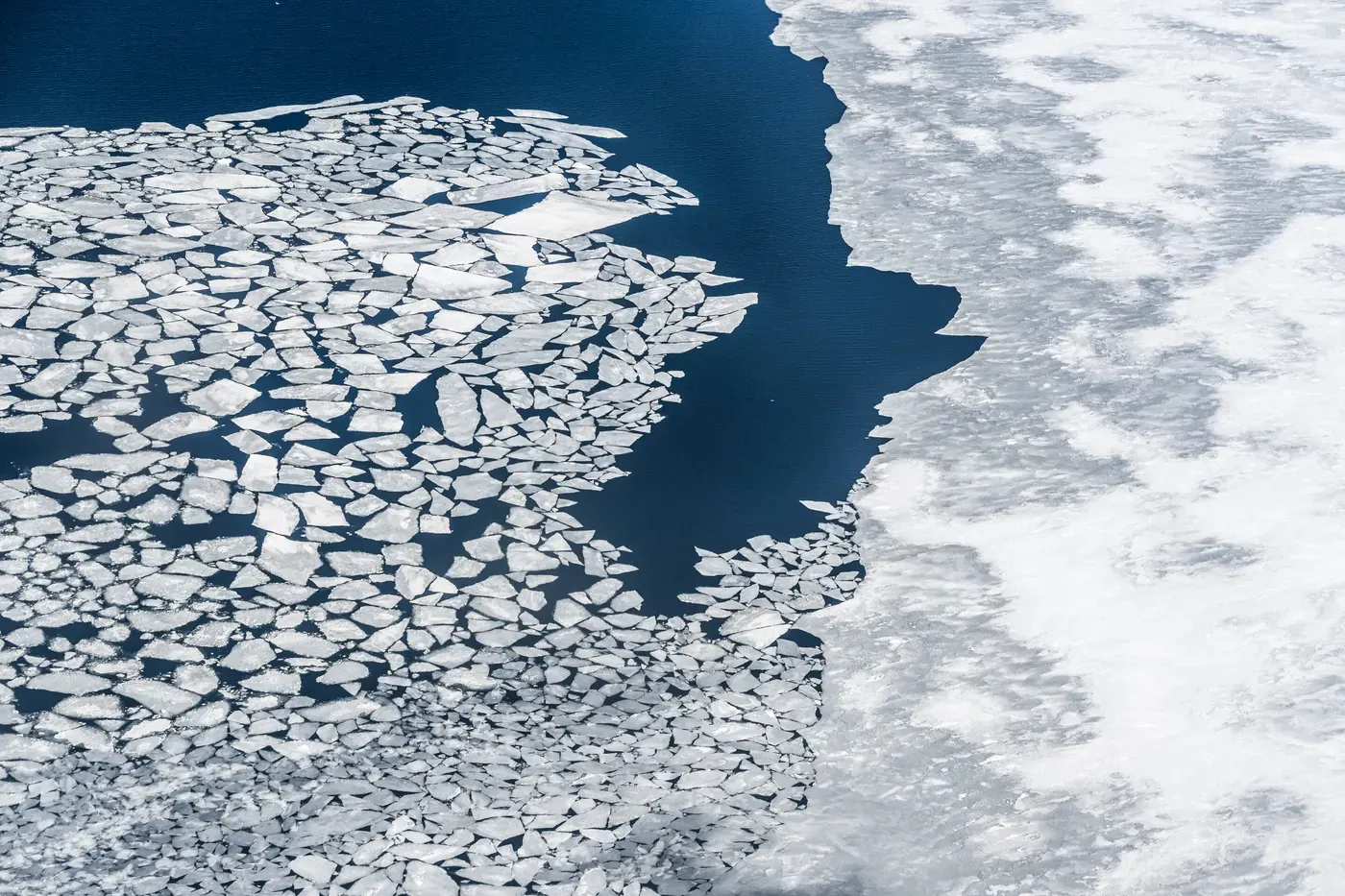
A new study suggests that climate models may be underestimating the loss of winter sea ice in the Arctic by as much as 1 million square kilometers.
A new study suggests that climate models may be underestimating the loss of winter sea ice in the Arctic by as much as 1 million square kilometers.
Research suggests that mental attitudes may play a significant role in fighting off illnesses.
A new study has found that individuals may experience changes in how they process and integrate information under pressure.
A study on Kenya's county governments found that highlighting the role of private organizations in developing public service platforms can decrease trust in local government.
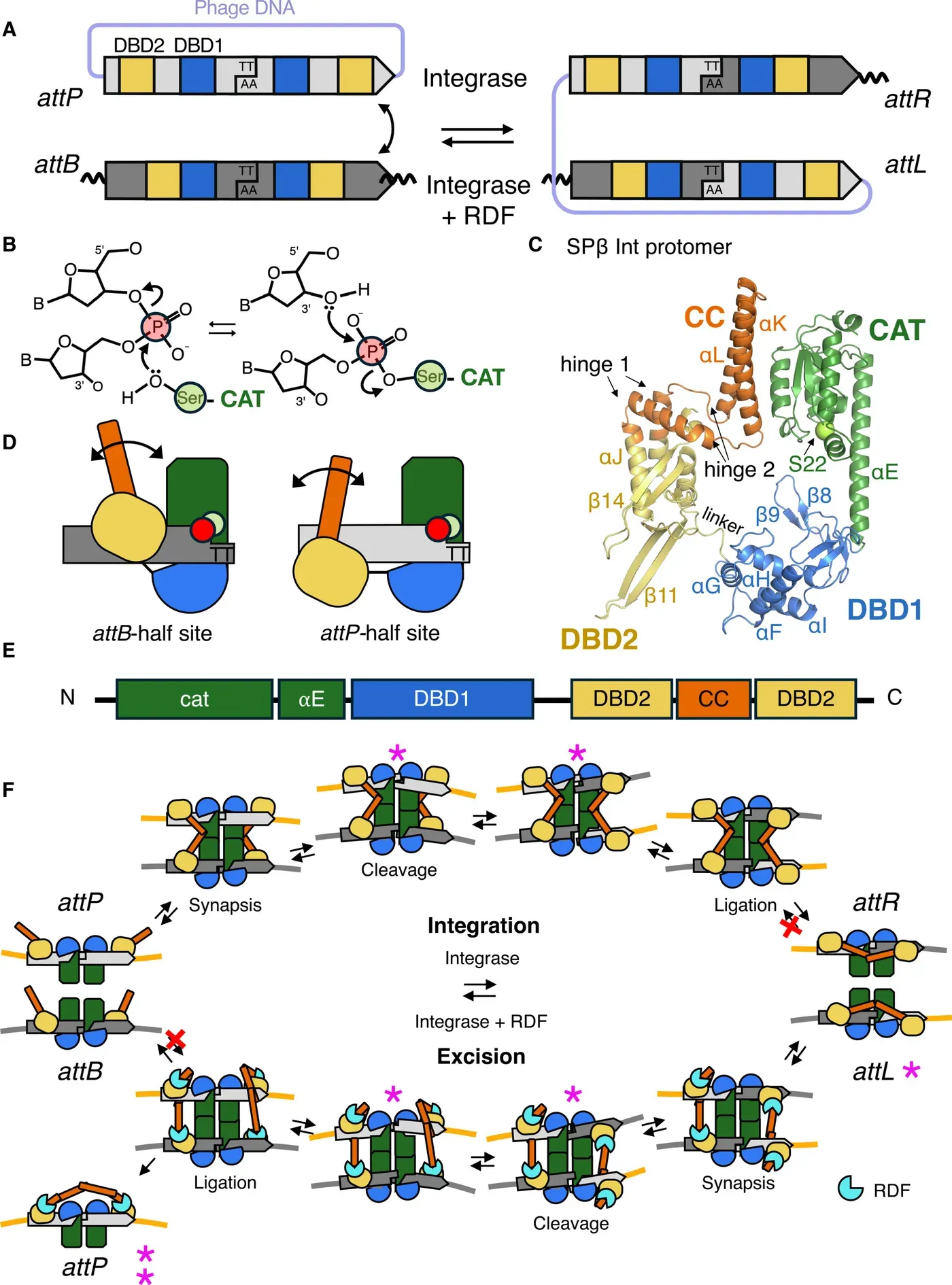
Researchers at the University of Chicago have made significant strides in understanding how bacteriophages manipulate their host's genetic material to reproduce, using specialized enzymes called deoxyribonuclease (DNase) and large serine integrases.
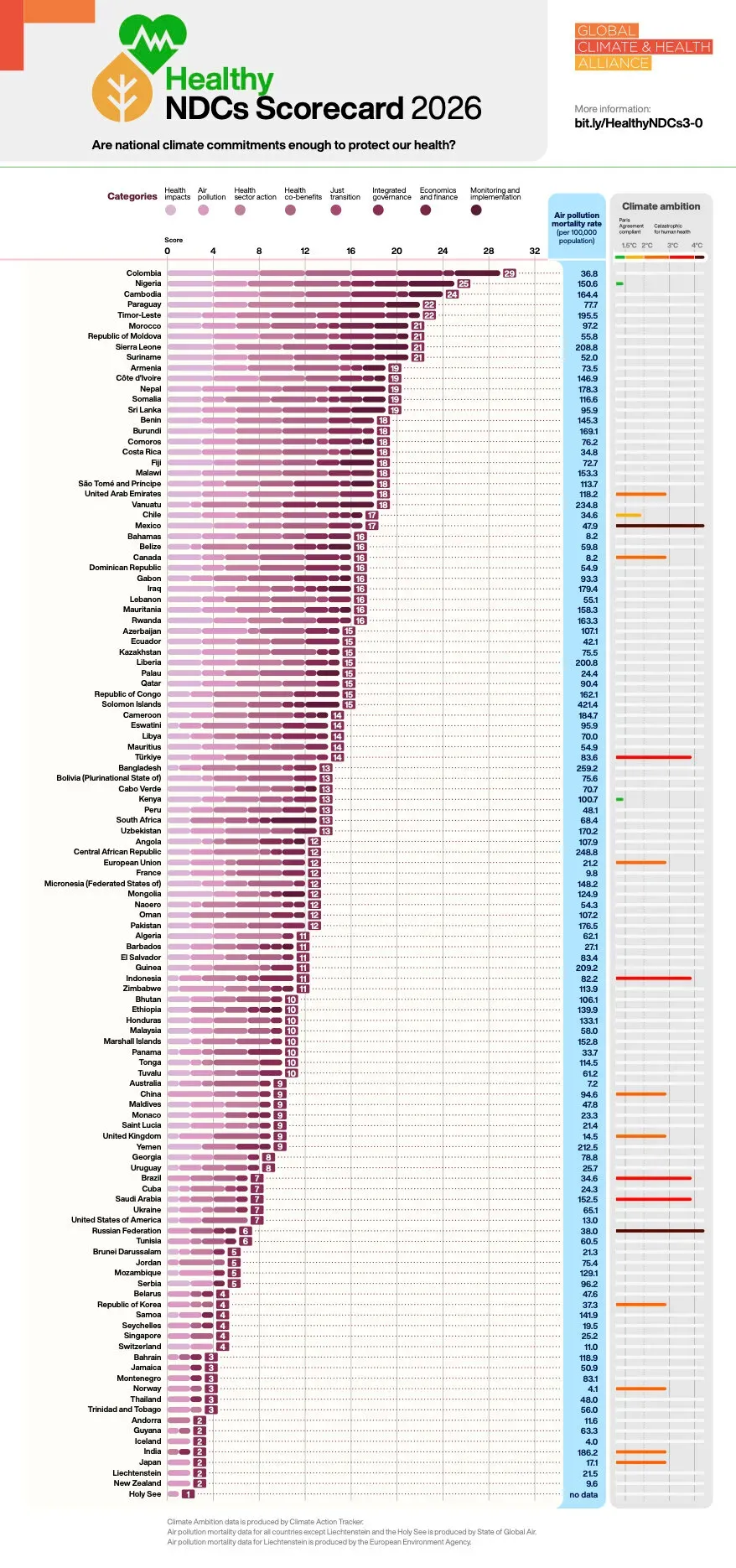
Colombia has been recognized by the Global Climate and Health Alliance for its efforts to consider the impact of climate change on public health in its policies.
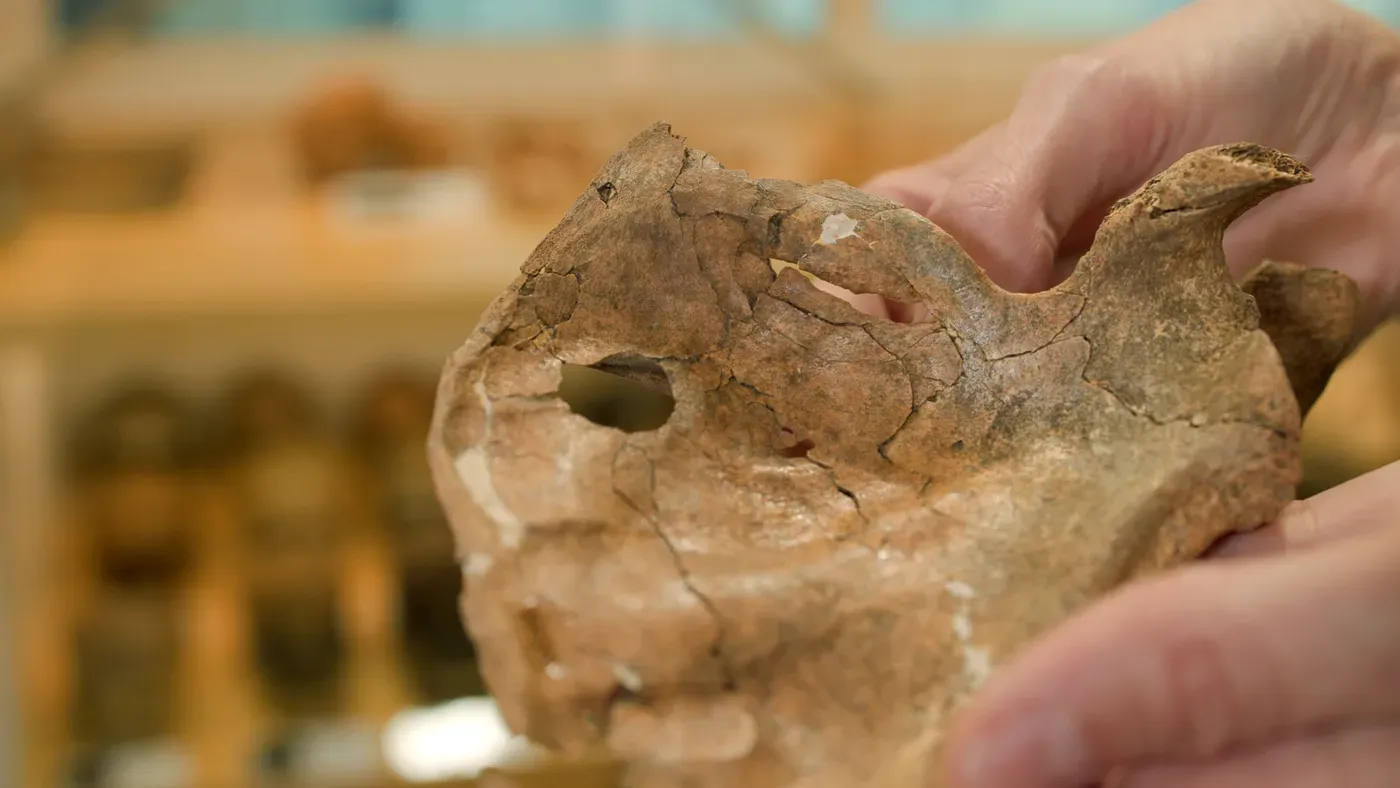
A 75,000-year-old Neanderthal found in Shanidar Cave in Iraq was killed by a precise and forceful wound inflicted with a wooden spear.
A recent study has found that scientists are not necessarily viewed as more credible than businesspeople or advocates when discussing certain issues.
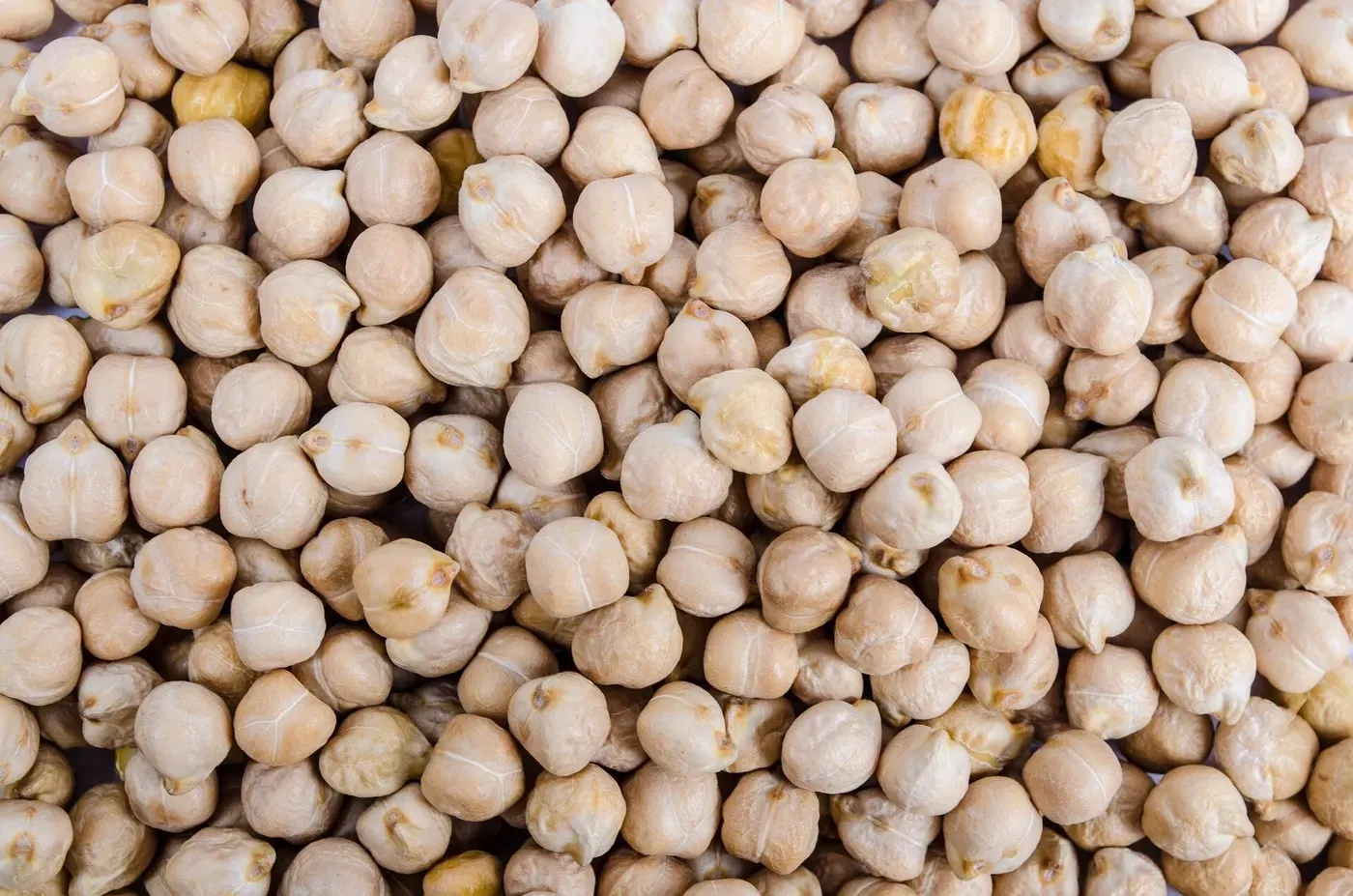
Researchers from a University of Queensland study have announced a breakthrough in plant breeding that aims to accelerate the development of heat-adapted chickpeas using cutting-edge technologies.
A recent study at Flinders University found that gay men who use multiple types of dating apps experience lower levels of anxiety compared to those using a single type of app.
Researchers at the University of Göttingen have found that beech seedlings with an initial height advantage are more likely to survive over a 25-year period.
A recent climate analysis reveals that 6% of worldwide production comes from these countries, mostly in Africa.
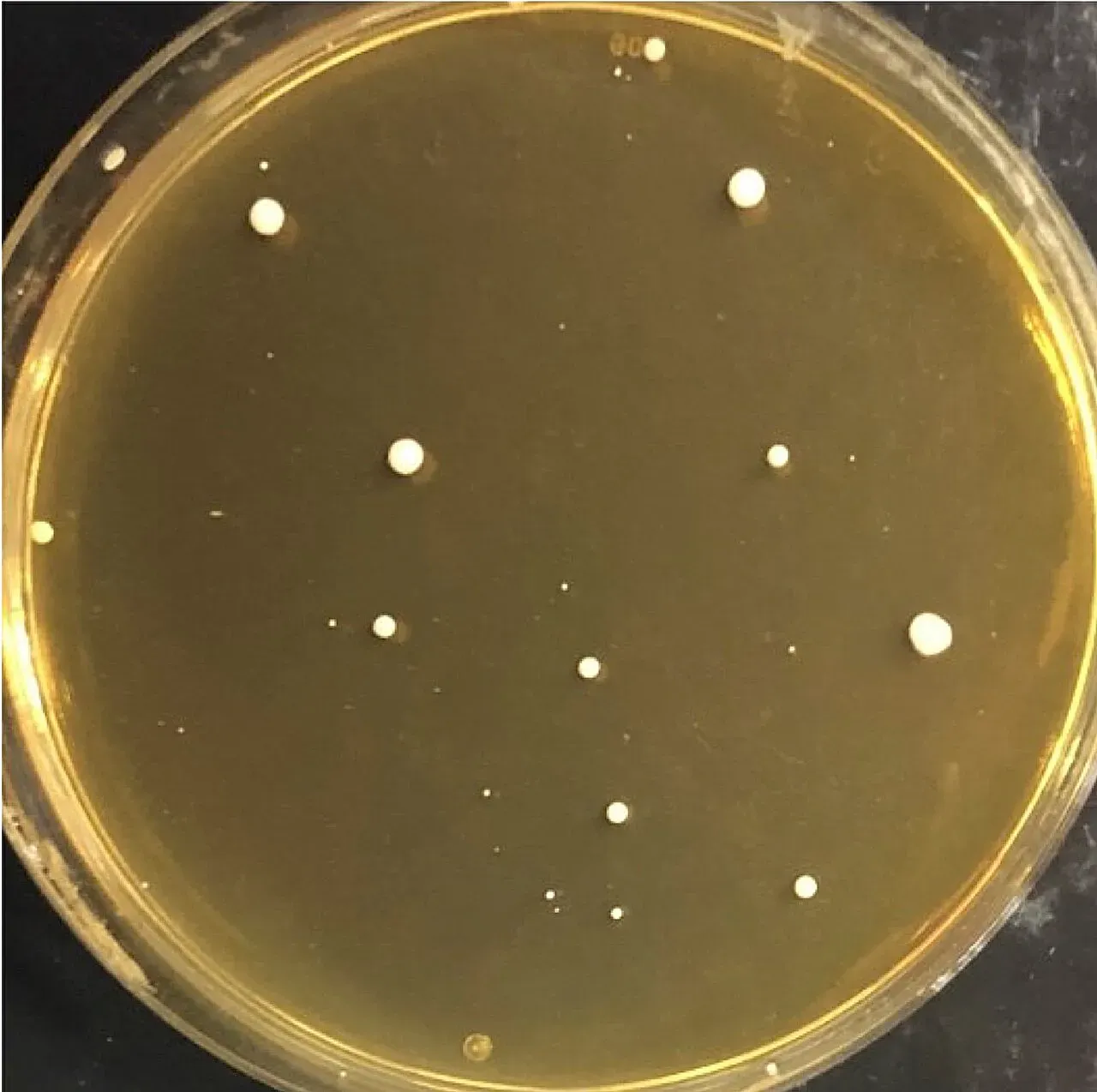
Researchers from the University of Exeter and City St George's, University of London, have discovered that Candida auris creates multiple versions of its genome in response to antifungal drugs.
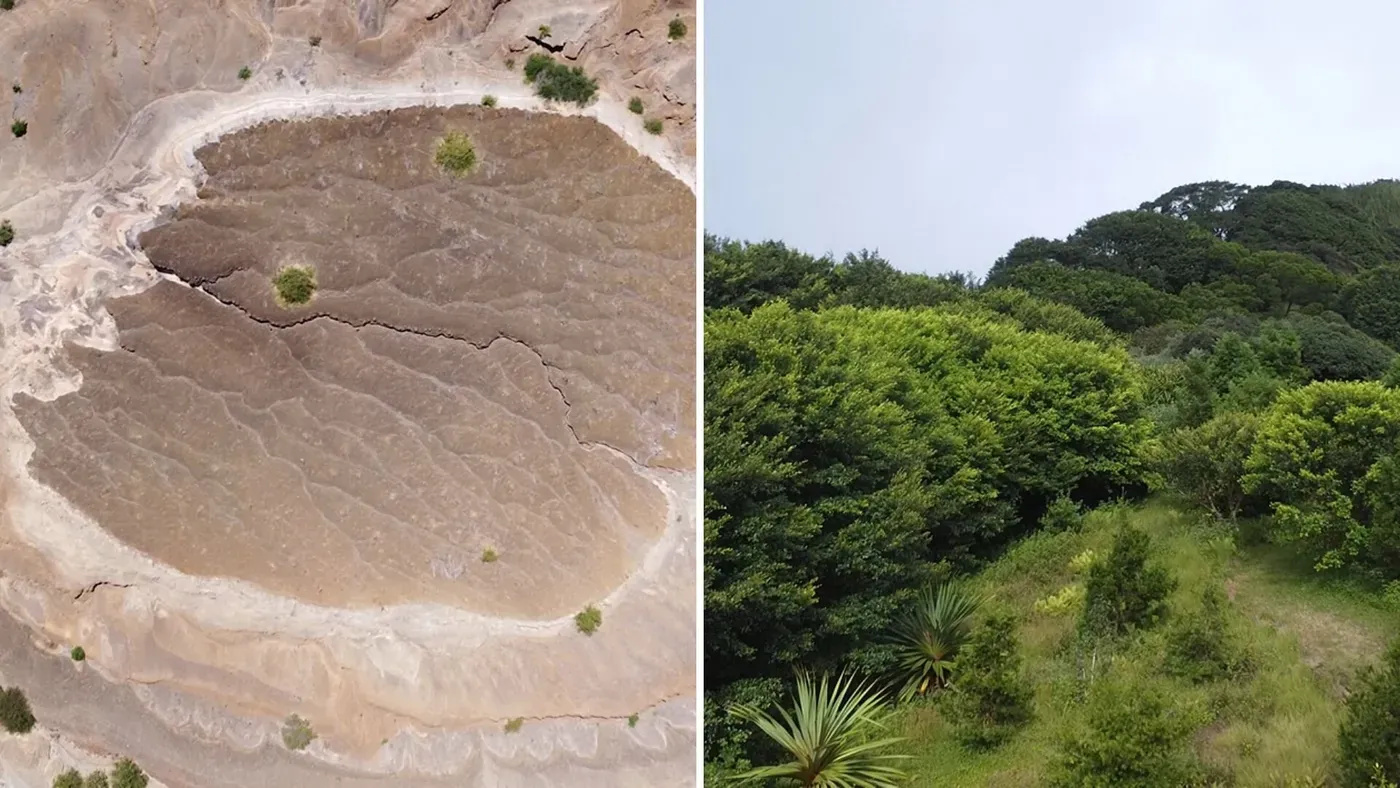
Two British scientists' vision to harness moisture from clouds led to a thriving ecosystem on the island.
Researchers have found that certain white dwarf stars can appear in a variety of colors if viewed up close.
Researchers in precarious positions rely on networking for survival rather than just excellence, highlighting the importance of considering their specific needs.
Researchers have found that movement-induced chronic back pain is linked to increased activity in the default mode network, a group of connected brain regions responsible for self-reflection and mind-wandering.
Researchers have found a modified tapeworm medication with nanotechnology that can reduce inflammation and slow the spread of lesions in mice, paving the way for human clinical trials.
Researchers have found a significant leap in AI capabilities, with top models going from correctly solving about 2% of theoretical problems to around 35%.
New research has shed light on a vital protein called SRF3 that plays a dual role in plant biology.