Temperature fluctuations linked to fever responses in infected amphibians and reptiles
A meta-analysis of 47 previous investigations found a link between temperature fluctuations and fever responses in infected animals, with stronger fever responses observed in regions with significant day-night temperature variations.
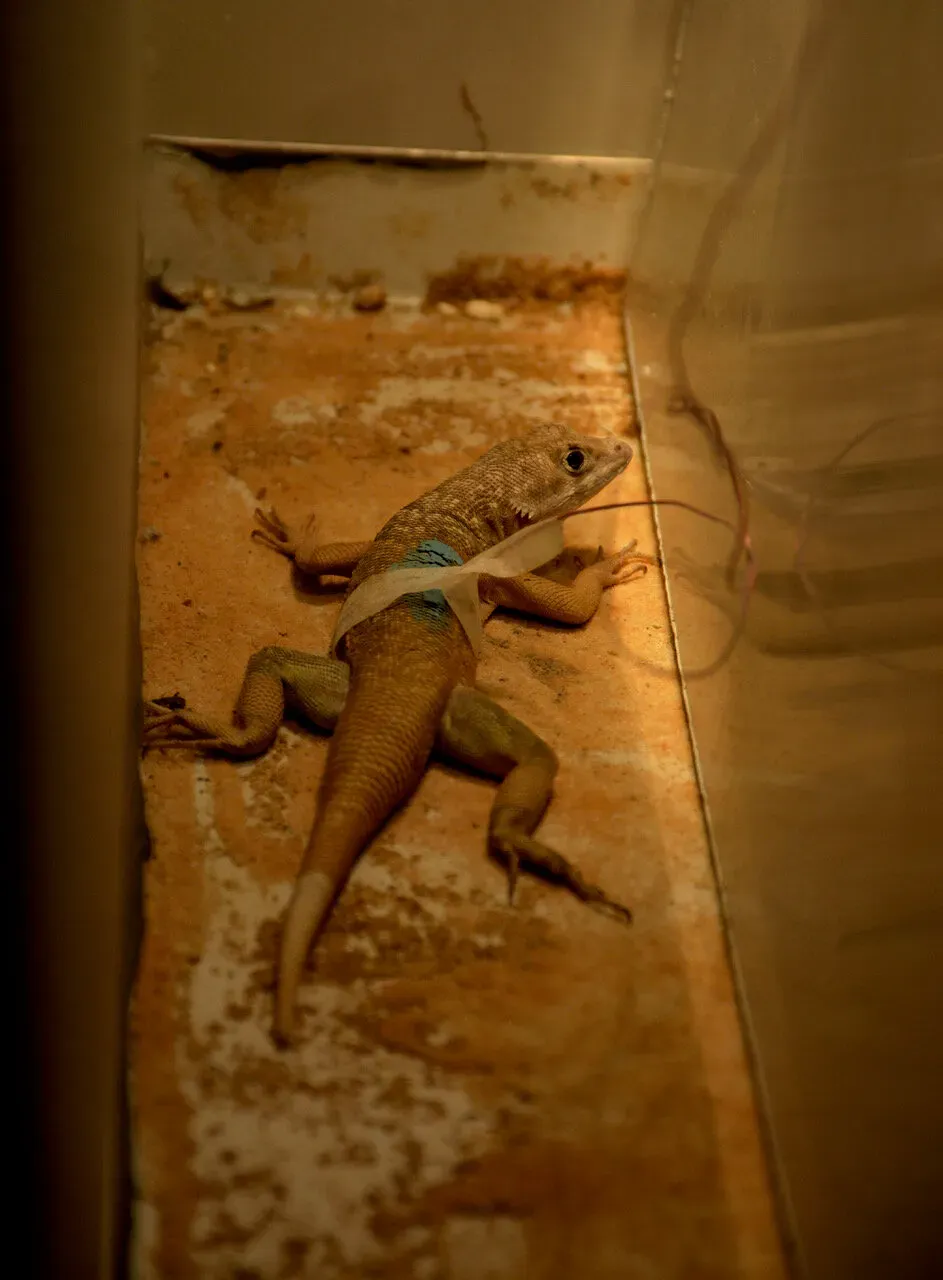
Researchers have discovered a link between temperature fluctuations and fever responses in infected amphibians and reptiles.
When these animals contract an infection, they often seek warmer environments by moving to new locations, which raises their body temperature above normal levels - a phenomenon known as behavioral fever.
The study combined data from 47 previous investigations to explore the factors contributing to varying fever responses among infected amphibians and reptiles.
This analysis revealed that animals living in areas with significant day-night temperature variations tend to exhibit stronger fever responses than those in regions with more stable temperatures.
Researchers led by Danilo Giacometti conducted a meta-analysis as part of their postdoctoral project, which also involved experimental work on thermal biology and immune challenges in amphibians and reptiles.
The research team compiled data from 47 earlier studies, which collectively examined 49 distinct amphibian and reptile species. These studies provided valuable insights into how different species respond to varying temperature conditions. By analyzing climate records from collection sites in the wild, researchers could determine whether larger daily temperature fluctuations at these locations were linked to greater changes in body temperature following infection.
The team's findings suggest that animals living in areas with wide day-night temperature swings may have an enhanced ability to use thermal resources for behavioral thermoregulation. However, this conclusion is based on a specific assumption about how species adapt to variable climates. By comparing amphibians and reptiles, which differ significantly in terms of their thermal biology, the researchers added a new layer of complexity to the analysis.
The study's authors compared body temperatures between healthy animals and those exposed to infections or other immune challenges within the same species. They also accounted for similarities that could be associated with shared traits among closely related species. This approach allowed them to identify patterns that might not have been apparent in individual studies.
Researchers note that previous data collected since the 1970s indicate that the physiological pathways underlying fever are relatively conserved across different animal groups, including both invertebrates and vertebrates.
A closer examination of the behavior of sick reptiles has revealed a complex pattern, where some species may seek out warmer temperatures to aid in fighting off infections.
This phenomenon is not always consistent, however, as some lizards have been observed traveling to colder environments to lower their body temperature, a response known as behavioral hypothermia.
The mixed responses from reptiles sparked an interest among researchers to explore the underlying factors that influence this behavior, leading them to investigate potential biological, climatic, and infecting agent-related reasons for these actions.
To better understand the patterns at play, Giacometti and his colleagues employed a meta-analytical framework, which allowed them to identify general trends while also accounting for potential biases within their dataset.
The researchers' findings revealed a surprising trend when it comes to amphibians and their response to infection.
They discovered that amphibians tend to exhibit stronger behavioral fever responses compared to reptiles, which defied their initial expectations given the potential risks of dehydration associated with increased body temperature in amphibians.
Giacometti noted that they had initially assumed amphibians would avoid raising their body temperatures when infected primarily to avoid dehydrating conditions, but their findings raised questions about whether this result was an actual biological implication or a methodological artifact related to differences in how thermal biology studies are conducted with amphibians versus reptiles.
Their analysis showed a clear link between bacterial challenges and evidence of behavioral fever in both groups, with notable exceptions observed when it came to fungal or viral infections.
Animals from regions with larger day-night temperature fluctuations demonstrated greater body temperature increases following infection.
Research into behavioral fever in amphibians and reptiles is gaining momentum, driven by recent findings that have shed light on its relationship to daily temperature fluctuations.
The study's lead author, Giacometti, has now taken up a new role as an assistant professor at the University of São Paulo, where he oversees students working on related projects. These students are conducting experiments designed to better understand the factors contributing to behavioral fever in both frogs and lizards.
Giacometti is keen to explore how different lizard species from distinct habitats in Brazil respond to bacterial infections, noting that some closely related species exhibit varying thermoregulatory strategies. He also plans to recruit graduate students to investigate the role of environmental humidity in modulating immune responses in frogs.
The new studies aim to build on Giacometti's previous work and provide further insights into the complex interplay between environment, behavior, and immunity in amphibians and reptiles. By continuing this research, scientists hope to gain a deeper understanding of how these animals adapt to different environmental conditions.
The study found a link between wider daily temperature fluctuations and stronger fevers in amphibians and reptiles, suggesting that these animals may be more susceptible to environmental changes.
Researchers analyzed data from various studies on amphibian and reptile behavior, discovering that climate variability indeed plays a significant role in mediating fever responses in these cold-blooded creatures.
Facts based on reporting originally published by Phys.org.
You may republish this story, in full or in part, if you credit News Central Site and link to it (licence CC BY 4.0). Photos are not included.