Study Finds No Benefit from Common Classroom Accommodations for Students with ADHD
A new study has found that common classroom accommodations for children with attention-deficit/hyperactivity disorder (ADHD) do not improve their behavior or academic performance.
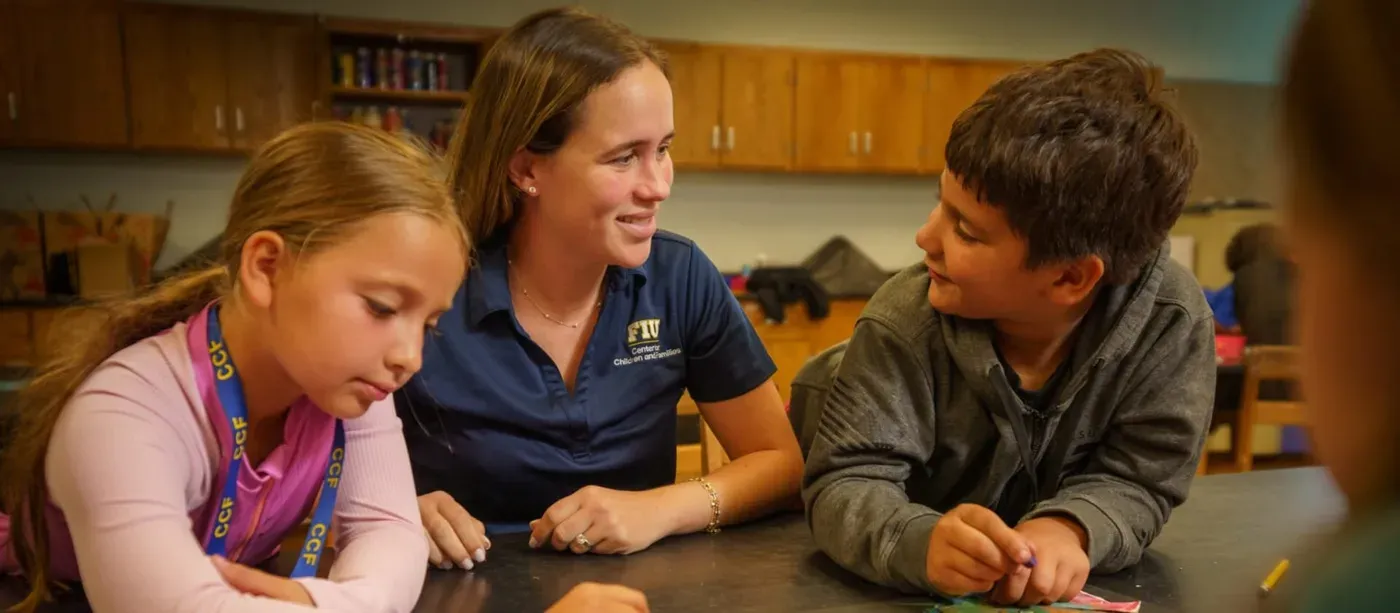
A new study from Florida International University has raised questions about the effectiveness of common classroom accommodations for students with attention-deficit/hyperactivity disorder (ADHD). Researchers evaluated four widely used approaches to see if they actually help children succeed.
The accommodations examined included extra time on assignments, regular breaks, working at a standing desk, and studying in a quiet area. However, none of these strategies showed significant improvements in classroom behavior or academic performance among the 255 children with ADHD involved in the study.
According to Gregory Fabiano, professor of psychology at FIU and lead author of the research, there was no evidence that any of the accommodations worked even when combined with other treatments like behavioral interventions or medication. This finding may come as a surprise given the widespread use of these accommodations in schools.
The study involved children with ADHD who participated in FIU's Summer Treatment Program between 2022 and 2025. The program aimed to provide a supportive environment for kids with ADHD to learn and develop skills.
Further research is needed to determine what types of accommodations might be more effective in helping students with ADHD succeed.
Researchers conducted an experiment to measure the effectiveness of various classroom accommodations in helping students with ADHD succeed academically.
While some common classroom accommodations showed no significant benefits, other interventions had a measurable impact on student behavior and academic performance. Behavioral treatments were found to have a particularly positive effect, reducing rule violations during independent work by 37%. This reduction was significantly higher than the decrease seen when children received neither treatment nor medication.
Stimulant medication also proved effective in reducing rule violations, with a notable decrease of 61% compared to children who received no treatment. Furthermore, medication helped students complete more work and earn higher quiz scores, indicating an improvement in academic performance. The results suggest that certain interventions can have a tangible impact on student behavior and learning.
Many classroom accommodations are designed to address specific ADHD symptoms, such as difficulty paying attention or staying seated. However, these accommodations may not necessarily address the underlying challenges that interfere with a child's ability to learn and complete schoolwork.
The assumption that common ADHD accommodations are effective for all students may be misguided, according to researchers who warn against a "one-size-fits-all" approach.
Fabiano highlights that while some children may benefit from specific supports tailored to their needs, a blanket application of accommodations is unlikely to yield the desired results. Instead, he advocates for a more nuanced understanding of ADHD and its effects on individual students.
Positive behavioral supports are gaining traction as an effective way to help children with ADHD stay motivated and focused in class. Fabiano recommends that teachers incorporate simple strategies such as praising good behavior, setting clear expectations, and providing consistent feedback into their everyday routines.
Daily report cards can also be a valuable tool for establishing individual goals and tracking progress. By receiving regular feedback and positive reinforcement for meeting their targets, children with ADHD are more likely to stay on track and meet the expectations set by their teachers.
Teachers are being encouraged to rethink their approach when it comes to helping students with attention deficit hyperactivity disorder (ADHD) succeed in the classroom. Instead of just providing more time for assignments, they should focus on setting specific goals and regularly checking in on progress.
This shift in strategy is aimed at strengthening behaviors that support learning, rather than simply modifying the environment around a student. By doing so, teachers can help children with ADHD develop essential skills and habits that will benefit them throughout their academic careers.
The study's findings have also sparked questions about the use of common accommodations in individualized education programs (IEPs) and Section 504 plans. These documents are designed to meet each child's unique needs, but it appears they may not be as effective as previously thought.
Schools should prioritize behavioral interventions in general education classrooms, where most children with ADHD spend their school day. This includes students who receive special education services, and parents can play a key role in ensuring their child's IEP or 504 plan is tailored to their individual needs.
Pelham's research has significantly altered our understanding of ADHD treatment approaches.
While stimulant medication may improve classroom behavior and productivity in children, it does not necessarily enhance their ability to absorb new information. This discrepancy was discovered by Pelham and his team in a 2022 study that aimed to evaluate the effectiveness of various treatments for ADHD. The findings suggest that medication alone is insufficient to address the complex needs of children with attention deficit hyperactivity disorder.
In contrast, starting with behavioral interventions has been found to be more cost-effective than initiating treatment with medication. This approach was identified by Pelham's earlier work as a viable option for improving outcomes in children with ADHD. The research underscores the importance of considering multiple factors when developing effective treatments for this condition. It also highlights the need for further investigation into the most suitable approaches.
According to data from the Centers for Disease Control and Prevention, approximately 7.1 million children in the United States have a current ADHD diagnosis. This accounts for nearly 12% of those aged 3 to 17 who receive an ADHD diagnosis each year. Many of these children rely on Individualized Education Programs (IEPs) and Section 504 plans to access additional support at school.
The study suggests that classroom accommodations for students with ADHD may not be enough to ensure their success.
While these students rely heavily on Individualized Education Programs (IEPs) and Section 504 plans, it seems that a more comprehensive approach is needed to support them effectively. The emphasis should shift from relying solely on accommodations to implementing effective treatments within the regular classroom environment.
By giving children with ADHD the best chance to succeed, educators can help them feel proud of their accomplishments in the classroom.
Facts based on reporting originally published by Phys.org.
You may republish this story, in full or in part, if you credit News Central Site and link to it (licence CC BY 4.0). Photos are not included.