Science
Countries highly vulnerable to fossil fuel phase-out have limited economic influence
A recent climate analysis reveals that 6% of worldwide production comes from these countries, mostly in Africa.
A recent climate analysis reveals that 6% of worldwide production comes from these countries, mostly in Africa.
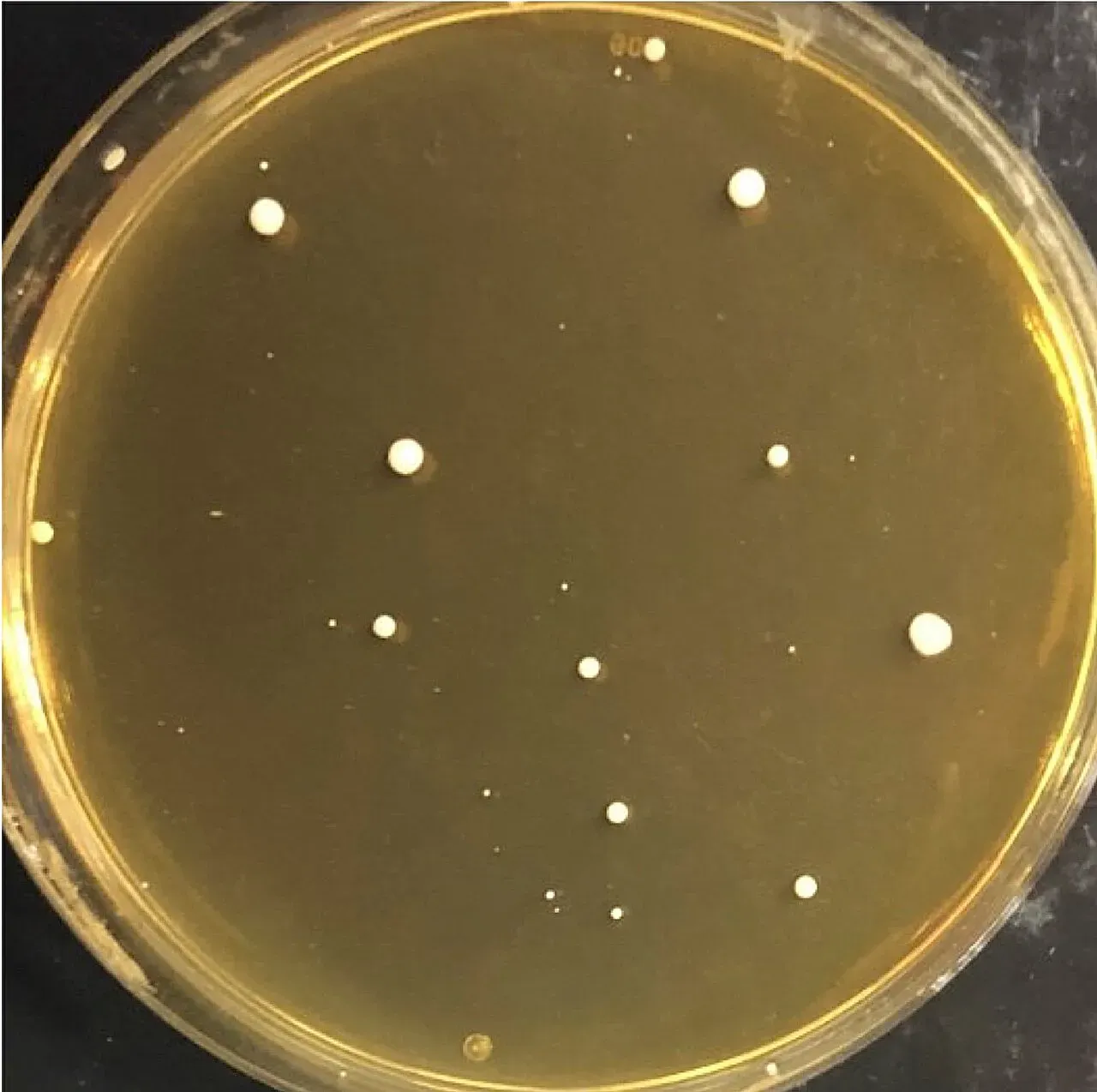
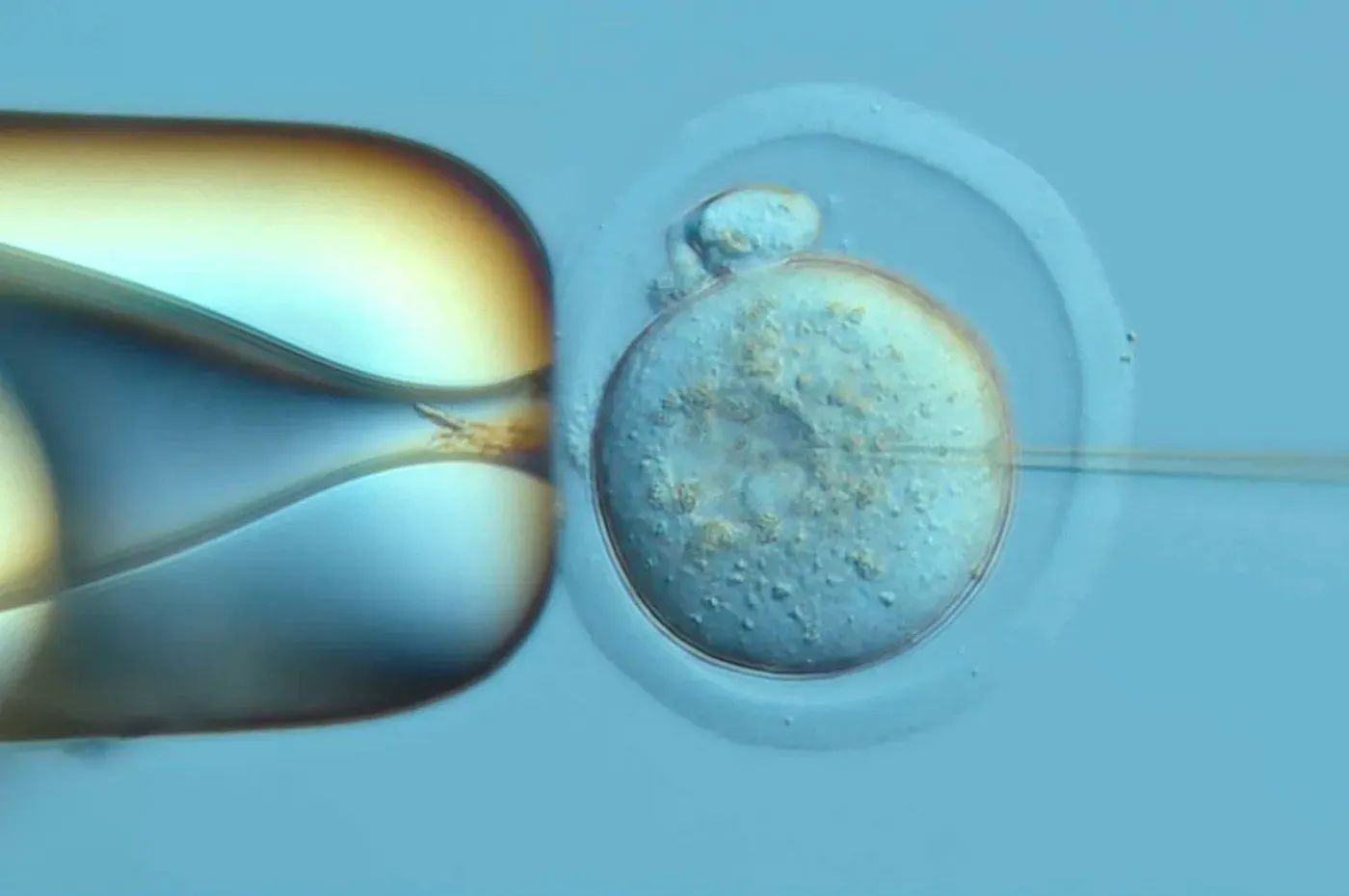
Researchers from the University of Exeter and City St George's, University of London, have discovered that Candida auris creates multiple versions of its genome in response to antifungal drugs.
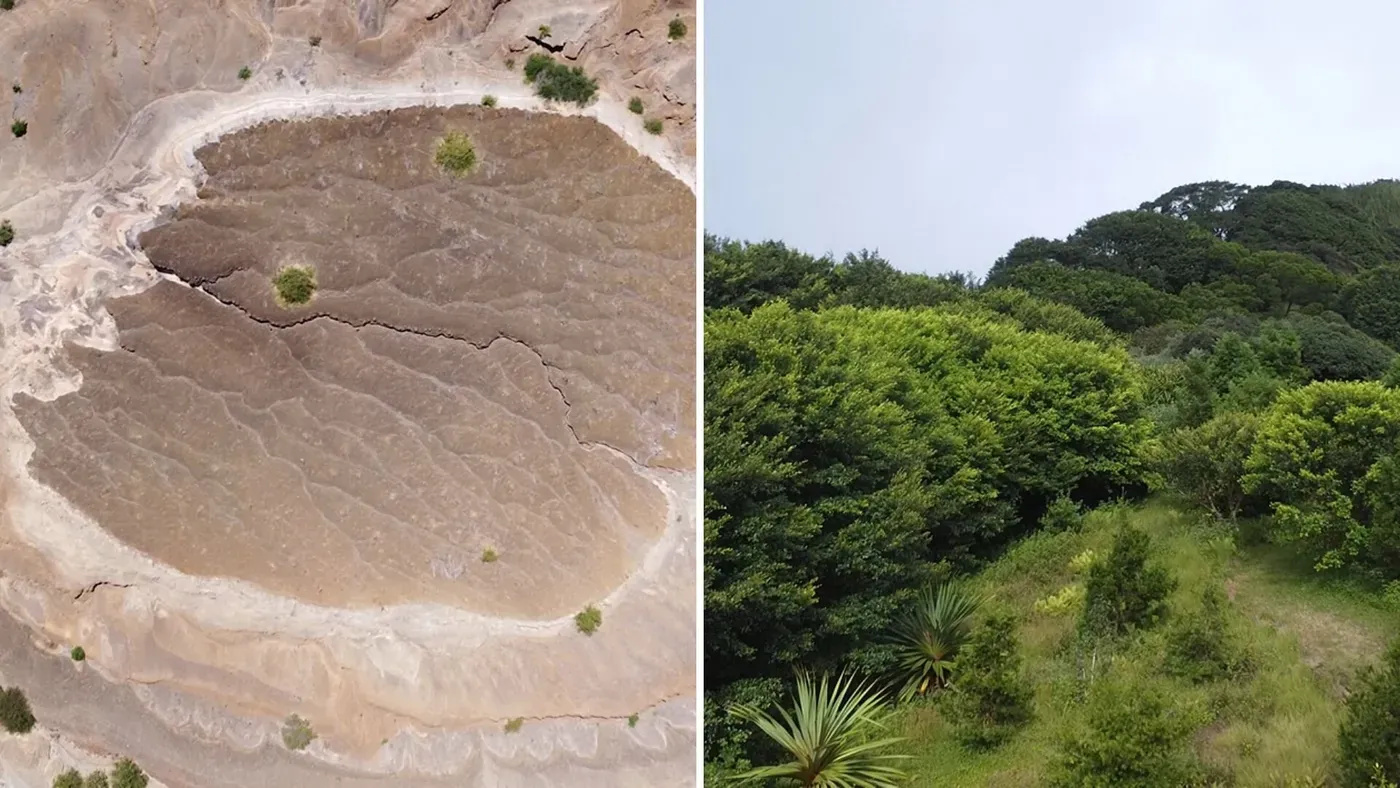
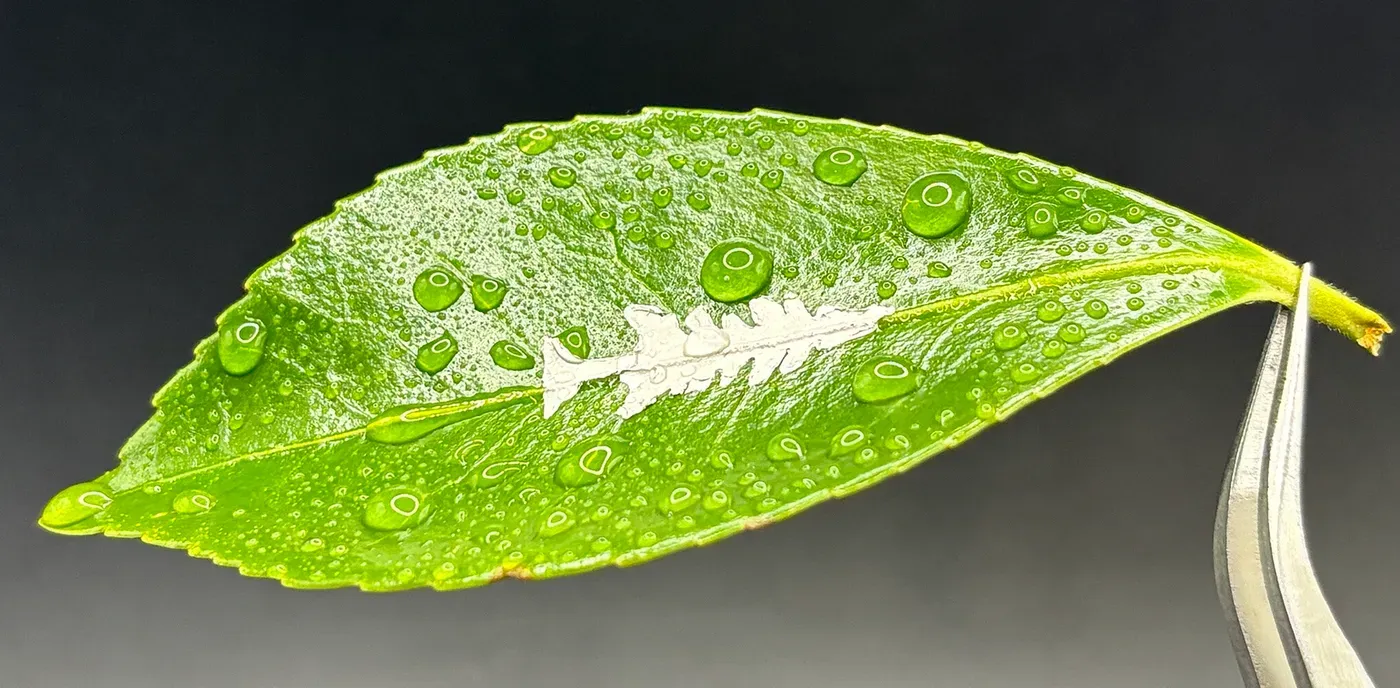
Two British scientists' vision to harness moisture from clouds led to a thriving ecosystem on the island.
Researchers in precarious positions rely on networking for survival rather than just excellence, highlighting the importance of considering their specific needs.
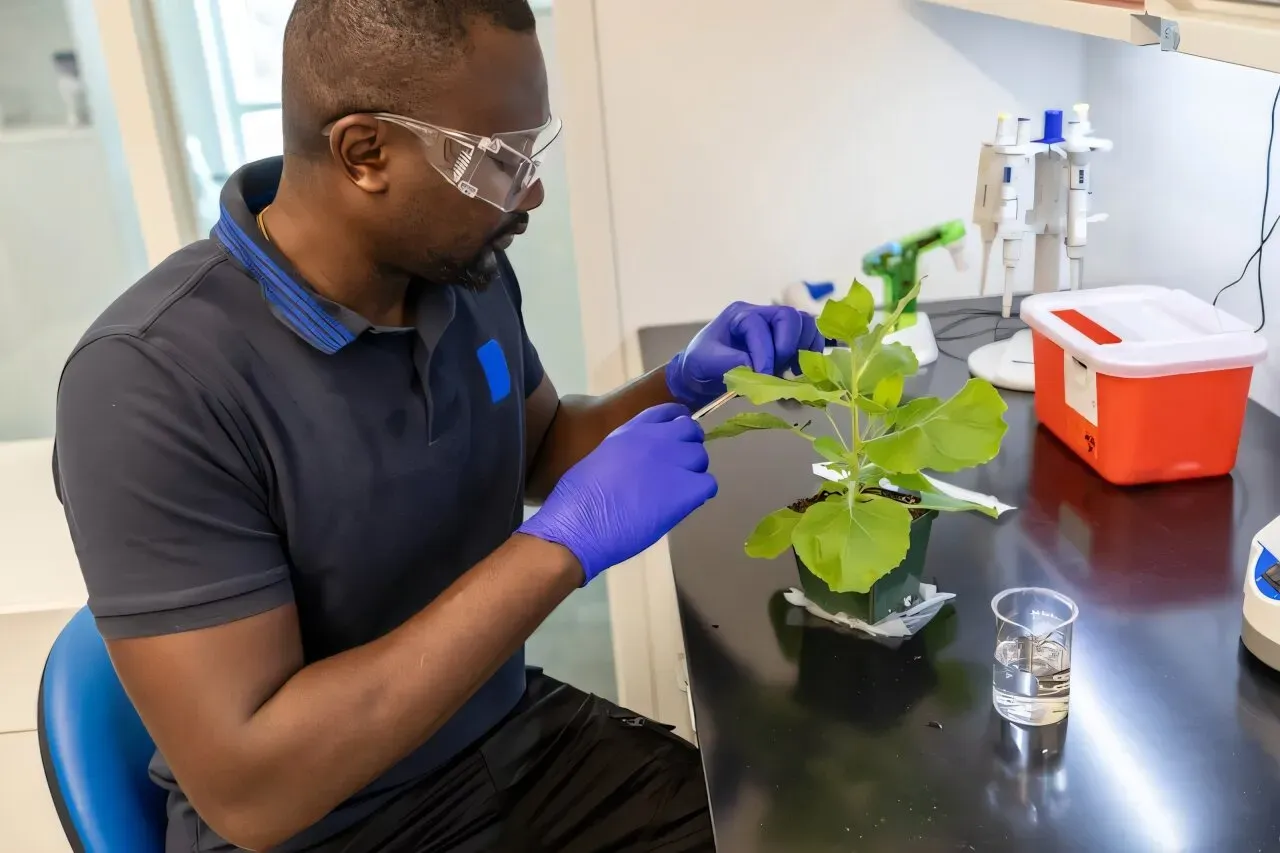
New research has shed light on a vital protein called SRF3 that plays a dual role in plant biology.
A new report highlights the systemic roadblocks faced by Black women entrepreneurs in the food industry, including limited access to capital investment and mentorship.
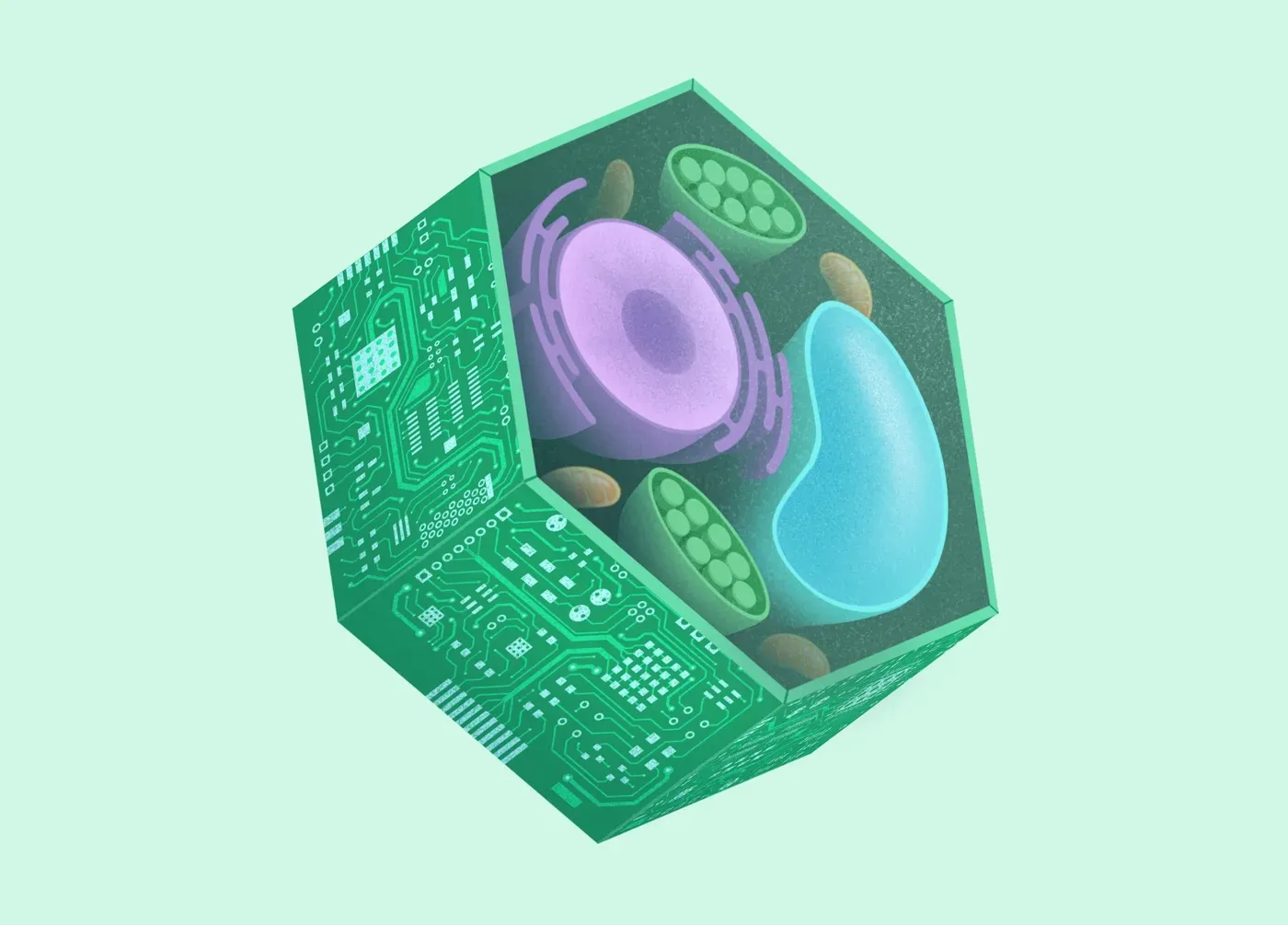
A team of scientists at the University of Delaware has developed a method to study proteins inside intact plant cells without extensive chemical processing.
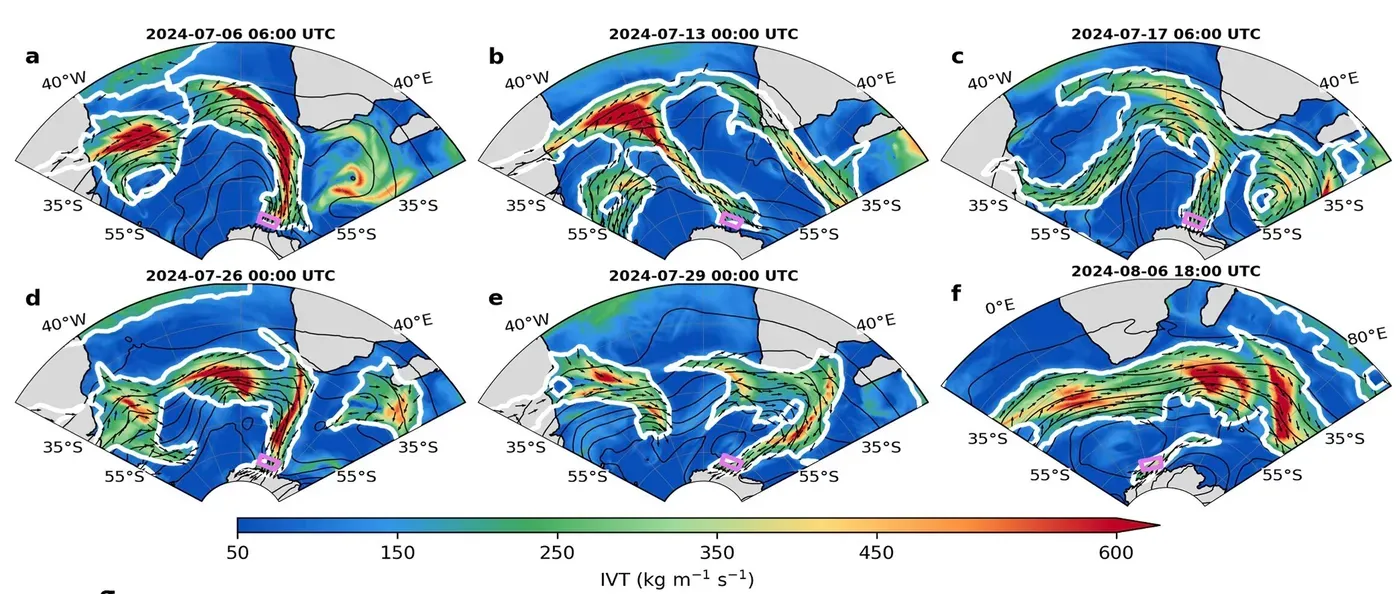
A massive polynya has opened up in Breid Bay, off the coast of East Antarctica, during the depths of winter. This vast patch of open water is surrounded by sea ice, allowing heat and moisture to freely pass between the ocean and atmosphere.
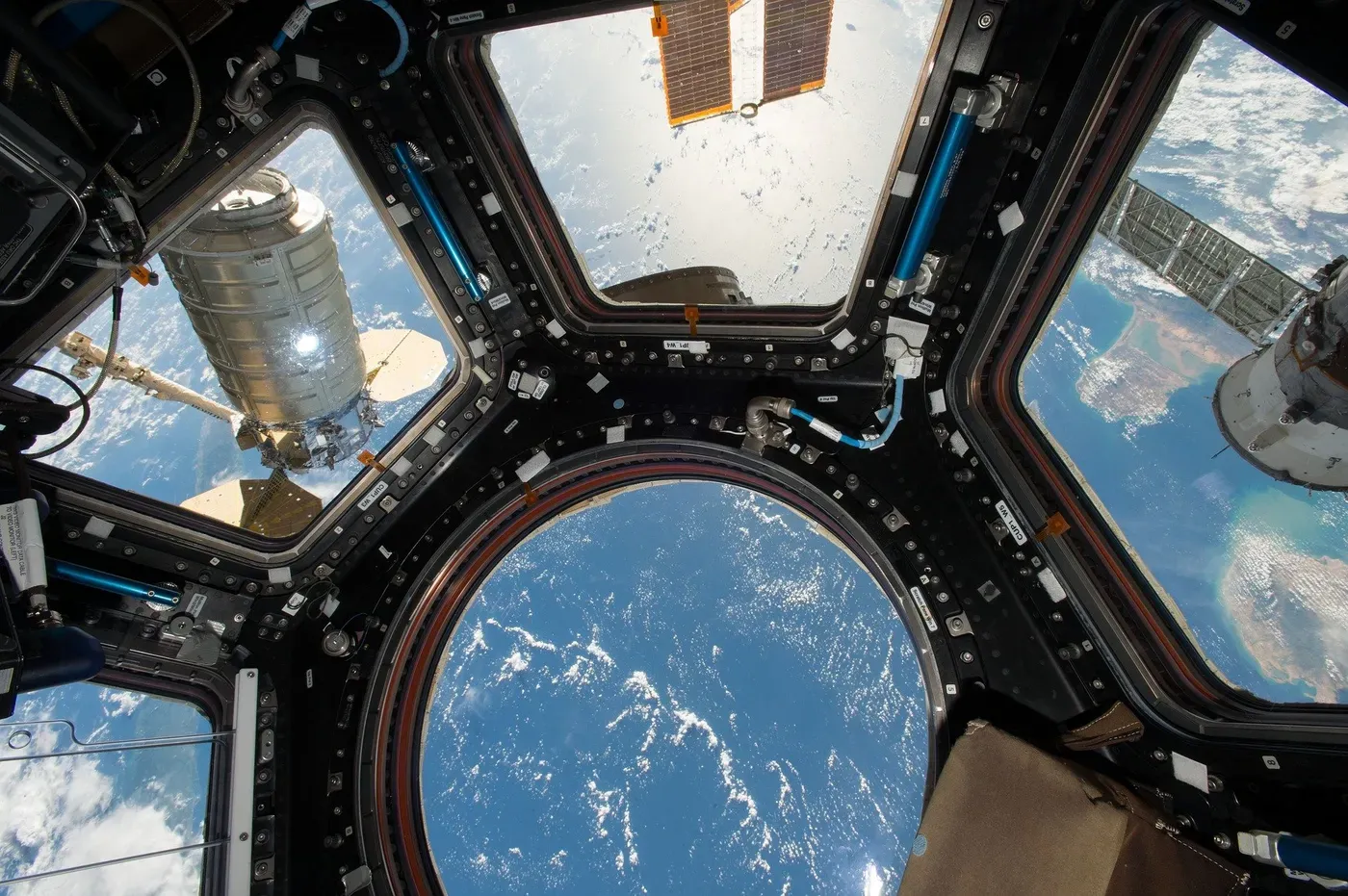
A NASA SpaceX cargo mission is set to launch from Cape Canaveral in Florida with vital research experiments on board, including studies focused on human health, plant growth, and drug-resistant organisms.
A new report from Bankwest Curtin Economics Center suggests that employers could tap into a wealth of untapped talent by prioritizing flexibility in the workforce, with significant progress made towards achieving gender equality in the past decade.
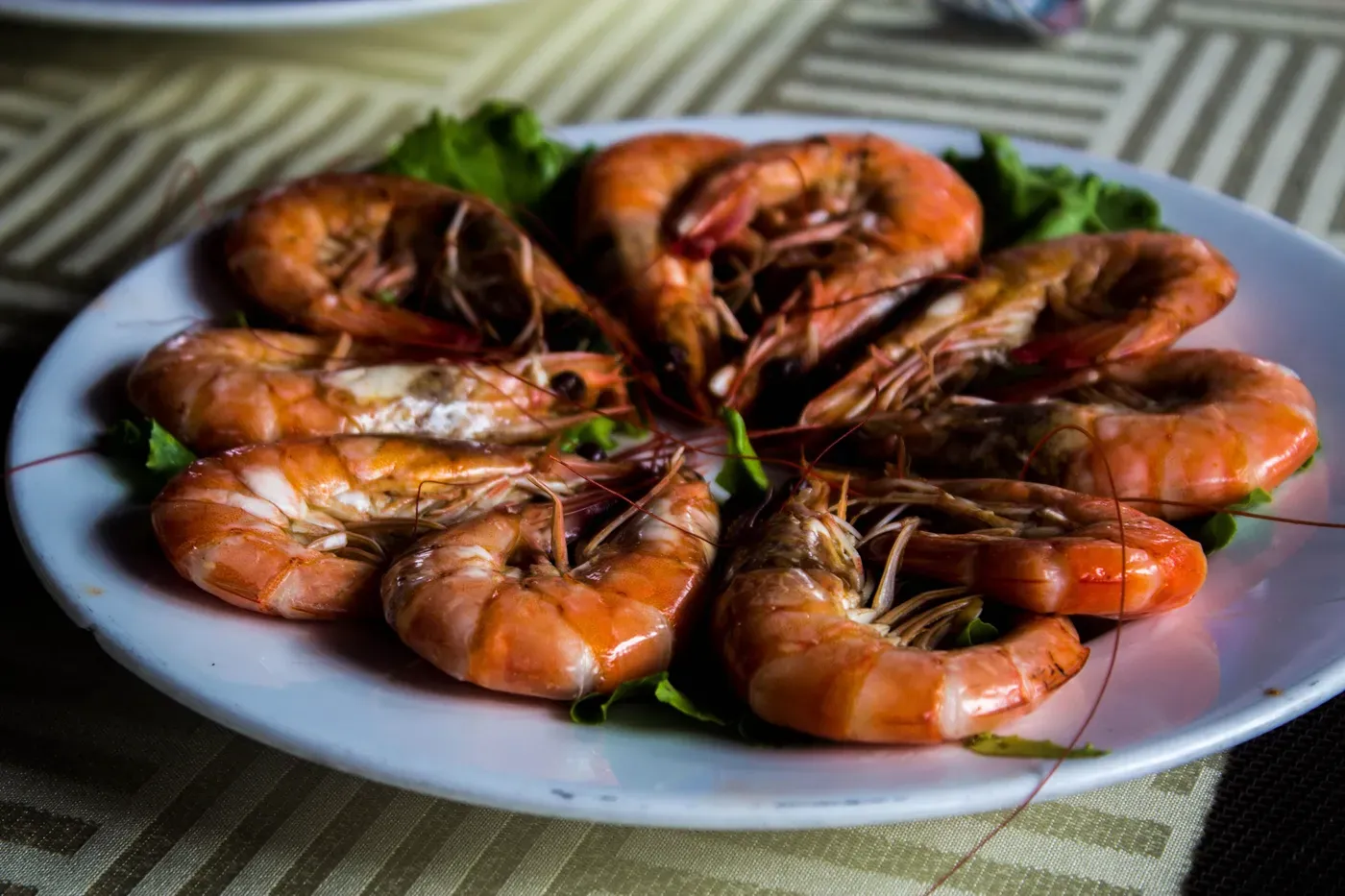
A groundbreaking study of seafood recipes published in Good Housekeeping magazine has revealed a striking trend in the UK's relationship with fish and shellfish.
Researchers at Stanford University have successfully stabilized a simple amino acid called glycine, which could enable the creation of advanced materials for biomedical use.
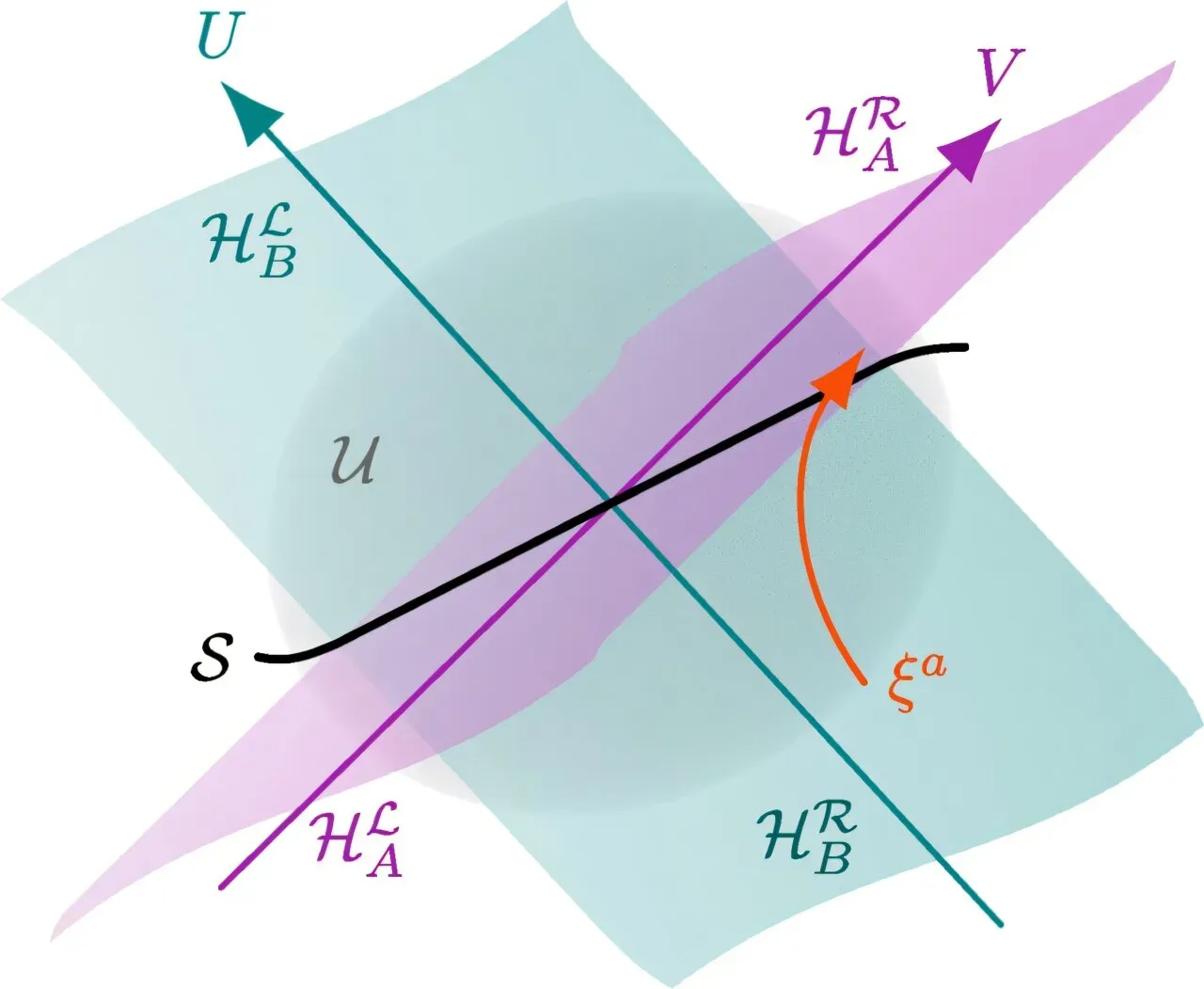
Physicists have developed a new mathematical framework connecting spacetime curvature to quantum field information.
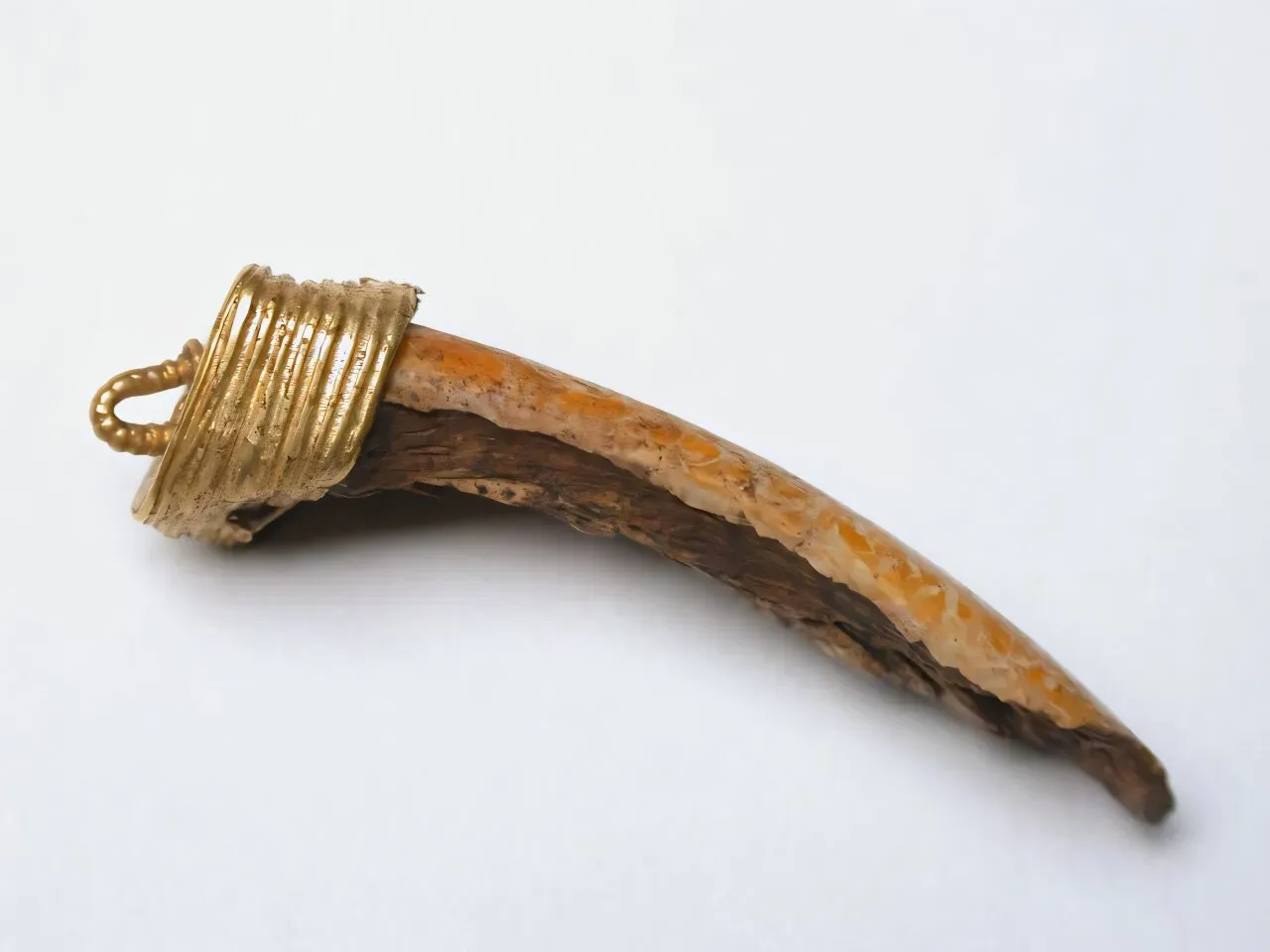
Archaeologists have made a groundbreaking discovery in one of Europe's largest medieval lead-producing regions, the Derbyshire Peak District in central England. After centuries of mining...
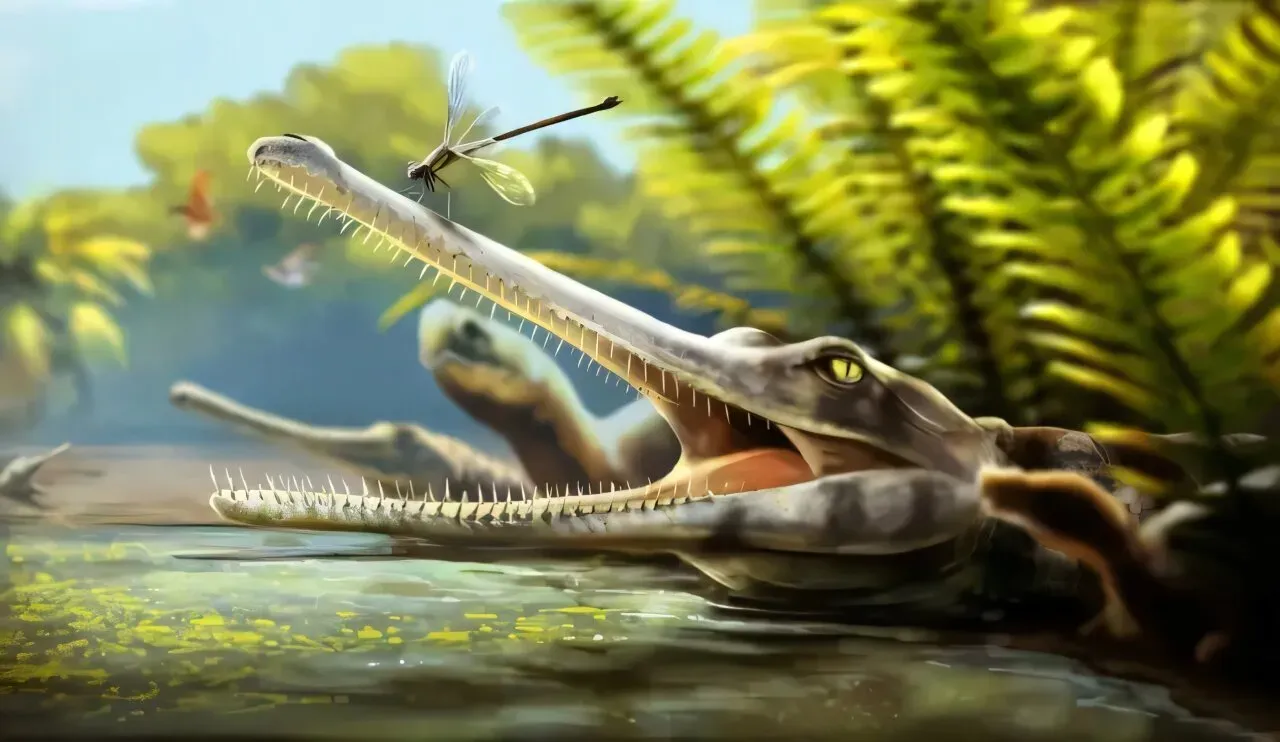
A team of scientists has identified a new species of ancient crocodile relative, Ctenosuchus tenuidens, which lived during the age of dinosaurs.
Recent data from the Dark Energy Spectroscopic Instrument (DESI) suggests that dark energy may change over time, challenging a long-standing assumption.
A recent study from Finland has shed light on the development of identity throughout adulthood, finding that it can continue to evolve positively even into old age.
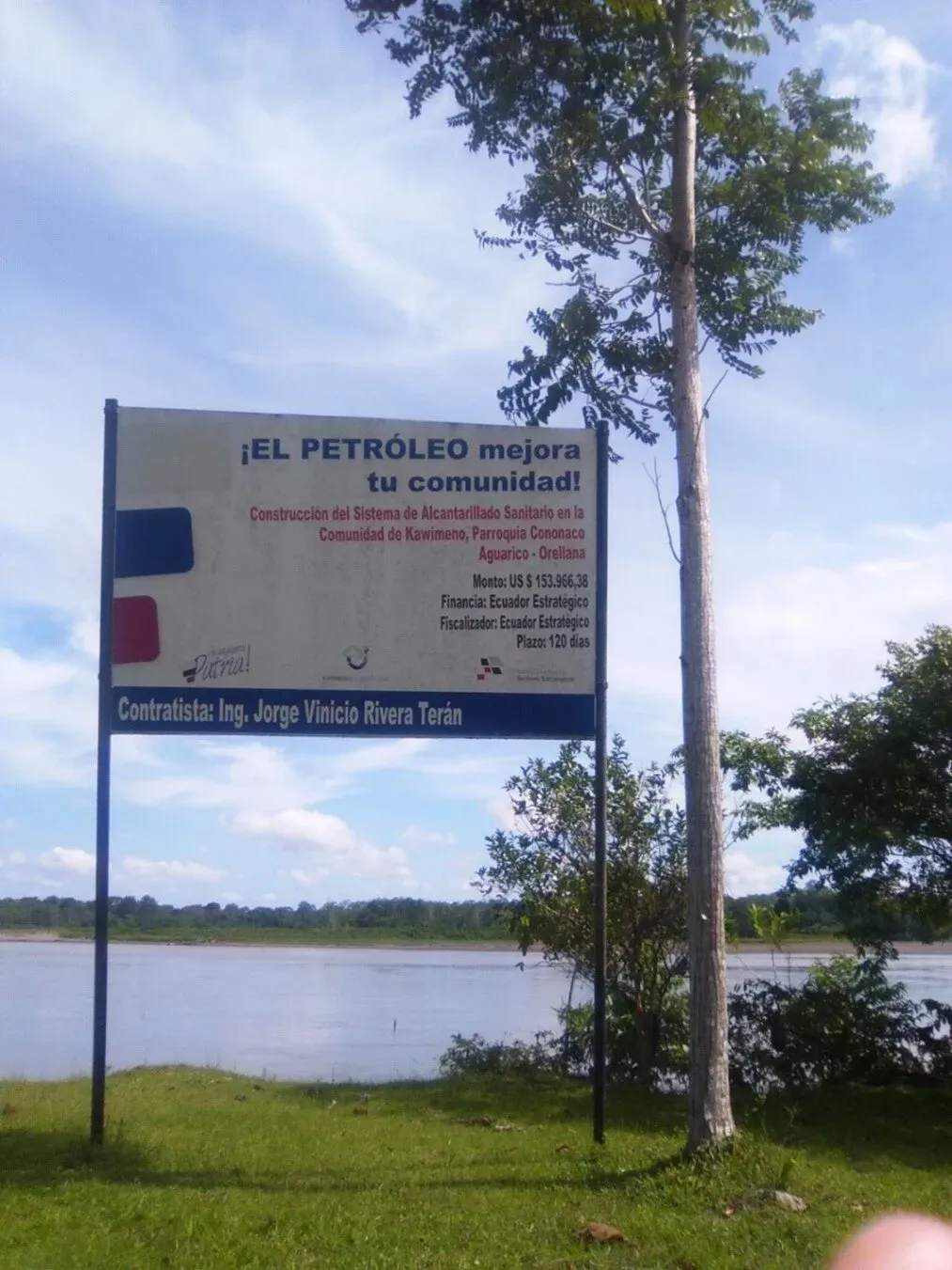
A new study conducted along the Lower Napo River in Ecuador found that Indigenous communities may accept oil extraction due to uneven distribution of its impacts and benefits.
Scientists have successfully reconstructed the family tree of cells within mouse embryos over 13.5 days, providing valuable insights into how cells' early ancestry influences their later fates.
A new study has found that low oxygen levels in Florida's Banana River are contributing to the release of nutrients, which can fuel the growth of harmful algal blooms.