Science
Groundbreaking Discovery in Graphene Electron Behavior
Physicists have used a cutting-edge slow-motion electron camera to visualize how intense electric fields drive electrons in graphene to jump across energy gaps.
Physicists have used a cutting-edge slow-motion electron camera to visualize how intense electric fields drive electrons in graphene to jump across energy gaps.
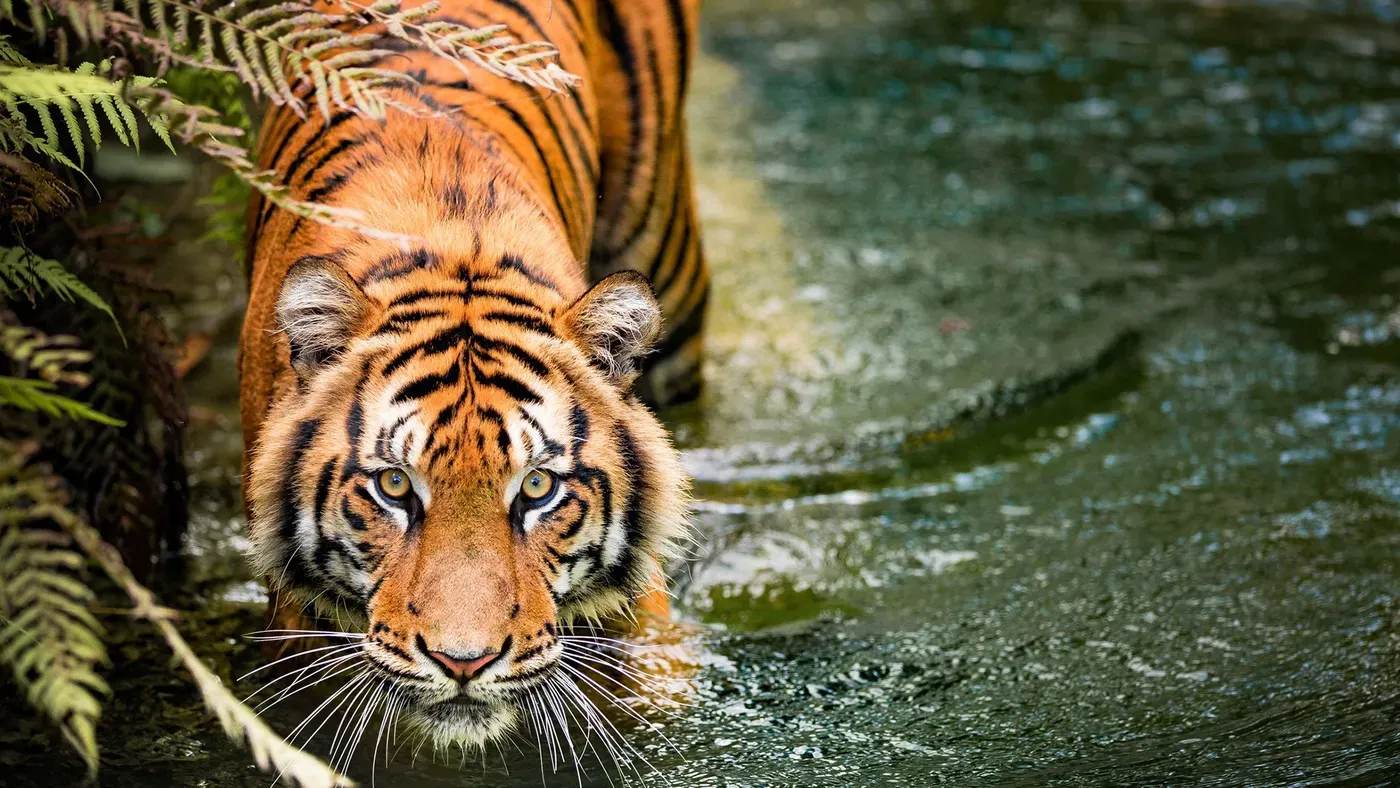
A recent documentary has shed light on some surprising behaviors of tigers in Nepal's wild, challenging long-held assumptions about their social dynamics and parenting habits.
A recent study from Edith Cowan University's School of Business and Law has identified the key factors that influence a person's decision to rely on artificial intelligence for travel planning.
Researchers at OpenAI claim to have disproven the exponential time hypothesis (ETH), a fundamental concept in computer science.
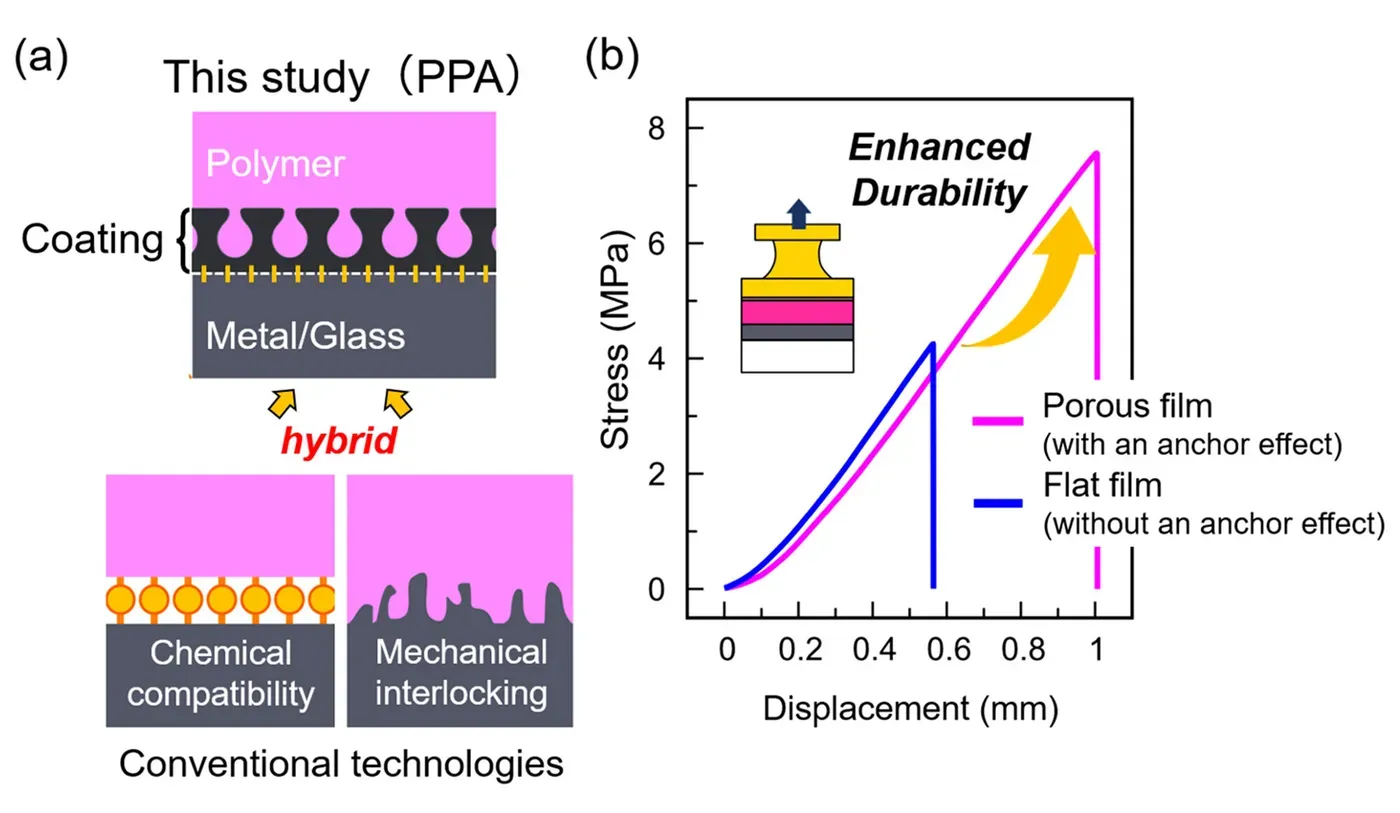
Researchers at the National Institute for Materials Science have developed a novel technology to bond dissimilar materials together using a porous layer as an anchor.
A research collaboration between Anangu traditional owners and plant scientists has analyzed physiological traits that allowed some desert plants to survive a mass dieback event in Australia's Uluru-Kata Tjuta National Park from 2018 to 2019.
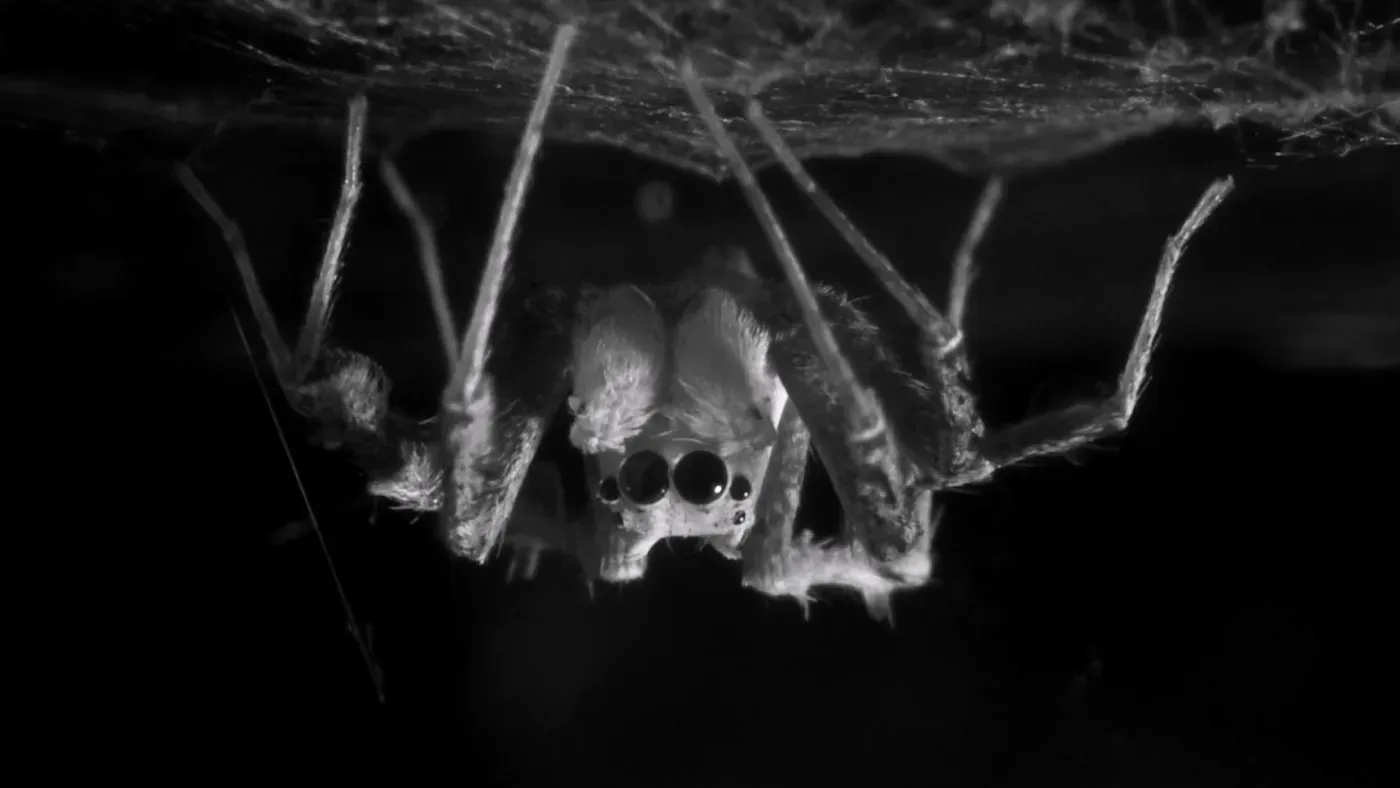
A study on Australian jumping spider Portia fimbriata sleep patterns has revealed distinct stages of sleep similar to those in humans and other animals.
The 94-page prospectus for Anthropic's initial public offering details potential threats to the company's success, including existential dangers posed by advanced AI systems.
A major transformation in Japan's oceanic landscape has been observed as researchers at the Okinawa Institute of Science and Technology conduct the country's largest marine environmental DNA study to date.
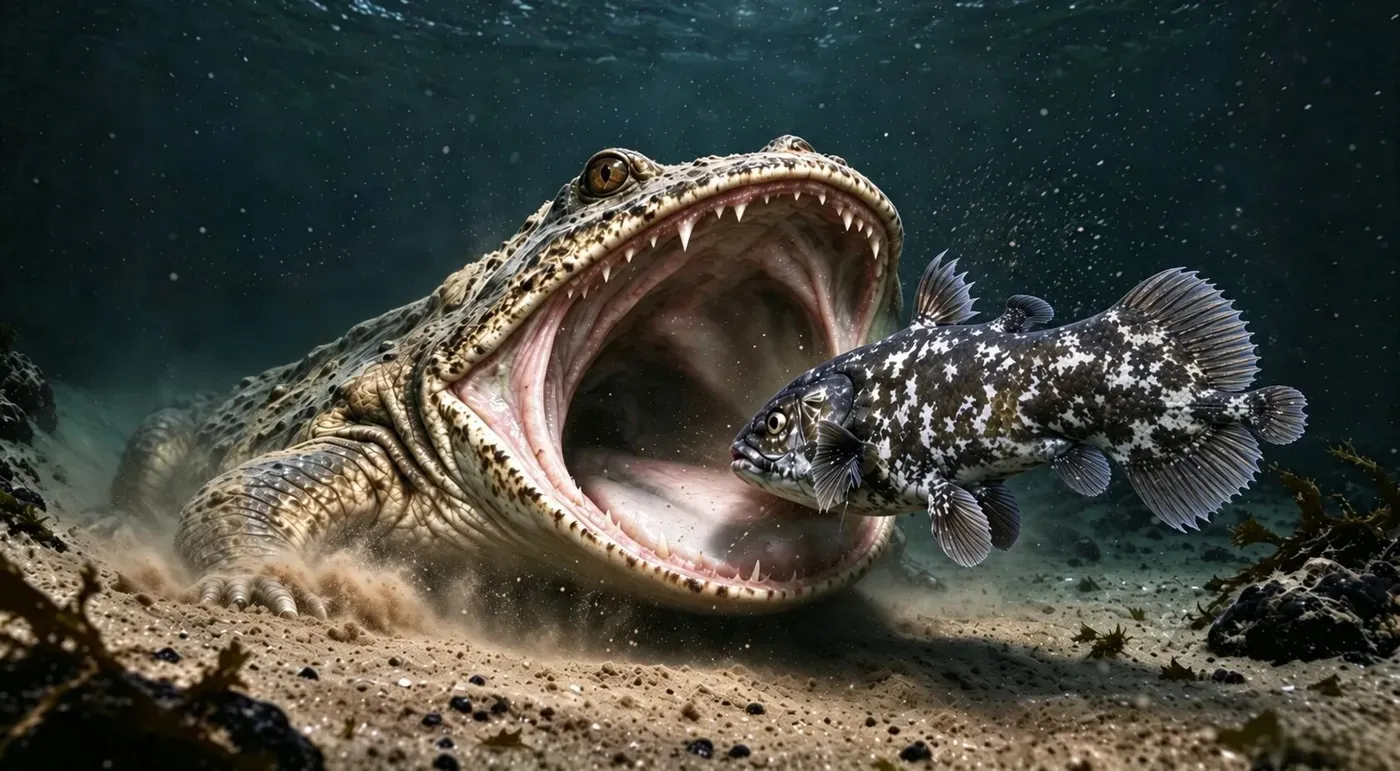
Scientists from the University of California, Davis; Peking University; and the Geological Museum of Guizhou have uncovered fossil evidence of a previously unknown amphibian species that lived entirely at sea 237 million years ago.
A recent study has found that relying on artificial intelligence (AI) for quick answers can have a detrimental effect on motivation and cognitive abilities.
A new study proposes using Andreev qubits to achieve nondestructive reading of quantum information without altering its content.
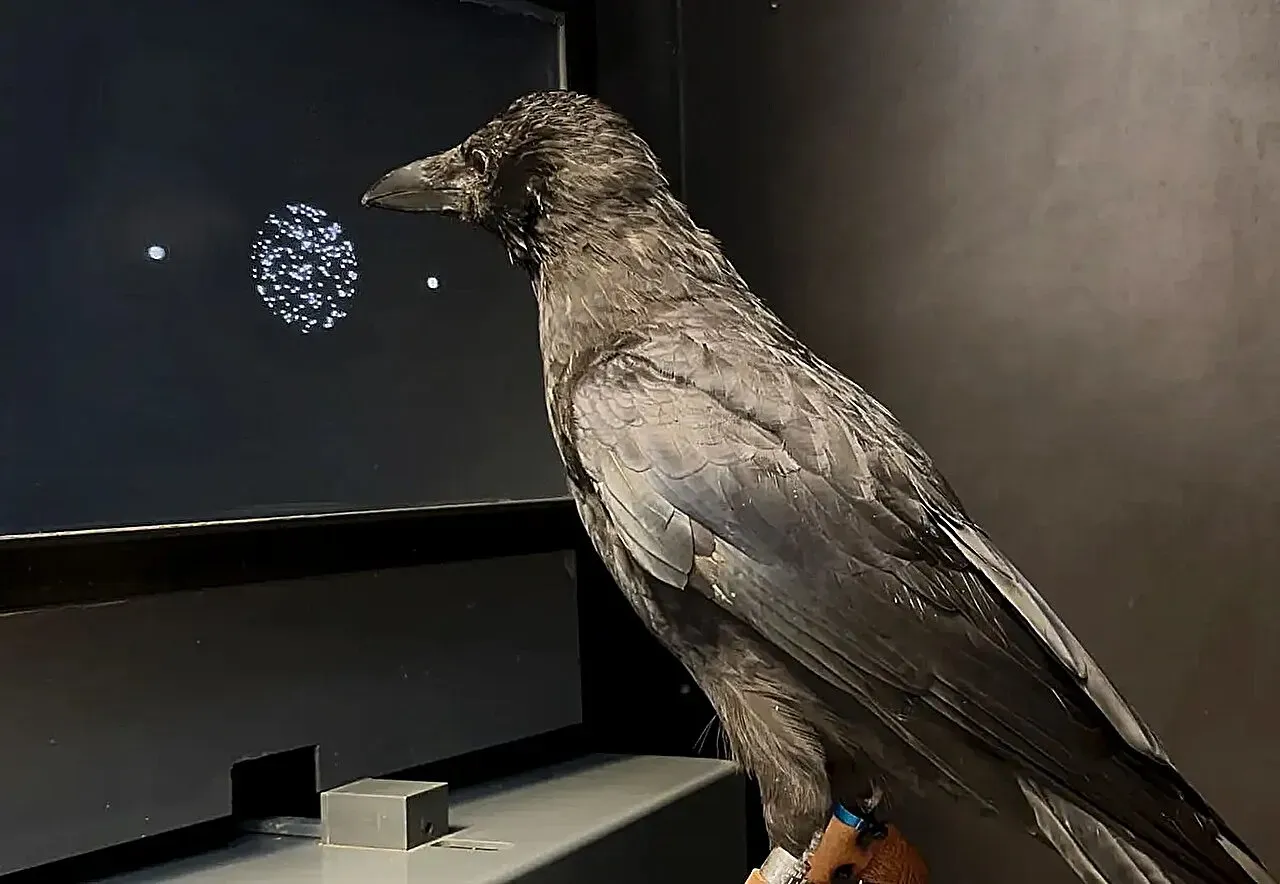
Researchers at the University of Tübingen have discovered that crows can make decisions twice as fast as humans and monkeys when faced with visual choices.
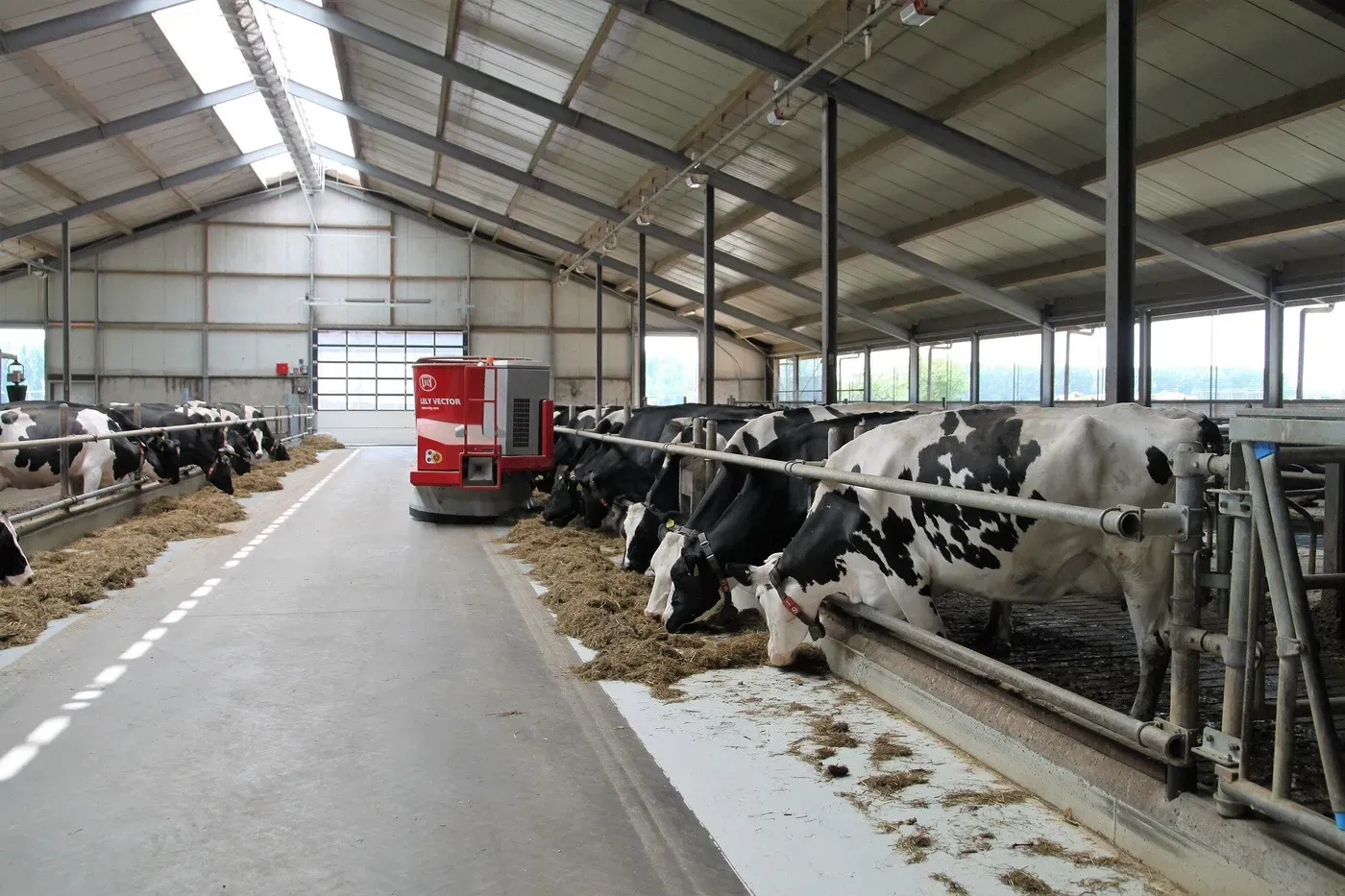
A study has found that using microorganisms in cattle housing can reduce methane and nitrogen emissions from dairy manure.
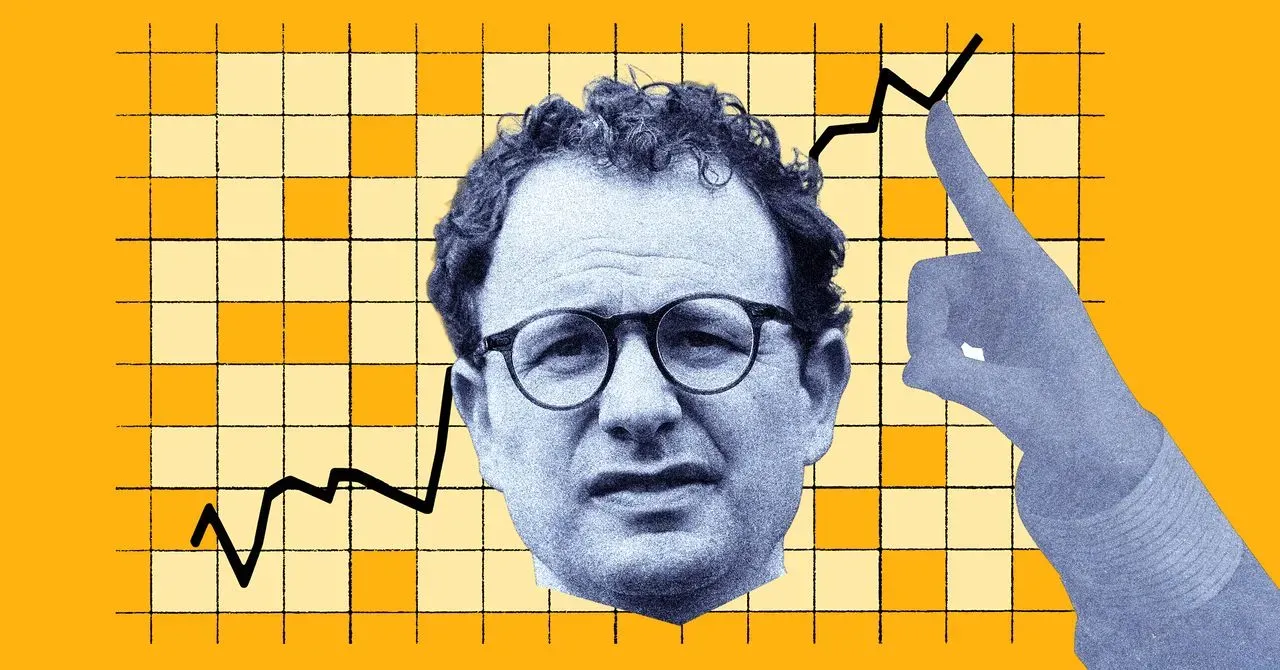
A recent study by Bank of America found that 61% of ultra-high-net-worth respondents are concerned about their children's motivation, with many taking proactive steps to address these concerns.
A recent study has shed new light on the complex relationship between inclusions and corrosion resistance in stainless steel.
A major breakthrough in reducing pollution from traditional brick kilns in Bangladesh has been achieved by implementing relatively simple changes to their operations, decreasing emissions and saving fuel.
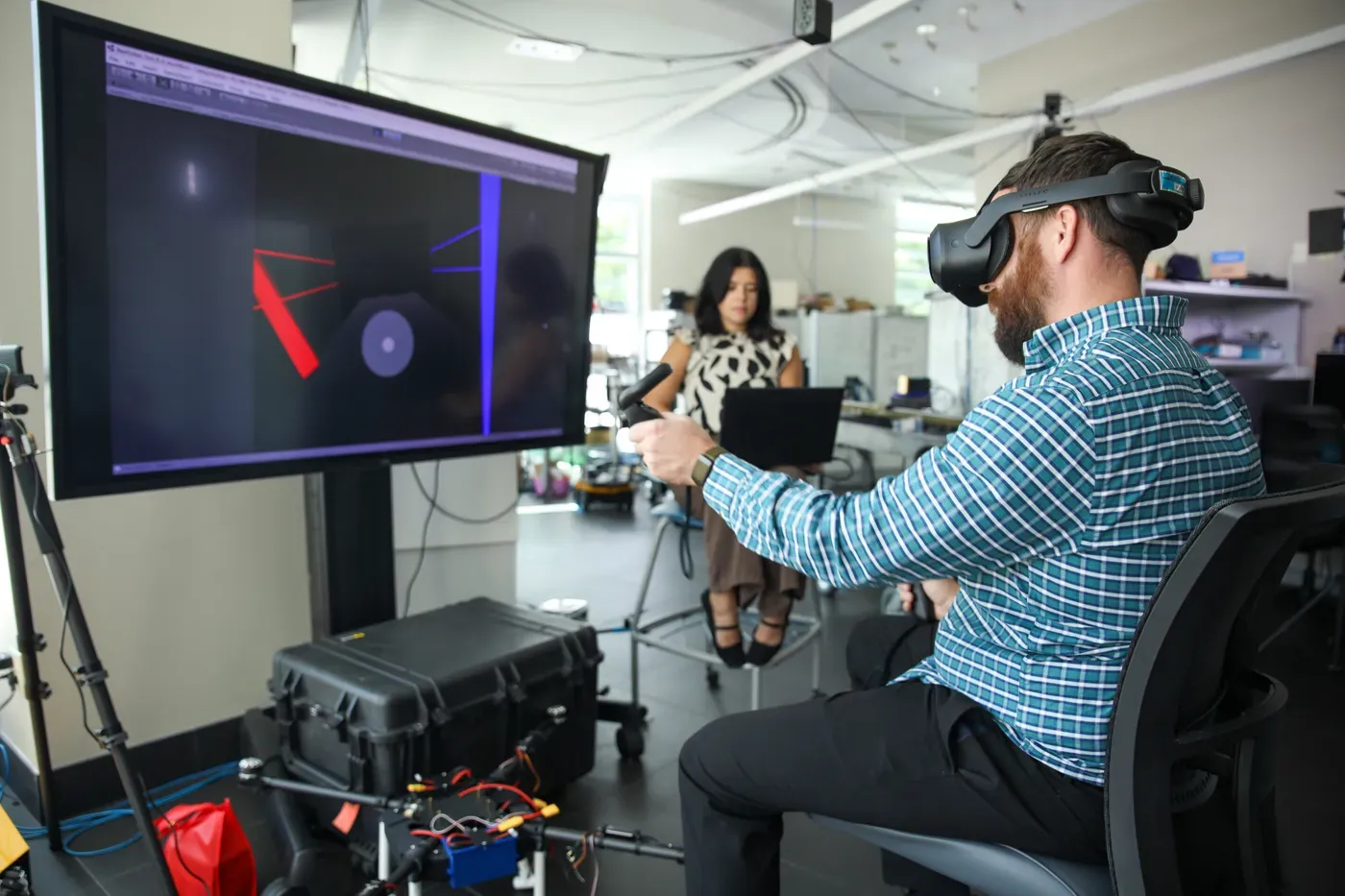
Researchers at Florida Atlantic University's College of Engineering and Computer Science have made a groundbreaking discovery in pattern-based learning, revealing that physical actions can significantly improve the way we learn certain tasks.
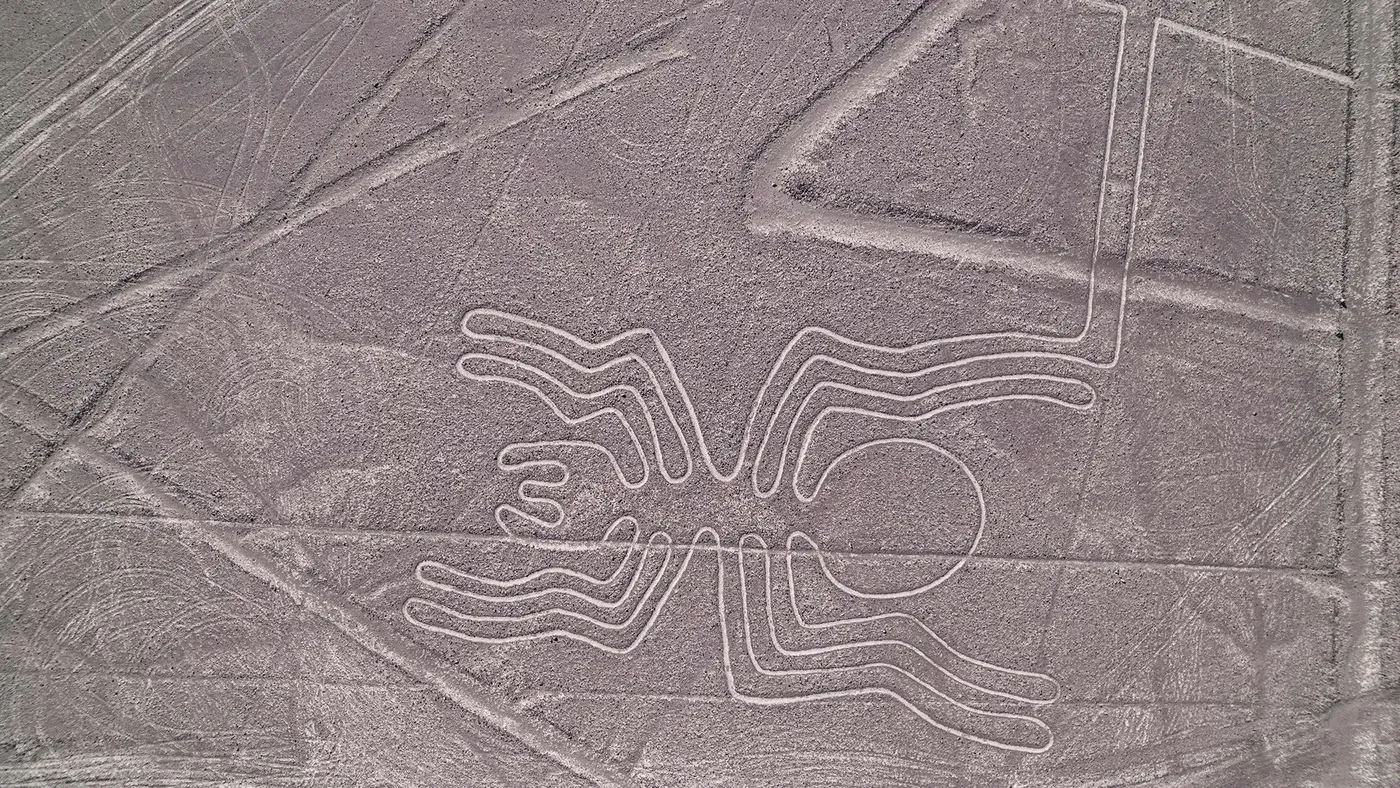
The enigmatic designs have sparked intense debate among scientists since their formal investigation began in the early 20th century.
Scientists have developed a new method for creating glowing biological reporters that can track gene activity in living plants over extended periods.