Conifers show remarkable growth rates in Southern Hemisphere
A study spanning four continents has found conifers planted in the Southern Hemisphere exhibit faster growth rates and drought tolerance compared to their native counterparts.
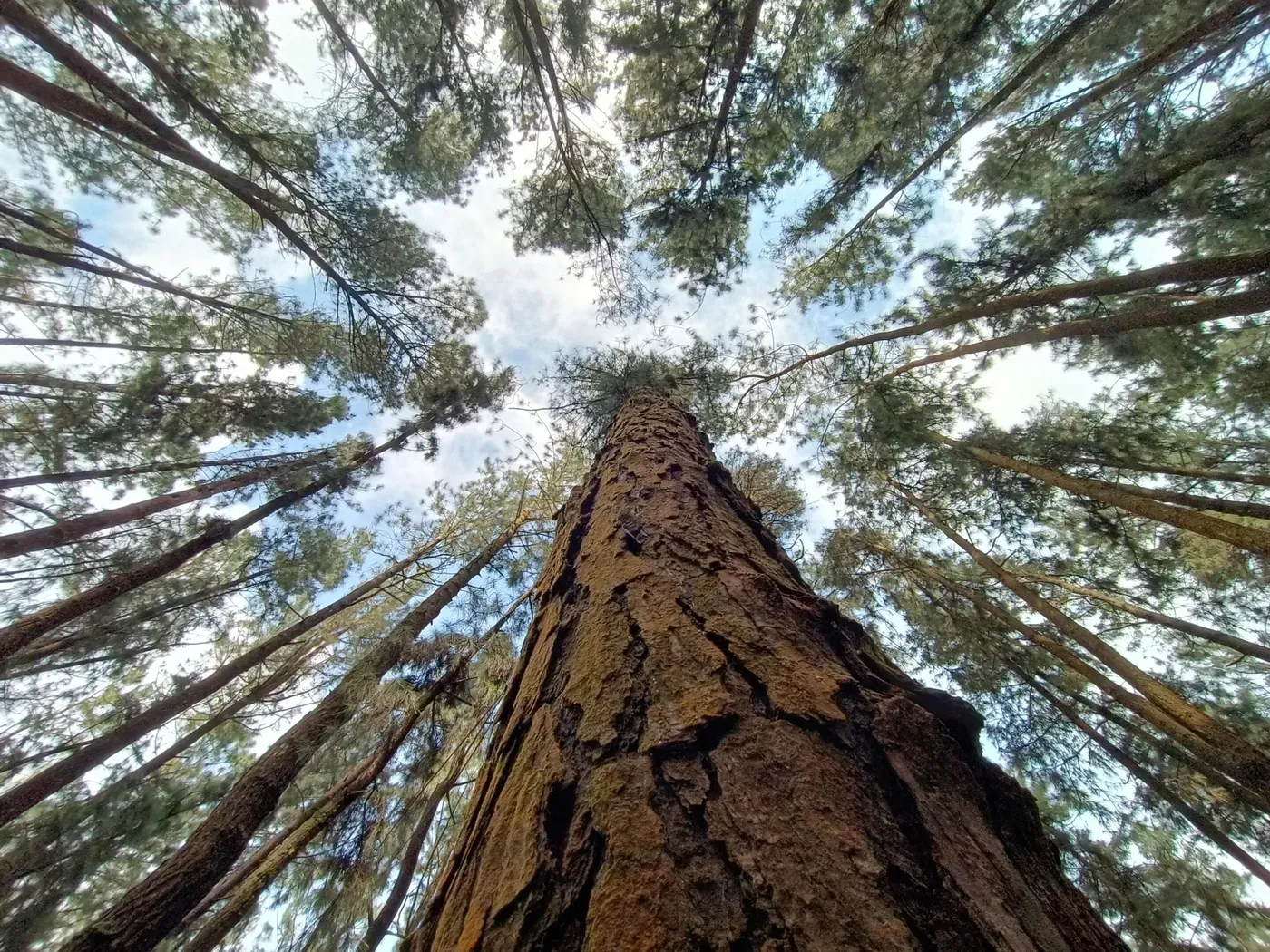
A groundbreaking study has revealed that conifers planted in the Southern Hemisphere exhibit remarkable growth rates and drought tolerance compared to their native counterparts.
The research, spanning 192 sites across four continents, involved a team of over two dozen scientists from around the world, led by University of Mississippi ecologist Stephen Brewer. The findings have been published in the prestigious scientific journal Nature, shedding new light on the adaptability of conifers in non-native environments.
Interestingly, the study found that these foreign-planted conifers can grow up to four times faster and are more resilient to drought than their native counterparts. This rapid growth and increased tolerance to environmental stressors have significant implications for efforts to combat climate change through afforestation initiatives.
However, there may be unintended consequences of planting trees outside their natural habitats. Brewer notes that ecological theory suggests a trade-off between growth rate and stress tolerance, but the study's results challenge this conventional wisdom.
The research highlights the potential for conifers to serve as effective carbon sinks in regions with high levels of atmospheric CO2. As efforts to mitigate climate change gain momentum, understanding the adaptability of tree species will be crucial in informing strategies for reforestation and afforestation projects.
The ability of some tree species to thrive outside their native habitats is a crucial aspect of reforestation efforts, particularly when it comes to creating effective carbon sinks.
Researchers have found that Northern Hemisphere conifers, such as pines and Douglas firs, planted in the Southern Hemisphere exhibit higher concentrations of carbohydrates like sugars and starches. These energy reserves can be used by trees during stressful seasons, potentially explaining their increased resilience in foreign environments.
This phenomenon, where trees skip the typical trade-off between growth and stress tolerance, is a significant finding that highlights the adaptability of certain tree species. According to Alex Fajardo, a researcher at the Institute of Ecology and Biodiversity, this study sheds light on the physiological mechanism behind this increased resilience, an increase in carbon reserves necessary for drought tolerance.
However, while the findings suggest that conifers could be well-suited for afforestation efforts, they also underscore the complexities involved in making such decisions. Fajardo notes that plantations of nonnative conifers have come with significant biodiversity and social costs in regions like South America and Africa.
Pines and Douglas firs are among the tree species studied, which do not naturally occur in the Southern Hemisphere but have been widely planted in countries such as Chile, Brazil, and South Africa for decades.
The introduction of non-native tree species has led to an unexpected issue in various parts of the world. Some of these trees are not content to remain within their designated plantations and are instead expanding into native habitats.
In Brazil, a notable example is the invasion of the Cerrado, a savanna ecosystem that has been overrun by pines from plantations. These trees have proven particularly adept at thriving in this environment, growing faster than native vegetation and effectively displacing it.
The problem is not limited to South America, however. In Mississippi, local lumber industries made the switch from longleaf pines to slash pines in the 1930s due to their faster growth rate. This decision has had unforeseen consequences.
The threat posed by these encroaching trees has led some foresters and nonprofit agencies to reevaluate their strategies and return to more resilient species, such as longleaf pines. These native trees have proven more resistant to fires that can decimate stands of slash pine.
The introduction of non-native tree species can have unintended consequences when planted in foreign environments. In some cases, these trees may thrive at first but ultimately become more susceptible to local threats such as wildfires.
Native Southern Hemisphere trees, specifically those belonging to the genus Nothofagus or southern beeches, demonstrated a notable advantage in growth and drought tolerance compared to their non-native counterparts. This resilience could make them a viable alternative for reforestation efforts seeking to create sustainable carbon sinks.
The findings of this study suggest that native species may offer better long-term prospects than non-native trees, which can sometimes exacerbate local environmental issues like wildfires when planted in high densities.
Facts based on reporting originally published by Phys.org.
You may republish this story, in full or in part, if you credit News Central Site and link to it (licence CC BY 4.0). Photos are not included.