Microplastic Aging Process Revealed in Groundbreaking Study
A groundbreaking study has shed new light on the aging process of microplastics in the environment, revealing how these tiny plastic particles interact with other contaminants as they break...
A groundbreaking study has shed new light on the aging process of microplastics in the environment, revealing how these tiny plastic particles interact with other contaminants as they break down over time.
Microplastics are small pieces of plastic that measure less than 5 millimeters in length, and researchers have been studying their behavior to better understand their impact on the environment. This latest study focused on three common types of polymer chemicals: polyethylene, polyethylene terephthalate, and polypropylene.
As these microplastics age, they undergo changes that can affect how they interact with other substances in their surroundings. The researchers found that microplastics have a tendency to bind to copper, which is a toxic substance that can harm aquatic life like fish, amphibians, and invertebrates.
Microplastics can act as environmental carriers for copper, altering its movement and increasing toxicity when it is discharged into lakes and rivers through wastewater plants. This has significant implications for the health of aquatic ecosystems, which are already vulnerable to pollution from human activities.
Wastewater treatment plants are significant contributors to plastic pollution in natural waters, allowing plastic particles to enter aquatic ecosystems.
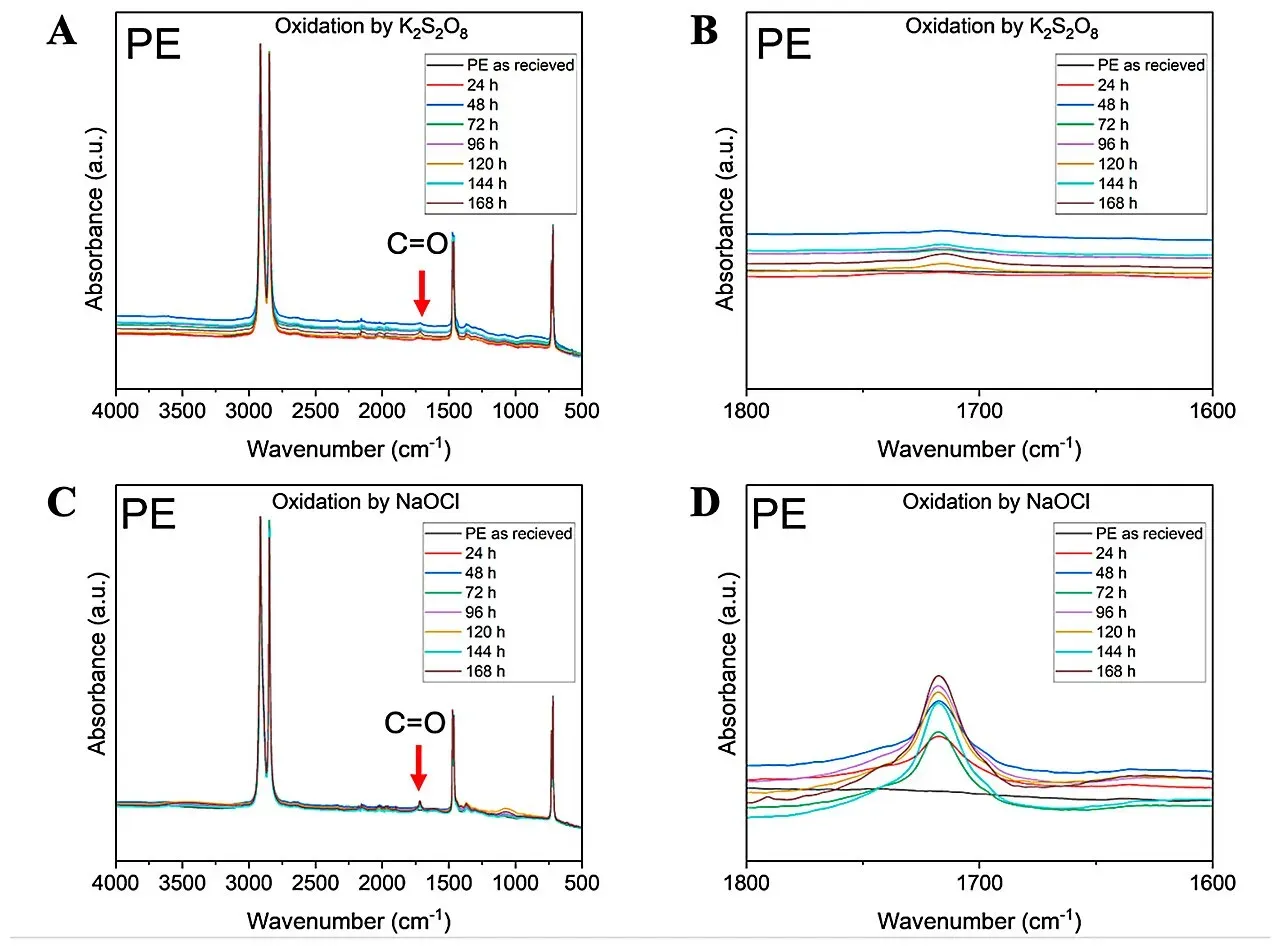
Researchers at Baylor University have developed a method to simulate the aging process of microplastics (MPs) that occur during wastewater treatment. They achieved this by accelerating chemical oxidation of three common MP polymers, mimicking the conditions found in these plants where plastics tend to accumulate.
The team's experiments revealed that both pristine and oxidized MPs can attach to copper across all three studied polymers. This suggests that microplastics can interact with contaminants like copper regardless of their condition.
However, the researchers warn that the role of microplastics as vectors for copper ions in real-world environments may be more complex or variable than observed under these accelerated conditions and should be viewed with caution.
The accelerated aging process used in this study allowed researchers to simulate the effects of environmental stressors on microplastics over time. This enabled them to examine how changes in physical properties and chemical cargo might influence interactions between microplastics and contaminants such as copper ions.
The research suggests that aged microplastics can indeed act as vectors for copper ions, potentially altering their bioavailability and risk profile. However, the findings also highlight the complexity of these interactions, underscoring the need for further investigation into real-world environmental contexts.
Facts based on reporting originally published by Phys.org.
You may republish this story, in full or in part, if you credit News Central Site and link to it (licence CC BY 4.0). Photos are not included.