Iranians Flee Homeland Amid Economic Turmoil and Conflict
A growing number of young Iranians are fleeing their homeland in search of better opportunities abroad due to the death of Jina Mahsa Amini, the US-Israel war with Iran, and economic mismanagement.
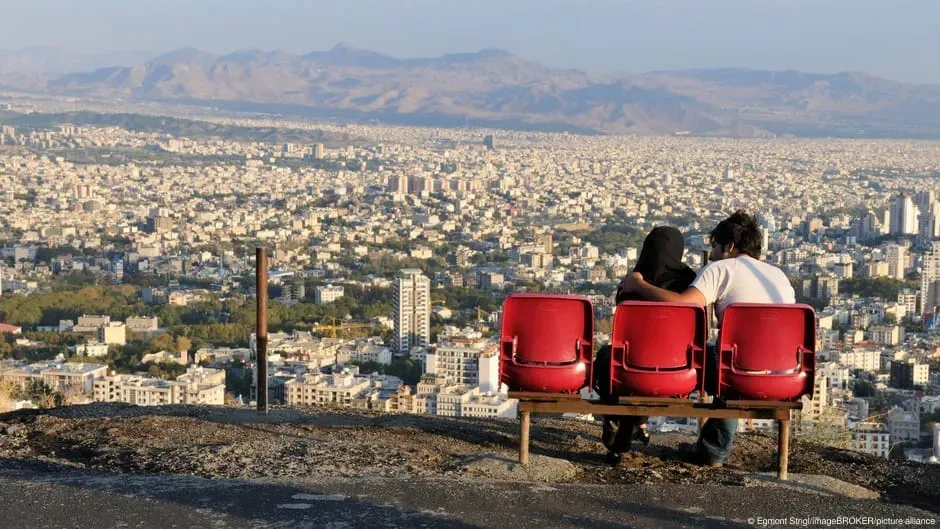
A growing number of young Iranians are fleeing their homeland in search of better opportunities abroad.
The decision to leave was triggered by a series of events, including the death in custody of 22-year-old Jina Mahsa Amini in 2022. The Iranian-Kurdish woman had been arrested for allegedly violating Iran's strict dress code, sparking widespread protests and inspiring the "Woman, Life, Freedom" movement.
Amini's death was a turning point for many young Iranians who felt that their future in the country was uncertain. They began to question the morality police's authority and the hijab mandate enforced by authorities.
The physician, who wished to remain anonymous, explained that her decision to leave Iran was also influenced by the US-Israel war with Iran. She had been living with her family in a rented apartment in Turkey since early summer, hoping to eventually continue on to Germany.
She had applied for an appointment at the German Embassy in Tehran two years ago but faced significant delays due to bureaucratic hurdles. Her professional qualifications were only recognized in Germany after a lengthy process.
The escalating conflict in Iran has sparked a growing exodus of young talent from the country, with many seeking refuge in neighboring Turkey.
Turkey's relaxed visa policy for Iranian citizens allows them to enter without a visa for up to 90 days, making it an attractive option for those fleeing the conflict.
A significant number of Iranians have already crossed into Turkey since the latest conflict began, with thousands more attempting to secure their stay through residence permits rather than seeking asylum.
Many of these individuals are skilled professionals and academics who hope to settle permanently in Europe or North America, disillusioned by Iran's war-hit economy and the prospect of little future there.
The turmoil in Iran has been compounded by decades of sanctions and economic mismanagement, with a US naval blockade of Iranian ports in the Gulf disrupting oil exports, trade, and government revenues.
The economic pressures imposed by sanctions and mismanagement have led to a decline in Iran's ability to provide its citizens with essential services. Basic necessities like food, housing, healthcare, and education are becoming increasingly unaffordable for many people.
As a result of the worsening conditions, individuals are being forced to make difficult decisions about their future. Some, like physicians, are choosing to stay abroad until circumstances improve in Iran. However, others, including those who initially moved to Turkey, have decided to return home and submit new visa applications from within the country.
The improved situation at the German embassy in Tehran has prompted some individuals to reconsider their plans for immigration. Unmarried friends of a physician, who had previously spent significant sums maintaining their stay in Turkey, are now returning to Iran to apply for visas from home.
Many Iranians are weighing the risks and benefits of emigration, particularly those with family ties abroad. They must balance the uncertainty of waiting for family reunification visas against the possibility of new conflicts erupting in the region.
The brain drain caused by the departure of highly qualified professionals and students has become a pressing concern for Iranian society as a whole. It's estimated that few families remain untouched by emigration, with many others considering leaving due to the dire economic situation.
The University of Guilan's 2025 study on social participation and emigration intentions among Iranian students has shed light on a concerning trend. Researchers discovered a significant correlation between limited opportunities for shaping one's future in Iran and a higher likelihood of considering emigration.
Economic concerns are not the sole driving force behind this trend, as many young Iranians feel constrained by their country's strict social and political environment. A sense of powerlessness and limited participation in decision-making processes have become major push factors for emigration.
For some, securing a spot at a foreign university is already within reach. Mahsa, a mid-twenties student, has secured admission to a German university, paving the way for her departure from Iran. Others, like Ali, are taking steps towards leaving, with his long-term goal of obtaining a stronger qualification and eventually departing.
Ali's plans are ambitious: he aims to secure a scholarship that will allow him to leave Iran in pursuit of a better future.
Facts based on reporting originally published by DW English.
You may republish this story, in full or in part, if you credit News Central Site and link to it (licence CC BY 4.0). Photos are not included.