Mosquitoes bred to carry Wolbachia bacteria show significant reduction in dengue infections
A study in Brazil found a 69% decrease in dengue cases among children living in areas with Wolbachia-carrying mosquitoes, even during a severe outbreak in 2024.
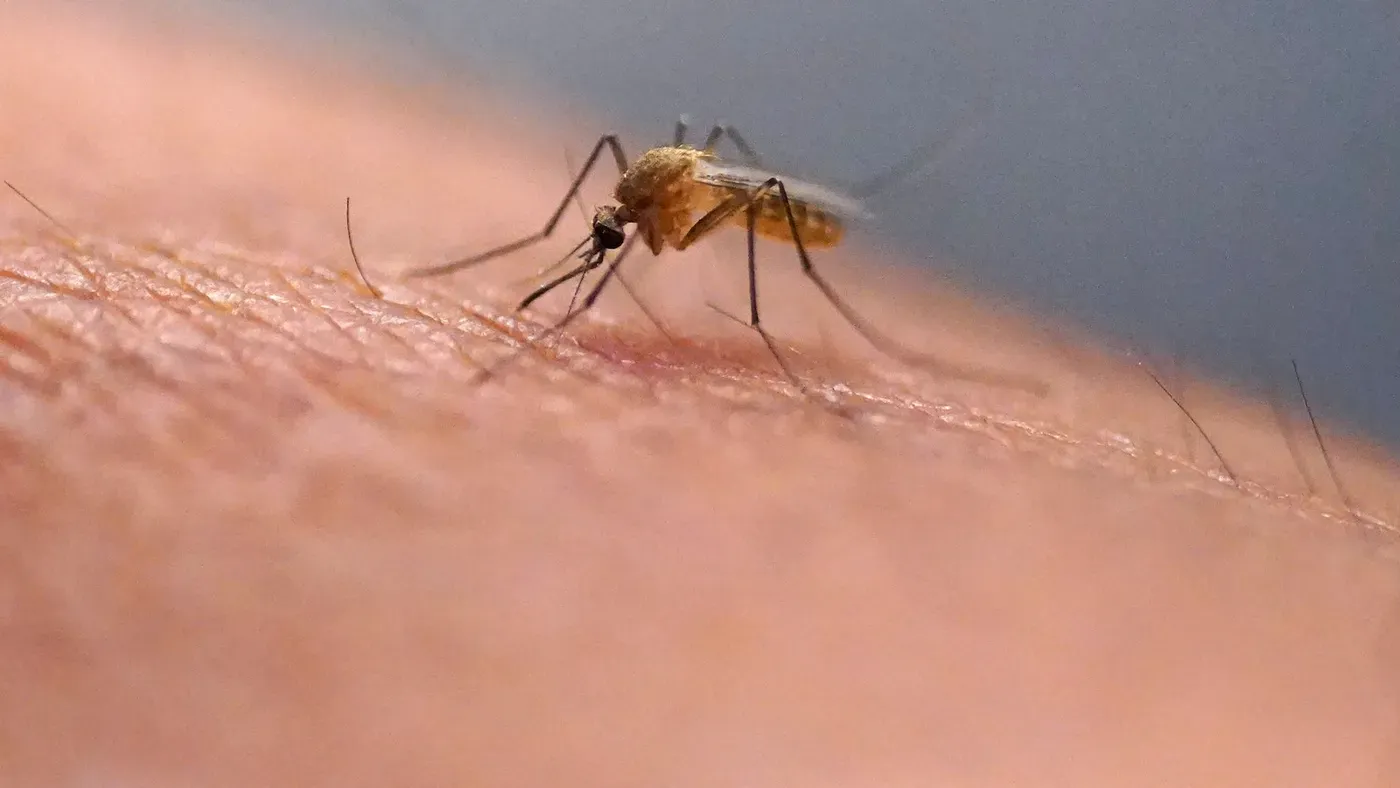
New research offers a promising solution to combat dengue infections: breeding mosquitoes that cannot transmit the virus.
A major study conducted in one of the world's most affected areas, Brazil, has provided strong evidence for this approach. The researchers tracked over 5,700 schoolchildren living in neighborhoods where Wolbachia-carrying mosquitoes were present and found a significant reduction in dengue and chikungunya infections.
The findings show that these special mosquitoes led to about a 69% decrease in the number of cases among the children compared to similar areas without them. This effect persisted even during Brazil's severe dengue outbreak in 2024, according to Dr. Sri Edupuganti from Emory University, who was part of the research team.
The study's results were presented at a meeting of the American Society of Tropical Medicine and Hygiene. Experts are now considering how this new approach can be combined with existing methods to combat mosquito-borne diseases.
Dr. David Hamer, a global health expert at Boston University, believes that using Wolbachia mosquitoes alongside other measures could significantly reduce dengue cases in many areas.
Florida is currently battling a significant outbreak of dengue fever, which appears to be the largest in any US state since at least the 1940s.
The majority of locally acquired cases have been reported in Hillsborough County, where Tampa is located. According to health officials, this county accounts for more than three-quarters of the over 650 locally acquired cases tallied as of Friday.
Outside the US, a nonprofit organization has been at the forefront of developing an innovative approach to controlling dengue transmission.
Scientists have discovered that by breeding mosquitoes to carry a specific bacteria called Wolbachia, they can significantly reduce the insects' ability to transmit certain viruses. This approach is based on the fact that Wolbachia is harmless to humans but naturally occurs in many other insects.
Field trials and studies conducted in Indonesia and elsewhere have demonstrated the effectiveness of this strategy in lowering dengue diagnoses.
Preliminary results from the four-year study indicate that neighborhoods where Wolbachia mosquitoes were released had significantly lower dengue diagnoses compared to areas without these specially bred insects.
While it remains unclear whether the Wolbachia mosquitoes have an impact on Zika cases due to their rarity in the area, researchers are optimistic about the potential of this strategy to combat dengue fever.
Facts based on reporting originally published by ABC News Health.
You may republish this story, in full or in part, if you credit News Central Site and link to it (licence CC BY 4.0). Photos are not included.