Science
Dark Energy May Evolve Over Time According to Recent Observations
Recent data from the Dark Energy Spectroscopic Instrument (DESI) suggests that dark energy may change over time, challenging a long-standing assumption.
Recent data from the Dark Energy Spectroscopic Instrument (DESI) suggests that dark energy may change over time, challenging a long-standing assumption.
A recent study from Finland has shed light on the development of identity throughout adulthood, finding that it can continue to evolve positively even into old age.
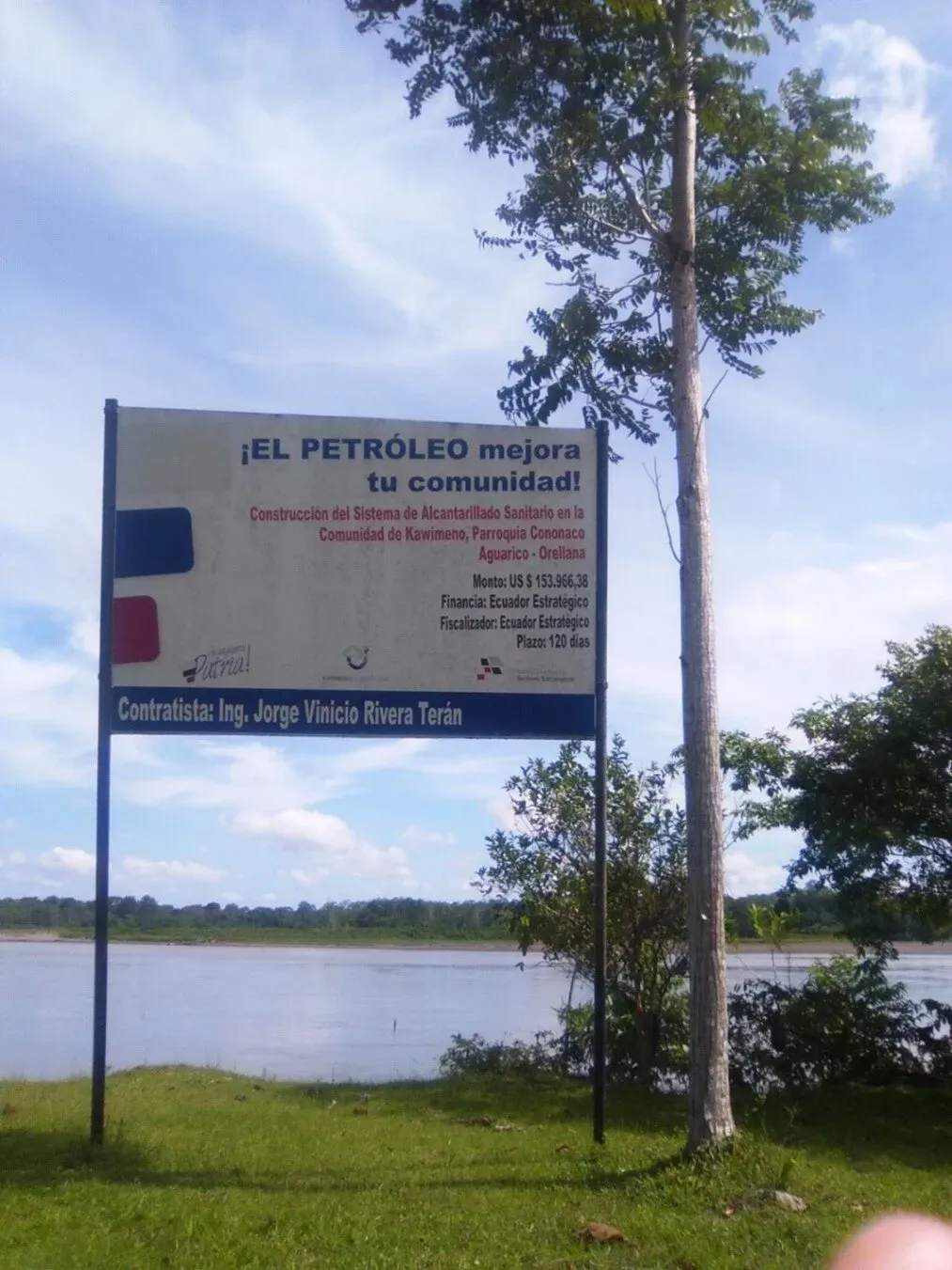
A new study conducted along the Lower Napo River in Ecuador found that Indigenous communities may accept oil extraction due to uneven distribution of its impacts and benefits.
Scientists have successfully reconstructed the family tree of cells within mouse embryos over 13.5 days, providing valuable insights into how cells' early ancestry influences their later fates.
A new study has found that low oxygen levels in Florida's Banana River are contributing to the release of nutrients, which can fuel the growth of harmful algal blooms.
A forthcoming study suggests that despite widespread concerns over AI's impact on employment, the US economy will experience a net gain in jobs by 2035 due to new job creation offsetting losses from automation.
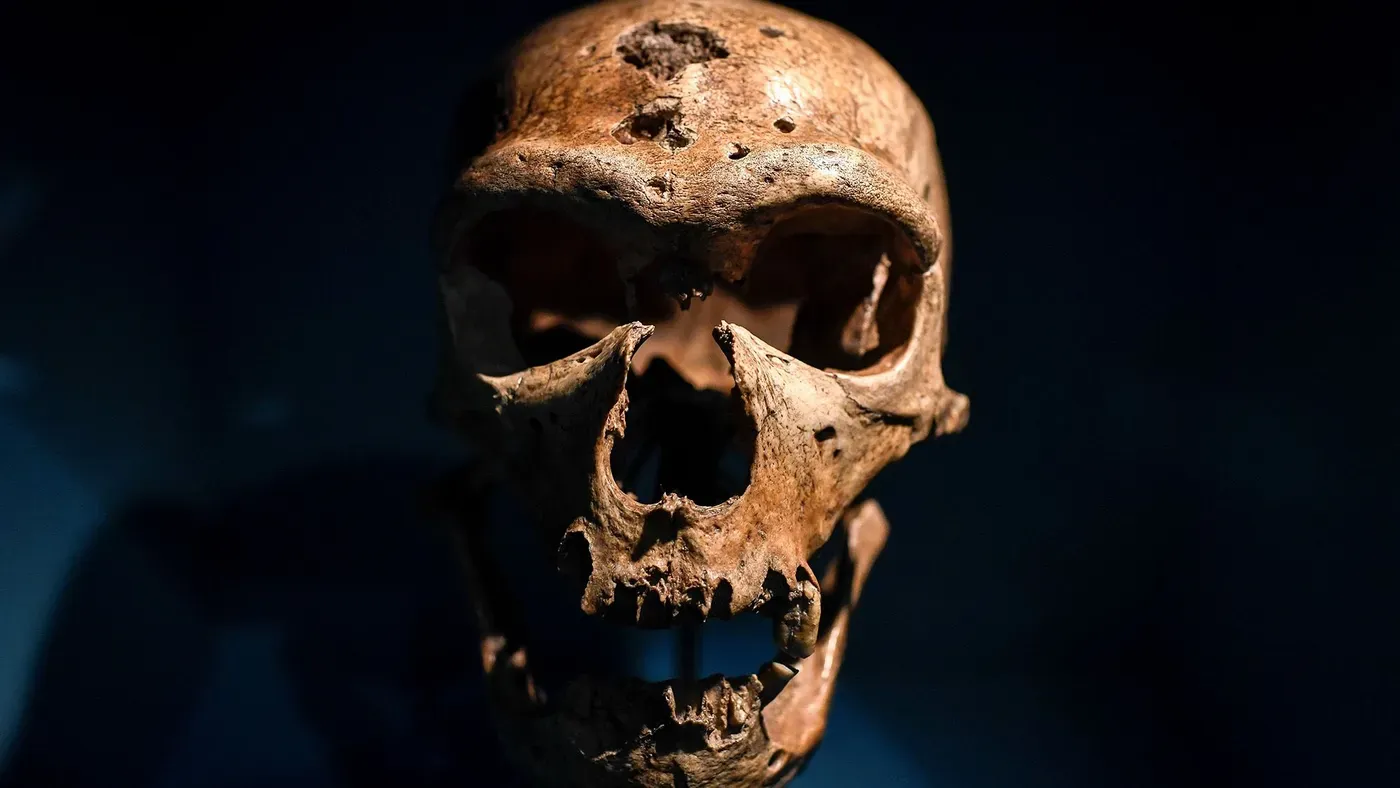
Historian Peter Sahlins examines the complex relationship between modern humans and Neanderthals through the lens of cultural and political ideologies.
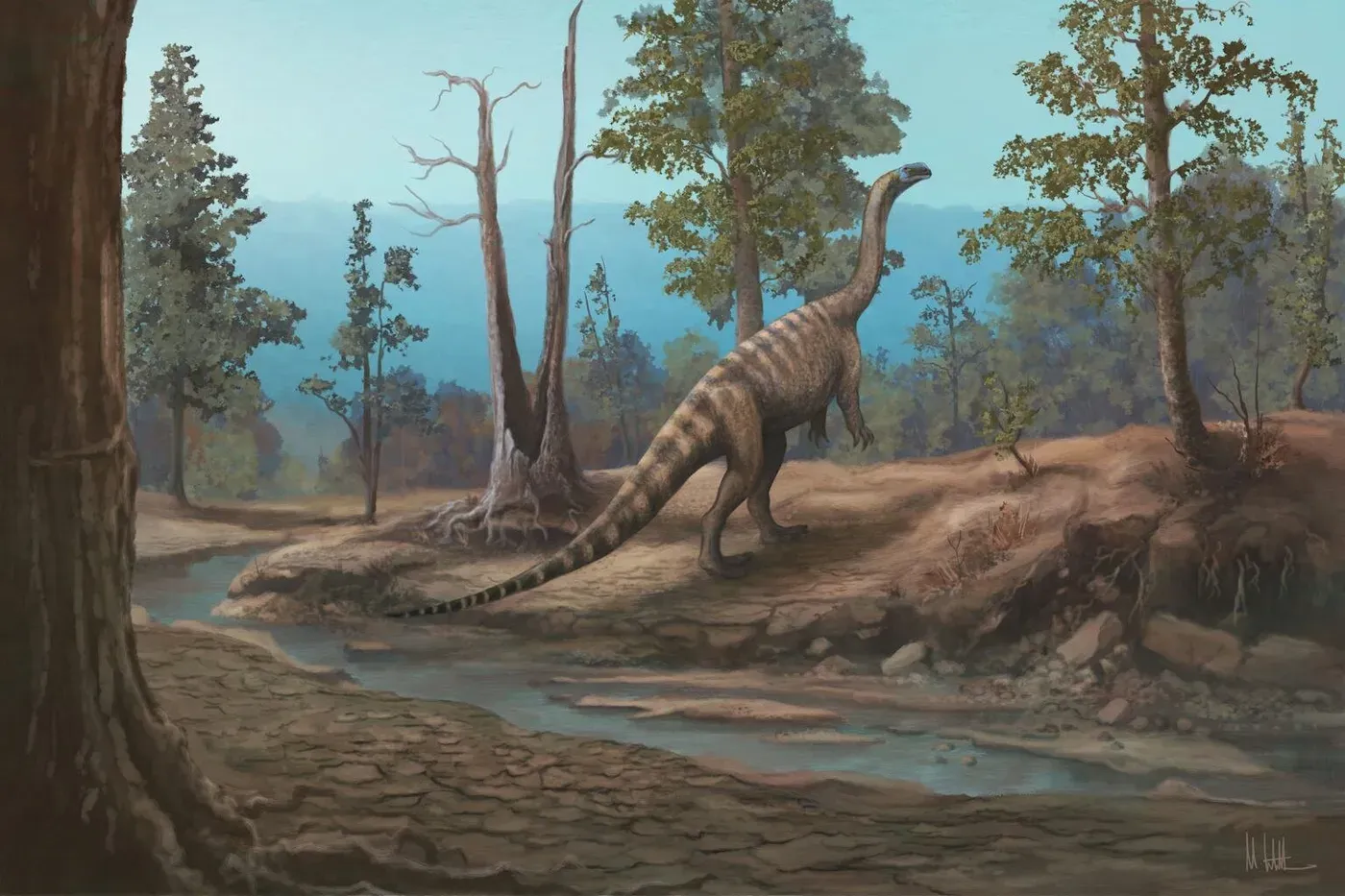
Researchers have identified a new dinosaur species, Musango matusadonaensis, found near the Nyamasango River in Zimbabwe.
A three-year experiment found that quaking aspen trees exposed to drought conditions had higher levels of salicinoid phenolic glycosides in their leaves.
Researchers have made significant progress in distinguishing different quantum excitations within individual molecules. This achievement is crucial for understanding complex molecular...
A study on dog aging has found that smaller breeds tend to outlive their larger counterparts, despite larger animals often living longer in general.
A team of mathematicians has discovered a potential flaw in OpenAI's recent proof of the Navier-Stokes problem.
Researchers at the Wharton School of the University of Pennsylvania are investigating whether GLP-1 medications can minimize impulsive decisions and reduce addictive behaviors.
A recent study found that over half of LGBTQ+ adults experienced food insecurity in 2024, a trend not fully explained by income disparities.
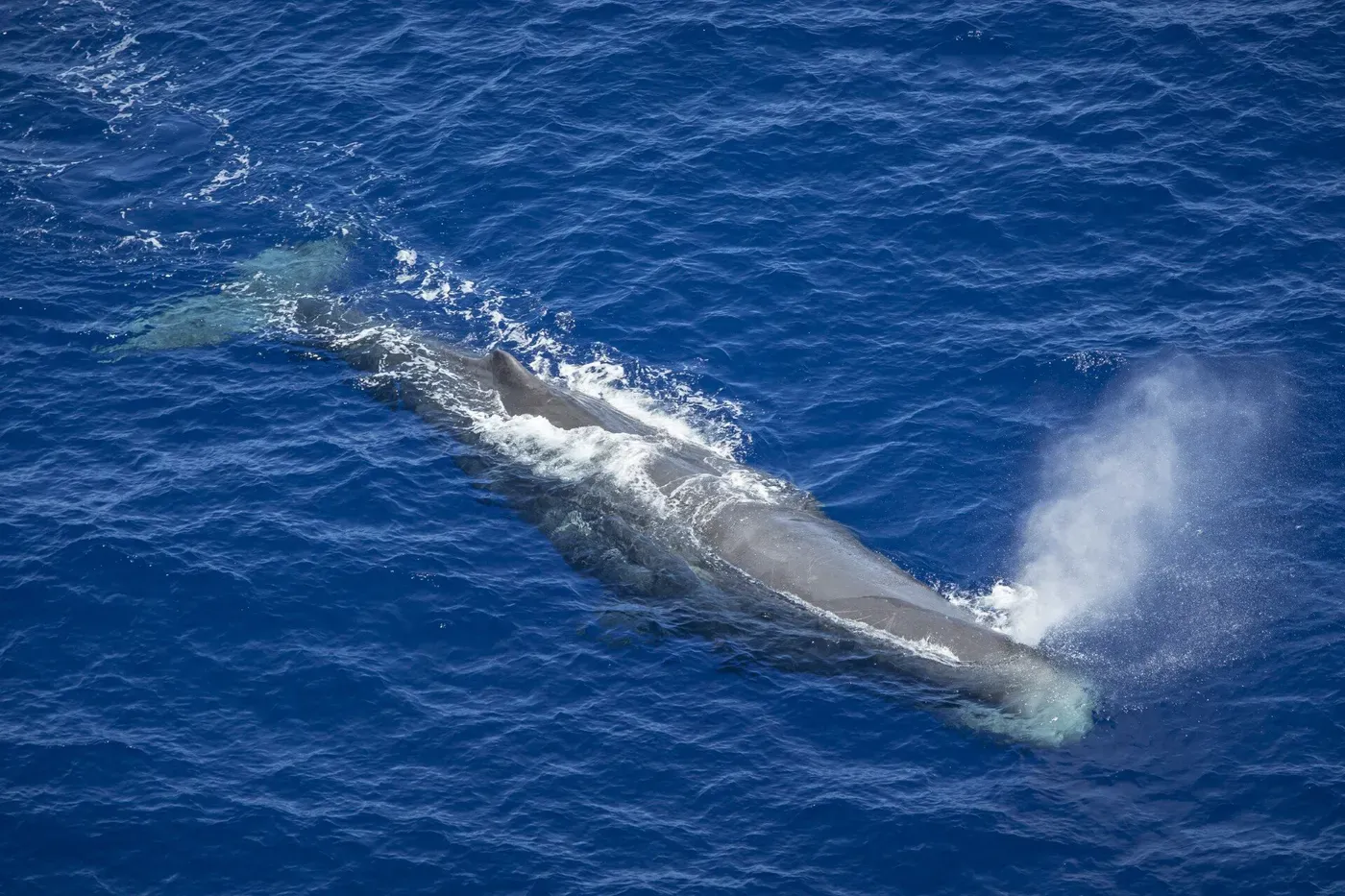
A new study has highlighted the need for comprehensive ocean conservation efforts that can adapt to changing climate conditions, particularly in areas where sperm whales roam.
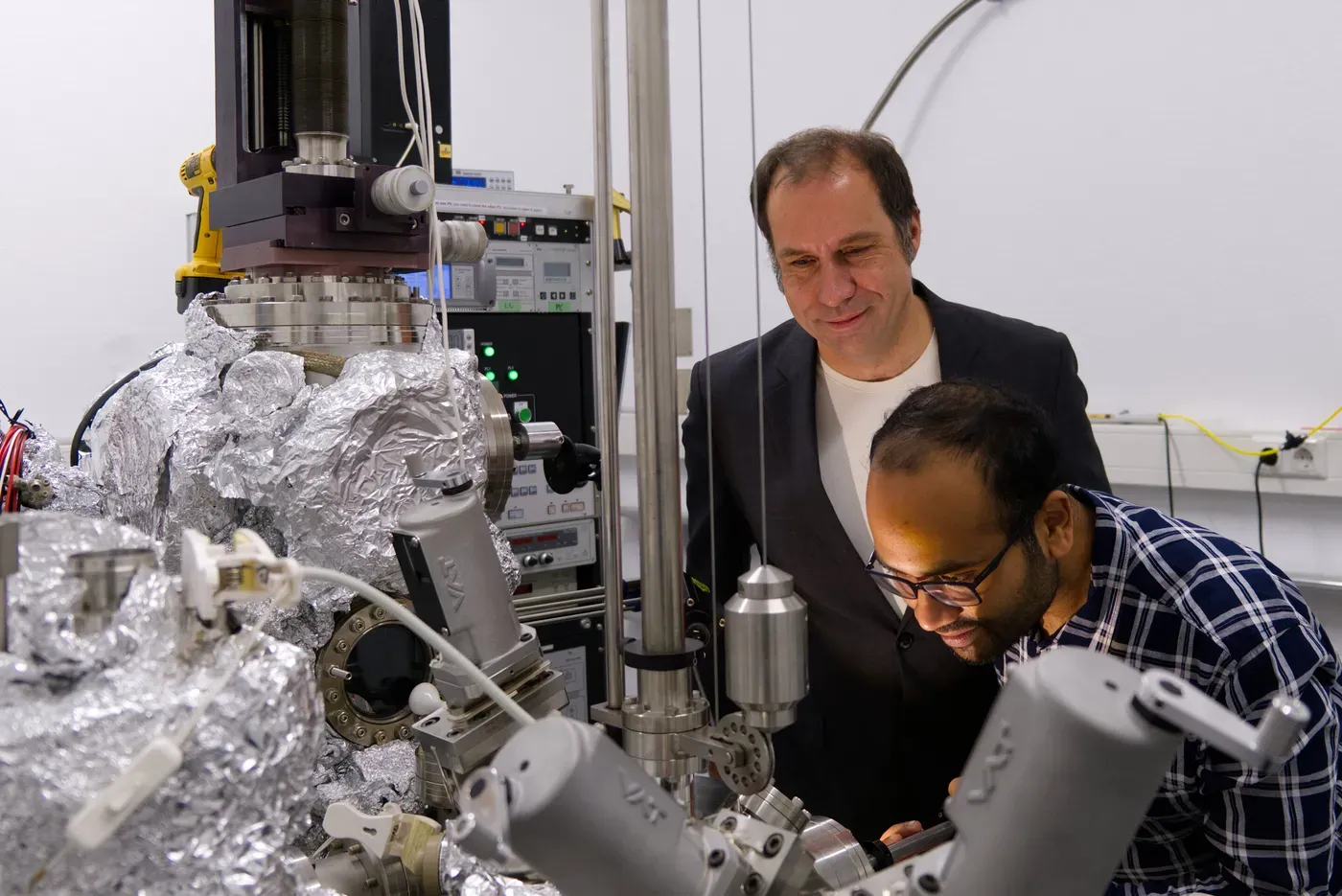
Researchers from Tsinghua University and others studied cobalt-doped barium iron arsenide to understand its electronic states.
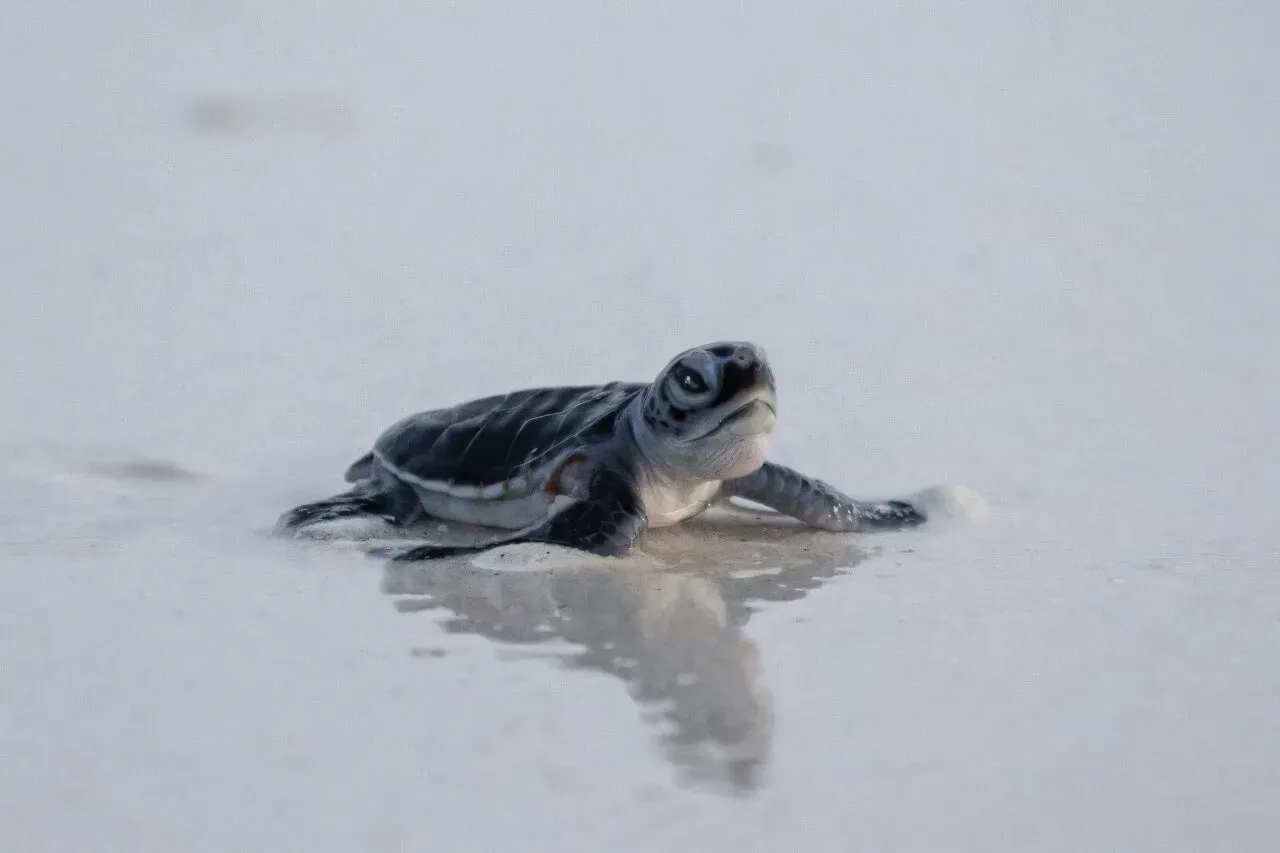
A species that was once considered endangered has been reclassified as "least concern" due to years of dedicated protection and conservation effort.
A recent study has found that women tend to view mistakes more negatively than men, with those working in predominantly male teams feeling less comfortable admitting errors and expecting penalties.
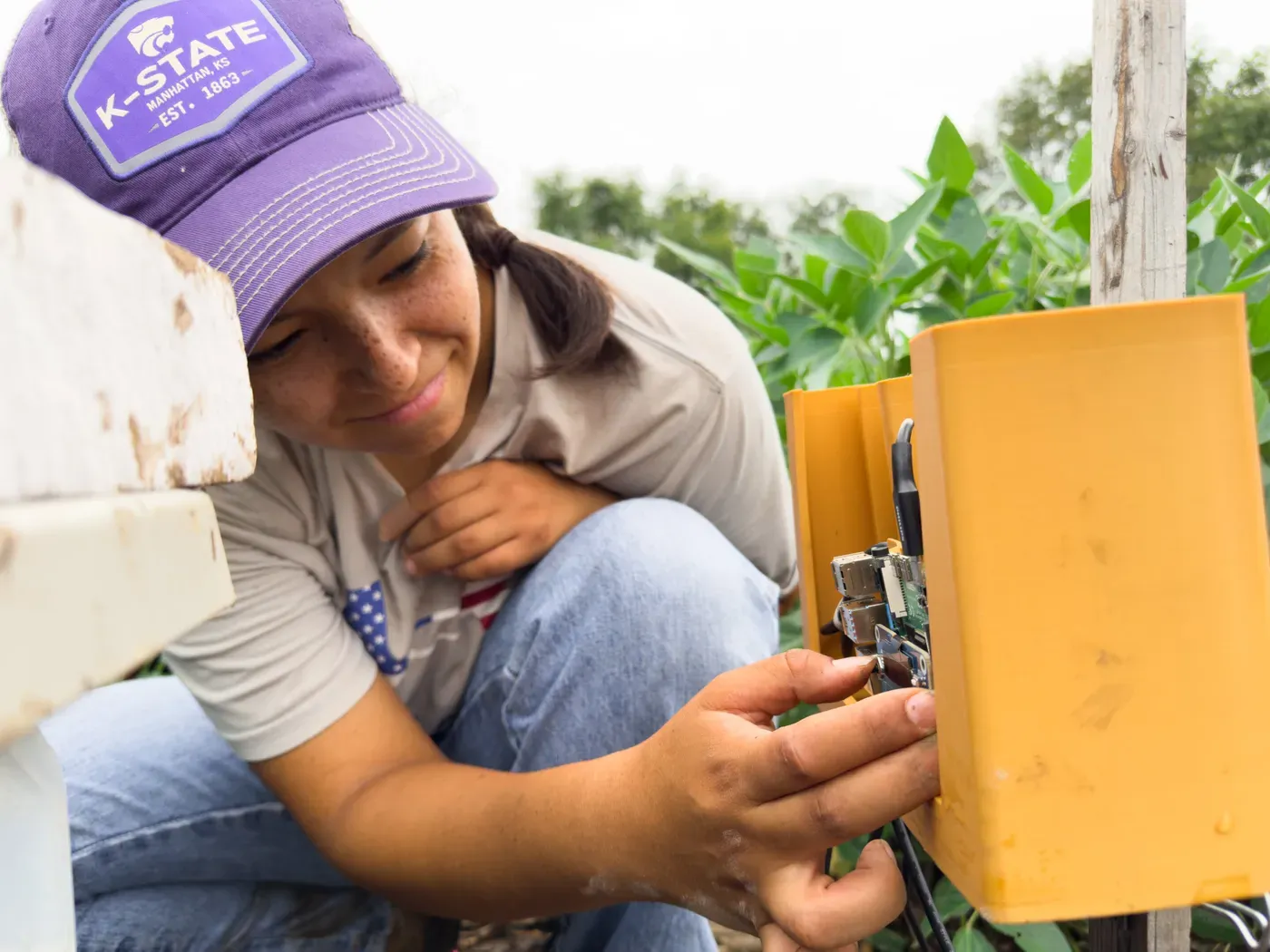
A team of researchers from Kansas State University has embarked on an innovative approach to detecting crop pests: listening to the sounds made by insects that are hiding within crops.
A team of researchers from Korea has shed new light on how massive iron ore deposits formed throughout geological history.