New Study Reveals Uneven Distribution of Oil Extraction Impacts and Benefits
A new study conducted along the Lower Napo River in Ecuador found that Indigenous communities may accept oil extraction due to uneven distribution of its impacts and benefits.
A new study has shed light on why some Indigenous communities may accept oil extraction in their territories despite its potential harm to their environment and livelihoods.
According to the research, which was conducted along the Lower Napo River in the Ecuadorian Amazon, the uneven distribution of oil extraction's impacts and benefits plays a significant role in this acceptance. The study found that while the negative effects of oil extraction can extend far beyond the immediate area where it takes place, the economic benefits are typically only offered to communities directly hosting the project.
Dr. Julie Dayot spent eight months with Quichua communities during the expansion of a major oil project and observed firsthand their willingness to accept new oil extraction despite anticipating its ecological damage and impacts on their livelihoods. Her research suggests that the decisions made by these communities cannot be viewed in isolation from the broader environmental context.
The study highlights how river pollution, for instance, can affect communities downstream long before oil extraction enters their own territories, effectively creating a ripple effect of harm. Conversely, the benefits offered by oil companies are typically only extended to the communities where the project is located, leaving those living elsewhere to bear the costs without receiving any compensation.
Dayot's findings challenge traditional views on the relationship between Indigenous communities and oil extraction, suggesting that their decisions may be more nuanced and complex than previously thought.
The research focused on Quichua communities along the Lower Napo River in Ecuador, where over half of the Amazon has been earmarked for oil drilling. The study area included six communities whose territories overlap with the large-scale Ishpingo-Tambococha-Tiputini (ITT) oil project. This region is home to significant oil reserves and faces intense extraction activities. As a result, local communities are grappling with the consequences of oil extraction.
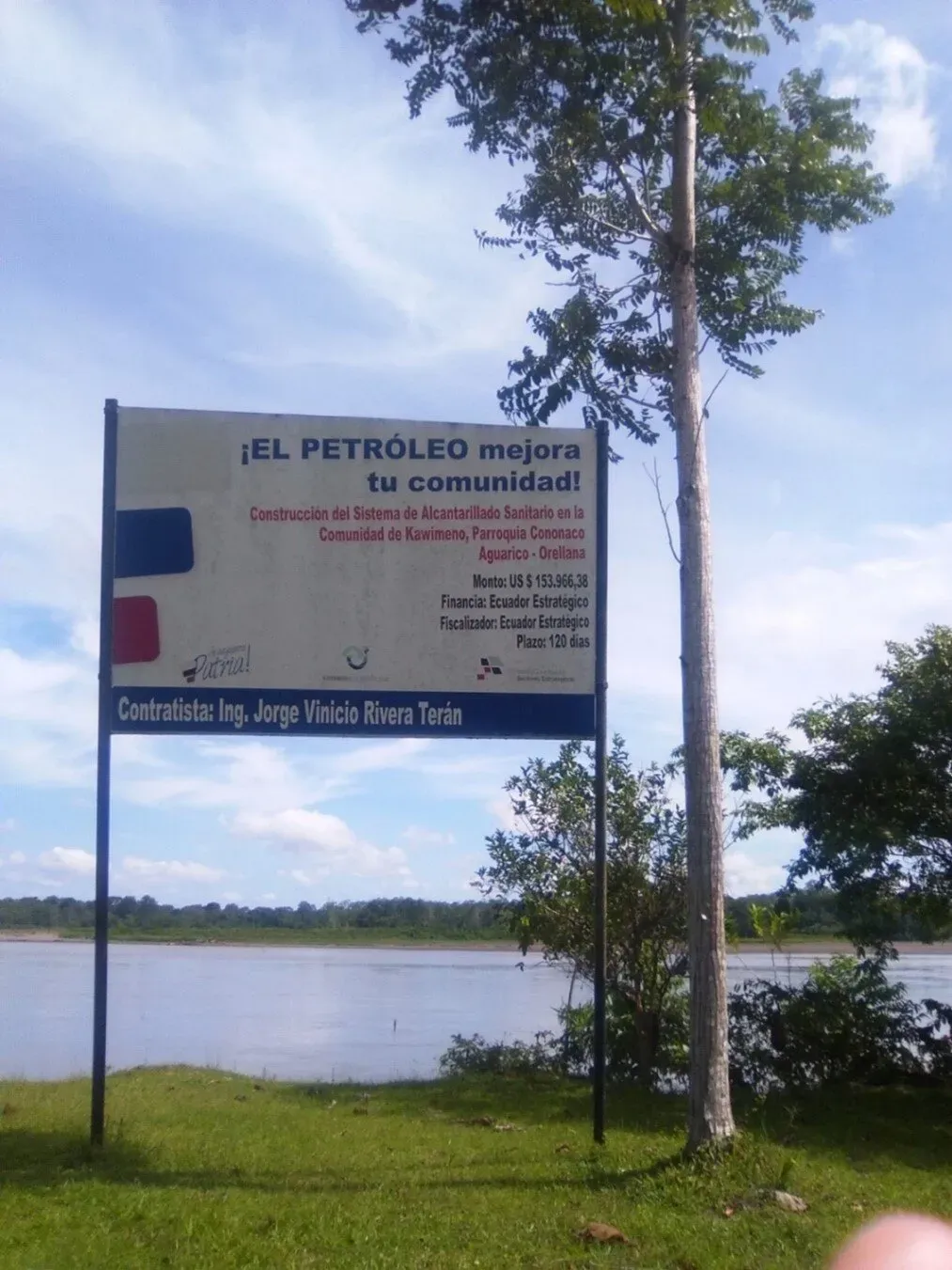
A striking example of this issue emerged when examining the availability of drinking water in these communities. The river they rely on was already heavily polluted due to earlier oil extraction upstream, which had contaminated the water source. In response to this problem and anticipating further contamination from new extraction activities, several communities approached the oil company with a request for drinking water systems.
The oil company's presence has created an interesting dynamic in these communities, where oil is seen as both a source of environmental harm and a means of addressing some of its expected impacts. Local residents are not oblivious to the potential dangers of oil extraction but have come to view it as a necessary evil that can also mitigate existing problems.
The study highlights the complexities surrounding Indigenous communities' decisions regarding oil extraction, which may seem counterintuitive at first glance. Dayot's research underscores the importance of considering the uneven conditions under which these decisions are made, rather than simply focusing on the decisions themselves.
Environmental degradation often has a more tangible impact on Indigenous communities than just being an abstract concern. For these communities, their livelihoods are directly tied to the natural resources they rely on for water, food, and materials.
The presence of oil companies can be enticing, offering financial incentives, job opportunities, and infrastructure improvements that may seem beneficial at first glance. However, this can lead to a trade-off where environmental damage is tolerated or even desired in exchange for these benefits.
Ultimately, the decision-making process for Indigenous communities is often made under uneven conditions, with limited power to reject projects that threaten their livelihoods despite their damaging consequences.
Facts based on reporting originally published by Phys.org.
You may republish this story, in full or in part, if you credit News Central Site and link to it (licence CC BY 4.0). Photos are not included.