Low Oxygen Levels Contribute to Harmful Algal Blooms in Florida's Banana River
A new study has found that low oxygen levels in Florida's Banana River are contributing to the release of nutrients, which can fuel the growth of harmful algal blooms.
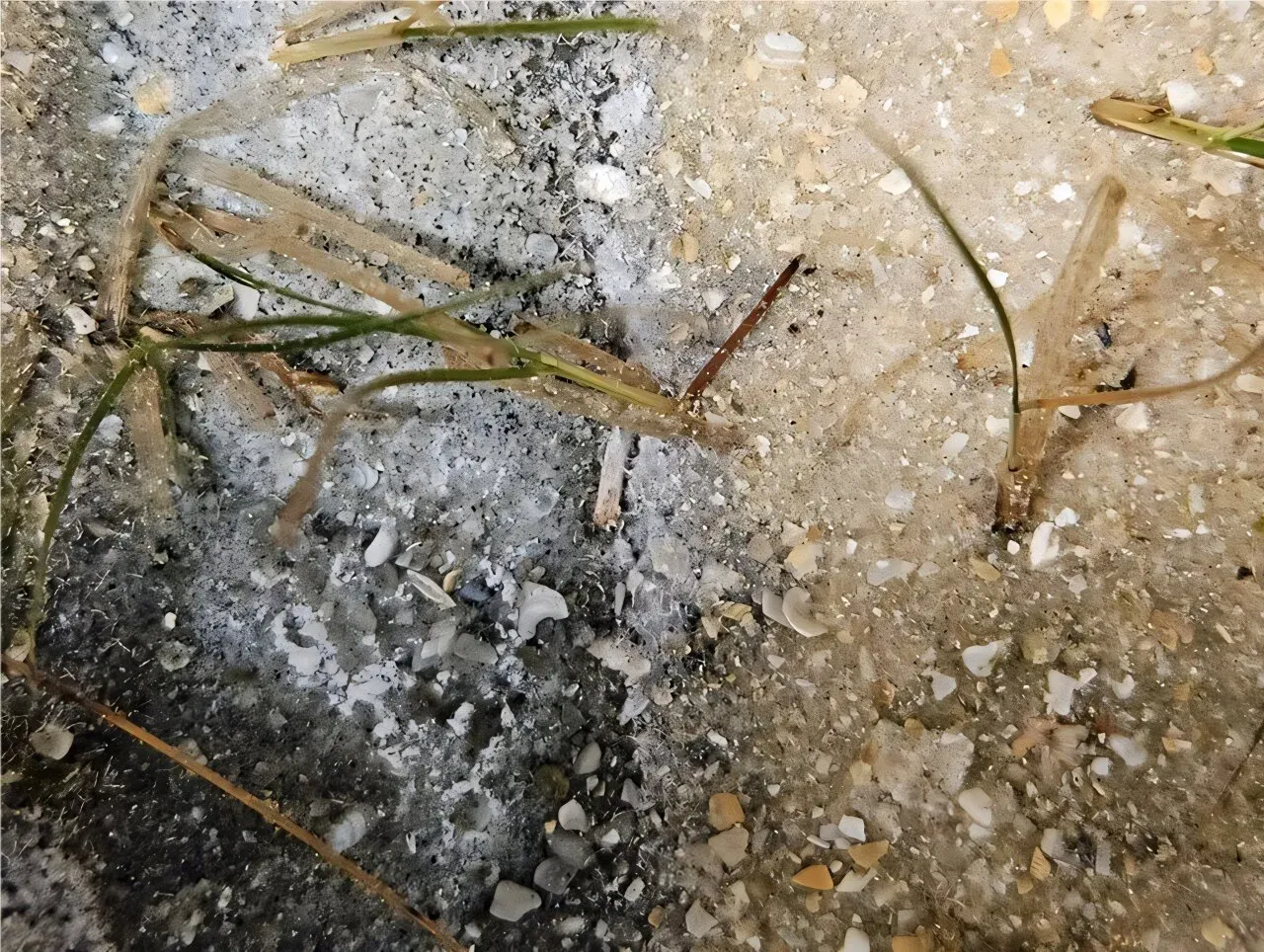
A new study has found that low oxygen levels in Florida's Banana River are contributing to the release of nutrients from the river floor, which can fuel the growth of harmful algal blooms.
The research, conducted by a team led by assistant professor Austin Fox from the Florida Institute of Technology, used extensive data on oxygen levels at 80 test locations across the shallow estuary. This allowed the researchers to map areas with the most severe hypoxia, or low dissolved oxygen levels, which can be detrimental to marine life.
The study focused on the Banana River, part of the Indian River Lagoon system, where widespread testing had not been conducted before. The team's findings have shed light on the impact of low oxygen levels in this particular region.
The research was published in the journal Frontiers in Marine Science in August and provides valuable insights into the effects of hypoxia in the Banana River ecosystem.
The research team discovered a significant difference in oxygen levels between the sediment-water interface and other areas of the river. Specifically, they found that oxygen levels at the sediment level were 10% to 15% lower than near the surface or at mid-depth.
This disparity is particularly relevant because it affects certain species that live in the sediment, such as clams, shrimp, and worms. These organisms are sensitive to low oxygen levels and can be harmed by hypoxia.
The deposits of muck found on the river floor appear to be a significant contributor to hypoxia, with effects extending up to 500 meters away from their physical location. This is one factor driving sediment-level hypoxia throughout the Indian River Lagoon.
Hypoxic events in the Banana River are not only frequent but also brief, occurring about 90% of the time according to sensor data collected by the research team.
The impact of hypoxia on marine life in Florida's Banana River is multifaceted. The presence of muck in the water pulls oxygen out, causing harm to bottom-dwelling organisms and bacteria that are essential for keeping sediment oxygenated.
This barrier between the water and phosphorus-rich sediment is crucial as it prevents the damaging nutrient from being released into the water. However, when these organisms die, they release phosphorus back into the water, perpetuating a cycle of algal blooms and hypoxia.
Research has shown that this internal nutrient loading process occurs in the estuary, reintroducing processed nutrients like phosphorus into the water due to sediment layer hypoxia. This discovery highlights the complex relationships within the ecosystem.
Fox's future research will focus on quantifying the effects of hypoxia in the Indian River Lagoon and its tributaries.
The study found that hypoxia, a condition where there is not enough oxygen in water, occurs frequently in the Banana River and its tributaries. This phenomenon has significant implications for the river's ecosystem, affecting marine life and potentially impacting human health through consumption of contaminated seafood.
Fox's future research will focus on quantifying the effects of hypoxia in the Indian River Lagoon and its tributaries. Understanding these impacts is crucial to developing effective conservation strategies for this vital ecosystem. By investigating the extent and frequency of hypoxia, researchers can inform policy decisions aimed at protecting the river's delicate balance.
Facts based on reporting originally published by Phys.org.
You may republish this story, in full or in part, if you credit News Central Site and link to it (licence CC BY 4.0). Photos are not included.