Pitting Corrosion Remains Issue for Stainless Steel
A recent study has shed new light on the complex relationship between inclusions and corrosion resistance in stainless steel.
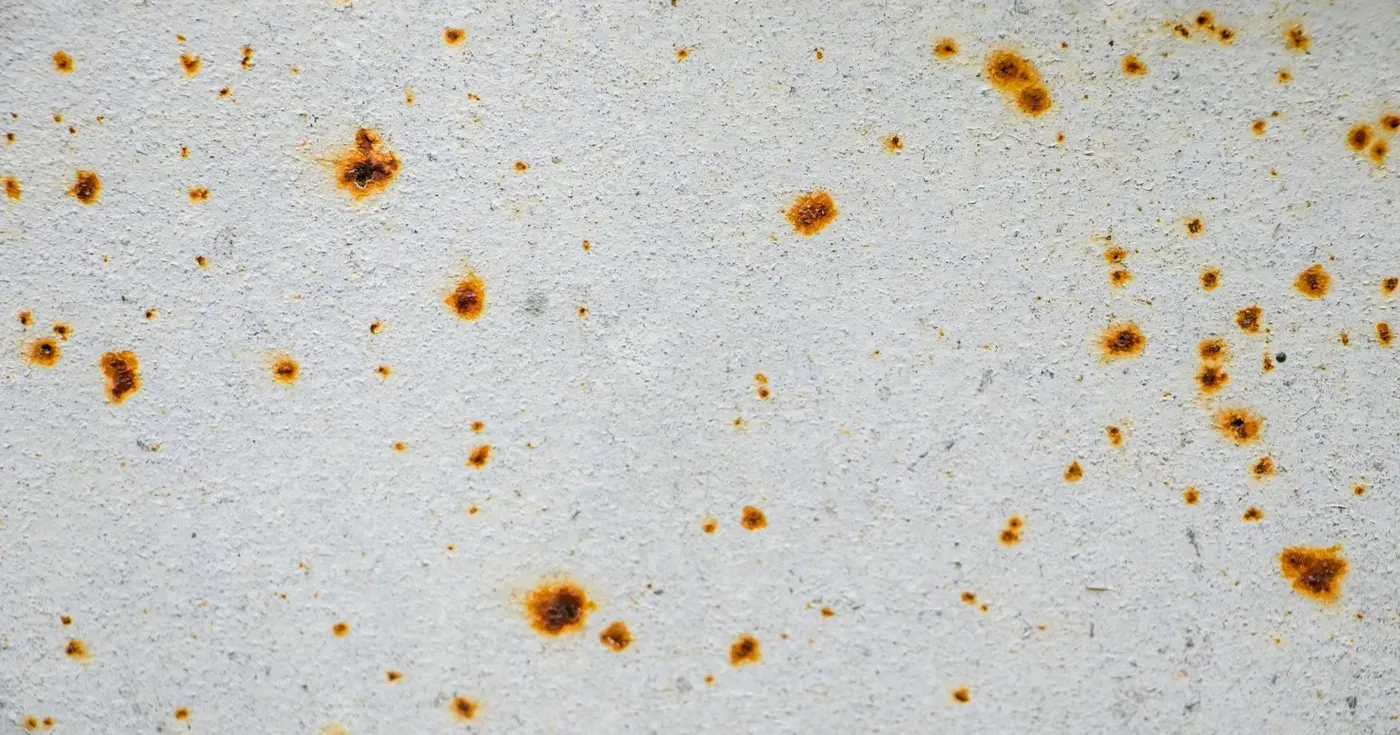
Widespread use of stainless steel has been attributed to its exceptional corrosion resistance, but it is not impervious to damage. In environments rich in chloride ions, such as seawater, pitting corrosion can occur and often originates from tiny particles embedded within the metal.
These inclusions, which are present even in high-quality stainless steel, can initiate pits that compromise the integrity of the material. A key factor contributing to their corrosive nature is the presence of manganese sulfide (MnS), a compound that dissolves easily in certain environments.
To mitigate this issue, titanium (Ti) is commonly added to stainless steel, effectively converting MnS into more stable Ti-containing sulfides. However, despite these efforts, pitting corrosion remains an unresolved problem for manufacturers and users alike.
A recent study conducted by researchers at Tohoku University has shed new light on the complex relationship between inclusions and corrosion resistance. By creating model specimens with controlled inclusion compositions, the team was able to overcome a significant experimental hurdle: analyzing individual inclusions that are only a few micrometers in size.
The research, published in npj Materials Degradation, aims to provide valuable insights for designing more resilient stainless steel products used in everyday applications such as home appliances and surgical tools.
Researchers have been studying the effectiveness of adding titanium to stainless steel to prevent pitting corrosion. To better understand this process, they conducted microscale electrochemical measurements on four types of inclusions found in stainless steel: MnS, (Mn,Ti)S, TiS₂ and titanium nitride (TiN).
The study revealed that manganese sulfide (MnS) was the easiest to dissolve, followed by (Mn,Ti)S and then TiS₂. In contrast, titanium nitride (TiN) did not dissolve under the conditions examined. This suggests that while titanium additions can improve stability, they do not completely prevent pitting corrosion.
The researchers used a model specimen with controlled levels of inclusions to study the behavior of titanium-containing stainless steel. They found that the results from this model matched what was observed in actual commercial stainless steel, indicating that their findings are relevant to real-world applications.
Detailed analysis showed that pits formed at titanium-containing inclusions, specifically (Mn,Ti)S, with manganese and sulfur concentrated around the initiation sites. This suggests that small amounts of these inclusions can act as initiation sites for pitting corrosion.
The study's results highlight the importance of controlling sulfide inclusion composition to improve corrosion resistance in titanium-containing stainless steel. The researchers plan to investigate the effects of adding calcium, often used together with titanium in production, on pitting corrosion resistance as a next step.
The study found that titanium additions to stainless steel do not completely prevent pitting corrosion due to the formation of (Mn,Ti)S inclusions. These inclusions act as initiation sites for pit formation, compromising the material's resistance to corrosion.
Further investigation is needed to determine how adding calcium affects the pitting corrosion resistance of Ti-containing Fe-16Cr stainless steel, a common alloy used in various industrial applications.
Facts based on reporting originally published by Phys.org.
You may republish this story, in full or in part, if you credit News Central Site and link to it (licence CC BY 4.0). Photos are not included.