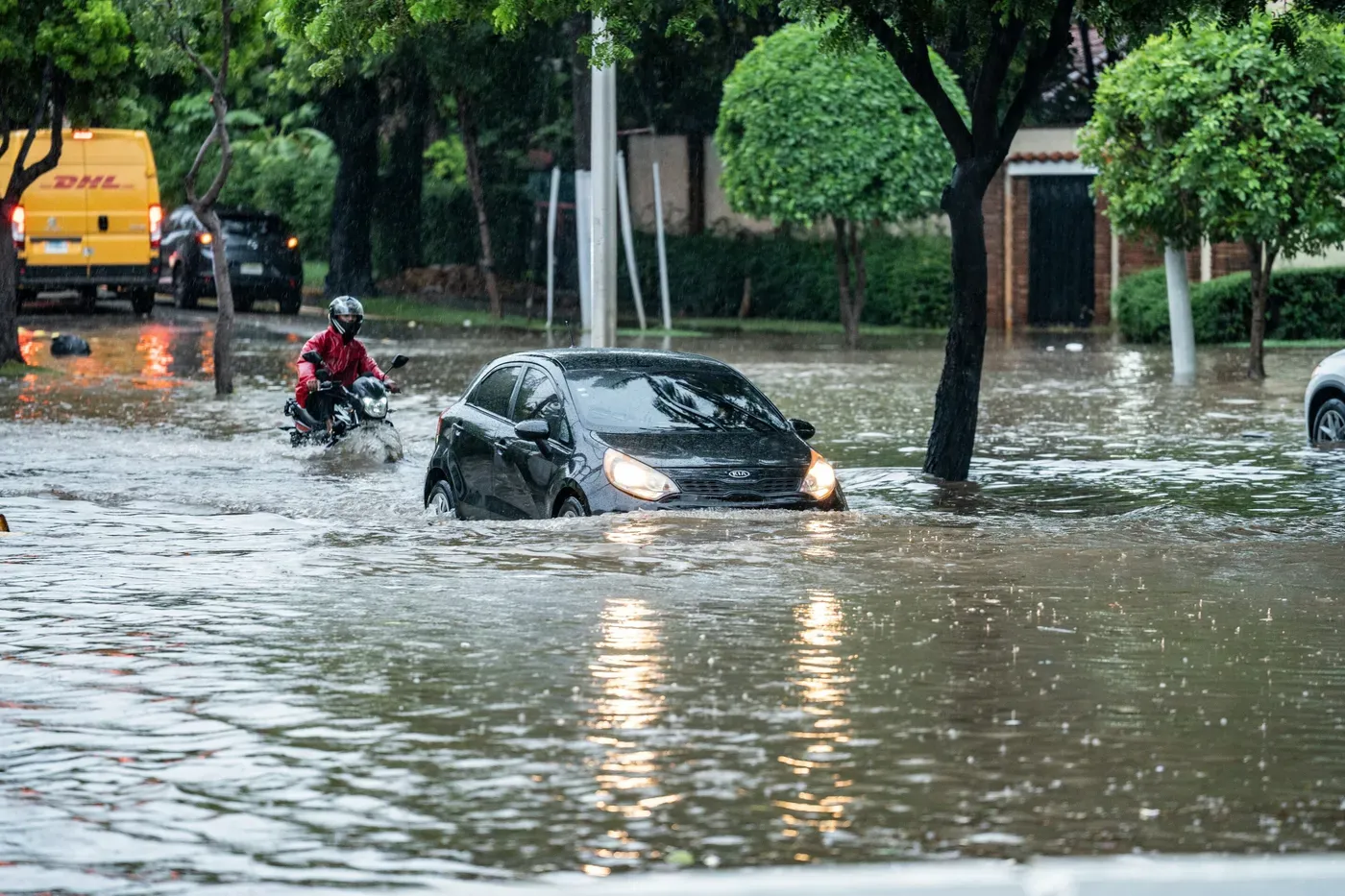
Flood Risk Assessments Combine Hazard and Social Vulnerability Data
A recent study has combined flood risk assessments with social vulnerability and exposure data to better understand who is most at risk in urban areas during heavy rainfall events.
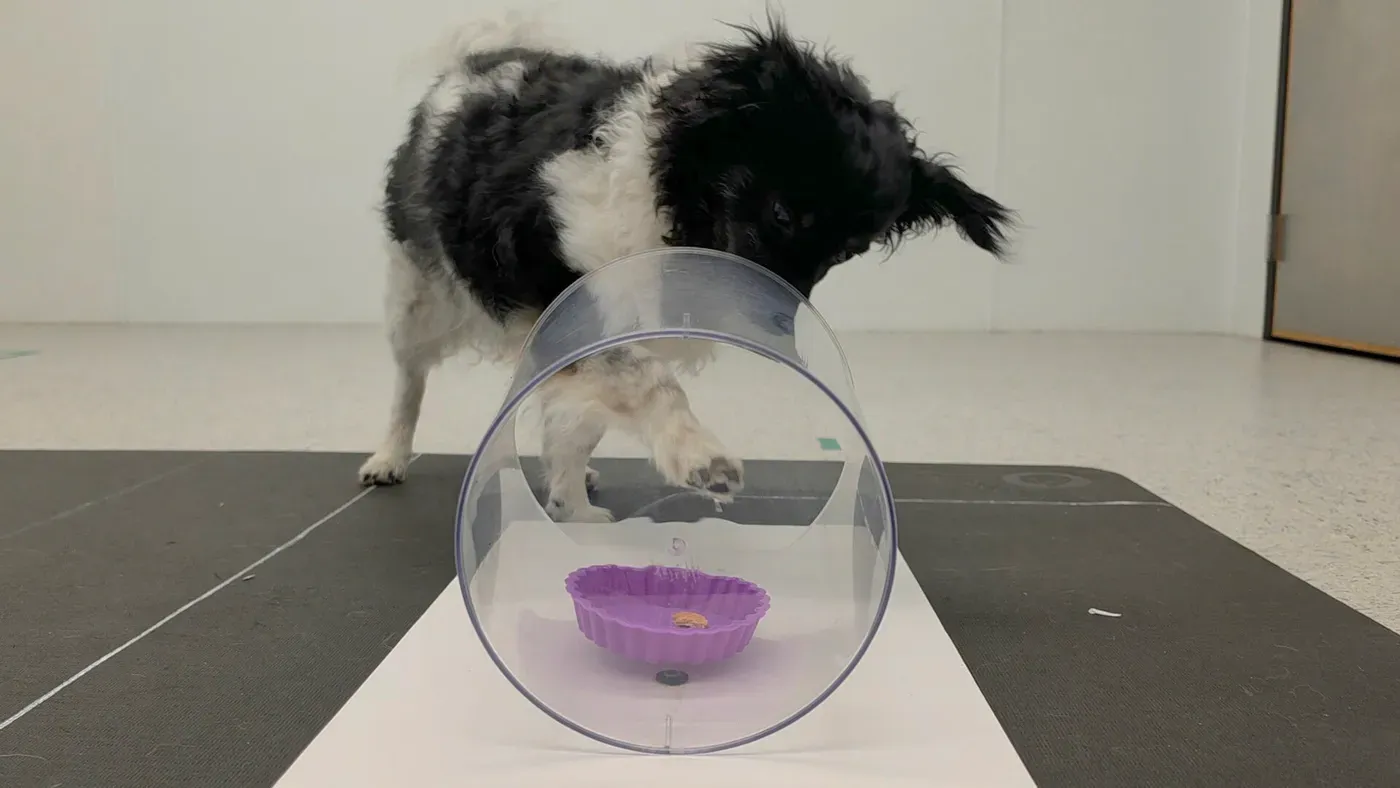
A new assessment tool called CANID has been developed to detect cognitive decline in dogs as early as age seven or eight, several years before obvious symptoms of dementia appear.
A team from Google DeepMind has devised a method to watermark AI-generated proteins without compromising their function, allowing scientists to identify the source of these proteins and potentially prevent nefarious uses.
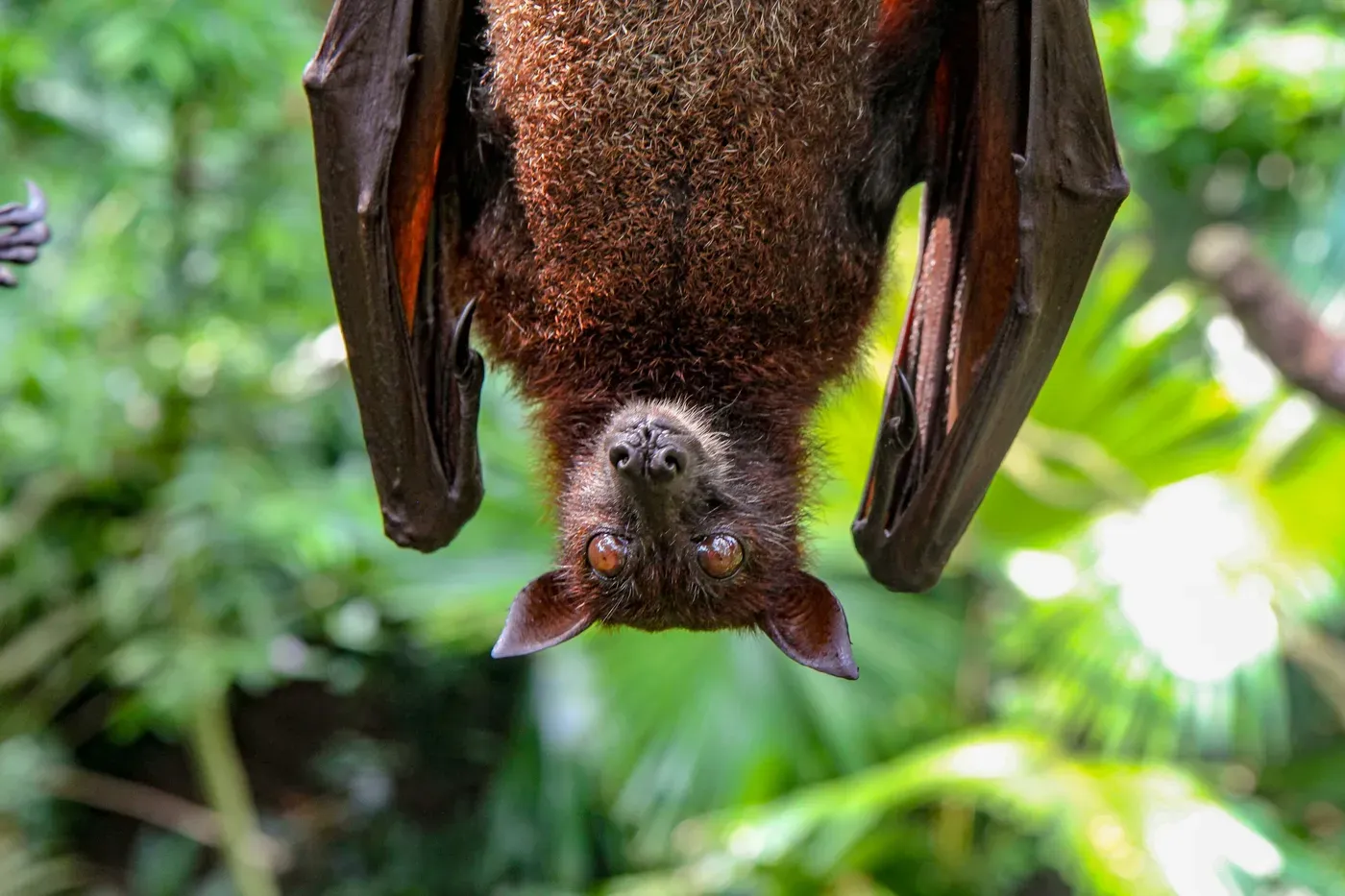
Researchers studying Japanese house bat behavior have found that mothers use a unique acoustic distress signal emitted by their pups to locate them in a colony.
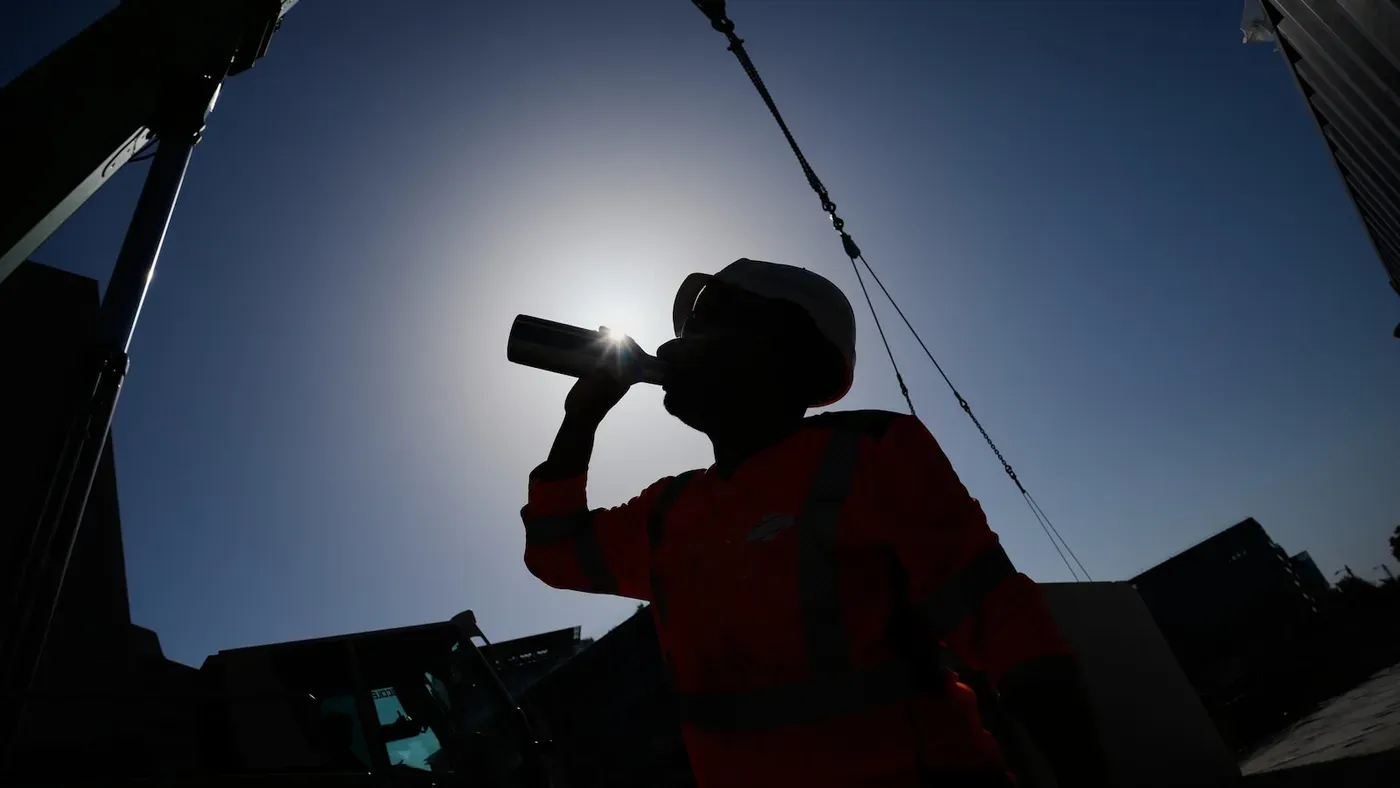
A recent study found that nearly two-thirds of heat-related deaths in Europe this summer can be attributed to human-caused climate change.
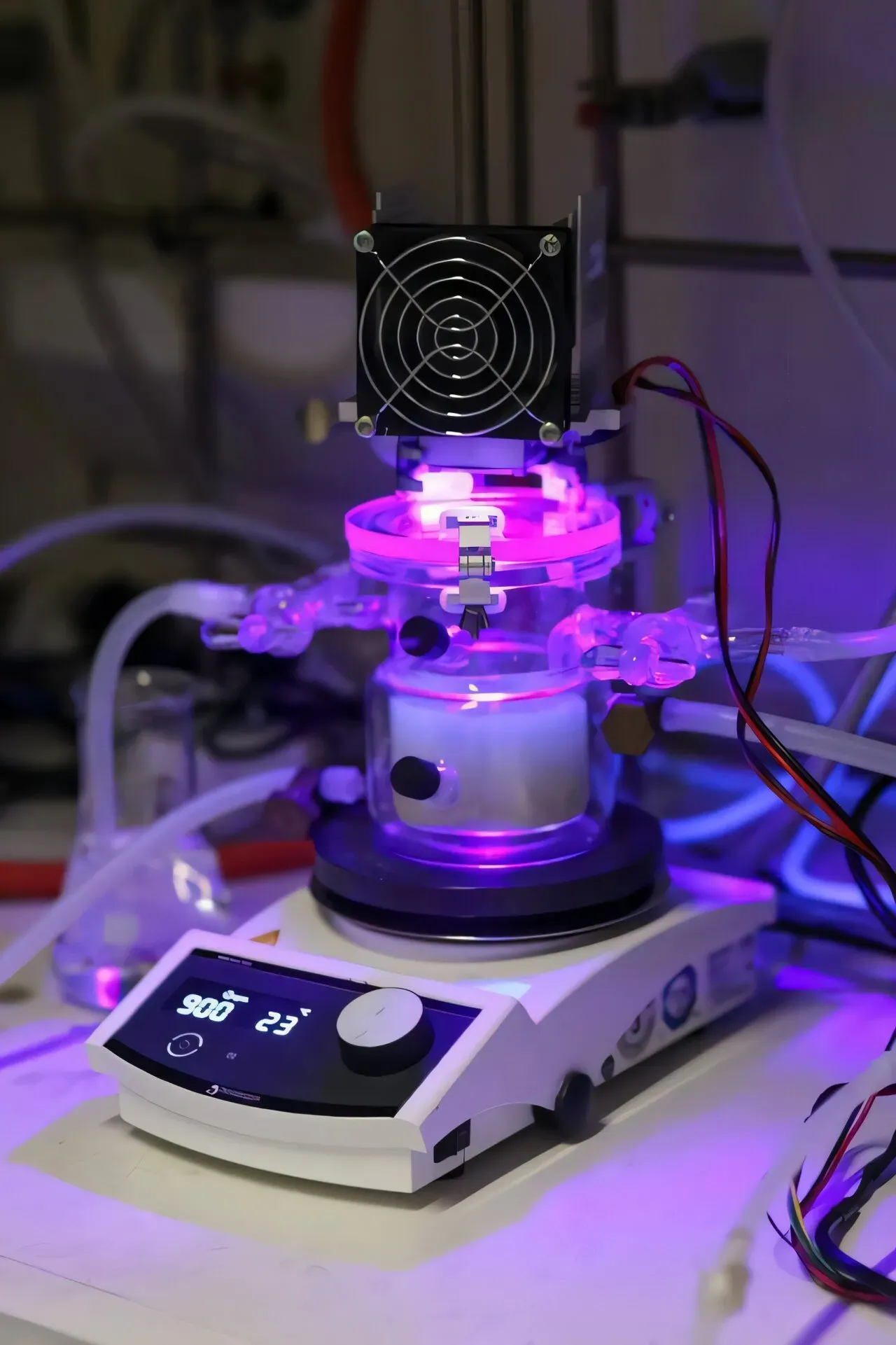
A light-activated catalyst has been developed, significantly enhancing efficiency in hydrogen peroxide production. This breakthrough could reduce the environmental footprint of an important chemical feedstock widely used across various industries.
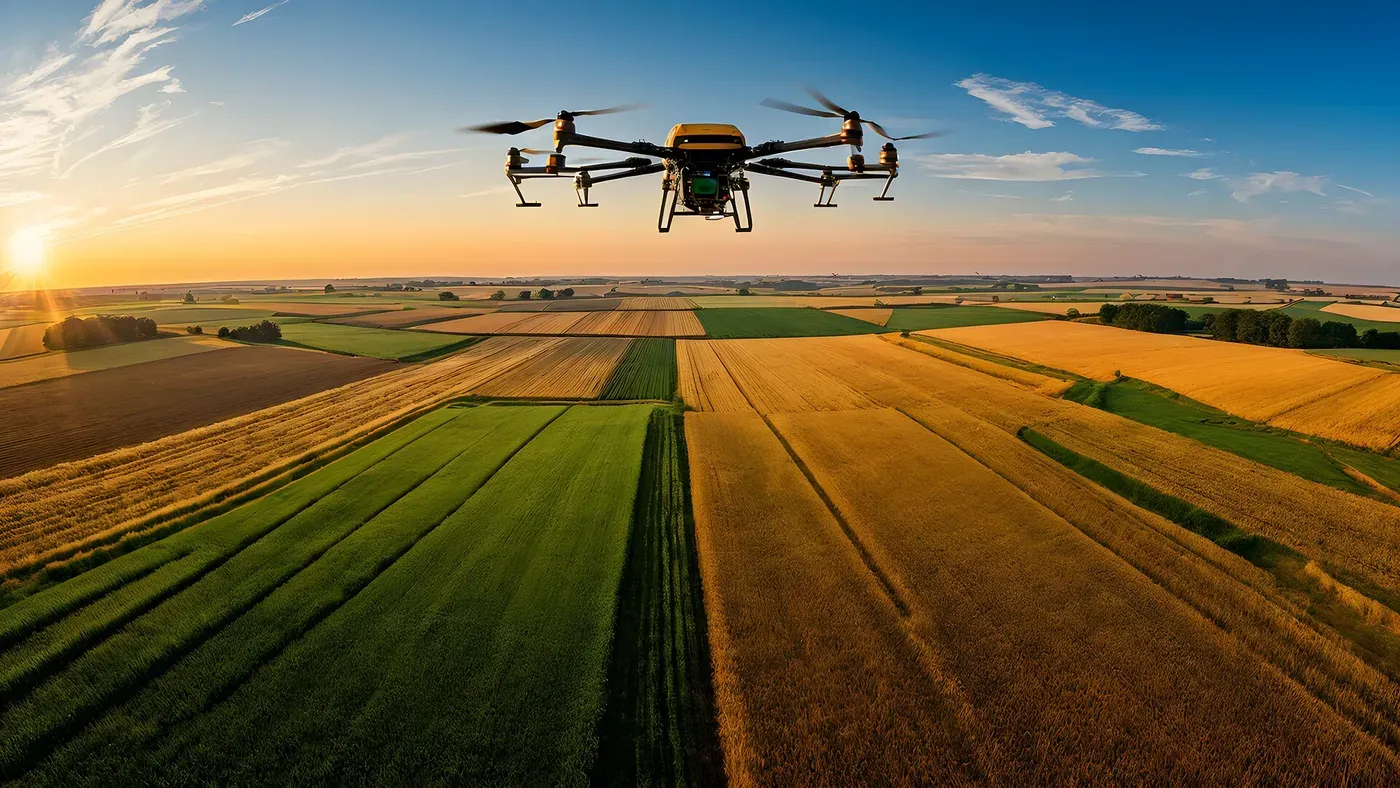
A new study on agricultural automation found that while AI-enabled machines can automate certain tasks, human knowledge is still essential for success. The research involved a three-year study of 16 fruit tree operations in California and Washington.
A new study from Yale has found that public health interventions can fundamentally change social connections within communities.
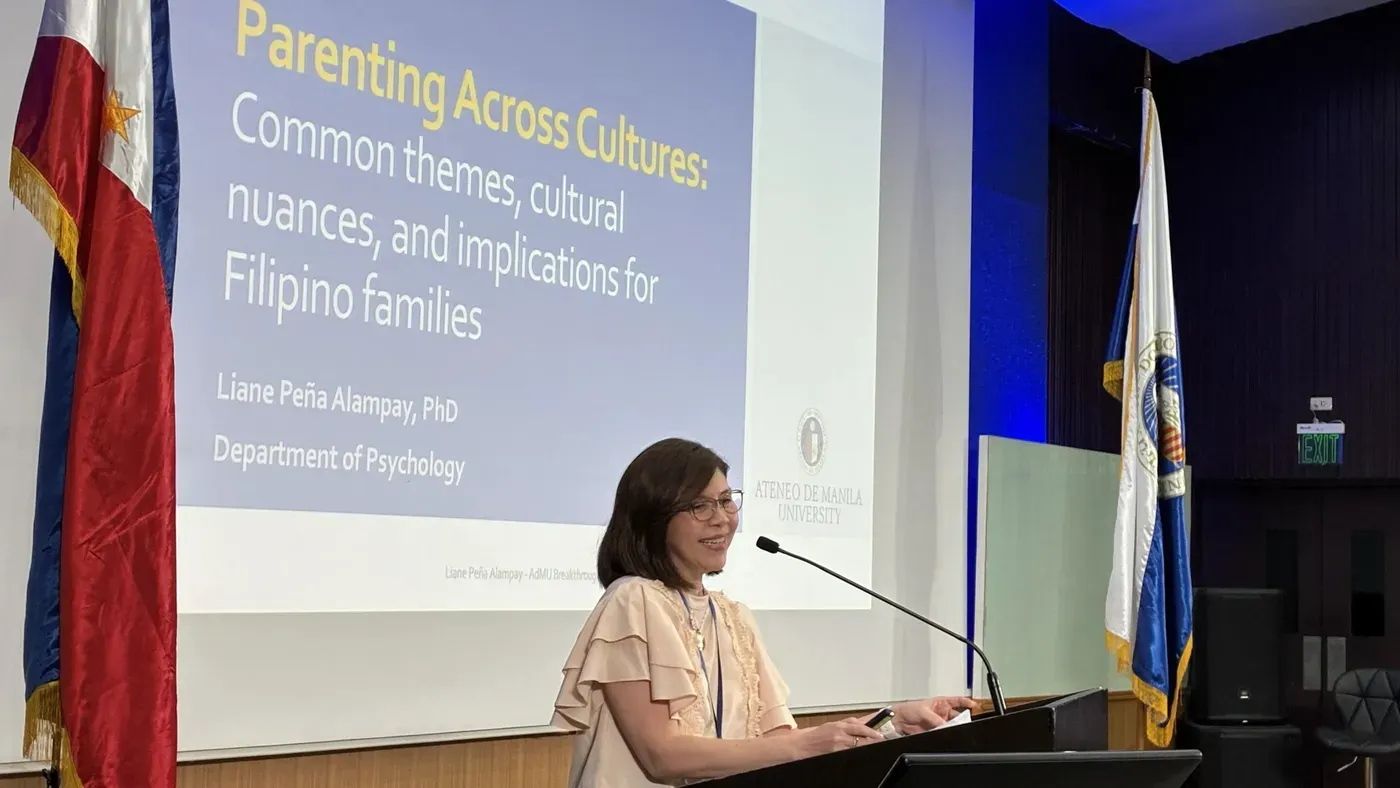
The study found that physical punishment has zero benefits and can be detrimental to children's emotional and behavioral development.
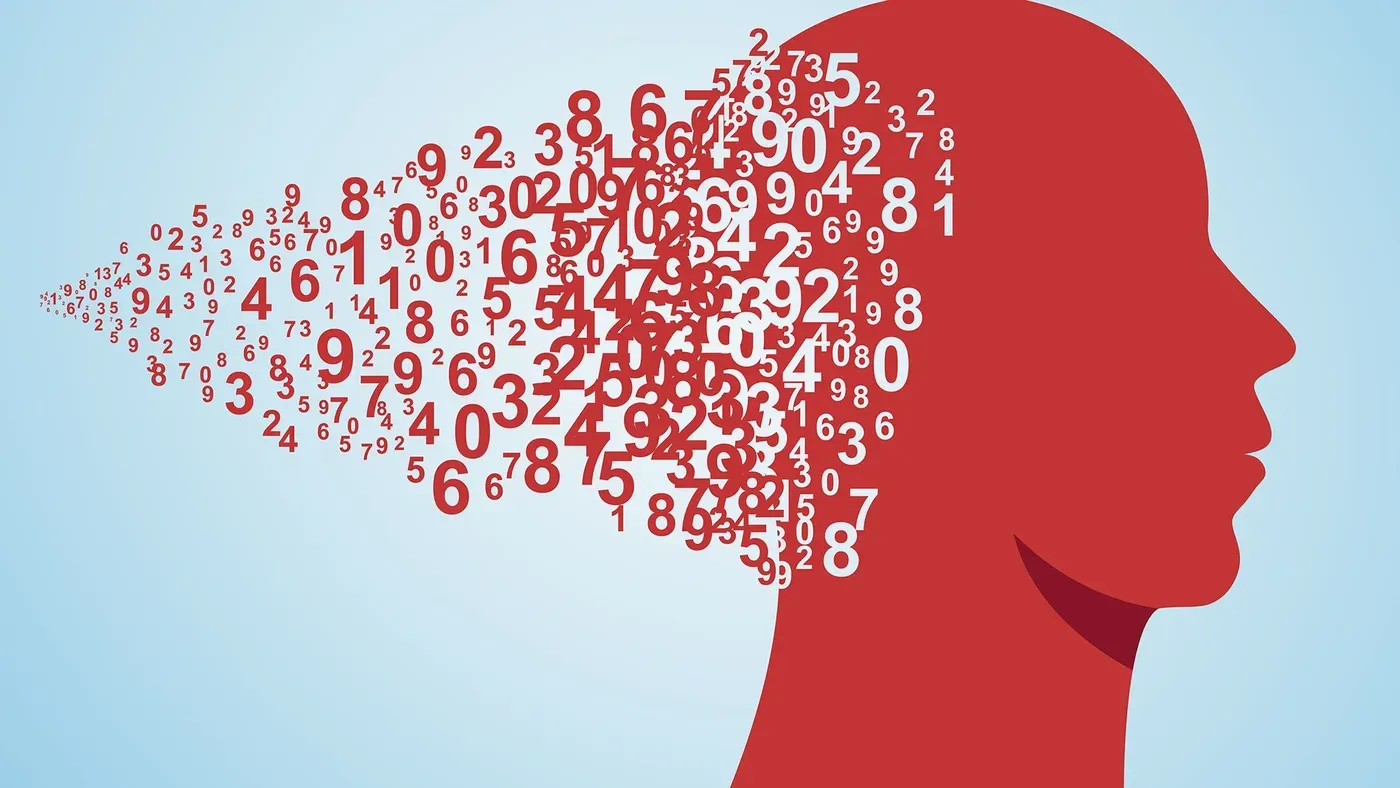
A study published in PLOS Biology has found that the human brain uses a mental map to compare and reason about numbers, assigning unique coordinates to each number.
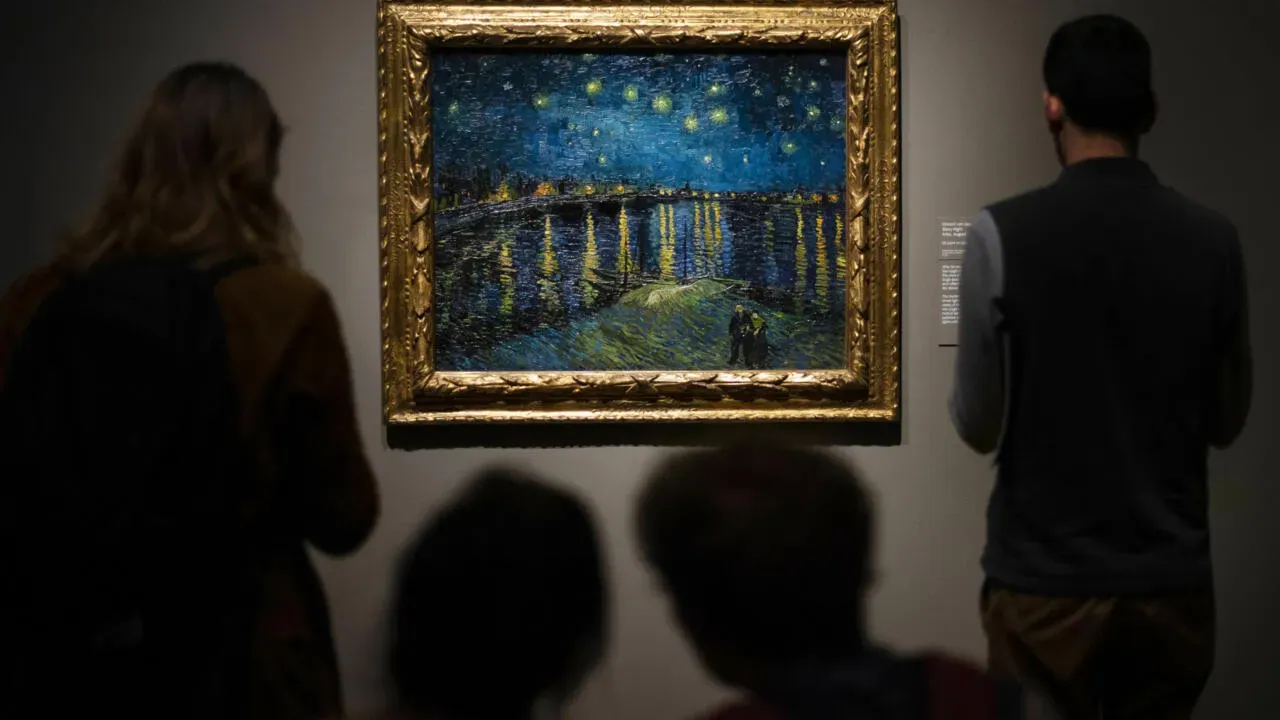
A team of South Korean researchers has proposed a revised timeline for Vincent van Gogh's iconic painting "The Starry Night", suggesting that it may have been inspired by actual celestial events observed by the artist.
A new study suggests that adults are more creative than children in certain tasks, despite the common notion that children are naturally more innovative.
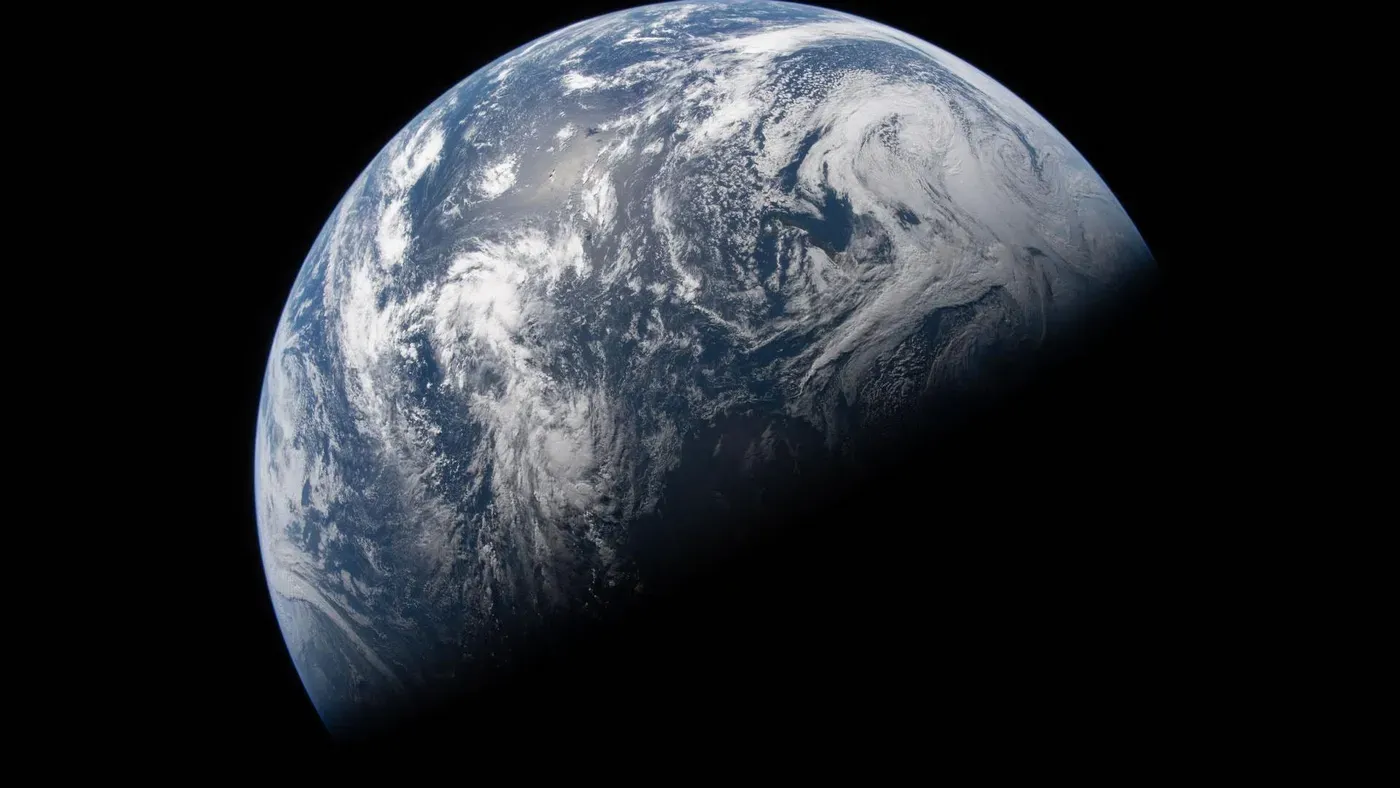
A new study has found that human-induced climate change is causing the Earth's shape to become progressively rounder due to melting of polar ice caps.
A new study has revealed that the Upper Basin states lost almost twice as much groundwater during an intense drought between 2020 and 2022 compared to the Lower Basin.
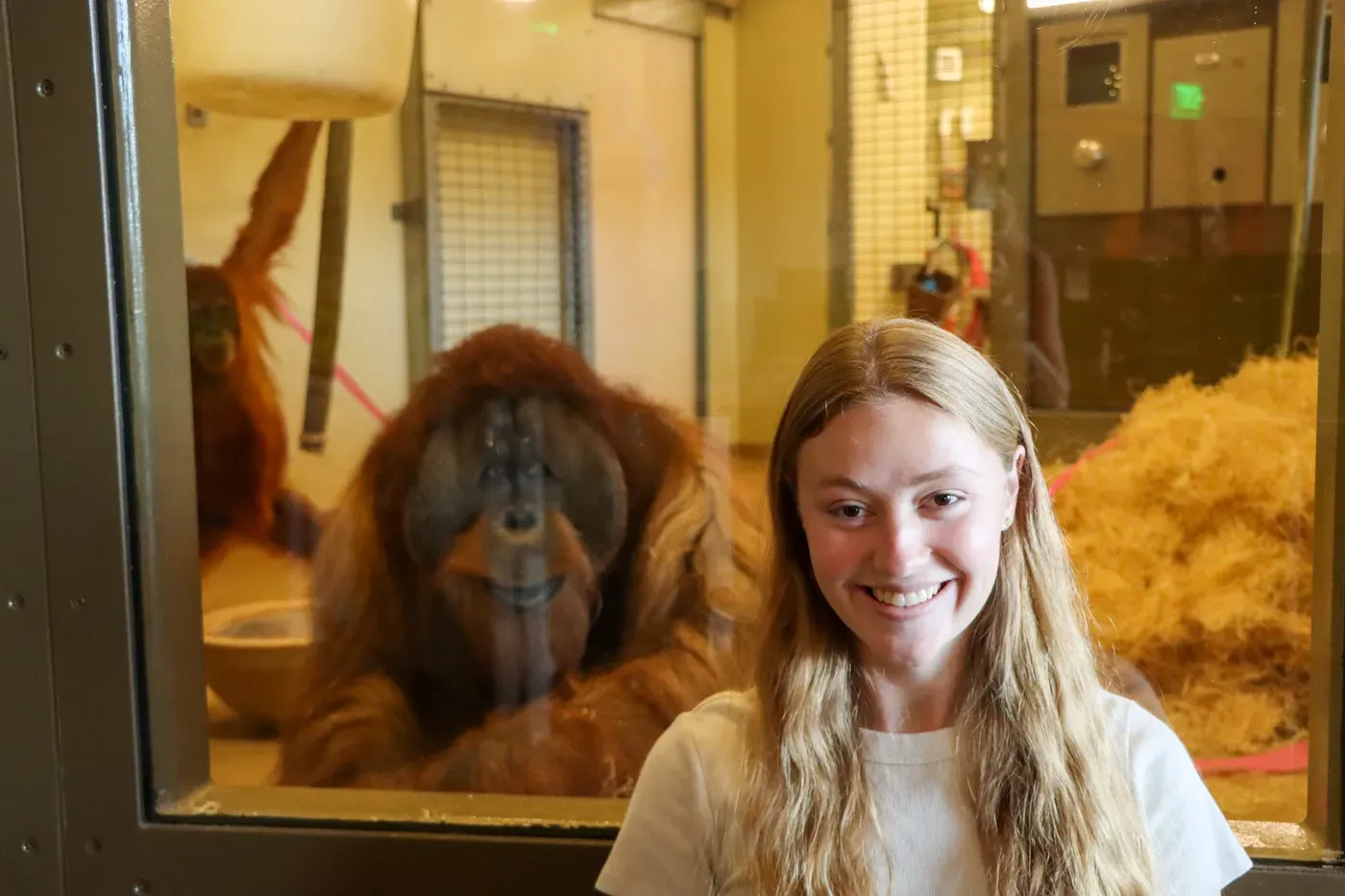
A study from Indiana University has found that orangutans tend to value what they learn more strongly when in a good mood, similar to humans.
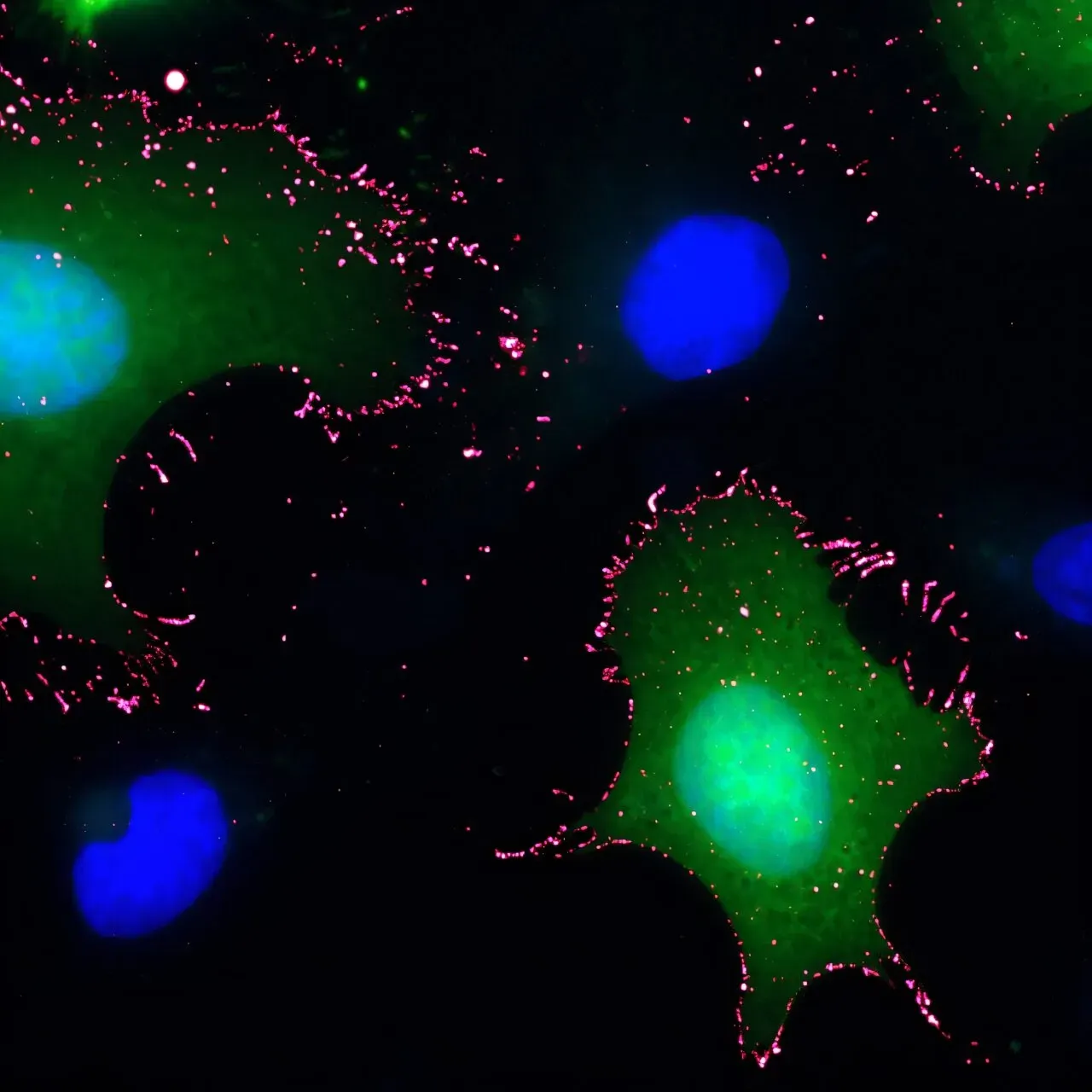
Scientists have discovered that collective bacterial migration provides a unique vulnerability to phages, allowing them to target and infect certain cells while leaving others untouched.
A recent study published in Nature has identified a signaling system regulated by metabolites across different tissues that promotes longevity and delays age-related decline.
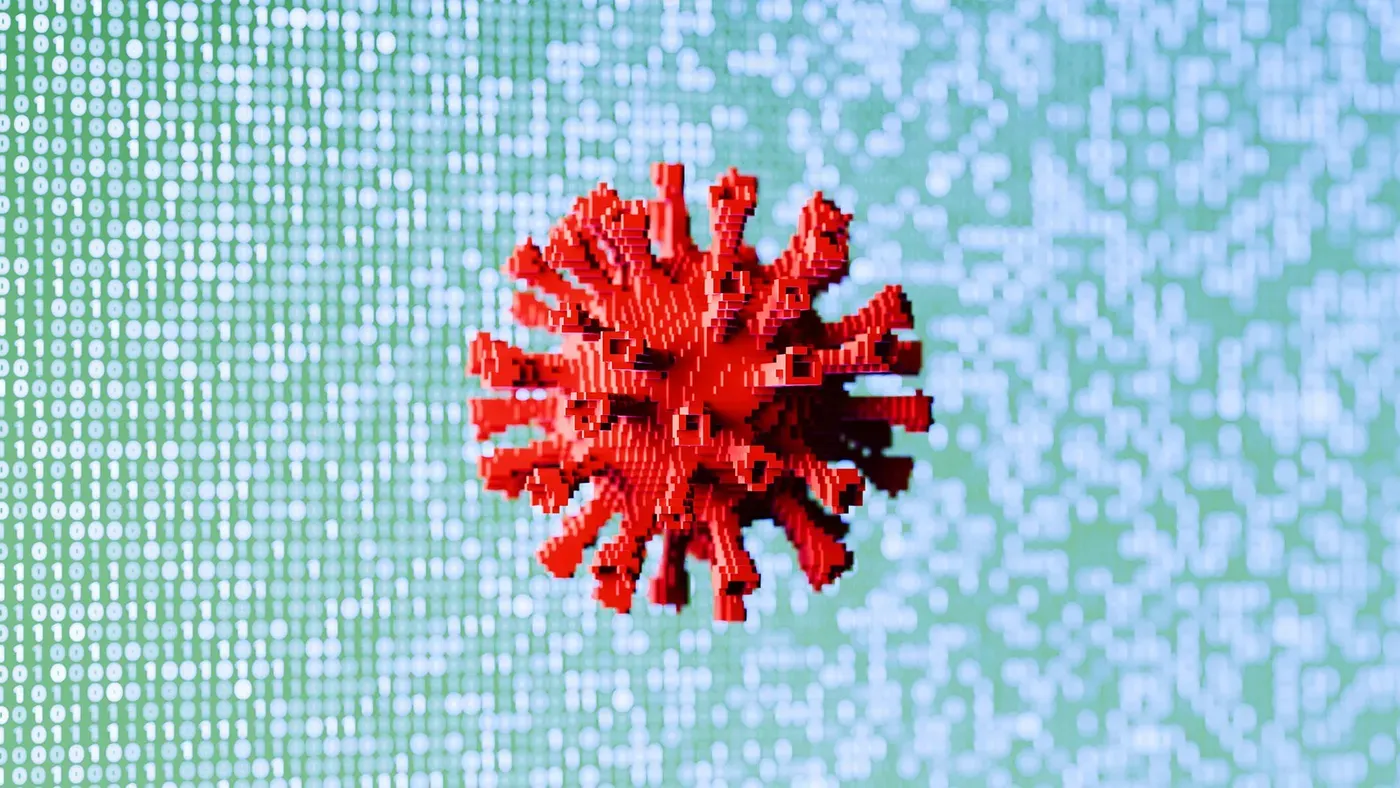
Scientists have made significant progress in understanding how the Andes hantavirus infects human cells by identifying a novel mechanism of receptor capture during infection.
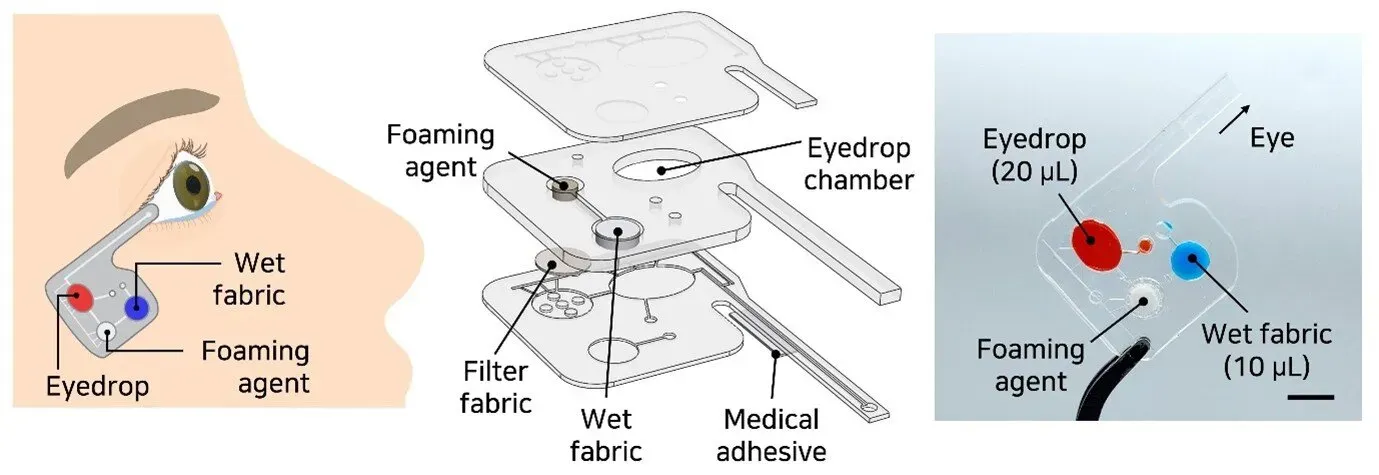
A team of researchers at KAIST has made significant progress in developing a wearable device that can administer eyedrops to astronauts in space, overcoming a major hurdle for deep space exploration.
A new member joined the Association of Internet Researchers' mailing list and was met with an instant backlash from 7,500 members who expressed outrage over data scraping concerns.