Research links frequent spanking to increased anxiety and aggression in children over time
The study found that physical punishment has zero benefits and can be detrimental to children's emotional and behavioral development.
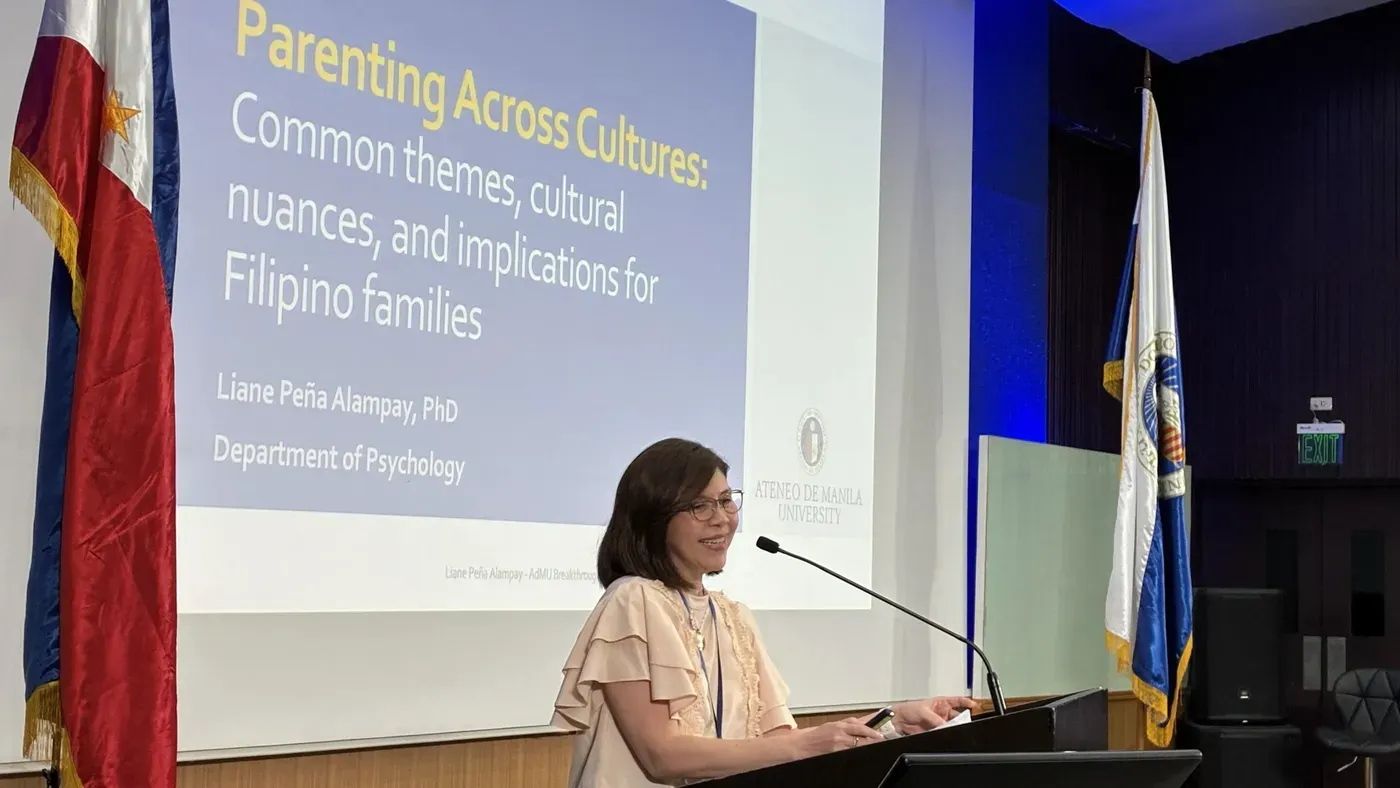
Research has linked more frequent spanking to increased anxiety and aggression in children over time, a trend observed not just globally but also among Filipino families, according to Dr. Liane Peña Alampay of the Ateneo de Manila University.
This finding challenges the common notion that "pamamalo" - which roughly translates to physical punishment or corporal discipline - produces more disciplined children. Instead, it suggests that warm relationships within the home, clear expectations, and nonviolent disciplining may have a greater impact on child development.
The research is part of the Parenting Across Cultures (PAC) project, an extensive study spanning 15 years that followed over 4,500 families across nine countries, including China, Colombia, Italy, Jordan, Kenya, the Philippines, Sweden, Thailand, and the U.S.
As lead researcher for the Philippine site, Dr. Alampay's work focused on how parenting influences child development and shapes parent-child relationships within different cultural contexts.
Across cultures studied by the PAC project, more frequent physical punishment consistently correlated with higher levels of anxiety and aggression in children; however, cultural acceptance of this practice sometimes mitigated these outcomes but did not transform it into a beneficial one.
Researchers have found that corporal punishment has zero benefits and can even be detrimental to children's emotional and behavioral development.
In the Philippines, physical discipline is often seen as a necessary tool for teaching children obedience and respect. However, experts argue that there are alternative methods of discipline that do not involve inflicting pain or harm on children.
Dr. Alampay emphasizes that Filipino parents need to explore these alternative approaches, which prioritize setting clear boundaries and expectations while also providing warmth and open communication with their children.
Studies have shown that a warm and accepting parenting style is not unique to Western cultures but can be beneficial for children across the globe, including in the Philippines. When children feel valued and accepted by their parents, they are less likely to develop aggressive or antisocial behaviors and are more resilient against depression and anxiety.
Among Filipino parents surveyed, there was a strong emphasis on strictness, obedience, and respect for authority, which is often associated with an authoritarian parenting style. However, this approach can be contrasted with authoritative parenting, which balances rules and expectations with warmth, open communication, and recognition of the child's perspective.
Financial struggles can put a strain on family relationships, making it more likely for parents to resort to harsh discipline methods.
To address this issue, researchers have developed parenting interventions that focus on promoting positive relationships between caregivers and children. One such program is the Parenting for Lifelong Health support intervention, which has been adapted in the Philippines as Masayang Pamilya (MaPa).
This program teaches caregivers practical skills through various techniques, including model scripts, guided practice, and stress management. The goal of MaPa is to prevent violence in the home and enhance both caregiver and child well-being.
Studies have shown that MaPa can be effective in reducing child maltreatment, with one trial finding sustained reductions in child abuse a year after the program was completed.
The concept of MaPa is rooted in Filipino culture and parenting practices, which can be challenging to change due to the influence of past experiences.
Parents are motivated to adopt new behaviors when provided with inputs that promote positive relationships, highlighting their capacity for growth and adaptation.
Facts based on reporting originally published by Phys.org.
You may republish this story, in full or in part, if you credit News Central Site and link to it (licence CC BY 4.0). Photos are not included.