NFL Players Opt for Extra Protection with Guardian Caps
A growing number of National Football League (NFL) players are opting for extra protection on the field by wearing soft helmet covers known as Guardian Caps during games.
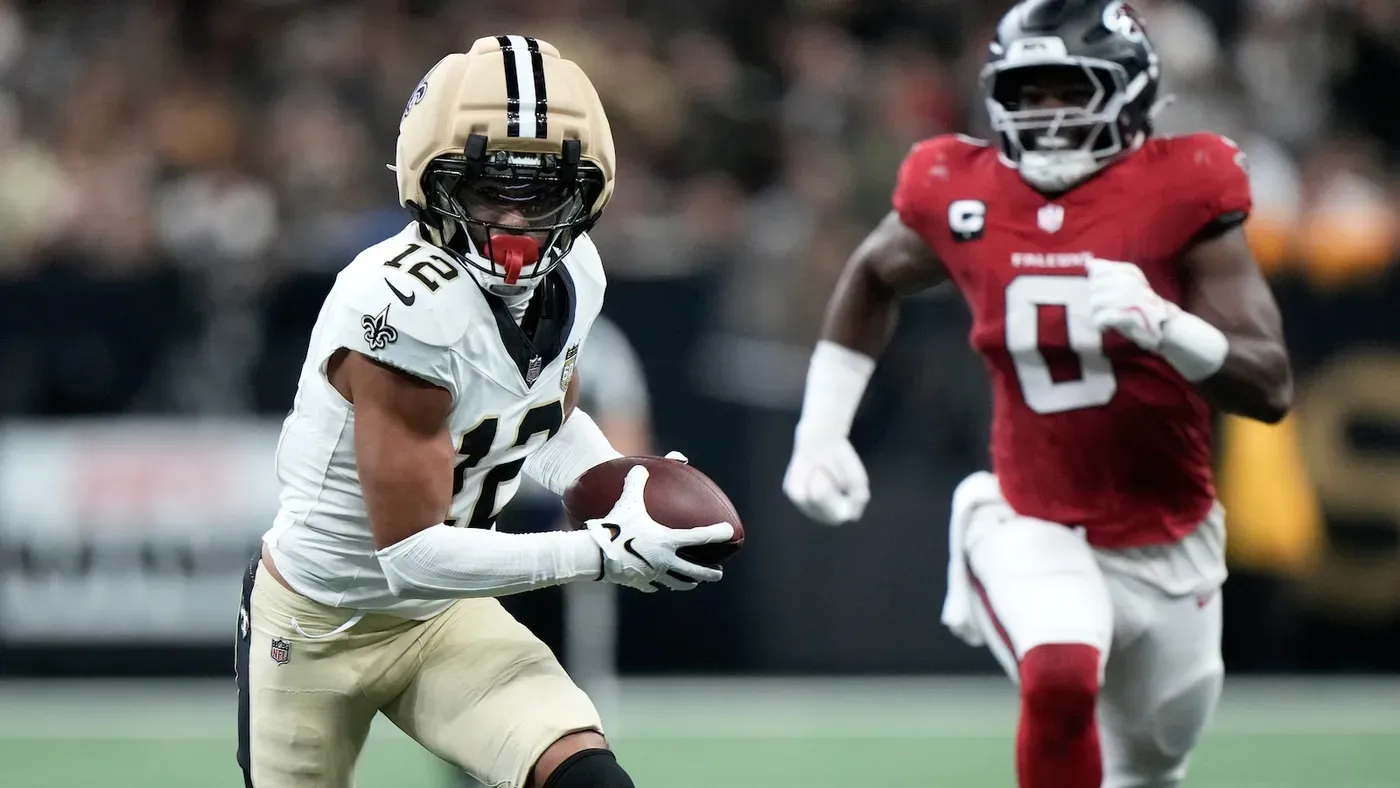
A growing number of National Football League (NFL) players are opting for extra protection on the field, donning soft helmet covers known as Guardian Caps during games. Arizona Cardinals left tackle Jayden Williams is among those who have tried this new approach.
Williams' decision to wear a Guardian Cap was straightforward: he wanted to minimize his exposure to potential head injuries. As an NFL player, he faces repeated high-impact collisions on the field, and any additional protection seemed like a worthwhile precaution.
The number of players choosing to wear Guardian Caps is still relatively small, with around 20 to 25 having done so during this season's games. However, their decision reflects a desire for increased safety in an inherently high-risk sport.
Concerns are being raised by Chris Nowinski, CEO of the Concussion & CTE Foundation in Boston, who believes that the NFL may be overstating the benefits of Guardian Caps to provide players with a false sense of security.
The NFL's endorsement of Guardian Caps has sparked controversy among experts who question the benefits of these helmets in reducing concussions and CTE rates.
Concerns have been raised about the company's claims regarding the effectiveness of Guardian Caps in laboratory settings. According to some, these findings may be overstated or exaggerated, leading players to believe they are receiving added protection that does not actually exist.
The NFL's push for Guardian Caps coincides with growing concerns over CTE, a degenerative brain disease linked to repeated head trauma and concussions. This condition has been diagnosed in numerous former NFL players, including Hall of Famers Junior Seau and Ken Stabler, as well as Aaron Hernandez.
Laboratory testing reportedly shows that wearing a Guardian Cap can reduce the forces transmitted through the helmet by 10% to 15% if one player is wearing it, and up to 20% to 30% if both players are donning the cap.
The use of Guardian Caps in the NFL has been a topic of interest among players and medical professionals alike. The league mandated the caps at contact practices for most players since 2022, but exempted quarterbacks, kickers, and punters from wearing them during such sessions.
According to Dr. Allen Sills, the NFL's chief medical officer, the Guardian Cap is not a solution to reducing concussions, but rather a tool to mitigate the impact of head injuries. He emphasized that the cap was introduced as a means to reduce force by even 10-15%, which could be beneficial for players suffering from repetitive head impacts.
Sills' comments suggest that the NFL's initial intentions behind introducing the Guardian Cap were not entirely focused on reducing concussions, but rather on finding ways to minimize the effects of repeated blows to the head. The cap is seen as a means to reduce the forces transmitted through helmets during practices and games.
Further research published in August 2025 in the American Journal of Sports Medicine found that required use of the Guardian Cap was associated with a significant reduction in the overall incidence of NFL practice concussions, ranging from 54% to 62%. However, it is noted that this reduction may not be solely attributed to the energy-absorbing effects of the cap.
The increasing number of NFL players opting to wear Guardian Caps during games has raised eyebrows, but it's not just about aesthetics. The benefits of wearing these caps are still up for debate, and while some players are enthusiastic about their potential impact on injury prevention.
Pittsburgh Steelers rookie wide receiver Germie Bernard is one such player who has decided to give the cap a try. When asked about his decision, he revealed that it was largely influenced by those closest to him. "Just talking with family, talk to my girlfriend, too, and it was like, 'Why not?' It can only help you," he said.
Bernard's willingness to wear the cap is not unique, as many players in their early stages of careers are choosing to don the Guardian Cap. This trend may be attributed in part to the fact that these young athletes have already become accustomed to wearing such a cap during college or high school, making the transition to the NFL relatively seamless.
The distinct appearance of the Guardian Cap has been likened to a "beehive" by some players, including star defensive lineman JJ Watt, who made this comparison back in 2022.
The stigma surrounding the Guardian Cap has begun to fade among younger NFL players.
Those who wear the cap are more concerned with its functionality than its appearance, as evidenced by Bernard's nonchalant attitude towards it.
High-profile players such as Chris Olave and Romeo Doubs have also adopted the Guardian Cap during games.
Doubs' endorsement of the product extends beyond his on-field usage, as he hopes to see the cap become a standard piece of equipment for youth football players in the future.
The Guardian Cap is not exclusive to professional leagues, with college programs, high school teams, and even younger players incorporating it into their gear.
The Guardian Cap has been touted as a safety innovation for football players, but its effectiveness is still uncertain. According to Guardian Sports, their product cannot eliminate the risk of concussions or other head injuries, despite claims suggesting otherwise.
Researchers have not established a clear link between impact attenuation tests and actual concussion risks, leaving questions about the cap's true benefits. This ambiguity has raised concerns among experts, who warn against creating a false sense of security among athletes and parents.
The uncertainty surrounding the Guardian Cap highlights ongoing debates over the long-term effects of repeated head trauma in football. Some fear that emphasizing safety innovations like this cap may distract from more pressing issues, such as the prevalence of chronic traumatic encephalopathy (CTE).
Facts based on reporting originally published by ABC News Health.
You may republish this story, in full or in part, if you credit News Central Site and link to it (licence CC BY 4.0). Photos are not included.