Beech Seedlings with Height Advantage More Likely to Survive
Researchers at the University of Göttingen have found that beech seedlings with an initial height advantage are more likely to survive over a 25-year period.
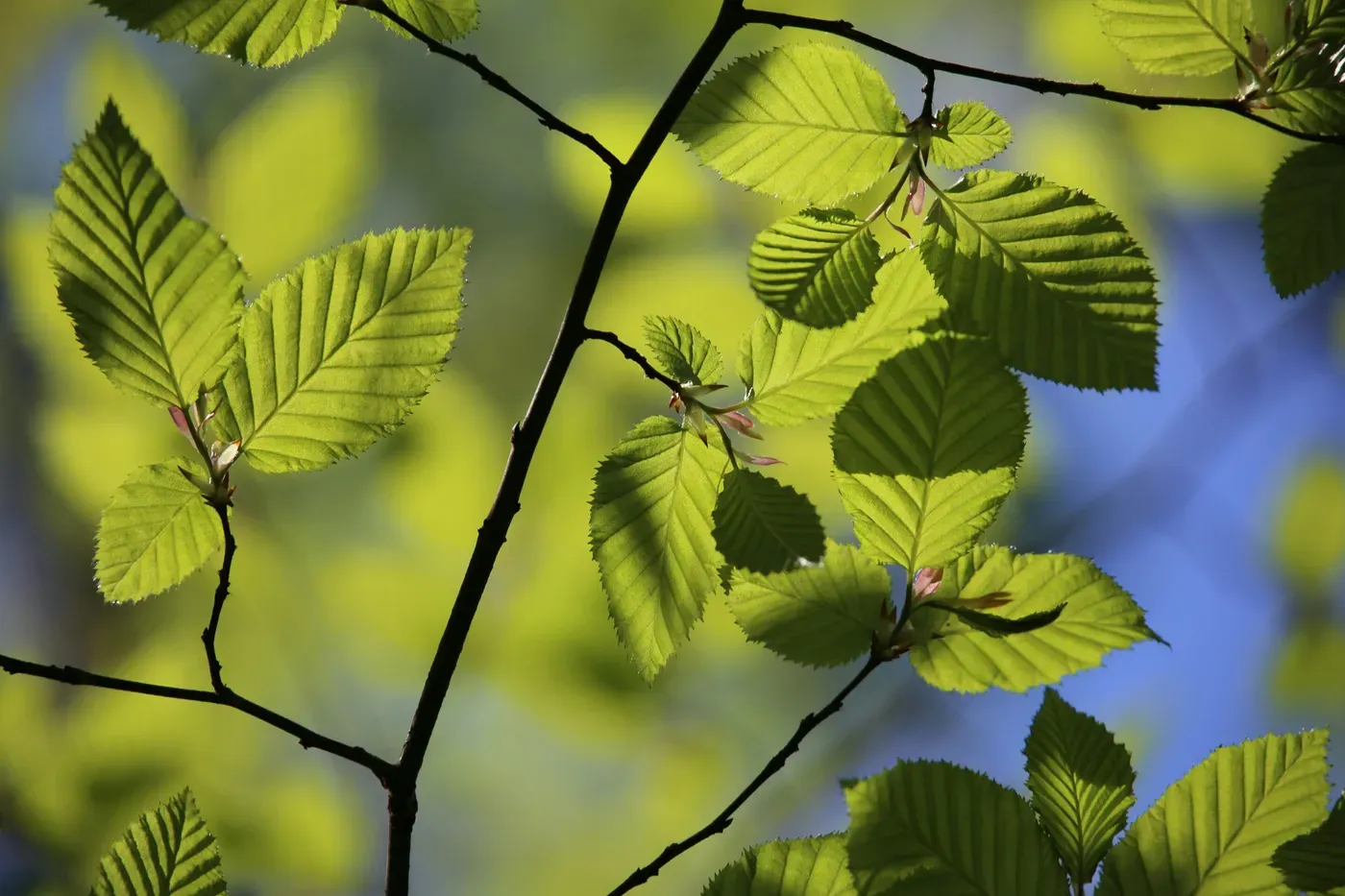
The fight for survival is intense in forests, where resources like light, water, and nutrients are scarce. This struggle becomes even more pronounced during "mast years," when trees and shrubs produce a bountiful crop of fruits, nuts, or seeds. As a result, the competition for growth accelerates, with each tree vying for its share of these limited resources.
Researchers at the University of Göttingen have made an intriguing discovery regarding beech seedlings. They found that those that were slightly taller than their neighbors by just one to two centimeters in their first year of life had a significantly higher chance of survival over the next two decades. This difference may seem minor, but it has a lasting impact on the tree's prospects.
A long-term study conducted at the University of Göttingen involved monitoring over 2,000 beech seedlings at two research sites in southern Germany. The researchers followed these seedlings for more than 25 years, observing their growth and survival rates. Unfortunately, only about one-third of the initial 2,214 seedlings managed to survive, a stark reminder of the intense competition within the same species.
The study's findings suggest that small differences in size can have significant consequences for beech trees. As the seedlings grew and matured, the initial disparities in height became increasingly apparent, with taller trees often emerging as the strongest competitors.
As the researchers continue to analyze their data, they are gaining a deeper understanding of the complex dynamics at play in forest ecosystems. By examining the early growth patterns of beech trees, they may uncover new insights into the factors that determine survival and success in these environments.
Seedlings that begin as slightly larger than their neighbors tend to maintain their size advantage over time, making it rare for smaller trees to catch up.
Research in a controlled greenhouse setting revealed that seedlings grown from heavier beech nuts exhibit greater biomass and size, suggesting that even the initial weight of the seed plays a significant role in early growth.
This phenomenon is not unique to the experimental setting, as studies have long shown that groups of trees of the same age and species inevitably thin out over time due to natural selection, following established mathematical patterns.
The findings raise questions about how these larger trees will adapt to ongoing climate change, which may impact their development and survival prospects in the coming years.
The study reveals that differences in early growth rates among beech trees have a significant impact on their long-term survival and competitiveness within a forest ecosystem.
These initial growth advantages can persist for decades, influencing the trees' ability to adapt to changing environmental conditions such as extreme weather events. Further research is needed to fully understand how these factors will affect tree development and survival prospects in the face of ongoing climate change.
Facts based on reporting originally published by Phys.org.
You may republish this story, in full or in part, if you credit News Central Site and link to it (licence CC BY 4.0). Photos are not included.