Candida auris Develops New Mechanism of Resistance to Antifungal Treatment
Researchers from the University of Exeter and City St George's, University of London, have discovered that Candida auris creates multiple versions of its genome in response to antifungal drugs.
A new mechanism of resistance to antifungal treatment has been discovered in Candida auris, a fungus that has become a major global public health threat.
Researchers from the University of Exeter and City St George's, University of London, have found that Candida auris creates multiple versions of its entire genome in response to antifungal drugs. This process involves mutating a key gene called CRZ1, which plays a crucial role in maintaining cell wall integrity.
Candida auris was first identified in 2008 and has since been linked to outbreaks on every continent, with over 60 countries reporting cases. Its origins remain unknown, but its ability to adapt and spread quickly has earned it a place on the World Health Organization's list of critical priority fungal pathogens.
The discovery of this new mechanism of resistance could lead to new approaches for tackling Candida auris. Study authors say that understanding how the fungus adapts to antifungal treatment is crucial in developing effective treatments and preventing further outbreaks.
The fungal infection Candida auris poses a significant threat to patients in intensive care units due to its ability to cling to skin and surrounding equipment, making it difficult to eradicate.
Research has shown that once C. auris infects the bloodstream of a vulnerable patient, there is a 45% fatality rate. This alarming statistic highlights the need for effective treatments and strategies to prevent outbreaks.
In recent years, several intensive care units have been affected by C. auris outbreaks, resulting in costly and highly disruptive consequences. One hospital in the UK was forced to close its unit and undergo complete refurbishment to contain an outbreak, while another estimated that controlling the infection cost £1 million.
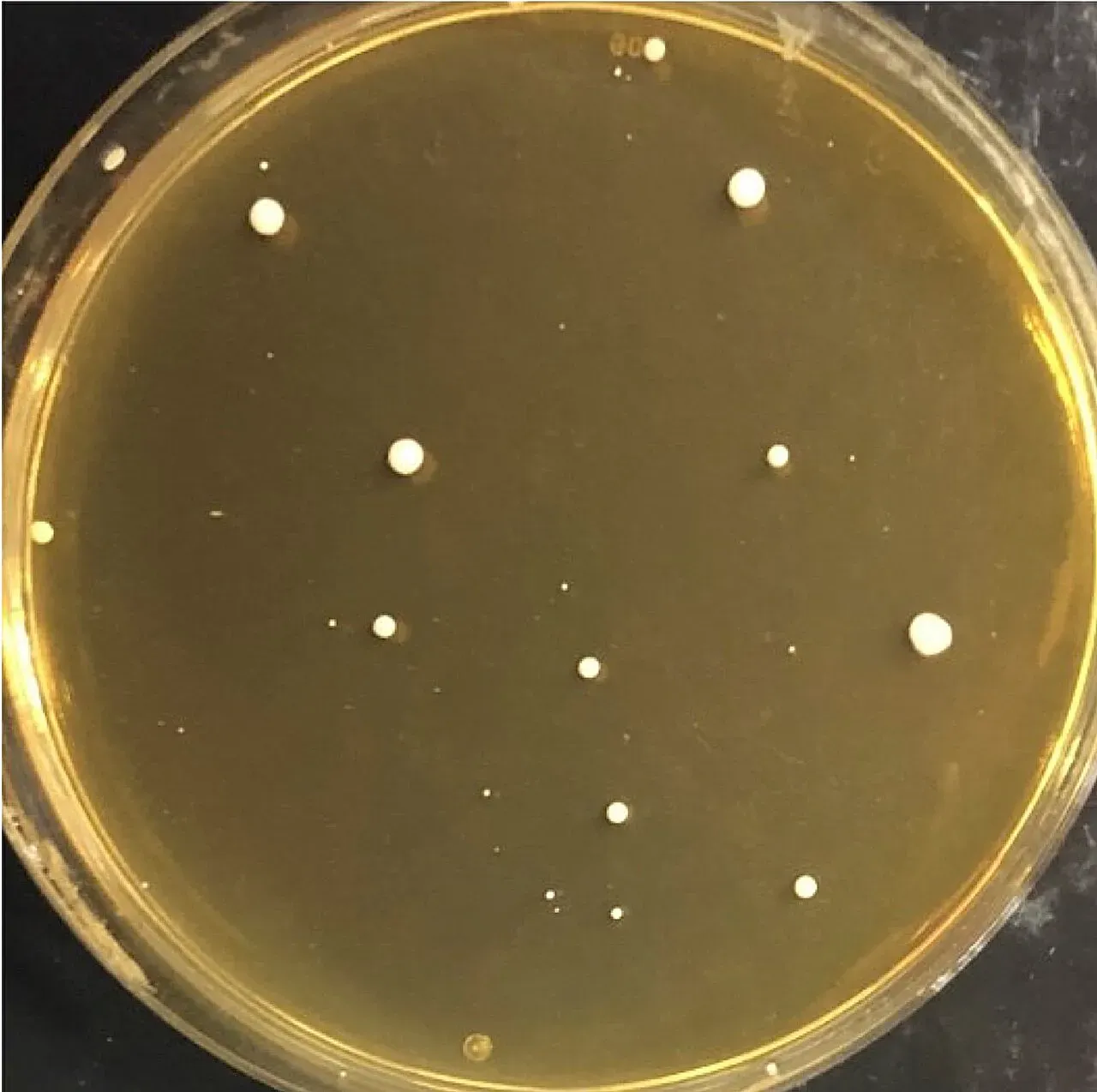
The research team's initial goal was to investigate why antifungal drugs were not working against C. auris. However, their findings took an unexpected turn when they discovered that the fungus had survived treatment by creating multiple versions of its own genome.
This remarkable ability allows C. auris to increase its chances of mutating and evading the drug, making it a formidable opponent in the fight against fungal infections. The discovery was made possible by chance, as a researcher left plates of cells incubating for longer than intended.
Further investigation revealed that this mechanism is an entirely new way for C. auris to survive antifungal treatment, underscoring the need for healthcare professionals and researchers to develop effective strategies to combat this deadly fungus.
Researchers have made a startling discovery about Candida auris, a fungus that has been causing concern in hospitals worldwide due to its ability to develop resistance to antifungal treatments.
The team tested the fungus against extremely high concentrations of antifungal drugs and observed something unexpected: despite the intense treatment, a small population of cells continued to grow over several days. This finding highlights the need for new strategies to combat this deadly fungus.
Further analysis revealed that the surviving cells had made multiple copies of their entire genome, a tactic known as "bet-hedging where an organism uses different survival methods to increase its chances of developing resistance and evading treatment. This is a rare occurrence in C. auris, making it all the more surprising.
The team was also surprised not to find any DNA mutations that would have been expected in response to antifungal drugs. Since these treatments target enzymes responsible for cell wall production, one might expect the fungus to adapt by altering its genetic code. However, this did not appear to be the case.
This phenomenon of genome duplication raises important questions about how C. auris is able to survive and thrive despite intense treatment. As researchers continue to study this fungus, they will need to develop new approaches to treating infected patients and preventing further outbreaks in hospitals.
The rapid growth of Candida auris cells has been linked to a wide range of mutations in the CRZ1 gene, which plays a crucial role in governing cell wall synthesis.
Further analysis revealed that these mutated cells not only grew rapidly but also appeared unaffected by antifungal drugs, suggesting that their cell walls were resilient to treatment.
Researchers are now exploring alternative approaches to combat this emerging threat, including combining antifungal medications as part of the Fungi-CARE program led by Exeter and funded by UKRI. This initiative aims to develop new strategies for treating fungal infections and preventing further outbreaks in hospitals.
The discovery of CRZ1 mutations has significant implications for the treatment of fungal infections, with experts warning that the current arsenal of antifungal drugs may be insufficient to combat these emerging pathogens.
Researchers have discovered that Candida auris, a highly resistant fungus, can copy its entire genome to survive antifungal treatment. This process, known as whole-genome duplication," allows the fungus to rapidly adapt and evade treatment.
The study reveals that this mechanism is separate from other resistance pathways, such as mutations in the FKS1/2 genes, which are targeted by echinocandin drugs. The findings have significant implications for the development of new antifungal therapies, highlighting the need for more effective treatments to combat emerging fungal pathogens. This underscores the importance of continued research into the complex biology of Candida auris.
Facts based on reporting originally published by Phys.org.
You may republish this story, in full or in part, if you credit News Central Site and link to it (licence CC BY 4.0). Photos are not included.