New Zealand Organic Food Sales Reach NZ$1.18 Billion
Consumers' understanding of organic produce varies greatly, with factors such as taste and environmental concerns influencing purchasing decisions.
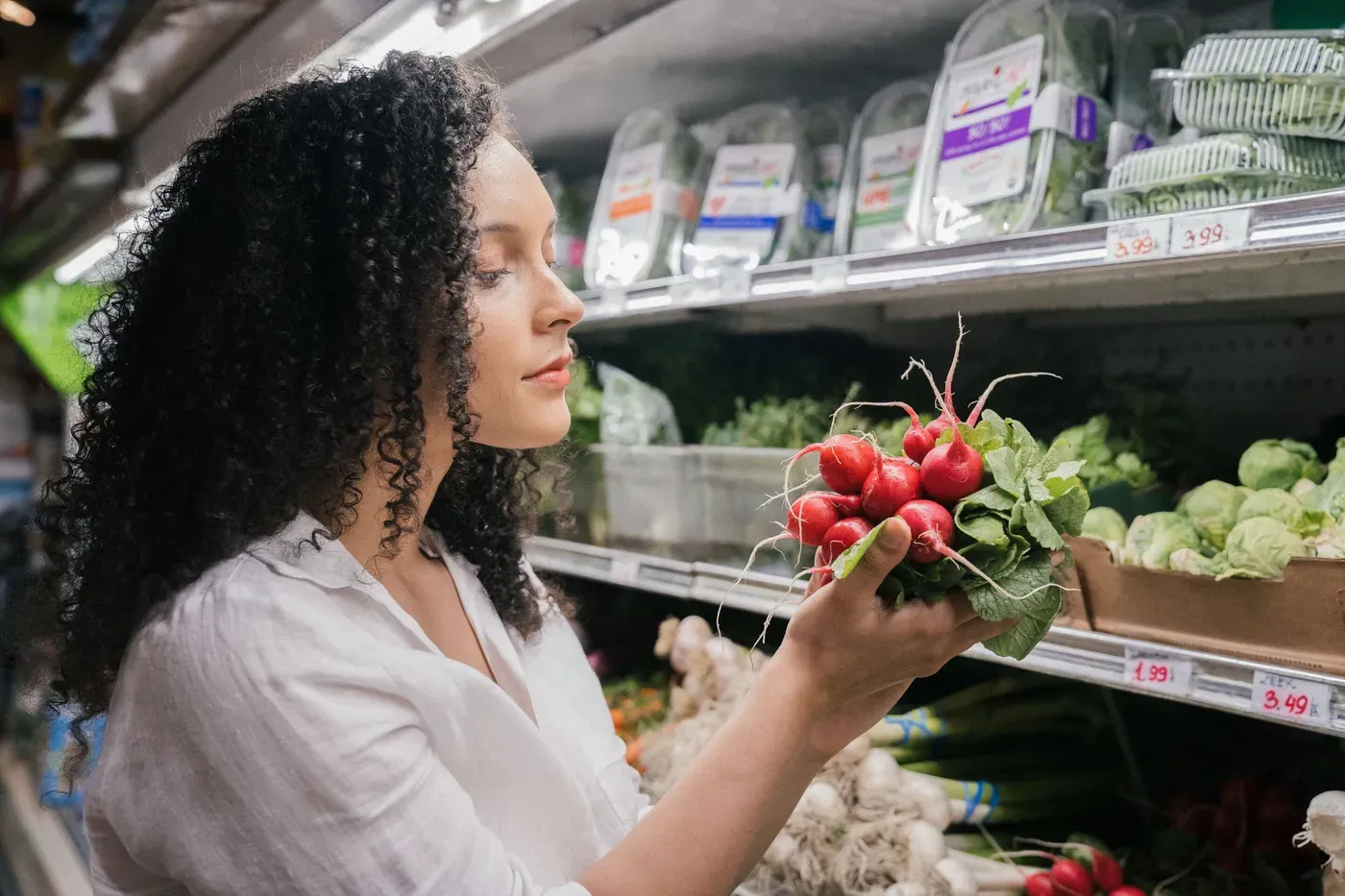
Consumers in New Zealand are driving demand for organic food, with sales reaching NZ$1.18 billion in 2024 according to a recent market report.
The term "organic has become synonymous with high-quality produce, but research suggests that people's understanding of it varies greatly. Surveys have revealed that factors such as taste, quality, environmental concerns, and perceived health benefits all play a significant role in influencing consumers' decisions.
Videos recorded by consumers themselves offer valuable insights into how these ideas influence their relationships with food. The footage shows shoppers seeking out trusted sources for their produce, often opting to buy directly from growers or cultivating their own gardens.
A 2020 government-led consumer survey found that while price was a significant barrier for those who didn't purchase organic products, around three-quarters of respondents still reported buying organic food or drink. This suggests that consumers are willing to pay a premium for what they perceive as high-quality produce.
The search for trustworthy sources is driving shoppers away from supermarkets and towards direct connections with growers and gardeners.
Many consumers assume that labeling is the primary way to identify organic products, but research suggests this may not be the case.
A study of 33 Chinese individuals who regularly consume organic food found that their understanding of what constitutes organic produce went beyond mere labeling.
The participants' experiences were shaped by a range of factors including trust in food sources, personal values, and migration backgrounds. These influences impacted how they practiced organic living, revealing that labeling was not the only factor at play.
In one study, participants were asked to record short videos showcasing their food habits, providing valuable insights into the ways consumers engage with organic produce.
The videos submitted by participants offered a glimpse into their daily routines, revealing how their interest in organic food extended beyond mere shopping habits.
One individual documented her supermarket run after returning to China from studying abroad, where she began purchasing organic products in Shanghai and later started cultivating her own tofu, bean sprouts, and vegetables on her balcony.
The videos not only showed the participants' everyday behaviors but also challenged some assumptions about their understanding of organic food. One participant described himself as an avid enthusiast of organic produce yet showcased expensive supermarket items without any organic labels.
His perspective on organic food was rooted in his association with premium prices, luxury packaging, and upscale shopping environments, rather than certification or production methods, diverging from the researchers' definition of organic food.
The participants' selective accounts of their daily lives were valuable for understanding what products and activities held significance for them, and examining these choices alongside interviews provided insight into their motivations.
Shoppers often rely on trust when making organic food choices, but what exactly constitutes organic" can be a mystery for many consumers. This lack of transparency can be a barrier to buying organic products, as seen in a 2020 survey where nearly one-fifth of New Zealand respondents who didn't purchase organic products cited distrust in organic claims.
Some participants in the research focused on certification labels, while others placed greater faith in personal recommendations or direct relationships with growers. This variability highlights that consumers may have different ideas about what makes food trustworthy, despite sharing a desire for reliable information.
The findings also suggest that doubts about conventional food systems can lead to a reevaluation of one's food sources, potentially prompting individuals to grow and prepare more of their own food. In some cases, this shift in behavior may not necessarily translate to increased purchases from organic retailers.
For producers and retailers, the research underscores the importance of providing clear information about the origin, production methods, and verification processes behind organic products. This transparency can help build trust with consumers and facilitate informed purchasing decisions.
The label on a product may not always be a reliable indicator of its authenticity as an organic food item. For instance, some consumers might prioritize purchasing food from local farmers or those who adhere to environmentally friendly practices over strict adherence to regulatory definitions.
This nuanced approach can reveal more about the consumer's values and priorities than their actual shopping choices. Ultimately, trust in a particular brand or producer often plays a significant role in determining what people put on their plates.
Facts based on reporting originally published by Phys.org.
You may republish this story, in full or in part, if you credit News Central Site and link to it (licence CC BY 4.0). Photos are not included.