Car Seat Manufacturers Introduce Advanced Safety Features
Smart car seats incorporate technologies such as Bluetooth-connected chest clips and sensors that track vital signs.
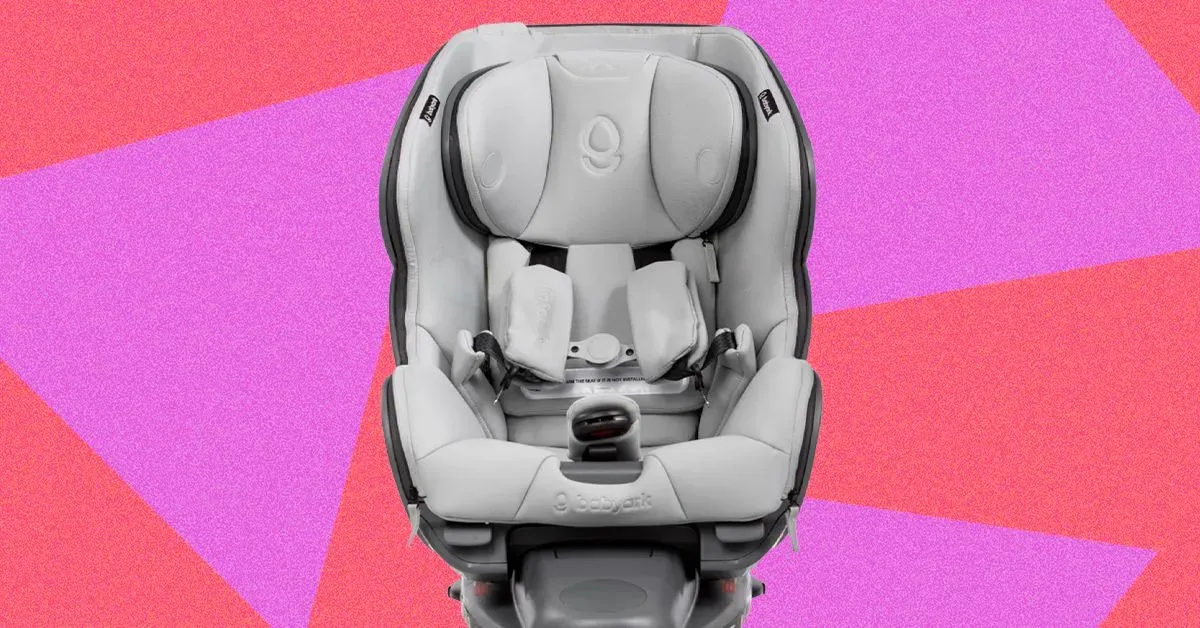
Car seat manufacturers have been incorporating advanced features into their products, providing parents with an added layer of safety and convenience.
These innovative technologies include Bluetooth-connected chest clips, sensors that track vital signs, mobile apps for monitoring car seat installation, and real-time alerts sent directly to a parent's phone if something goes wrong.
For frazzled parents constantly juggling multiple tasks, these high-tech features can be incredibly appealing, offering an extra sense of security as they navigate the challenges of childcare.
However, it's essential to question whether these cutting-edge features genuinely enhance car seat safety or merely provide peace of mind at a premium price.
A closer look at two smart car seats, the Babyark Classic and the Cybex Cloud G Pro, is necessary to determine if this technology lives up to its promises.
The integration of technology into smart car seats is a key aspect that sets them apart from their traditional counterparts. Some models rely on sensors to detect when the seat is installed correctly, providing caregivers with peace of mind during each ride.
Other smart car seats use Bluetooth-enabled chest clips to send notifications to parents' phones in case of an emergency. These notifications can be triggered by a range of events, including the chest clip breaking free mid-ride or the parent walking away from their vehicle while their child is still buckled in.
Some high-end models even come equipped with crash detection technology, which alerts designated emergency contacts if a collision occurs. This feature provides an added layer of security for families on-the-go.
The Babyark Classic, one of the two smart car seats tested, boasts a unique base setup that stands out from other car seats. The base features a fold-out support leg and anti-rebound bar, giving it a futuristic appearance.
The Babyark app provided detailed video tutorials to guide me through each step of installation, making it easier to set up the car seat correctly.
Once everything was installed, indicators on the base lit up green, signifying a successful setup.
While navigating the app is straightforward, I found myself relying on it less and less once the seat was in place, only occasionally checking for notifications about potential issues.
However, over several months of use, I've received no alerts aside from occasional random disconnections that were easily resolved.
The Babyark offers different models, each with varying levels of technology, including the Classic model at $790, which features guided installation videos and mechanical indicators.
Other versions, such as the Smart and Premium models, retail for $999 and $1,190 respectively, adding features like forgotten child alerts and impact detection.
Pairing the phone clip with my device was a straightforward process.
The alerts triggered by intentionally testing the system were prompt and accurate, arriving almost immediately on my phone.
Temperature notifications did work, but they proved to be overly sensitive in some cases.
SensorSafe sends an alert when the car's interior temperature exceeds 95 degrees Fahrenheit or drops below 45 degrees, which can sometimes coincide with the time it takes for the cabin to adjust to outside conditions.
As a result, users may receive an alert before the air conditioning or heating has had a chance to take effect.
The system also monitors the clip's status, sending alerts if it becomes unbuckled while driving or if the child is left buckled in the seat.
A deep voice warns of potential dangers through the app, startling even the most seasoned user on its first occurrence.
If users fail to respond to an alert, the app will notify their emergency contact and share their location with them.
The Cybex app was not frequently accessed during testing, instead running quietly in the background as notifications were received.
Car seats are not foolproof systems, despite their numerous features and gadgets.
A car seat safety expert at the National Safety Council emphasizes that these seats are meant to supplement human judgment, not replace it. According to data collected by the NSC's National Digital Car Seat Check Form, nearly three-quarters of registered car seats have some form of misuse.
Manufacturers are working to address this issue with installation videos and app-based guidance, but more research is needed to determine whether smart features actually improve safety. In fact, certified child passenger safety technicians can provide valuable assistance with installation questions.
Some manufacturers offer access to these experts through virtual appointments, which can be particularly helpful for caregivers who may not have the time or resources to visit a physical location. This service was offered by Babyark, and I personally benefited from it when I had some reservations about the seat's stability.
The car seat safety expert stresses that human expertise is essential, even with the aid of technology. In fact, tech can be useful in making experts more accessible, rather than being built into the seat itself.
Car seats don't require batteries or apps to function properly; what they need is proper use and installation, which can only be achieved through human knowledge and experience.
A premium car seat might offer extra features, but does it justify the added cost?
After putting two high-tech car seats through their paces - the Babyark and the Cybex Cloud G Pro with SensorSafe - I'm not entirely sold on the benefits of these advanced seats.
They do provide some welcome amenities, and they undoubtedly give parents a sense of security, but they don't fundamentally alter how one uses a car seat on a daily basis.
A car seat's primary function is to safely transport children, not to be a hub for extra features or apps that rarely get used.
In the end, it comes down to what matters most: finding a seat that fits both child and vehicle, and ensuring it's installed correctly.
It's essential to remember that more bells and whistles don't necessarily translate to greater safety.
Facts based on reporting originally published by Wired.
You may republish this story, in full or in part, if you credit News Central Site and link to it (licence CC BY 4.0). Photos are not included.