Jury Decision-Making Process Analyzed Through Virtual Mock Juries
A new study is shedding light on how juries make decisions, particularly when faced with disagreement among its members.
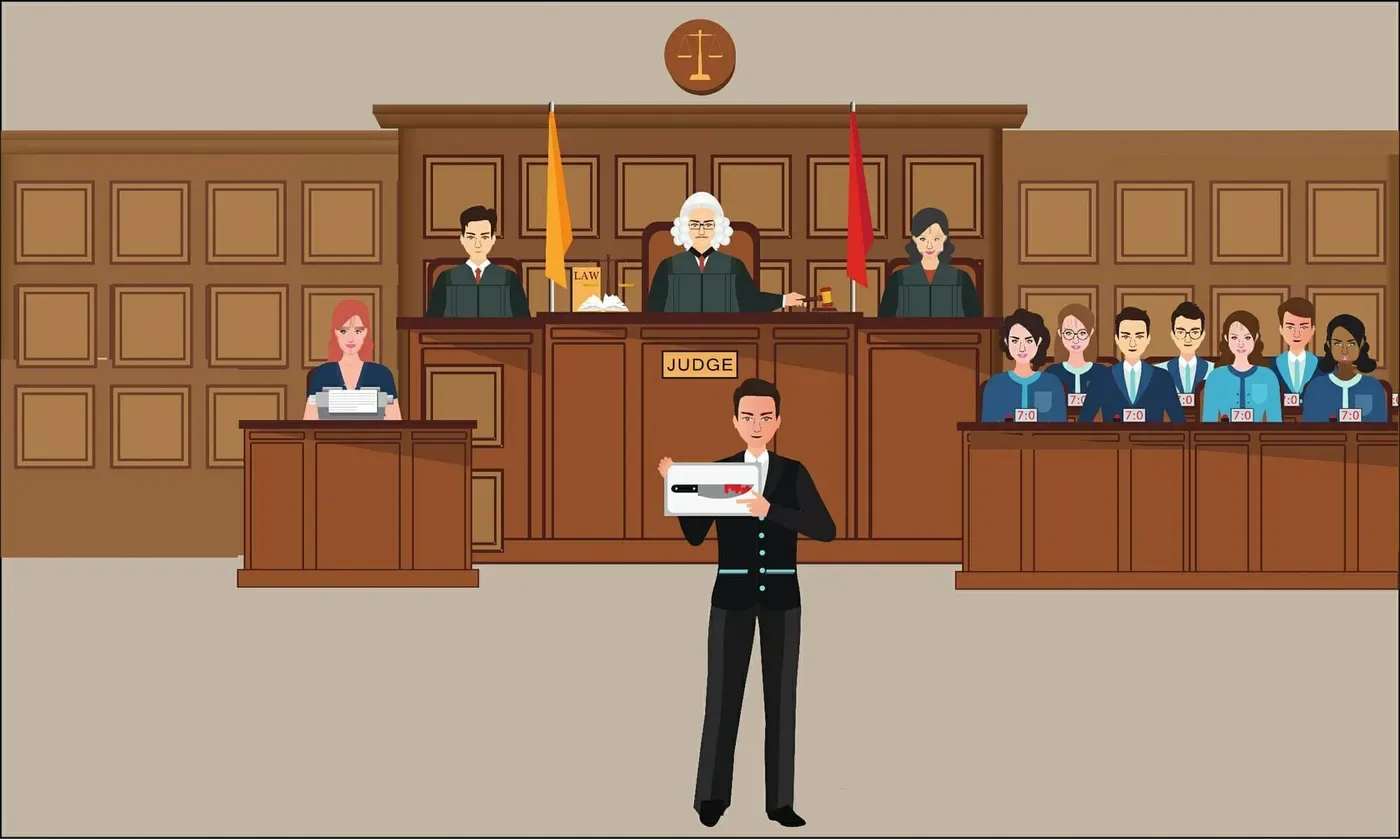
A new study is shedding light on how juries make decisions, particularly when faced with disagreement among its members. Researchers led by Tova Cohen, a Ph.D. student at Rutgers School of Criminal Justice, conducted an in-depth analysis of virtual mock juries to gain insight into the decision-making process.
The study involved 35 participants who were divided into seven virtual mock juries, allowing researchers to examine individual characteristics and group dynamics. The researchers aimed to understand how jurors interact with each other during deliberations, especially when faced with conflicting opinions. This is crucial for collective legal decision-making in the U.S. criminal legal system.
Cohen emphasizes that understanding jury deliberation is essential for grasping the complexities of the process. "Jury deliberation is a significant component of the U.S. criminal legal system and is important for collective legal decision-making," she said. By examining how jurors respond to disagreement, researchers can gain a deeper understanding of the factors influencing their decisions.
The study's findings reveal that personal characteristics play a role in determining individual participation levels during deliberations. However, other traits such as agreeableness, openness, and civic engagement were not found to be predictive of increased involvement in discussions.
Researchers also discovered that disagreement among jurors can serve as an opportunity for individuals to express competing interpretations of the evidence. After one deliberation, participants' initial verdict preferences shifted, with some who initially voted "not guilty" ultimately reporting a guilty verdict.
The study's results suggest that understanding jury decisions requires more than just examining final verdicts. It also involves analyzing how jurors participate in discussions and work together to reach consensus. The researchers' findings contribute significantly to the ongoing discussion on collective decision-making processes within juries.
The study's findings emphasize the significance of interpersonal dynamics within juries to understanding how jurors participate and reach a consensus.
Researchers have long been interested in the collective decision-making processes of juries, but there has been limited research on the role of dissenting jurors in this process. The study highlights the crucial distinction between the outcome of deliberation and the processes by which jurors arrive at it.
The researchers' findings contribute significantly to the ongoing discussion on collective decision-making processes within juries, providing valuable insights into the importance of interpersonal dynamics during jury deliberations. Ultimately, a deeper understanding of these dynamics can lead to more informed and just outcomes in the judicial system.
Facts based on reporting originally published by Phys.org.
You may republish this story, in full or in part, if you credit News Central Site and link to it (licence CC BY 4.0). Photos are not included.