Pope Leo XIV Speaks Out After Lung Cancer Surgery
Pope Leo XIV has spoken out about his recent lung cancer surgery, assuring the public that it hasn't changed his priorities or agenda as leader of the Catholic Church.
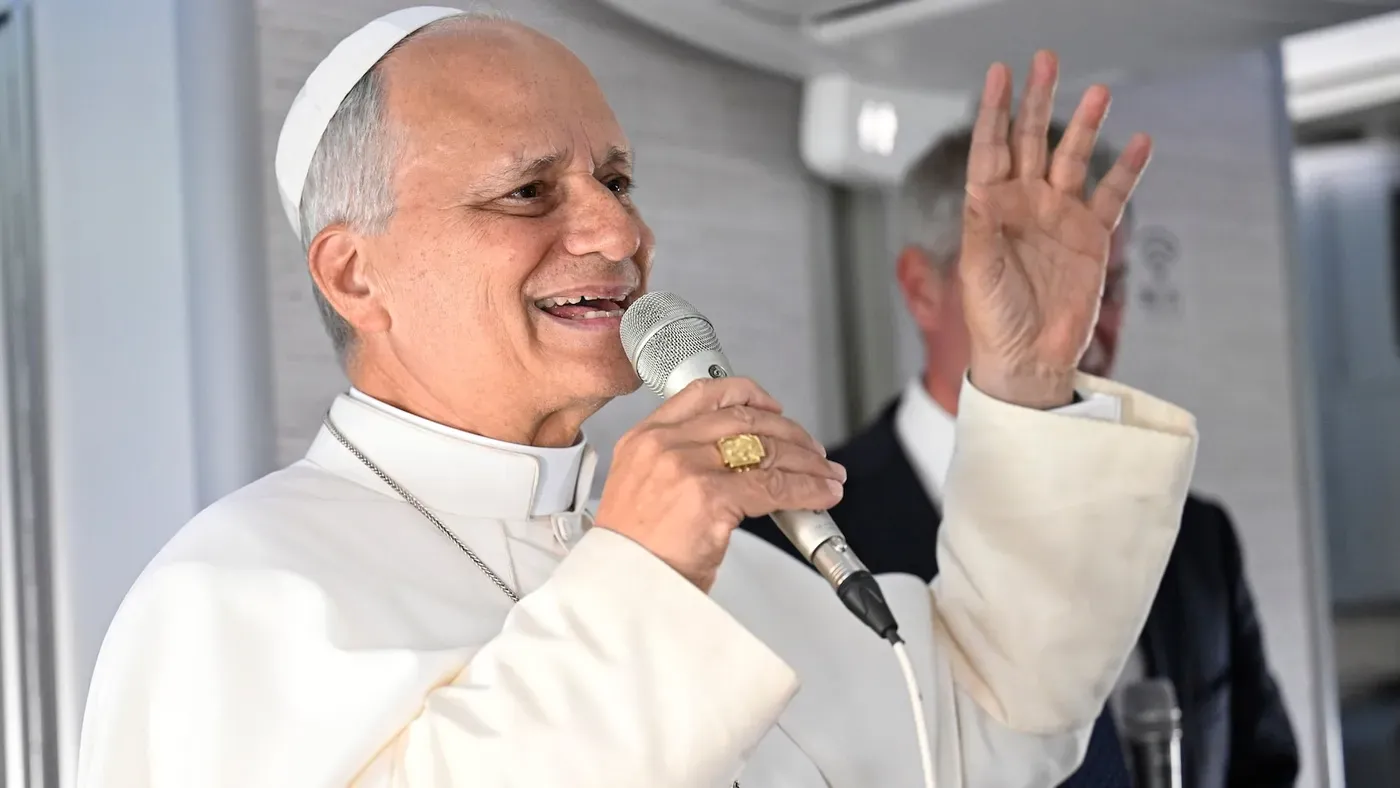
Pope Leo XIV has spoken out about his recent lung cancer surgery, assuring the public that it hasn't changed his priorities or agenda as leader of the Catholic Church.
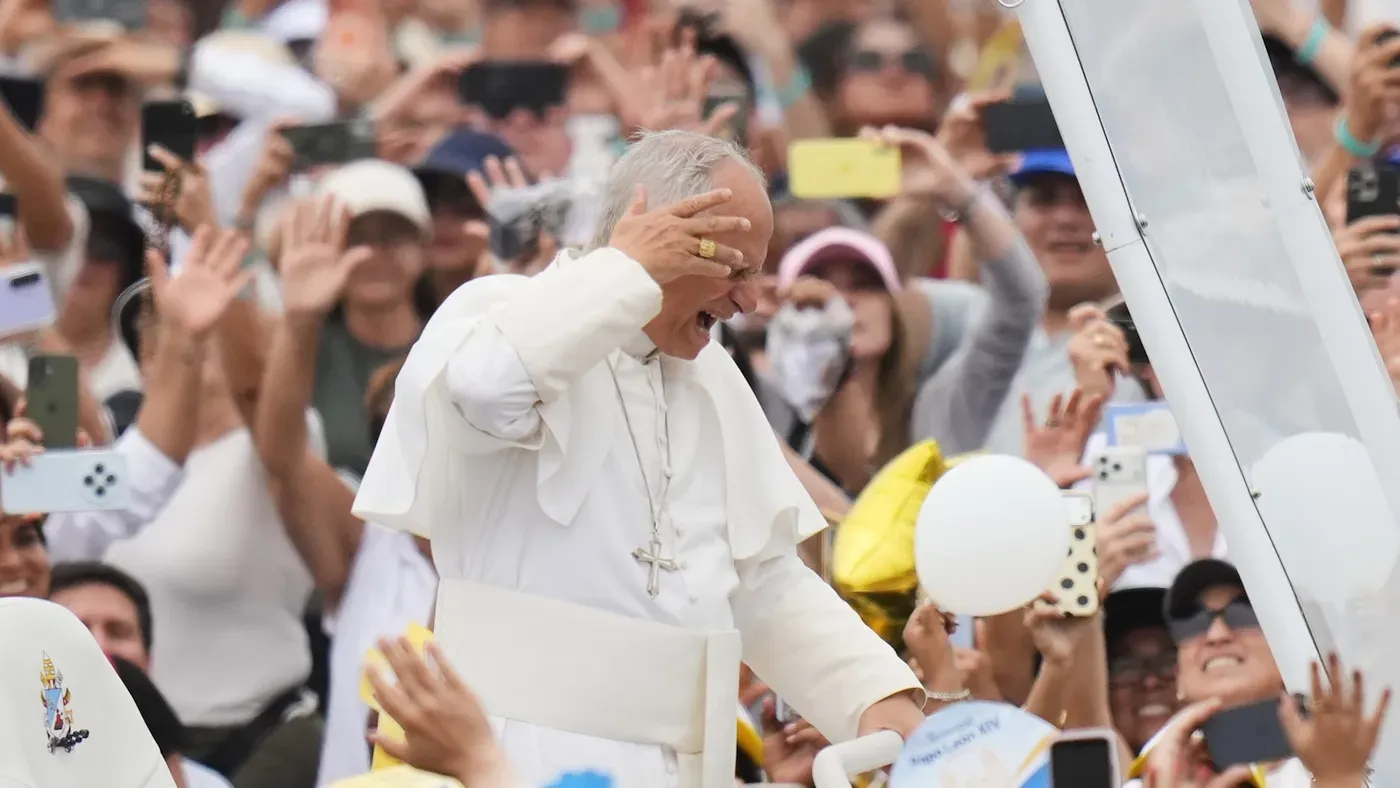
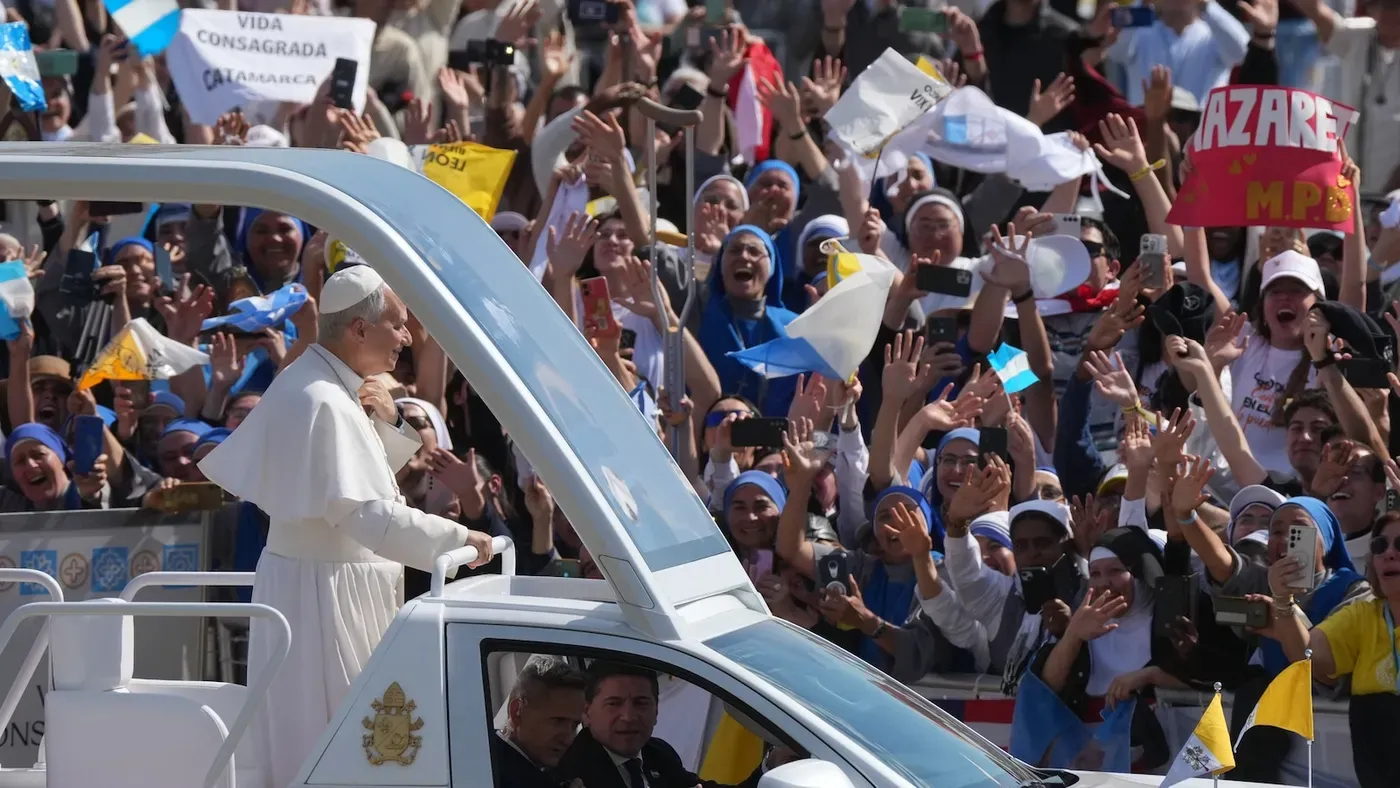
The Pope, who underwent a 12-day trip through three South American countries before undergoing surgery, appeared full of energy and health during an airborne news conference on Monday. Several members of the Vatican delegation and press corps had fallen ill due to the grueling trip. Despite this, Leo seemed in high spirits.
"I'm not 100% but I'm pretty good," Leo said of his recovery from the surgery. He attributed his resilience to a gift from God - endurance. The Pope's words were met with laughter from those present at the news conference.
The cancerous tumor was discovered by chance during an annual checkup, and initially appeared as a shadow on Leo's lung. There were no symptoms before its discovery. Once confirmed, Leo decided to proceed immediately with surgery to have it removed.
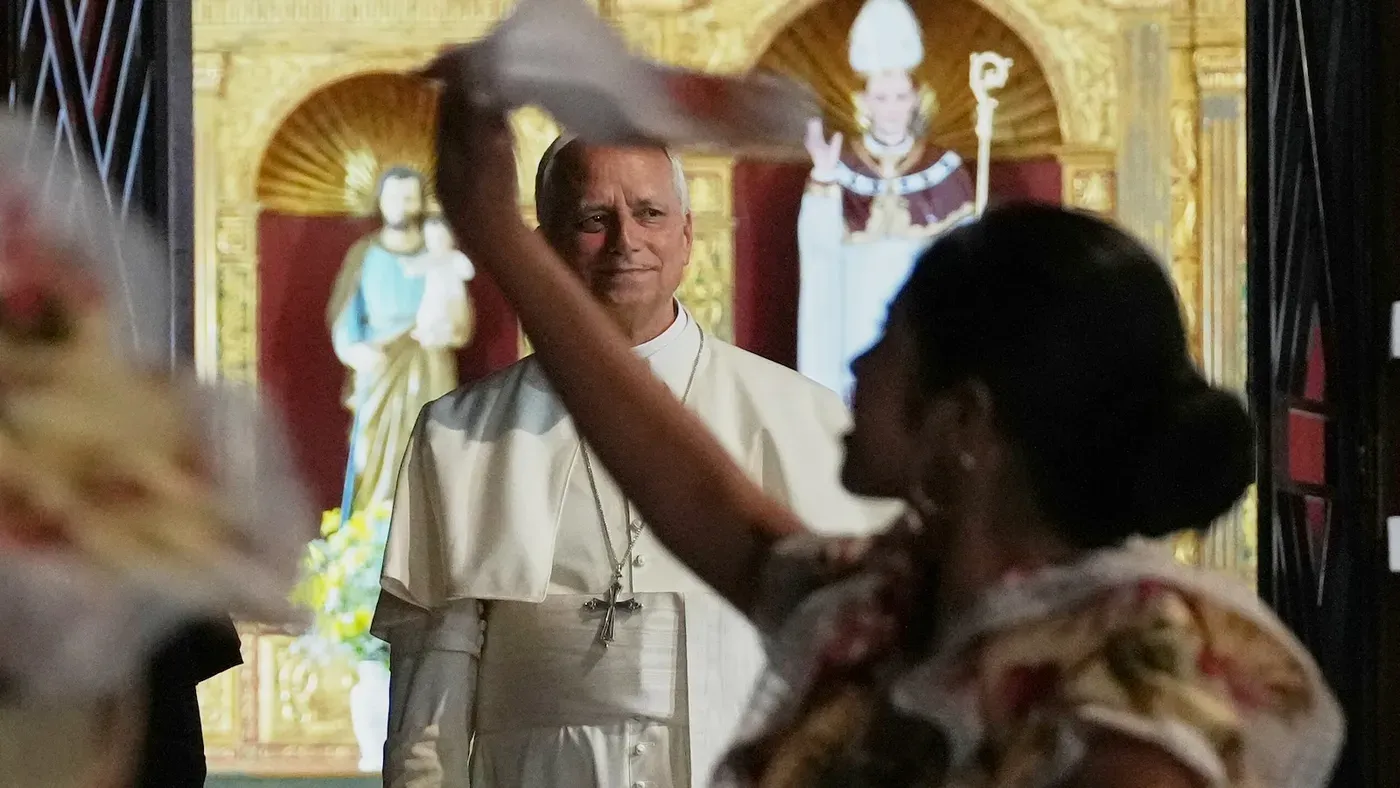
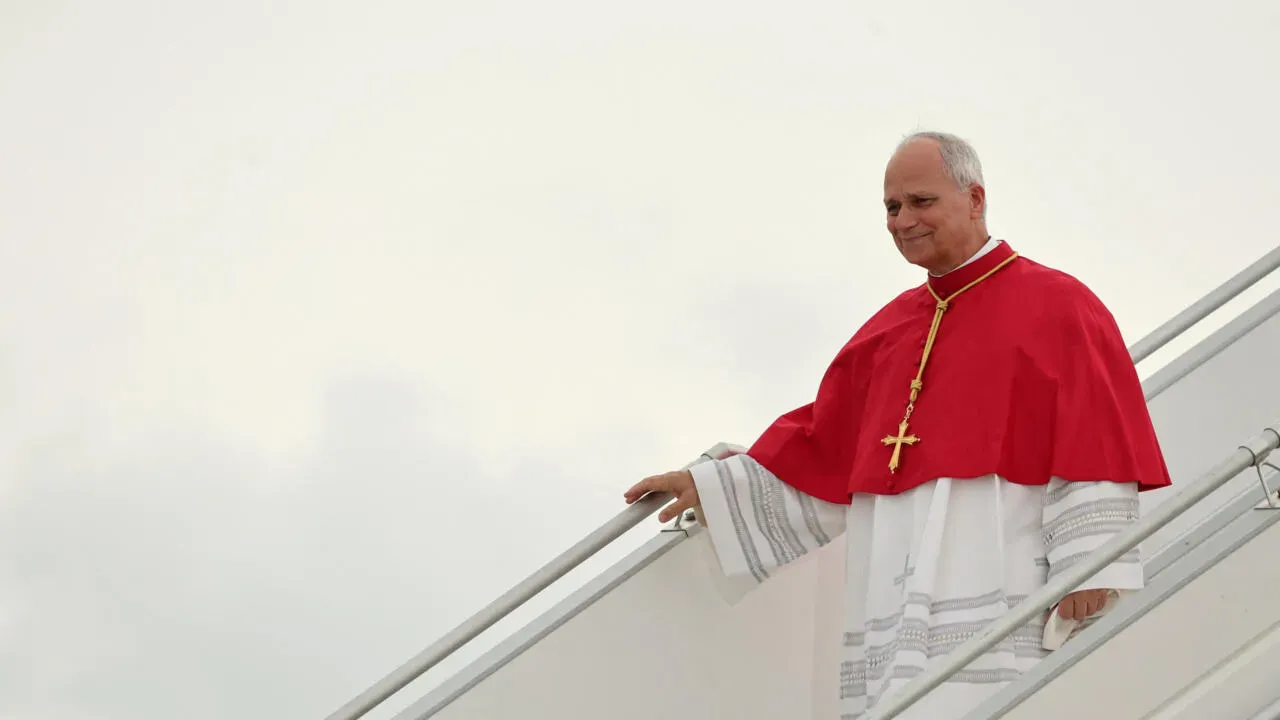
His experience has left him hopeful that others will not fear having regular checkups or pursuing preventive care. The Pope is now back in Rome after his trip through Peru and two other South American countries.
The Pope's comments on his lung cancer surgery have sparked interest among observers of the Catholic Church hierarchy.
Leo stated that he did not see a need to make arrangements for the leadership of the Church if he were left unable to govern due to medical impairment.
He clarified that no instructions outlining his resignation criteria had been written, as some experts believe is essential in case a pope becomes medically incapacitated and unable to articulate their decision to step down.
Leo expressed confidence in his ability to recover from surgery, attributing it to good medical care, prayer, and his determination.
Pope Leo has reaffirmed his commitment to unity in the church, a goal he believes will bring healing and cohesion among its members. This priority is not new, but it takes on added significance given the polarization that has characterized the papacy of Pope Francis. The current pope's focus on unity reflects a desire to address deep-seated divisions within the church.
A question about ordaining married men in the Amazon has been put to Leo, an issue that was also considered by his predecessor. While remote communities in the region face long periods without access to sacraments due to a shortage of priests, the solution proposed is not one that Leo supports. He believes it could exacerbate existing divisions within the church.
For those who see ordaining married men as a way to ease the priest shortage, Leo's stance may come as a disappointment. However, he remains committed to his vision of promoting unity and communion among all members of the church. This is not about forcing change, but rather about fostering an environment where people can come together.
The issue of the old Latin Mass has also been put to Leo, with some hoping that he would reverse restrictions imposed by Pope Francis. However, it appears that this is one decision that will remain unchanged under his leadership. Traditionalist Catholics had been looking for a more sympathetic ear from their new pope, but it seems that their hopes have not been realized.
Leo's priorities are clear: unity and healing within the church take precedence over any other considerations. While some may see this as a missed opportunity to address long-standing issues, others believe that his approach is necessary to bring people together and promote a sense of cohesion among all members of the church.
The Pope's stance on clergy abuse has been a point of contention within the church for some time, and it appears that Leo is now considering how to address this issue more effectively. In meetings with abuse survivors in Argentina and Peru, he acknowledged the problem of "spiritual abuse as a serious concern that requires attention from the church.
A Vatican working group has been studying this phenomenon for over two years, highlighting the need for clearer laws to protect individuals who are vulnerable to exploitation by priests using their spiritual authority. The issue is particularly concerning because there are currently no explicit laws in place to punish such behavior, despite the existence of laws against sexual abuse of minors.
Leo, a canon lawyer, recognizes that the church's current approach has created a loophole in its canon law, allowing perpetrators to escape accountability. He believes that addressing spiritual abuse" requires a more formal and structured approach, with clear guidelines for application and enforcement to ensure justice is served.
The Pope's comments on spiritual abuse come as a tribunal deliberates on the case of Rev. Marko Rupnik, a Jesuit mosaic artist accused by multiple women of misconduct.
Rupnik is alleged to have engaged in spiritual, psychological, and sexual abuse, with the victims first coming forward in the 1990s but facing no consequences until they went public, sparking suspicions that he was shielded by his superiors. The allegations include behavior dating back years, raising questions about how such incidents can occur despite efforts to prevent them.
The case highlights the need for clear guidelines and enforcement mechanisms to address spiritual abuse, with some arguing that a more formal approach is required to ensure justice is served in such situations.
Facts based on reporting originally published by ABC News Health.
You may republish this story, in full or in part, if you credit News Central Site and link to it (licence CC BY 4.0). Photos are not included.