Male Enhancement Procedures on the Rise in US
A new documentary sheds light on a growing trend in male enhancement procedures, with many men seeking penis filler injections as a solution to perceived problems.
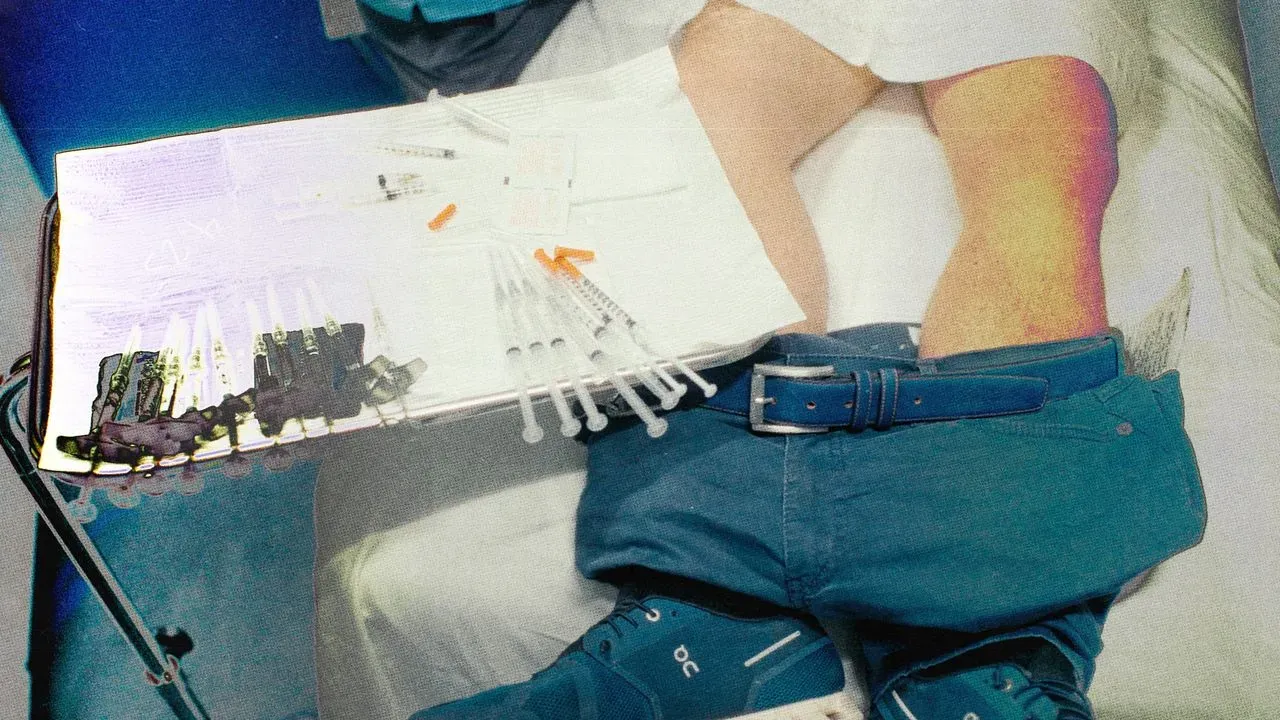
A new documentary has shed light on a growing trend in male enhancement procedures. According to the film Manhood, many men are seeking out penis filler injections as a solution to perceived problems with their penises. The subjects of the film often express feelings of shame and regret about their bodies.
The documentary follows several patients who have undergone the PhalloFILL procedure at a Dallas-based medspa operated by Bill Moore. These individuals include Ruben, an aspiring comedian, and David, a former OnlyFans star whose previous filler procedure had gone awry. The film's director, Daniel Lombroso, spent years building trust with his subjects before they agreed to share their experiences on camera.
The patients in the documentary attribute their decision to undergo penis enlargement procedures to a range of motivations. Some see it as a way to escape middle-aged ennui or a difficult past, while others view it as a means to save their marriages. The procedure is marketed as a non-surgical solution that can add meaningful girth to the penis.
The cost of the PhalloFILL procedure is significant, with patients paying upwards of $6,000 for each injection session. This has contributed to the growth of a nationwide industry focused on male enhancement procedures. According to Lombroso, the industry's popularity is not limited to men seeking to improve their physical appearance.
Lombroso spoke about his experiences filming Manhood at SXSW. He revealed that he had spent years building trust with Moore and his patients before they agreed to share their stories on camera. The film's premiere was a success, and it will be available to stream in November.
GQ sat down with Lombroso after the premiere of Manhood. They asked him about his own reactions to the footage he captured during filming. Lombroso admitted that he is generally squeamish but found that being behind the camera gave him a sense of detachment from the subject matter.
The film's portrayal of penis enlargement procedures has been described as unflinching and graphic. However, Lombroso argued that it is not the most disturbing aspect of the documentary. He pointed out that one of the patients, Ruben, struggles with his stand-up comedy career in a way that is more unsettling than the physical appearance of the patients.
The popularity of penis enlargement procedures has led to significant profits for those involved in the industry. According to Lombroso, some individuals are already reaping financial rewards from their involvement in this growing market.
The process of documenting such intimate procedures can be grueling for even seasoned professionals. This project required a delicate balance between capturing the raw emotion and sparing audiences from the most graphic details.
A cinematographer's expertise was invaluable in this endeavor, allowing the team to navigate the complexities of the subject matter with sensitivity. The collaboration with Vittoria Campaner brought a unique perspective to the project.
One of the most challenging aspects of filming these procedures was witnessing the aftermath of botched surgeries. In one instance, a patient had undergone a penile reconstruction that left him severely disfigured.
The decision to omit some of the more graphic footage was not taken lightly, but it allowed the team to maintain a level of respect for their subjects' dignity. By choosing what to show and what to conceal, they aimed to strike a balance between education and tact.
Having worked on similar projects in the past, including a documentary about the Brazilian butt lift, provided some insight into the emotional toll these procedures can take on those involved. The experience was not unlike filming in a newsroom, where one must remain detached from the subject matter.
Despite the challenges, making this film allowed for a level of separation that helped the team navigate the difficulties of their work. This sense of detachment is crucial when dealing with sensitive topics like cosmetic surgery gone wrong.
The reaction to the documentary has been telling, with some viewers expressing shock at the graphic nature of the procedures. However, others have praised the film's ability to tackle a difficult subject with sensitivity and candor.
The divide in reactions highlights the varying levels of comfort people have when confronted with images of the human body, particularly those that are considered taboo or unconventional. This disparity is evident in the way different demographics respond to such content.
The transition from serious documentaries to a more lighthearted topic like penis enlargement may seem unusual, but it was a deliberate choice made by the filmmaker.
Their previous projects had tackled heavy subjects such as the alt-right and personal experiences in the Holocaust. The change of direction was prompted by a desire to explore a cultural phenomenon that is often difficult to address.
The filmmaker's business partner joked that this documentary would be the first time they didn't have a connection to the Holocaust, highlighting the shift in focus.
Research for the film began three and a half years ago, when stories about the male loneliness epidemic were dominating headlines. However, it was another trend that caught the filmmaker's attention - the rise of penile enhancement procedures.
The explosion in demand for these treatments sparked curiosity, but it wasn't the enlargement itself that interested the filmmaker as much as using it as a lens to examine the broader cultural conversation surrounding body image and masculinity.
To gain insight into this phenomenon, the filmmaker spoke with urologists who specialize in penile enhancements. They were particularly drawn to the Penuma implant, which has some concerning complications associated with its use.
The creator of the Penuma was among those interviewed, as well as practitioners using more permanent dermal fillers for penile girth enhancement. However, many of these experts seemed reluctant to share their experiences openly.
The filmmaker's approach to documentary-making involves immersing themselves in the subject matter over an extended period. This allowed them to build trust with their sources and gain a deeper understanding of the issues at hand.
Living among patients for two years was a necessary step in making this documentary film. It allowed me to gain their trust and understand the issues they faced on a deeper level. This approach also enabled me to identify potential subjects who were willing to share their stories with me.
Finding the right practitioner was crucial, as I needed someone who would be open to my project. After conducting extensive research, I finally came across Bill Moore, an American character whose reputation preceded him. His clinic became a hub for my documentary, where I could observe patients and gain insight into their experiences.
Sitting in waiting rooms with camera equipment nearby proved to be an effective way to connect with potential subjects. Some would agree to speak with me, while others politely declined or asked me to return at a later time. This approach allowed me to build trust and establish relationships with the men who eventually appeared in my film.
The individuals featured in this documentary are from diverse backgrounds, including a megachurch pastor, a border patrol agent, an OnlyFans star, and someone living with brain cancer. Their stories highlight the various reasons why they chose to undergo penis enlargement procedures. Despite their differing circumstances, all shared a sense of shame and embarrassment about their decision.
Convincing these men to share their lives and bodies on camera was no easy task. They were often hesitant at first but eventually opened up as trust was established. This process required patience, empathy, and an understanding that everyone has different comfort levels when it comes to vulnerability.
Some participants requested specific boundaries be respected during filming, such as not capturing certain body parts or aspects of their lives. Others gave consent in various forms, allowing me to capture intimate moments within their families. Each individual had unique needs and expectations, which I honored throughout the filmmaking process.
The documentary's approach was inspired by direct cinema, where the filmmaker becomes an observer rather than a participant. This style allowed me to immerse myself in the lives of my subjects for at least a year and a half. By doing so, I could capture authentic moments that would add depth to their stories.
As I delved deeper into this project, I began to consider the ethics involved in documenting such intimate aspects of people's lives. The recent success of films like [You Can See Everything] has brought attention to these issues and raised questions about consent and vulnerability.
The production team behind the documentary made an effort to gain the trust of their subjects, allowing them to share their stories in a way that felt authentic and vulnerable.
Ruben, a father of five on his second marriage, was another individual who agreed to participate in the film, despite initial reservations about how his story would be received.
The filmmakers' approach paid off with David Smith, an OnlyFans star who had never shared his story publicly before. His pseudonym serves as a reminder that even those in the adult industry may prefer to maintain their anonymity.
David's narrative is a powerful and emotional one, touching on themes of shame, vulnerability, and the complexities of growing up evangelical and becoming a male porn star.
The production team faced a challenge when it came to featuring David in the film. They had to work with a face replacement company in France, but ultimately decided against using this approach, opting instead to explore other options such as hiring an actor.
David's initial reluctance to appear on camera was not surprising, given his background and experiences. However, after being shown the film, he was visibly moved, crying in the room and later opening up to his family about everything.
This experience highlights the impact that the documentary can have on its subjects, providing a sense of catharsis and allowing them to confront their past in a way that feels empowering.
The fact that David has since become more open and is now touring with the film is a testament to the power of storytelling and the importance of sharing one's experiences with others.
Men who undergo penis fillers often struggle to discuss their feelings about the procedure, preferring instead to keep it private from those closest to them.
The reluctance to open up is particularly evident when talking about sensitive topics such as shame and insecurity, which can be deeply personal and emotionally charged issues for these individuals.
Some men have shared that they only felt comfortable discussing their experiences with the filmmaker after seeing the final cut of the documentary.
This suggests that the process of sharing one's story can be a crucial step in coming to terms with difficult emotions and insecurities.
The desire for anonymity is not surprising, given the stigma often associated with men seeking cosmetic procedures, including penis fillers.
Many of these individuals are paying cash for the procedure, which allows them to maintain their confidentiality.
Facts based on reporting originally published by GQ.
You may republish this story, in full or in part, if you credit News Central Site and link to it (licence CC BY 4.0). Photos are not included.