Pixel 11 Offers Notable Upgrades Over Predecessor
The new phone boasts improved camera performance, faster charging, and a more efficient chip, but whether these upgrades are worth the cost is still unclear.
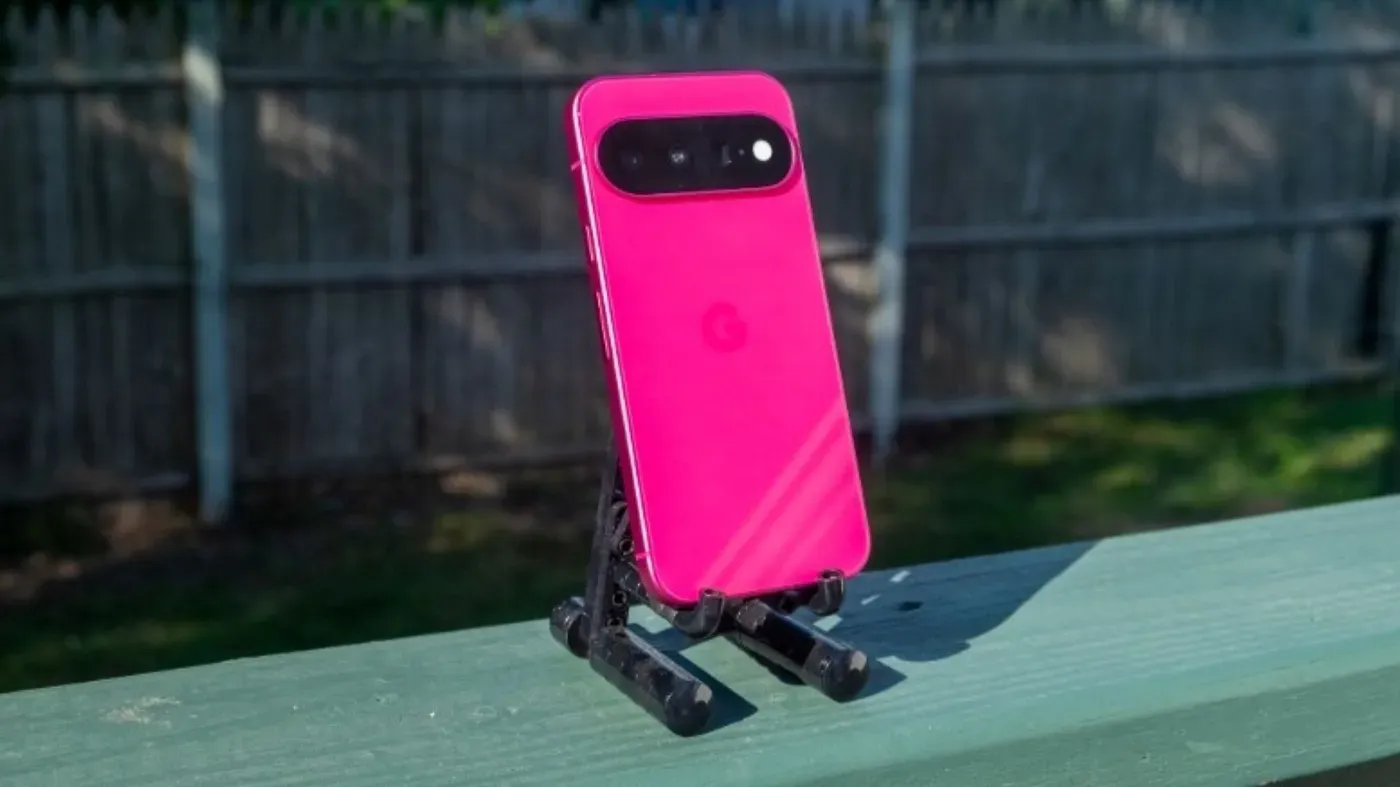
Attention Pixel 9 owners: is it actually worth upgrading to the Pixel 11?
The latest Pixel model has been on sale since August 2026, but does that necessarily mean it's a significant upgrade? The new phone boasts some notable improvements, including a larger main camera sensor and faster charging capabilities.
One of the most striking features of the Pixel 11 is its revamped camera system. The 48MP main camera now comes equipped with a significantly more sensitive sensor, allowing for better low-light performance. Additionally, Super Zoom has been upgraded to an impressive 30x, making it easier to capture distant subjects.
While some might be tempted by the latest and greatest technology, others may wonder if the upgrade is truly worth the cost. The Pixel 11 does boast a few notable improvements over its predecessor, including a new Tensor G6 chip that promises faster web browsing speeds and app launches.
The real question for many owners will be whether it's time to upgrade from their current model. For those with a Pixel 9, the advantages of moving to the 11 are more pronounced, offering significant upgrades in camera capabilities, battery life, and software support.
The Pixel 11's camera capabilities have been touted as one of its strongest features, but our testing revealed some limitations when it comes to zoom shots. While these photos looked fine on the phone's screen, they lost a lot of detail once viewed on a larger device like a laptop.
Google highlights two exclusive camera features for the Pixel 11: Magic Capture and Camera Looks. Magic Capture allows users to record short clips and select the best stills from them, while Camera Looks enables users to set default filters. However, some experts argue that these features will eventually become available on older Pixels through regular software updates.
A closer look at the comparison between the Pixel 10 and 11 reveals that the main advantages of upgrading lie in faster chip performance, double the base memory, and quicker wireless charging. These upgrades are substantial, but they may not be enough to justify the higher price point of $899.
When it comes to camera capabilities, the Pixel 9 has two rear cameras: a 50MP main sensor and a 48MP ultrawide lens. The Pixel 11 builds upon this with an additional 10.8MP telephoto camera that offers 5x optical zoom and optical image stabilization. This puts it ahead of some competitors like the iPhone 17, which lacks a telephoto lens altogether.
The base model Pixel 11 Pro boasts a more advanced telephoto setup, featuring a 48MP sensor with a 1/1.95-inch size. In contrast, the standard Pixel 11 has to make do with a smaller 1/3.2-inch sensor. This difference in camera technology highlights the limitations of the base model's telephoto capabilities.
The question remains whether these upgrades are worth the cost for those already owning a Pixel 9 or 10. With prices reaching as high as $899, it's essential to weigh the benefits against the expense.
The battery life of the Pixel 9 and Pixel 11 is a significant factor to consider when deciding whether or not to upgrade from your current device. The Pixel 9's 4,700mAh cell is rated by Google for more than 24 hours, while the Pixel 11 boasts an even longer lifespan with its 4,985mAh battery, which can last for over 30 hours.
In our testing, the Pixel 11 demonstrated impressive endurance, lasting from Saturday morning until Sunday evening on a single charge. This suggests that the Pixel 11's larger battery is indeed more efficient and capable of handling demanding tasks without needing to be recharged as frequently. Furthermore, the Pixel 11 offers additional features such as Pixelsnap magnets, which enable seamless attachment of magnetic Qi2 chargers and mounts.
The longevity of software updates for each device model is also an essential consideration when deciding whether or not to upgrade. Google's commitment to providing seven years of OS and security updates from the date each Pixel first went on sale in the United States means that none of these models are yet nearing the end of their support cycle. The Pixel 9, for instance, will continue to receive software updates until August 2031.
If you're experiencing issues with your Pixel 9's battery life, it's worth considering a replacement rather than upgrading to the Pixel 11 outright. A genuine replacement battery can be purchased from iFixit for around $50, providing a cost-effective solution to extend the lifespan of your device. Alternatively, Google offers a mail-in repair service that can provide price quotes through an online estimator.
Considering the relatively modest upgrades offered by the Pixel 11, it may be worth holding off on an upgrade for Pixel 10 owners until at least the next iteration. As previously discussed, the incremental benefits may not justify the expense.
For those with a Pixel 9, the main advantage of upgrading lies in the improved telephoto lens capabilities, which can provide better zoom functionality, something that cannot be achieved through software updates alone. If daily usage doesn't require extensive use of the telephoto feature beyond 2x zoom, there's no compelling reason to invest $899 immediately.
Facts based on reporting originally published by Engadget.
You may republish this story, in full or in part, if you credit News Central Site and link to it (licence CC BY 4.0). Photos are not included.