LG Solidifies Position as Top Player in OLED TV Market
LG's commitment to OLED technology has led to the company's steady climb to becoming a major force in the industry.
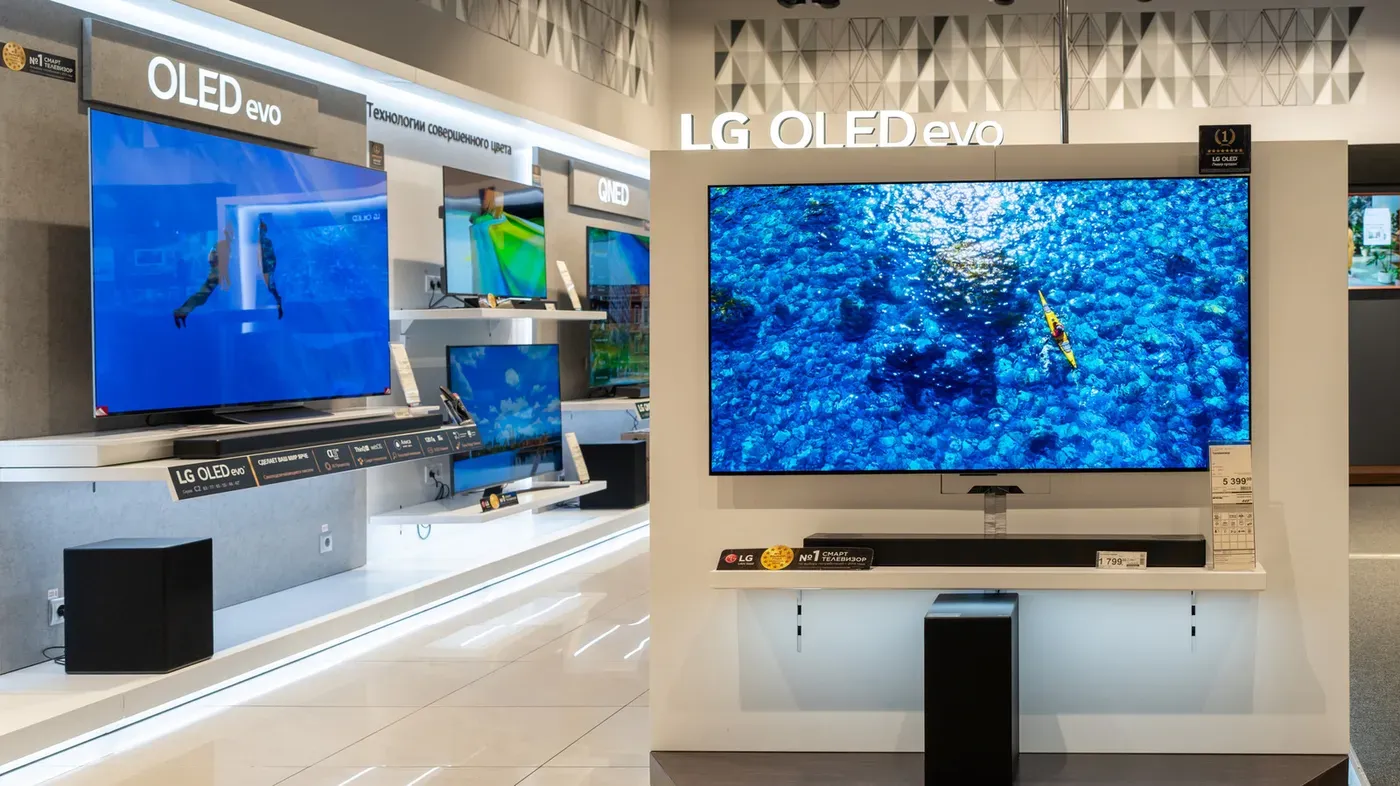
LG and Samsung have solidified their positions as top players in the OLED TV market. LG paved the way for its entry into this field when it released its first 15-inch OLED display in 2010, a relatively small but significant step towards dominating the space. By 2012, the company had taken a major leap forward with the introduction of its 55-inch television. This marked the beginning of LG's steady climb to becoming a major force in the industry.
LG's commitment to OLED technology has been unwavering since its early days, and it is this dedication that sets the company apart from others in the market. The result is a unique visual experience that boasts crisp colors, giving viewers a level of vibrancy that is often hard to find even in high-end OLED televisions. This distinctive quality has helped LG establish itself as a leader in the field.
Samsung's return to the OLED TV market in 2022 marked a significant turning point for the company. With its investment in display-panel innovations, Samsung has been able to carve out its own niche and make a strong impression on consumers. Its QD-OLEDs are known for being among the sharpest-looking OLED displays available, with superior color saturation that surpasses even LG's panels.
However, despite this impressive showing, it is not necessarily clear-cut which brand comes out on top. LG has been working to improve its own technology, introducing new innovations that make the decision between these two brands less straightforward. The complexity of choosing an OLED TV now extends beyond just panel type and color accuracy.
LG's recent quality concerns with the launch of the G6 have also raised questions about the brand's reliability. Meanwhile, Samsung has faced criticism for its lack of transparency in explaining which panel technologies it uses in its televisions. This ambiguity can make it difficult for consumers to make an informed decision when choosing between these two top brands.
The OLED display panel market is dominated by three distinct technologies: WOLED, QD-OLED, and RGB Tandem OLED. While LG has been at the forefront of WOLED innovation, its TVs use a white light source that passes through four filters to produce color.
The process involves red, green, blue, and white subpixels working together to create the final image. However, this approach can compromise text clarity due to the presence of the white subpixel layer. As a result, WOLED is often preferred in high-ambient-light environments where brightness is crucial.
Samsung entered the OLED market with QD-OLED technology in 2022, which employs a blue light source that passes through red and green quantum dots. This setup enables QD-OLED panels to boast an exceptionally wide color gamut and improved energy efficiency, potentially leading to longer lifespan.
The wider color range and HDR capabilities of QD-OLED make it the gold standard for display technology. However, its reliance on quantum dot conversion means that strong light can cause magenta glare in bright living spaces, rendering it less suitable for such environments.
RGB Tandem OLEDs have been developed as an alternative to WOLED and QD-OLED, using multiple emissive layers and a striped subpixel layout to achieve brightness levels of up to 1,000 nits per pixel. Despite this capability, RGB Tandems often suffer from poorer color accuracy compared to Samsung's QD-OLEDs.
The high manufacturing cost of RGB Tandem panels has led to them being priced at a premium in the market.
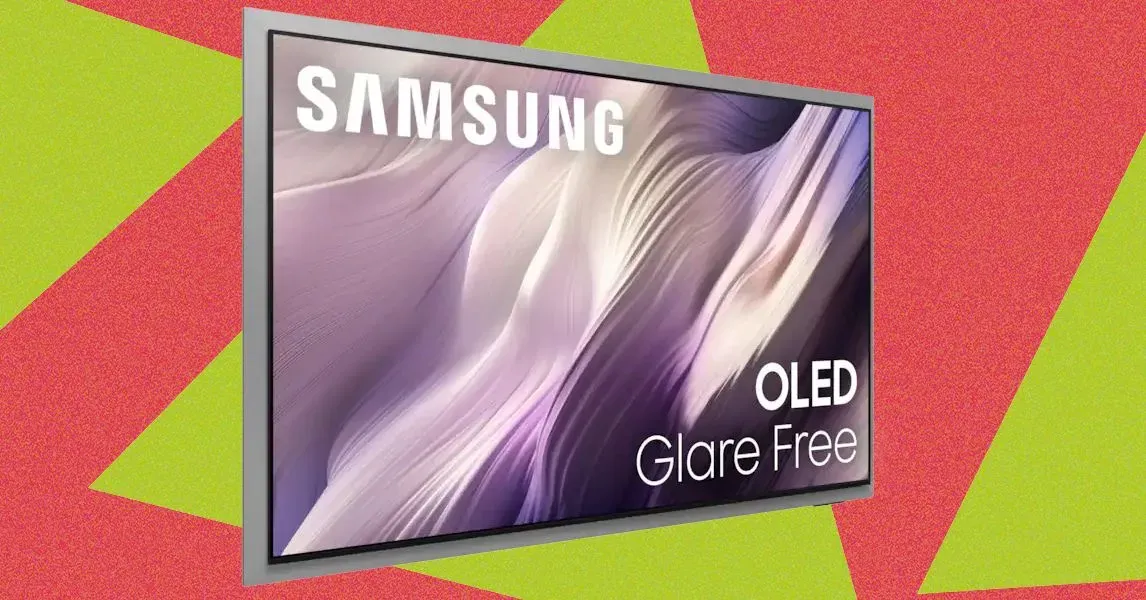
In contrast to Samsung's QD-OLED panels, which can struggle in rooms with high ambient light, LG OLED displays offer better performance in such environments. While LG's anti-glare feature isn't perfect and can't completely eliminate reflections, it still provides a more immersive viewing experience than its Samsung counterpart.
The choice of operating system is another significant factor to consider when deciding between Samsung and LG TVs. LG's WebOS has the advantage of receiving updates for up to five years, whereas Samsung's Tizen OS will only be supported for seven years at most. This difference in software support can impact the overall performance and security of the TV.
One aspect that is often overlooked when evaluating these two brands is their reputation for quality control. Unfortunately, Samsung has a history of inconsistent panel information disclosure in certain models, which can raise concerns about the accuracy of product specifications. In contrast, LG has generally maintained a higher standard of transparency, although it has faced criticism over its data collection practices.
Despite LG's efforts to address consumer concerns, some users remain wary of the brand due to past controversies. The company's decision to allow user conversations to be recorded and sold to advertisers sparked widespread outrage, leading to a public apology and a revised terms of service agreement.
Ultimately, the choice between Samsung and LG TVs depends on individual priorities and viewing habits. While neither brand is perfect, LG's OLED displays generally offer better performance in bright environments and more consistent software support, making it a more attractive option for many consumers.
Facts based on reporting originally published by Engadget.
You may republish this story, in full or in part, if you credit News Central Site and link to it (licence CC BY 4.0). Photos are not included.