Norway Reconsiders Role of Digital Devices in Classrooms
The Norwegian government is taking steps to address concerns over declining reading and writing skills among pupils by reintroducing textbooks and encouraging schools to adopt a more balanced approach to technology.
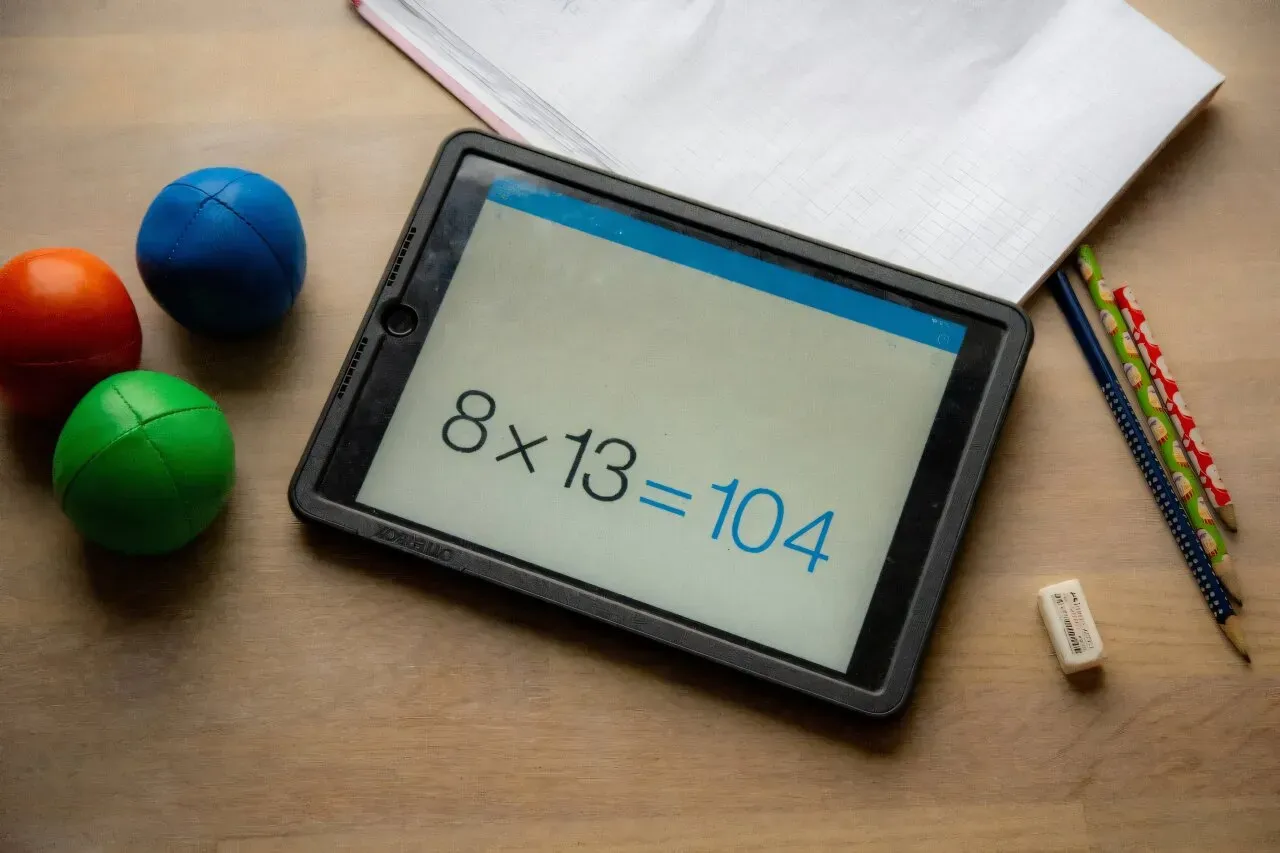
A sudden shift in approach to technology is underway in Norway, where schools are now reconsidering the role of digital devices in the classroom. Just three years ago, a teacher's decision to put aside students' iPads and return to traditional pen and paper methods sparked criticism. However, this move has sparked a wider debate about the impact of rapid technological adoption on education.
The Norwegian government is taking steps to address concerns over declining reading and writing skills among pupils. Laptops and screens have become ubiquitous in schools across the country, but now textbooks are being reintroduced as part of an effort to reverse this trend. This move is not just limited to the classroom environment, with a growing desire to regain control over technology's influence.
A key factor driving this change is a growing awareness of the potential risks associated with rapid technological adoption. Norway's Digitalization Minister Torgeir Micaelsen has acknowledged that the introduction of screens in schools may have been premature, without sufficient understanding of their effects or best practices for their use. This has led to calls for a more cautious approach.
As part of this shift, schools are being encouraged to adopt a more balanced approach to technology, one that incorporates both digital and traditional methods. Minister Micaelsen's comments suggest that this change is not just about reversing past decisions, but also about learning from them and taking a more informed approach to the role of technology in education.
The temporary ban on digital devices in Oslo's primary schools has sparked a reevaluation of technology's role in education. Third-grade teacher Pal Ludvig Finstad made headlines by putting tablets aside and opting for traditional paper and pencils to help struggling pupils with reading and writing.
Finstad's decision was motivated by his assessment that the pupils needed a new approach, and he acted swiftly to address their needs. He received a written warning from the school administration, which has now become a cautionary tale in light of Oslo municipality's recent decision to drop its requirement for one device per pupil in primary schools.
The shift in policy gives schools more flexibility to choose their teaching tools, allowing them to focus on what works best for each class. Primary school principal Silje Ween emphasizes that the issue is not with digital devices themselves but rather how they are used in the classroom.
Ween notes that digital tools can be useful and necessary when employed correctly, just as traditional materials like books have their place. The Norwegian authorities' recommendations to regulate cellphone use and introduce artificial intelligence into the curriculum gradually suggest a more nuanced approach to incorporating technology into education.
The Norwegian government is taking a step back from its previous enthusiasm for incorporating new technologies into education. One area where this shift is evident is in the planned legislation to enshrine access to printed textbooks as a fundamental right. This move suggests that policymakers are recognizing the value of traditional learning materials, at least in certain contexts.
A 2024 report by a Norwegian commission on screen use highlighted the importance of reading long texts on paper for better comprehension among students. The findings of this report were echoed in the results of the 2025 PISA survey, which showed that Norwegian 15-year-olds performed below the OECD average in reading, mathematics, and science skills.
The apparent decline in performance is being attributed to several factors, but one possible explanation is the distraction caused by omnipresent screens. The use of digital devices has become ubiquitous in modern life, and its impact on learning outcomes remains a topic of debate among educators and policymakers.
Norway's backpedaling on new technologies extends beyond the education sector, with plans to restrict social media use by minors. A bill banning "harmful" platforms such as TikTok, Snapchat, and Roblox for children under 16 is expected to be presented later this year.
The Norwegian government has been criticized for its handling of new technologies, with some experts arguing that the measures taken so far are not enough to address deeper issues.
Christer Hyggen, a sociologist and researcher at OsloMet University, believes that the country's leaders have fallen behind in regulating digital infrastructure. He suggests that they have prioritized quick fixes over more comprehensive solutions to complex problems. This is evident in the way Norway has addressed concerns about children's online safety.
Hyggen argues that the measures introduced by the government are superficial and do not address the root causes of issues such as addictive design, targeted marketing, and profiling of children and youths. He believes that a paradigm shift is needed at a larger level, namely Europe, to effectively tackle these problems.
Facts based on reporting originally published by Phys.org.
You may republish this story, in full or in part, if you credit News Central Site and link to it (licence CC BY 4.0). Photos are not included.