Teacher Shortages Worsen Despite Government Efforts
A recent study involving 63 experienced teachers from publicly funded Scottish schools found that over half had completely departed the teaching workforce, while the remaining 27 had scaled back their hours within the past 18 months.
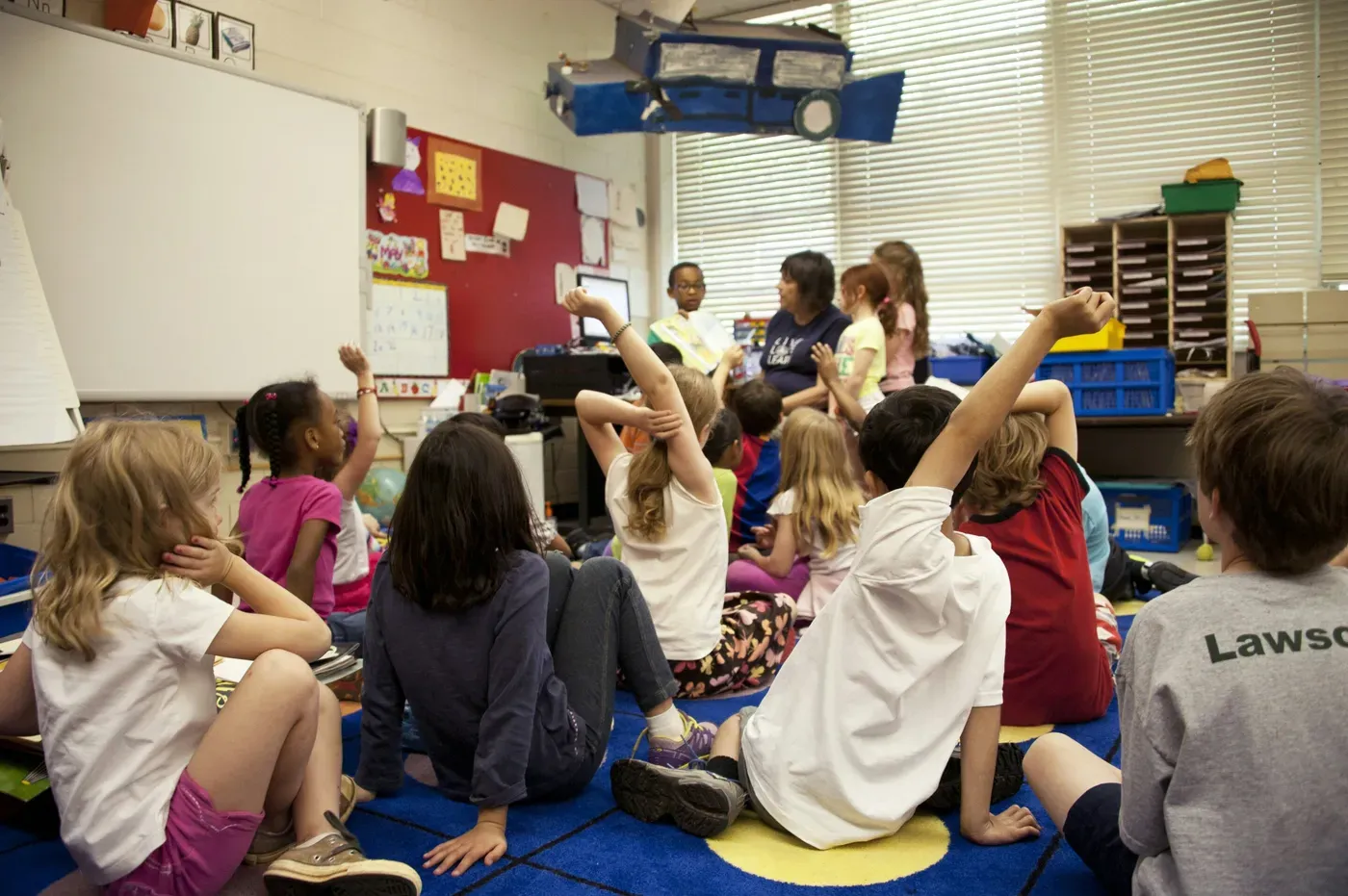
Teacher shortages are becoming a growing concern for school systems worldwide, prompting governments to launch initiatives aimed at attracting new graduates into the profession. However, despite these efforts, many experienced teachers are opting out or scaling back their hours due to various reasons that are not being adequately addressed.
Administrative records often lack context when it comes to teacher turnover, simply noting when a teacher left without providing insight into why they departed or what might have kept them in their role. This simplistic approach overlooks the fact that leaving teaching is frequently a gradual process for many educators.
A closer examination of workforce statistics reveals that some teachers are gradually stepping back from their roles before making a formal exit. They may relinquish higher-level positions or transition to part-time hours, which can be misinterpreted as retention successes rather than early signs of an educator's departure.
In a recent study involving 63 experienced teachers from publicly funded Scottish schools who had either left the profession entirely or reduced their hours before retirement age, some striking trends emerged. Of these educators, over half (36) had completely departed the teaching workforce, while the remaining 27 had scaled back their hours within the past 18 months.
On average, these departing or part-time teachers boasted an impressive 18 years of experience in the classroom, highlighting the significant loss of expertise and institutional knowledge that occurs when experienced educators leave the profession.
The decision to leave the teaching profession was rarely a sudden one for the 36 educators who departed from their roles. Instead, many described a gradual build-up of dissatisfaction over months or years due to an increasingly heavy workload and challenging student behavior.
This sentiment was echoed by those who were referred to as "reluctant leavers, with 25 out of the 36 participants expressing a desire to stay in their role but feeling unable to continue. Many reported experiencing exhaustion, disturbed sleep patterns, and anxiety, which for some culminated in a health crisis requiring medical attention.
In many cases, these departures were recorded as voluntary" resignations, implying that the teachers had chosen to leave of their own accord. However, this label obscures the underlying reasons for their departure and can lead policymakers down the wrong path when seeking solutions.
A closer examination of the data reveals that nearly half of the participants accepted or expected lower earnings upon leaving their teaching positions, suggesting that pay was not the primary factor driving their decision to depart.
Many of the teachers who reduced their hours from full-time to part-time did so as a means of coping with the demands of their role rather than thriving in it. For some, this was a deliberate strategy to buy time while they explored alternative career paths and retrained for new roles.
Reducing hours or giving up higher-level positions allowed these educators to manage their exhaustion levels, but even on reduced schedules, many reported feeling exhausted and struggling to contain the emotional toll of their work.
Leadership practices were identified as a major factor in the decision of 32 teachers to leave their positions outside senior leadership. More than six out of ten of these educators reported that their experiences with school leaders contributed significantly to their withdrawal from teaching.
While some principals demonstrated understanding and flexibility by accommodating family or health needs, this support was often dependent on individual circumstances and did not necessarily survive changes in leadership.
Requests for reduced hours or flexibility in work arrangements were frequently met with rejection, leading teachers to feel undervalued and unsupported. The lack of autonomy to make decisions about workload and working conditions was a significant contributor to burnout.
The ability of school leaders to provide support and accommodations was often hindered by external factors such as council decisions that limited their authority. This created a sense of powerlessness among educators who were eager to adapt but unable to do so.
In order for schools to retain experienced teachers, it is essential that leaders receive training in supportive conversations and flexible working arrangements. They must also have the necessary resources and authority to act on what they learn.
The promise of relief for Scotland's teachers has been slow to materialize. A national deal reached in March 2026 aims to reduce the time spent by teachers in front of a class by 90 minutes per week, but elementary and special education teachers will have to wait until August 2027 to see the benefits.
Secondary teachers, on the other hand, will not receive the reduced workload until two years later. The councils estimate that implementing this change will cost up to £310 million annually. However, the Scottish government's education secretary, Màiri McAllan, has stated that the actual cost is still unknown and may be higher than estimated.
The financial burden of implementing this policy remains unresolved. While reducing the workload of teachers is a step in the right direction, it does not address the underlying issues driving their concerns. The demands of teaching remain unchanged, and the conditions that make the job unsustainable have not been addressed.
Workforce plans need to move beyond simple recruitment strategies or pay increases as solutions for teacher turnover. Instead, they must consider the root causes of burnout and explore ways to create a more sustainable work environment. This approach requires a nuanced understanding of the changing nature of teaching and the conditions necessary for teachers to thrive in their roles.
The Scottish government's delay in implementing this policy highlights the complexity of addressing teacher burnout. The consequences of prolonged neglect of this issue can have far-reaching effects on the education system as a whole, making it essential for policymakers to prioritize meaningful solutions to address the concerns of Scotland's teachers.
The exodus of experienced teachers from the education sector has been a growing concern worldwide. Many are quitting or reducing their hours due to burnout and stress related to their workload.
Prolonged neglect of this issue can have far-reaching effects on the education system as a whole, impacting student learning outcomes and teacher morale. It is crucial for policymakers to prioritize meaningful solutions that address these concerns and provide support for teachers, enabling them to continue teaching effectively without compromising their well-being. Ultimately, the future of education depends on it.
Facts based on reporting originally published by Phys.org.
You may republish this story, in full or in part, if you credit News Central Site and link to it (licence CC BY 4.0). Photos are not included.