Senate Democrats Prepare for Leadership Vote Next Month
Sen. Chuck Schumer faces a challenge as Senate Democrats prepare to choose their new leader next month.
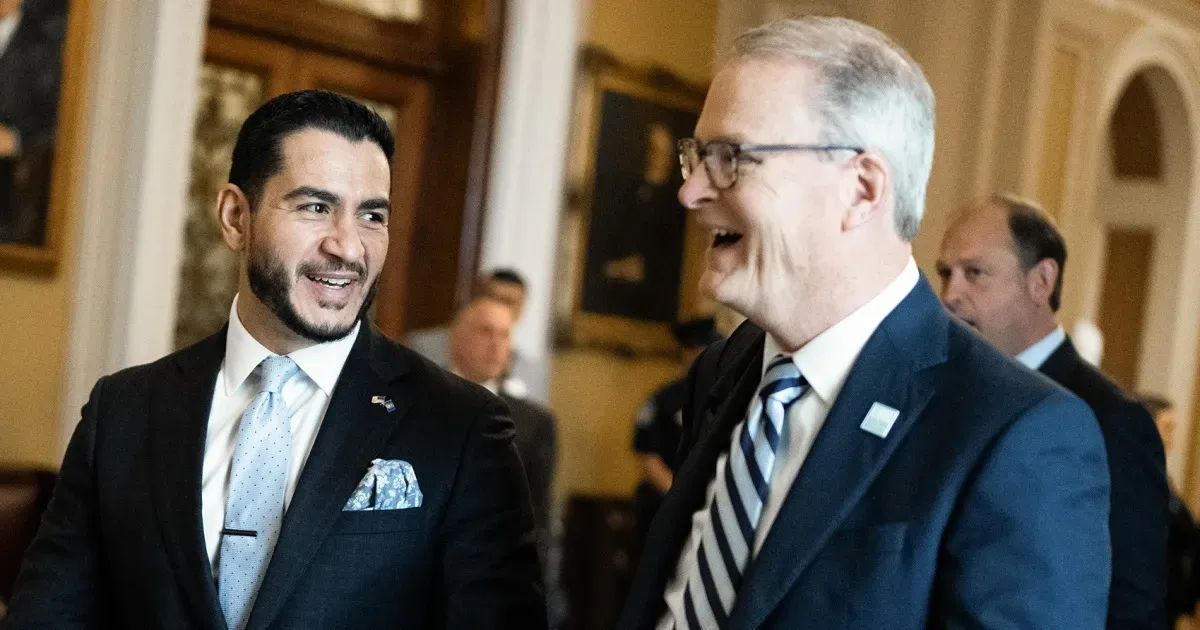
A leadership battle is brewing within the Democratic Party as Senate Democrats prepare to choose their new leader next month. The fight will be a crucial moment in shaping the party's future, with some lawmakers calling for change and others defending the status quo.
Sen. Chuck Schumer, who has led the Democratic caucus in the Senate for over a decade, is facing a challenge from another senator. This development comes as 13 newly elected Democrats prepare to join the Senate, bringing fresh perspectives and ambitions to Capitol Hill. Many of these incoming lawmakers have been vocal about their desire for change.
The leadership contest will be closely watched, particularly given Schumer's role in recruiting some of the new senators and helping them win their elections. This dynamic raises questions about loyalty and accountability within the party. As one senator prepares to challenge Schumer's leadership, others are watching with interest, eager to see how this battle plays out.
In the midst of these internal struggles, Democrats will also be looking ahead to the 2028 presidential primary, which is likely to be more competitive than ever. The midterm elections have already created a complex landscape, with several potential candidates emerging from the results.
The dynamics within the Senate Democrat leadership are shifting as new members take their seats, sparking a debate over whether Chuck Schumer should remain at the helm. Some have likened ousting him to replacing a successful baseball manager mid-season.
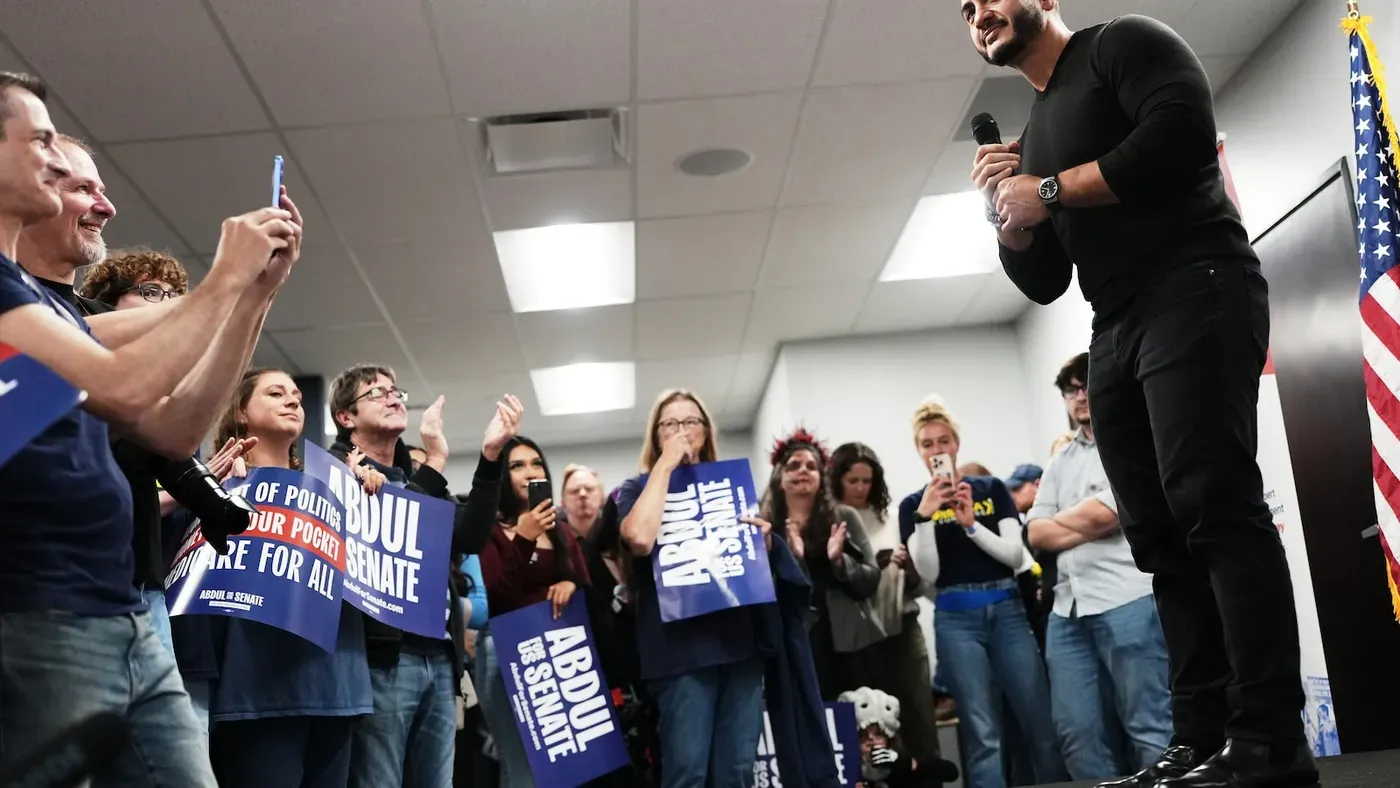
Several newly elected Democrats have expressed their support for Van Hollen's bid for majority leader, including Abdul El-Sayed of Michigan and Peggy Flanagan of Minnesota. They join those who believe it's time for fresh ideas and unity within the party.
However, not all new members are on board with this plan. A group consisting of Troy Jackson from Maine, Annie Andrews from South Carolina, Juliana Stratton from Illinois, and Adam Hamilton from Kansas have publicly declared their opposition to Schumer's continued leadership.
Hamilton emphasized the need for a leader who can bring people together, saying "What I'd be looking for is a leader who can lead from the center... somebody with fresh ideas" in an interview on "Meet the Press.
The newly elected Senate Democrats are being closely watched as they navigate their first major decision: choosing a leader for their party in the chamber. Several of these newcomers have been recruited by Schumer and are now facing pressure to make a statement on who they will support.
Some of these Democrats have been surprisingly noncommittal about their intentions, with North Carolina's former Gov. Roy Cooper stating that he has made no commitments regarding his leadership choice. This lack of clarity is being scrutinized closely, as it could impact the ultimate decision.
Meanwhile, other newly elected Senators are taking a more cautious approach, with Iowa's Josh Turek emphasizing the need for change within the party and Texas' James Talarico expressing a desire to meet with each leadership candidate before making a decision.
The newly elected Democrat from Mississippi, Scott Colom, has expressed concerns about the leadership of Senate Majority Leader Chuck Schumer and the likely next speaker of the House, Hakeem Jeffries. Both Schumer and Jeffries are New York City residents. This has raised questions about whether Schumer can secure majority support from the Senate Democratic caucus.
Colom's concerns about Schumer's leadership come as he prepares to join him on Meet the Press this Sunday for an in-depth discussion. The show will also feature an exclusive interview with former Vice President Mike Pence, who recently hinted at a potential return to politics. Pence's comments have sparked renewed speculation about his presidential ambitions.
The recent Democratic midterm sweep has significantly altered the 2028 presidential landscape. The blue wave that swept across the country has blown open what was already expected to be a wide-open race. Moderate Democrats won seats alongside progressive candidates, while women secured victories in traditionally Republican strongholds.
The diversity of winners in key races is forcing politicians and pundits to reevaluate their assumptions about who can succeed in 2028. The field remains fluid, with potential contenders emerging from various backgrounds and ideologies.
The electoral landscape has undergone a significant shift following the Senate Democrats' victories. Several candidates who were not initially considered strong contenders managed to secure wins. This unexpected outcome has left many questioning traditional assumptions about what it takes to succeed in elections.
Democrats have made notable gains in regions previously thought to be Republican strongholds, including the South and rural areas. Additionally, they have seen significant support among young men and noncollege white voters, as well as a resurgence of Hispanic votes. These developments have significantly altered the dynamics of potential presidential candidates' strategies for winning the Electoral College.
The 2028 primary is now expected to be highly competitive, with numerous White House hopefuls vying for position. As one Democratic pollster noted, It's going to be the craziest, most wide-open primary." With multiple paths to victory becoming more plausible, even more candidates may enter the fray, making it increasingly difficult to predict a clear favorite.
Facts based on reporting originally published by NBC News Politics.
You may republish this story, in full or in part, if you credit News Central Site and link to it (licence CC BY 4.0). Photos are not included.