Serbia's President Concedes Defeat in Snap Election
President Aleksandar Vucic has conceded defeat in the historic snap election following a record-breaking voter turnout.

Serbia's President Aleksandar Vucic has conceded defeat in an historic snap election following a record-breaking turnout at polling stations.
The near 70% voter participation rate is the highest since the break-up of Yugoslavia in 1992, marking a significant milestone in Serbia's democratic history.
Vucic's concession comes after nearly two years of student-led protests against perceived corruption and authoritarianism that began in response to a devastating train station canopy collapse in Novi Sad in 2024, which resulted in the loss of 16 lives.
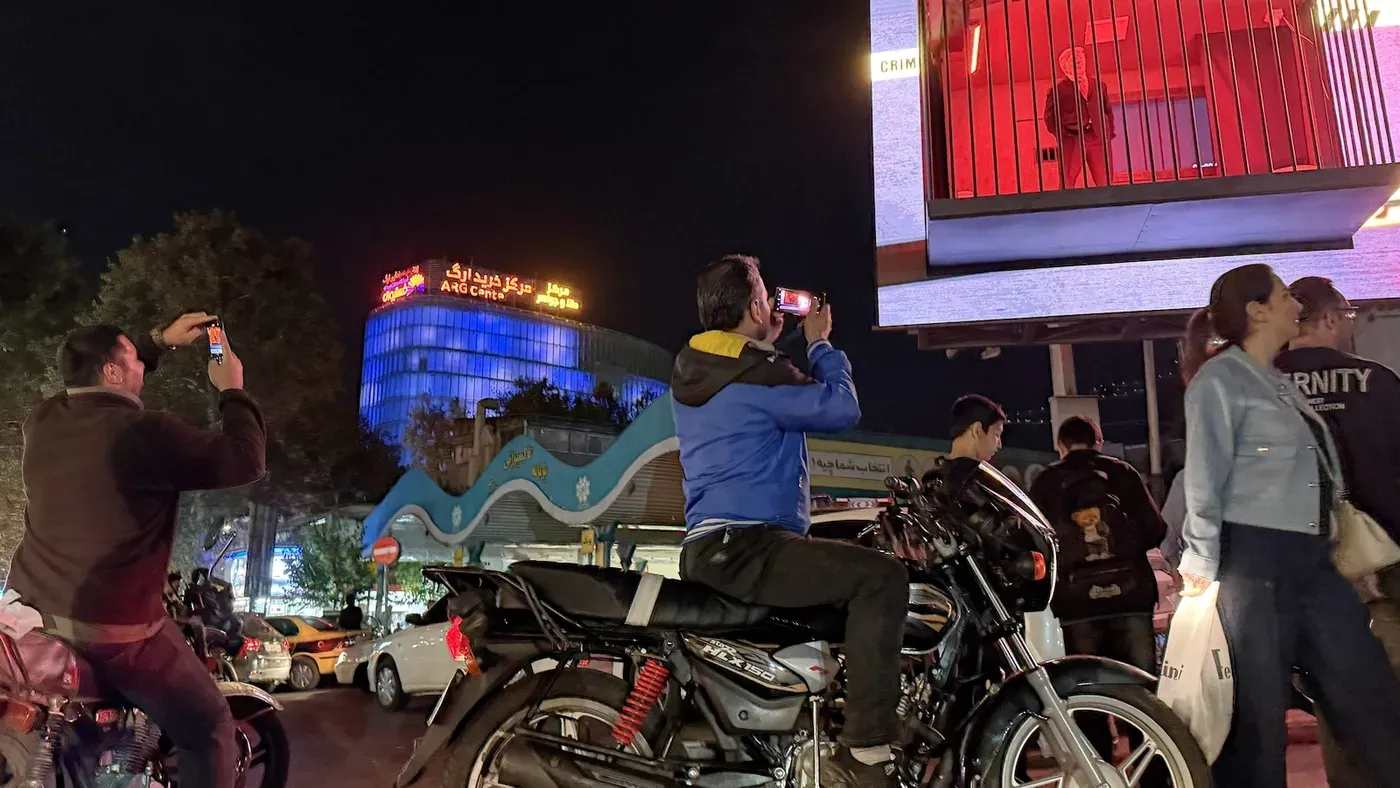
The streets of Belgrade erupted in jubilation as news of Vucic's defeat spread, with honking cars and cheering students proclaiming "victory" and "he's done.
Turnout in the snap election was remarkably high, reaching nearly 70% of eligible voters, marking one of the highest participation rates since Serbia's independence from Yugoslavia in 1992. Long queues formed outside polling stations across cities and towns on Sunday, a clear indication that many Serbs were eager for change.
According to preliminary results, Vucic's SNS party is expected to secure around 104 seats in parliament, while the Student List will likely take between 135 and 140 seats. This projection was made by President Vucic himself, who acknowledged his party's defeat based on early returns from polling stations.
Independent pollsters CESID-IPSPS have also reported similar numbers, estimating that the Student List will secure 138 deputies in the 250-seat parliament. The remaining seats are expected to be divided among ethnic minority parties. These projections suggest a significant shift in Serbia's political landscape.
The jubilant atmosphere on Belgrade's streets was palpable as news of Vucic's defeat spread, with Tanja, one of the celebrating women, expressing her elation at finally being rid of what she called a mafia regime. Special police vehicles were deployed to several locations around the city, including near a park where President Vucic's loyalists had been camping for over a year.
As polls closed across Serbia on Sunday evening, a sense of calm was urged upon citizens by a student representative at a news conference held just two hours prior. The call for composure came as voters continued to cast their ballots in what had been shaping up to be a historic snap election.
The outcome of the vote was far from certain, with incumbent President Vucic's party facing stiff competition from a leaderless youth movement that had proven to be a formidable opponent. This marked a significant departure from previous elections, where Vucic's party had consistently outmaneuvered Serbia's fractured opposition.
Long queues formed at polling stations across the country, some of which remained open late into the night due to time zone differences with local authorities. Voting hours were tied to local Serbian time, resulting in some locations staying open until the early hours of Sunday morning.
As voters continued to cast their ballots, international observers noted relatively high participation rates around the country. The result would likely have far-reaching implications for countries across Europe, where youth and student protests had been gaining momentum in recent months.
Serbian President Aleksandar Vucic cast his ballot in Belgrade alongside his wife, waiting nearly two hours to do so. He expressed hope for a peaceful election day and stated that he and his party would accept the outcome.
Vucic was quoted as saying The will of the people is the will of God: vox populi, vox dei," before adding that if they lost they would acknowledge the electoral result and if they won it would be irreversible.
Facts based on reporting originally published by France 24 English.
You may republish this story, in full or in part, if you credit News Central Site and link to it (licence CC BY 4.0). Photos are not included.