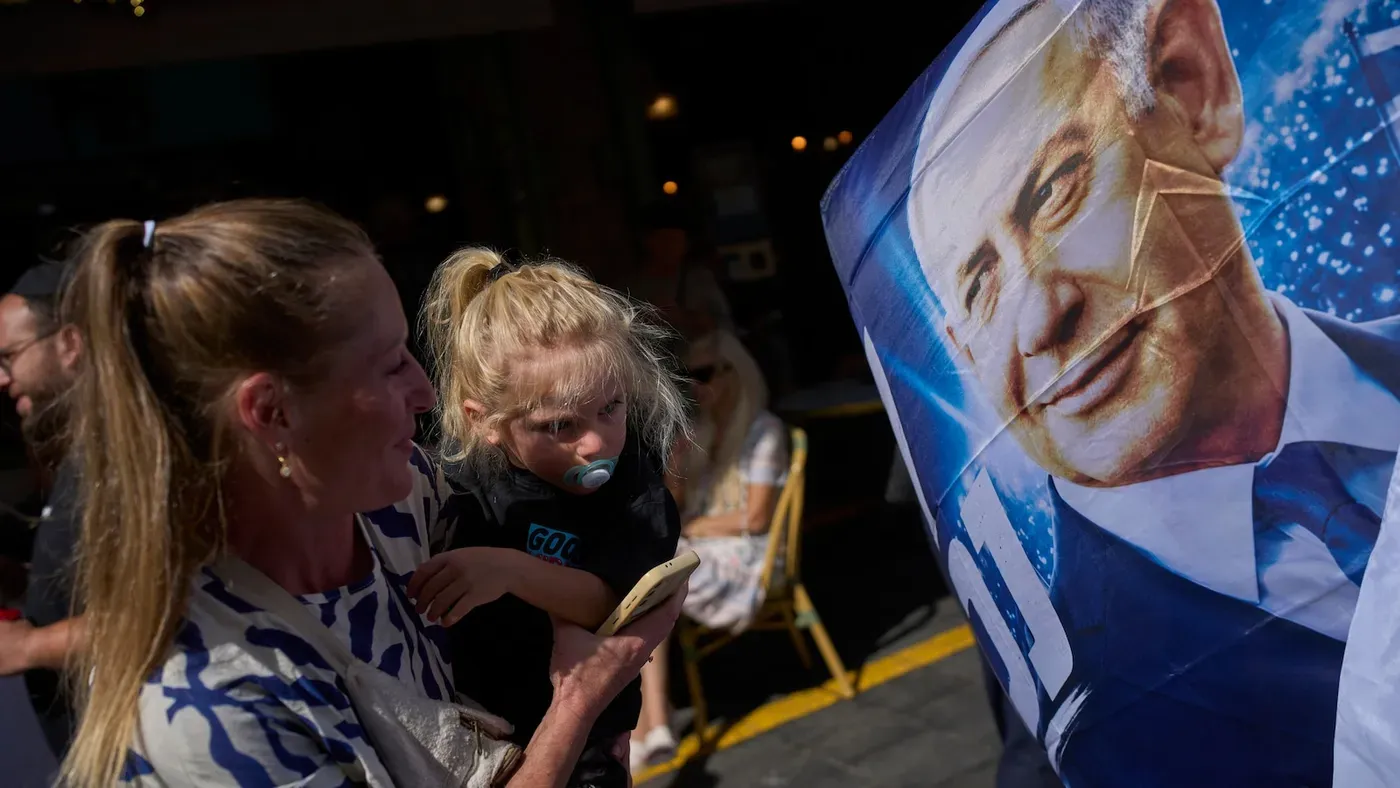
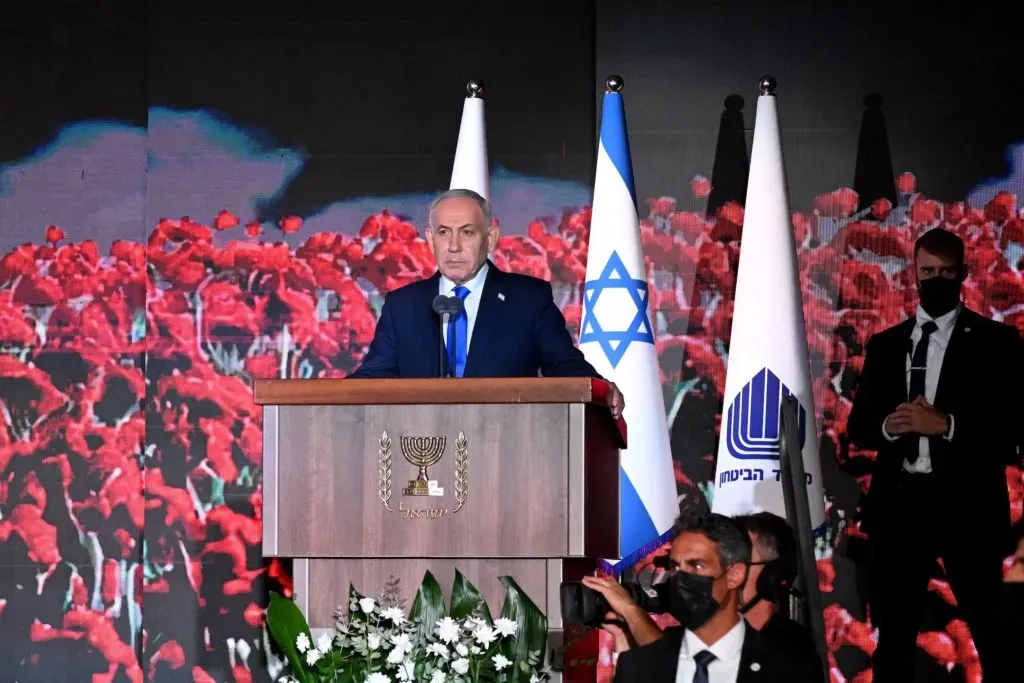
Israeli Prime Minister Benjamin Netanyahu has vowed to eliminate Iran's leadership ahead of elections
Tensions are escalating between Iran and its adversaries as crucial polls approach in Israel and the United States.

Many Iranians are living in fear of a return to all-out war as tensions escalate between their country and its adversaries ahead of crucial elections in Israel and the United States.
The uncertainty surrounding these upcoming polls has heightened concerns that military actions could intensify, with Iranian leaders facing mounting pressure from abroad while remaining defiant. Israeli Prime Minister Benjamin Netanyahu has been vocal about his stance on Iran, stating that its leadership must be eliminated as he prepares to face a tight election on Tuesday. Meanwhile, US President Donald Trump has vowed to "finish the job in Iran eight months after the conflict began.
As the US midterm elections approach on November 3, some Iranians fear an escalation of attacks just after the polls close. The presence of a third aircraft carrier and thousands of troops from the US military in the region is also causing anxiety among Tehran residents. Many are stockpiling essential supplies, including over-the-counter medicines and food, in preparation for what they perceive as an impending crisis.
Iran's president has accused the US of disrupting negotiations that have shown little sign of progress over recent months. These stalled talks have added to the sense of unease among Iranians, who feel caught in a web of escalating tensions between their country and its adversaries. Some residents are even contemplating leaving the capital, Tehran, as they prepare for what may lie ahead.
A former government official and foreign policy expert at the University of Tehran has revealed that Iran's leadership believes President Trump is likely to order new strikes regardless of the outcome in the US midterm elections. According to Sasan Karimi, Iranian officials are planning for various scenarios, including possible military action, and taking remedial measures to mitigate its effects.
Iranian officials are preparing for various scenarios, including possible military action, in response to the escalating tensions with the US. The threat of a new attack from the US or Israel is being taken seriously by Tehran, with some predicting that an assault could occur before or after upcoming elections.
The situation on the ground remains volatile, with Iran continuing to threaten US military bases and allies in the Middle East. In addition to these targets, Iranian officials have also warned that they may attack new targets, including undersea data cables that traverse the Strait of Hormuz. This month has seen a significant increase in reported attacks on commercial ships transiting the strait.
The economic impact of the ongoing standoff is being felt across Iran, with oil exports severely restricted by a US naval blockade on Iranian ports. As a result, goods are piling up at borders as trade shifts to overland routes. This has led to shortages of essential items such as medicine, although food and other necessities remain available.
The economic strain is evident in the plummeting value of Iran's currency, which has lost significant ground over the past year. Inflation has soared, eroding the purchasing power of ordinary Iranians. The government is struggling to manage growing economic problems and find consensus within the fractious power structure of the Islamic Republic.
Iranian officials have accused the US of waging an economic war against their country, with parliamentary chief Mohammad Bagher Qalibaf describing this as the main axis of the conflict. President Masoud Pezeshkian has warned that Iran faces a critical turning point in its struggle to manage the economic fallout and maintain stability within the country.
The economic strain caused by the war has left many Iranians struggling to make ends meet, with even middle-class families finding it difficult to afford basic groceries.
Prices for staple foods have skyrocketed since the conflict began, with rice now over 60% more expensive and beef more than 150% pricier. For a family of modest means, a trip to the supermarket can be a costly endeavor, with some individuals reporting that they can spend up to half their monthly salary on groceries.
As tensions escalate in the region, many Iranians are stockpiling essential items in preparation for potential shortages. Mohammad Abedi, 39, has been buying extra supplies, including dried dates, cooking oil and rice, due to concerns about rising attacks on the Strait of Hormuz.
With the economy teetering on the brink of collapse, political moderates are urging the government to negotiate a deal with the US in order to stabilize the country's finances. However, experts warn that economic pressure will not be enough to sway Iran's negotiating position.
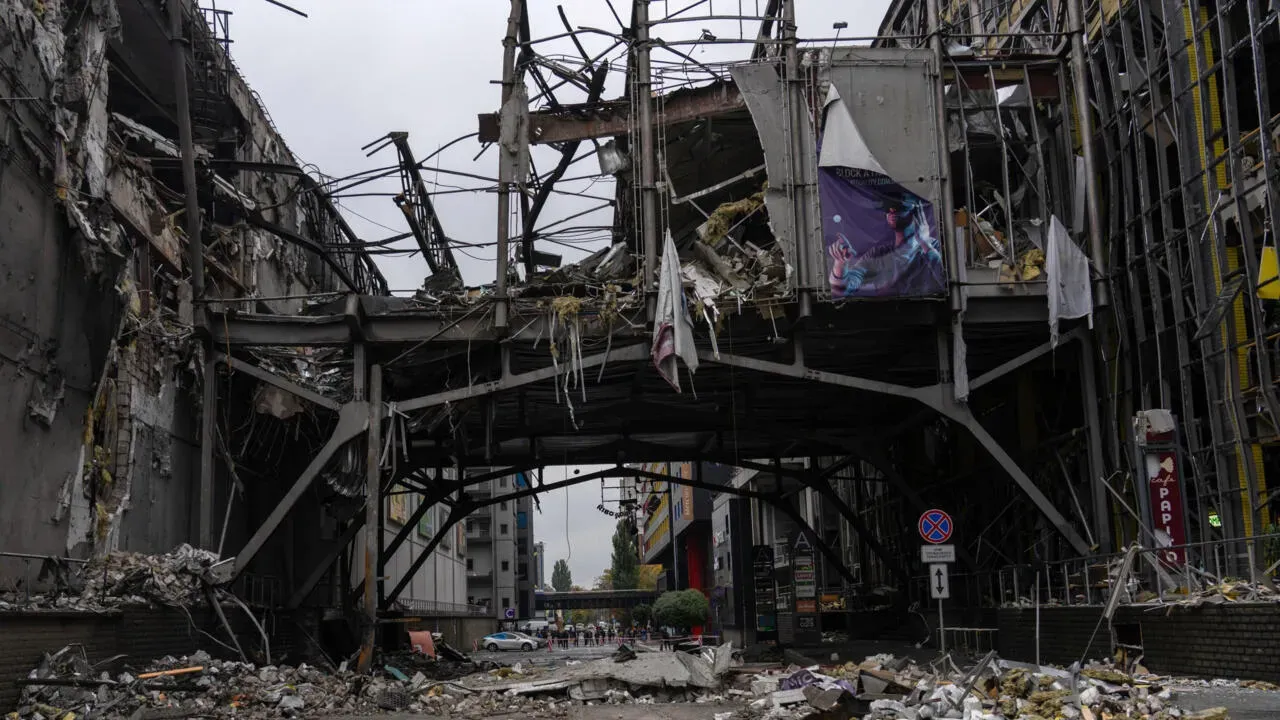
The city of Tehran remains scarred from the recent conflict, with bombed-out buildings serving as a grim reminder of the devastating effects of war.
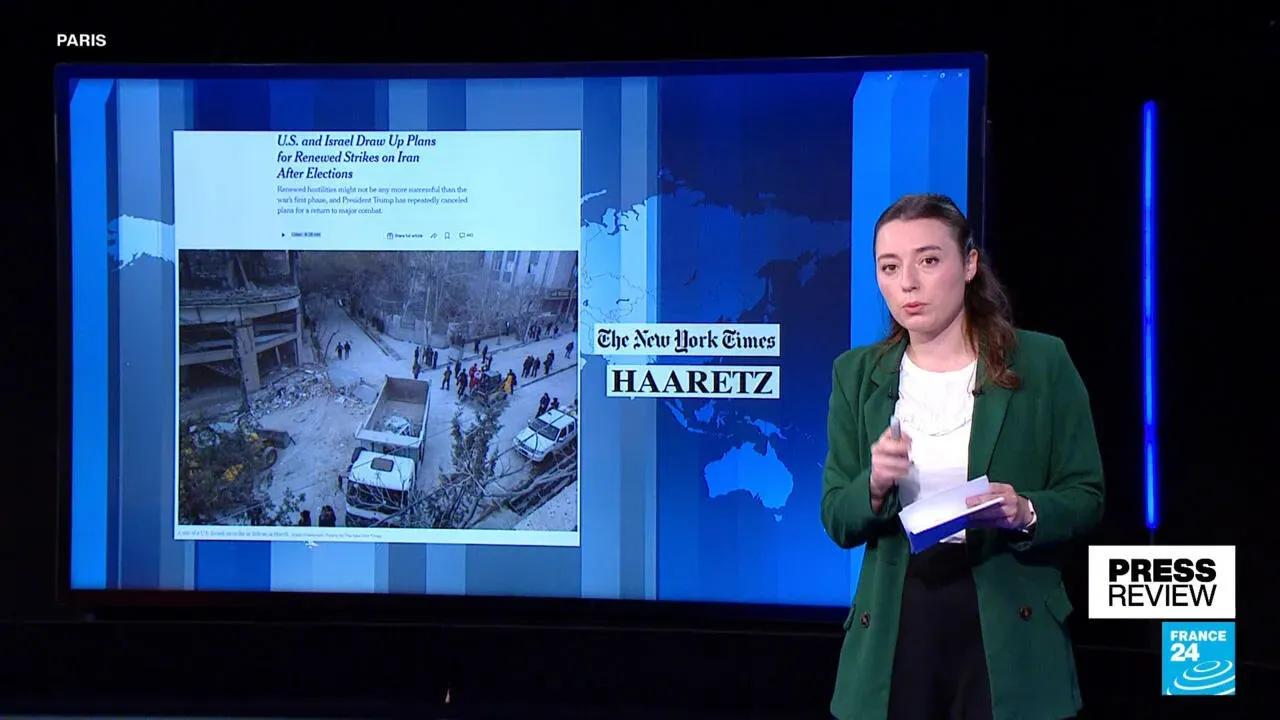
U.S. and Israeli strikes in March and April left thousands of homes damaged or destroyed, casting a long shadow over the city's residents. The physical toll is evident on every street corner, but it's the emotional weight that's becoming increasingly unbearable for many.
As anxiety grows, some citizens are planning to leave the city in search of safer havens. Hashem Vajdani, a 45-year-old gym trainer, has already begun making arrangements to relocate to a town in northern Iran.
He's not alone in his concerns, with thousands more likely to suffer if new fighting were to break out. The war has already claimed a staggering number of civilian lives, and the threat of further bloodshed hangs heavy over Tehran's residents.
The upcoming elections in Israel and the US are expected to be influenced by voter anger over various issues, including the ongoing conflict in the Middle East. As a result, the political landscape may shift significantly, potentially impacting the region's volatile dynamics. Analysts warn that this could lead to heightened tensions between nations.
Tehran-based analyst Rahman Ghahremanpour believes Israel's elections are particularly significant, as Prime Minister Netanyahu's re-election would increase the likelihood of resuming all-out war with Iran. This is due in part to Netanyahu's willingness to take calculated risks, which some see as a recipe for further conflict.
For ordinary Tehran residents, the prospect of either election outcome brings little comfort. According to Rasool Ghanbari, 50, It makes no difference. Their hostility toward us remains unchanged."
Facts based on reporting originally published by ABC News International.
You may republish this story, in full or in part, if you credit News Central Site and link to it (licence CC BY 4.0). Photos are not included.