Brazil's President-elect Luiz Inacio Lula da Silva Faces Daunting Challenges in Fourth Term
Lula secured victory in Sunday's runoff election, but his government will face significant opposition from within and outside his party.
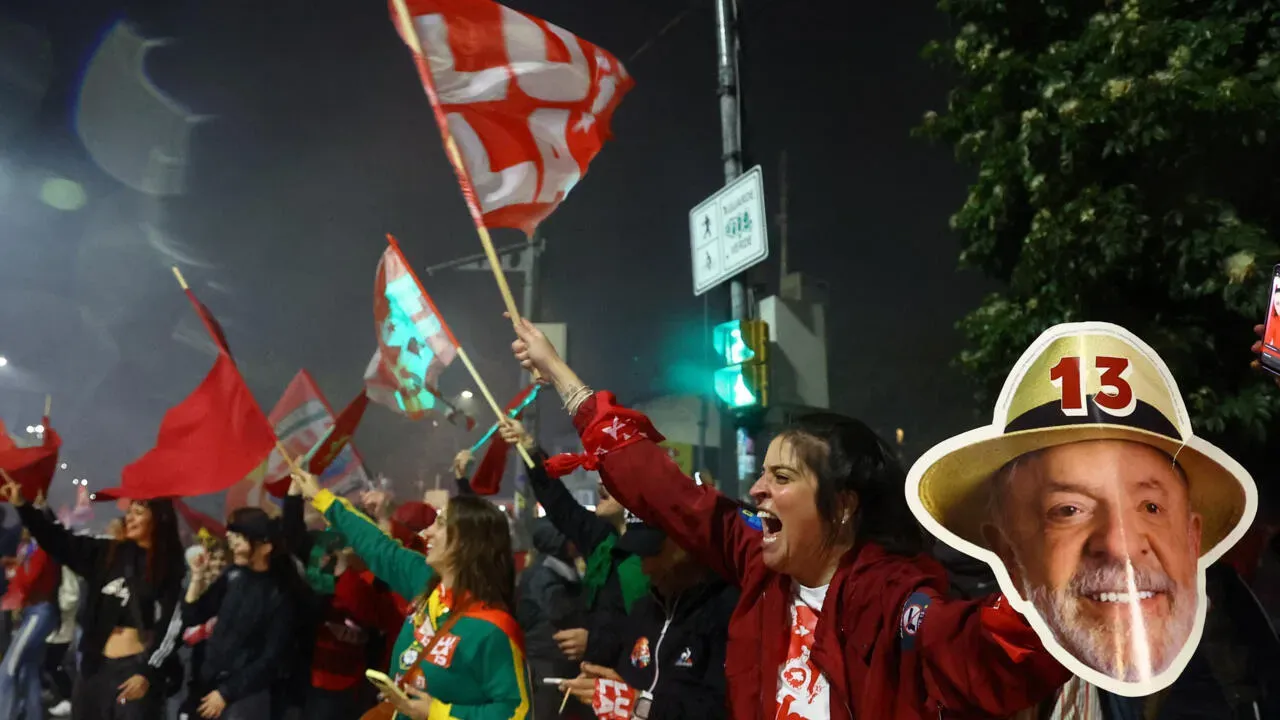
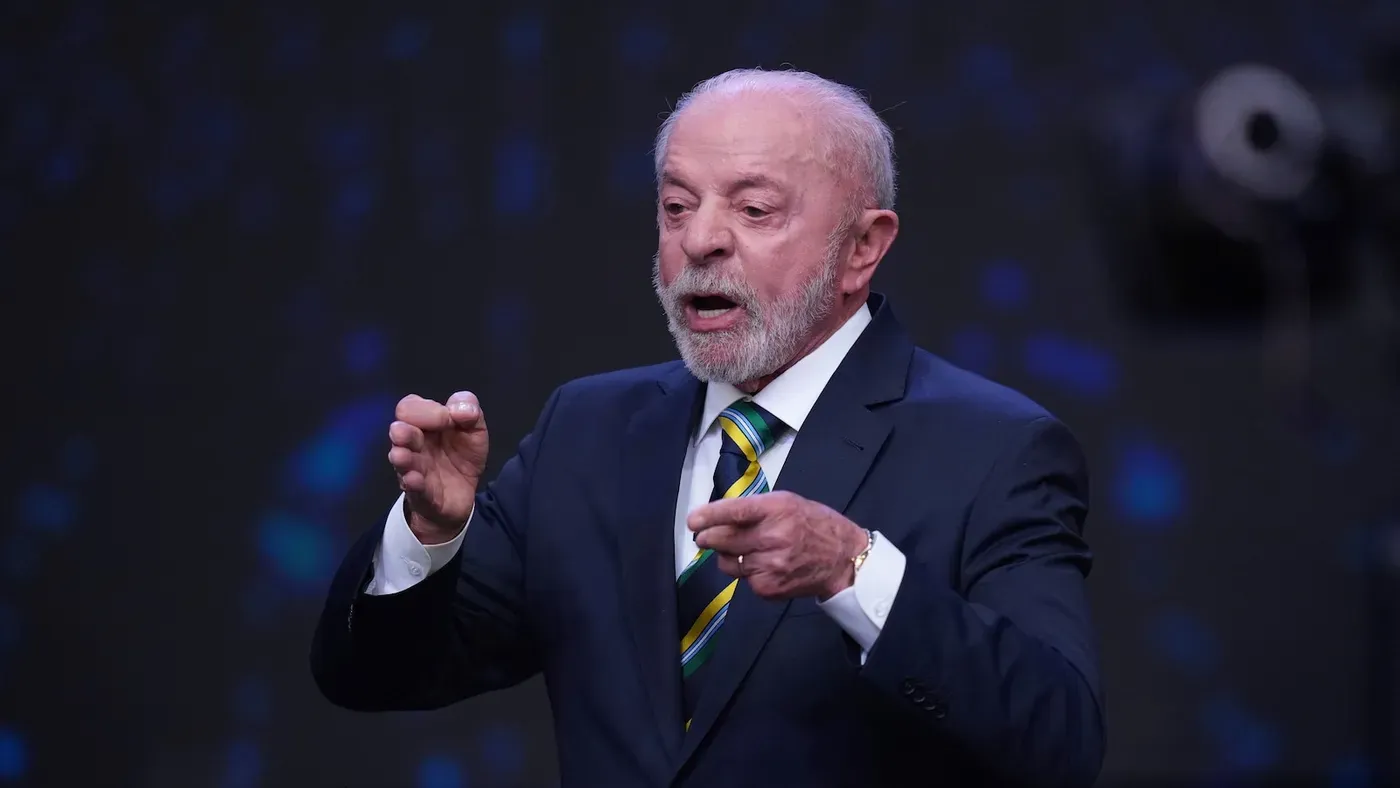
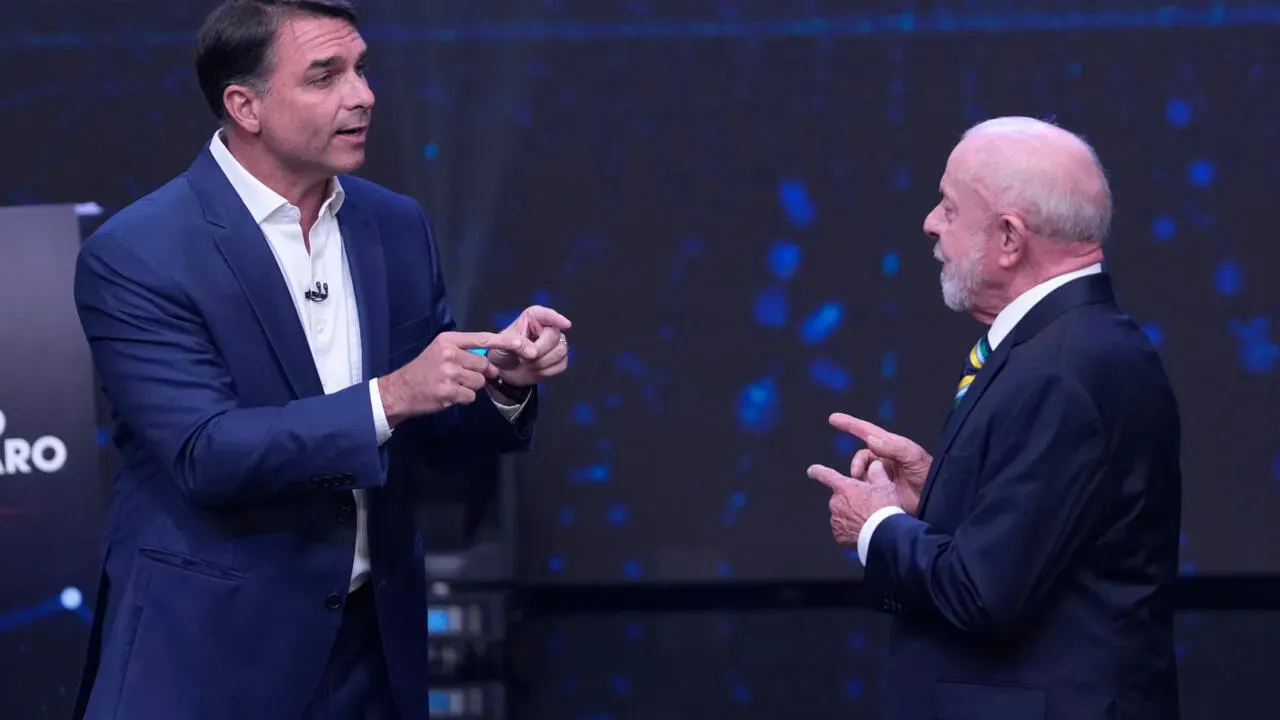
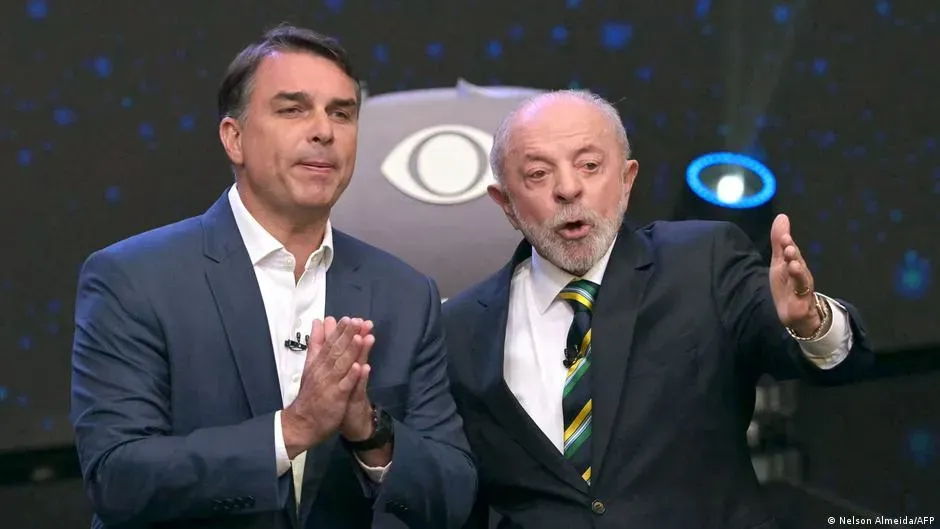
Brazil's President-elect Luiz Inacio Lula da Silva will face a daunting set of challenges as he begins his unprecedented fourth term in office. At 81 years old, Lula secured victory in Sunday's runoff election with 51.7 percent of the vote, narrowly defeating right-wing challenger Flavio Bolsonaro.
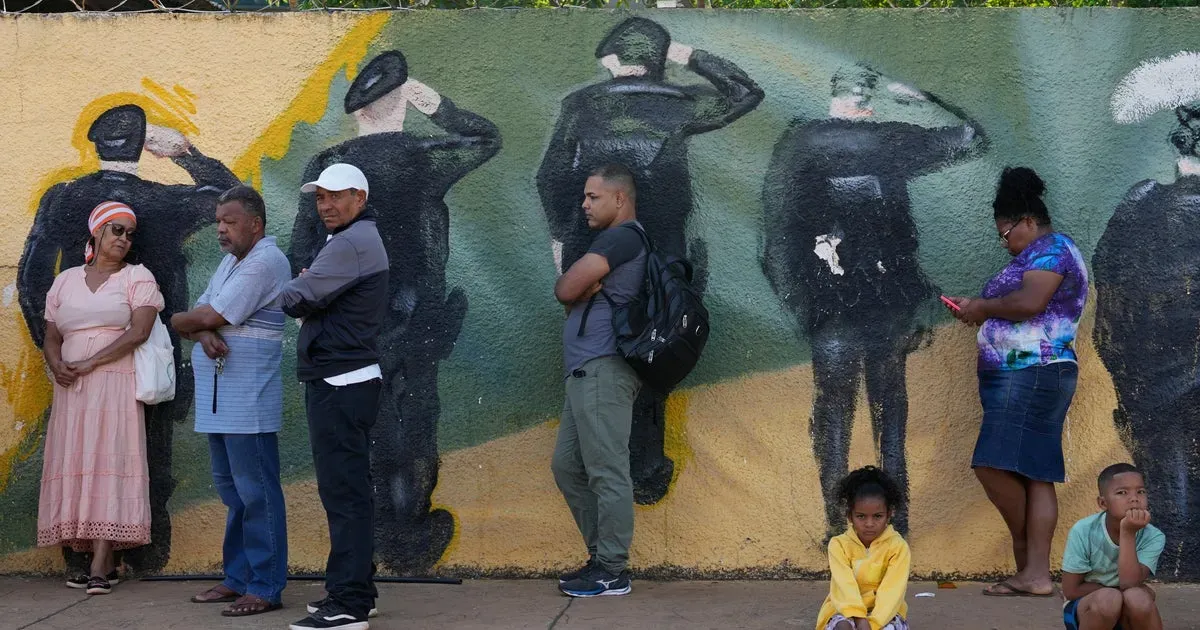
The close result highlights the deep-seated divisions that have plagued Brazil for a decade, with Bolsonarism remaining a potent force despite its leader being imprisoned for attempting a coup. This enduring strength suggests that Lula will struggle to implement his policies without facing significant opposition from within and outside his party.
One of the primary obstacles Lula will confront is navigating the complex web of alliances in Congress. As in his previous term, he will not have a majority in the legislative body, forcing him to rely on other parties to pass key legislation. The recent elections have strengthened the right-wing presence in Congress, with Bolsonaro's Liberal Party emerging as the leading force.
The centrist "Centrao bloc, which typically supports whoever is in power, holds significant sway over Lula's ability to get his proposals through Congress. According to Mayra Goulart, a political scientist at the Federal University of Rio de Janeiro, negotiating with this group has become increasingly difficult, posing a major challenge for Lula as he begins his new term.
The shift in power dynamics within Brazil's government has given lawmakers a significant amount of control over the federal budget, allowing them to operate with greater independence from the executive branch.
Economist Mauro Rochlin of the Getulio Vargas Foundation points out that Brazil is facing a triple threat: a fiscal crisis due to excessive spending, a crippling public debt that exceeds 80 percent of GDP, and high interest rates maintained by the central bank to combat inflation.
This precarious economic situation has the potential to escalate into a full-blown crisis if left unaddressed, according to Rochlin. He emphasizes that adjustment is unavoidable but will be extremely challenging due to the need for unpopular measures and confrontation with powerful lobbies within Congress.
The path forward appears fraught with difficulties, particularly in light of Lula's ambitious welfare programs, which have been instrumental in lifting millions out of poverty. However, these initiatives are also likely to come under scrutiny as he navigates the complex web of interests within Congress.
Lula will be under intense pressure to demonstrate results in addressing security concerns that dominated the election campaign, particularly with regards to tackling violent criminal groups and militias that wield significant influence in several cities.
Lula will have to navigate complex diplomatic waters as he seeks to protect Brazilian sovereignty in the face of growing US interventions across Latin America. Last year, former President Donald Trump imposed tariffs on Brazil in retaliation for legal proceedings against his ally Jair Bolsonaro, and this year added another 25 percent tariff on certain products.
This move reflects a broader trend of increased assertiveness from Washington in the region, which will require Lula to manage relations with the US without compromising his anti-imperialist stance. Meanwhile, right-wing leaders across Latin America have aligned with Trump in what has been dubbed the Orange Wave", a term that references the US leader's distinctive complexion.
According to Oliver Stuenkel, an international relations professor at FGV, while ideology may play a symbolic role, it ultimately takes a backseat to practical considerations. He cites Brazil-Argentina relations as an example, where despite inflammatory rhetoric between leaders, the substance of the relationship remains largely unchanged.
Facts based on reporting originally published by France 24 English.
You may republish this story, in full or in part, if you credit News Central Site and link to it (licence CC BY 4.0). Photos are not included.