Venezuela Opposition Leader María Corina Machado Returns Home After Months in Exile
María Corina Machado has returned home after months in exile, arriving in Venezuela on Sunday for the first time since December.
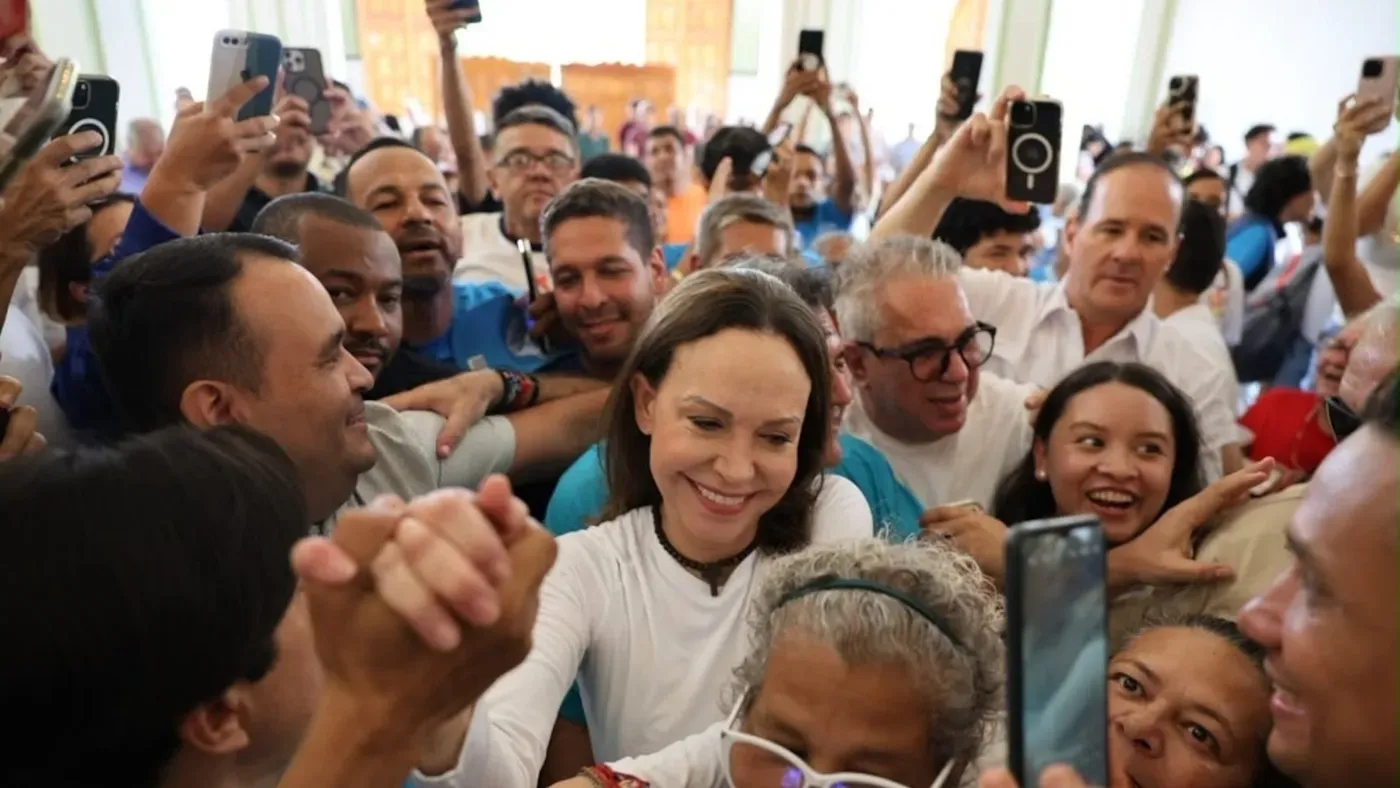
Venezuela opposition leader María Corina Machado has returned home after months in exile, arriving in the country on Sunday for the first time since December.
Machado's reappearance comes at a time of growing uncertainty about Venezuela's democratic future and the role of external powers, particularly the United States. The US had played a significant part in removing then-President Nicolás Maduro from office in January, installing an interim president who has now exceeded their authorized term without holding elections.
The Nobel laureate made her presence known on social media before landing in Caracas, tweeting "I am here. With you. Her return was also confirmed by Edmundo González, another prominent figure in the Venezuelan opposition, who wrote that he would be joining Machado soon.
As Machado stepped off a plane and into a church in the state of Lara on Sunday afternoon, she was met with applause from dozens gathered there, many of whom shook her hand and hugged her while filming her return on their cellphones.
As Machado entered the church, she was greeted by a sea of smiling faces, their voices rising in unison as they welcomed her back to Venezuela. The air was electric with emotion as supporters cheered and chanted her name, while others wept tears of joy.
The scene outside the church was no less vibrant, with people pumping their fists in the air and chanting Freedom! as Machado made her way towards a waiting car. One woman reached into the vehicle, grasping at her hand as she promised to stand by her side throughout this tumultuous time.
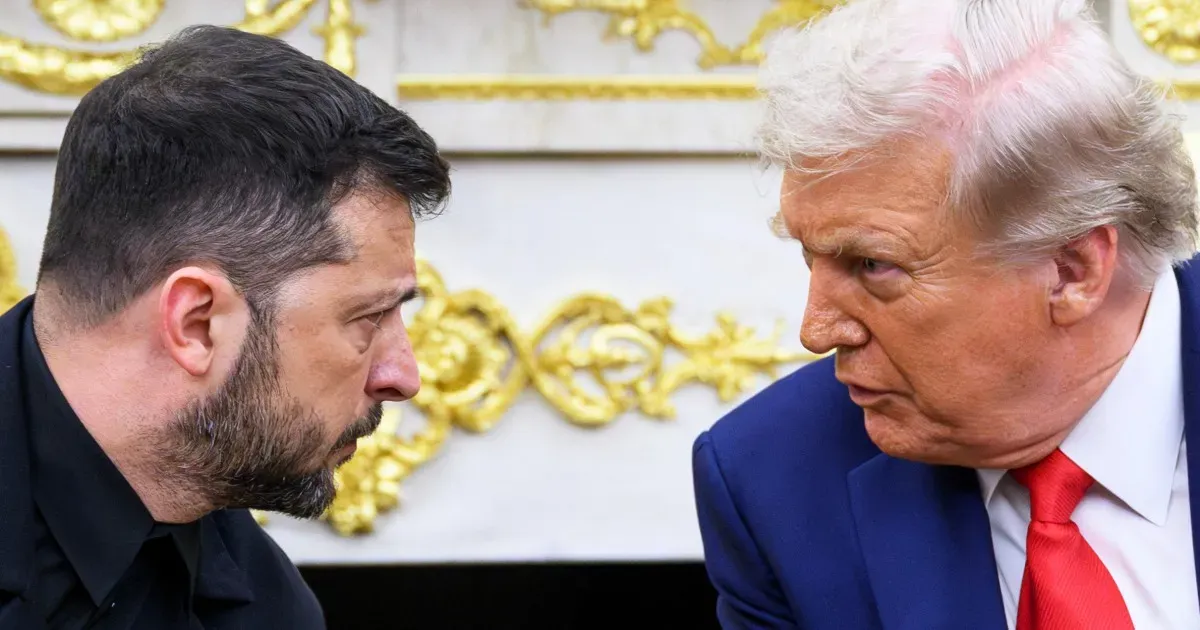
As news of Machado's return spread, reactions from abroad began to surface. In Washington, US President Donald Trump was asked about her homecoming, but his response was characteristically diplomatic - and vague. He praised Machado as a very nice woman," recalling that she had once presented him with a Nobel Prize (though it's unclear whether he received the actual award or just a gesture of goodwill).
Meanwhile in Caracas, Maduro's ouster has left a power vacuum, with acting President Delcy Rodríguez holding the reins. Initially set to serve only 90 days as interim leader, Rodríguez has remained in office, yet to call an election and maintain the status quo established by her predecessor.
Venezuela's opposition leader, Machado, made a clandestine escape from the country and reappeared in Norway last December, where she was awarded the Nobel Peace Prize for her peaceful challenge to Maduro's authoritarian government.
Since her return to public life, Machado has continued to push for a presidential election in Venezuela, but US officials have emphasized the need for economic stabilization first. This stance has put Machado at odds with some of her allies who are also demanding a date for the election.
In October 2023, Machado had won an opposition primary and was set to challenge Maduro in the 2024 presidential election, but the government barred her from running for office. Her place on the ballot was taken by González, who went on to win the election with a significant margin of victory.
However, the National Electoral Council, stacked with ruling-party loyalists, declared Maduro the winner, despite ample credible evidence showing that González had defeated him by more than a 2-to-1 margin. The lead-up and aftermath of the election were marked by widespread government repression.
The US military's capture of Maduro in Caracas last January, which led to his extradition to New York to face drug-related charges, has raised questions about the Trump administration's decision to work with Rodríguez instead of Machado to address Venezuela's crisis.
Machado's efforts to return to Venezuela have been met with obstacles, according to her party, which claims she made seven failed attempts to re-enter the country.
One of these attempts involved a charter boat that was supposed to take her back to Venezuelan waters but was cancelled due to concerns over its seaworthiness. In another instance, Machado's team stated that she had tried to fly to Curacao, intending to then travel by speedboat to Venezuela, but this plan was also thwarted when her plane was denied landing clearance.
Opposition activists have accused the Venezuelan government of deliberately blocking Machado's return, a claim vehemently denied by authorities in Caracas. Some have also raised questions about whether external factors are at play, suggesting that the US administration may be involved in efforts to prevent her re-entry.
Trump officials have dismissed these allegations, insisting they are not preventing Machado from returning but have on occasion advised her against it due to safety concerns. They maintain this stance despite their previous involvement in Maduro's ousting and extradition last January.
The Rodríguez government has faced pressure to set a date for presidential elections, with Machado and her allies demanding that the interim president establish a timeline for the vote. Rodríguez had informed the UN General Assembly in September that Venezuelans would determine when the next election should take place, sparking further debate over the country's future leadership.
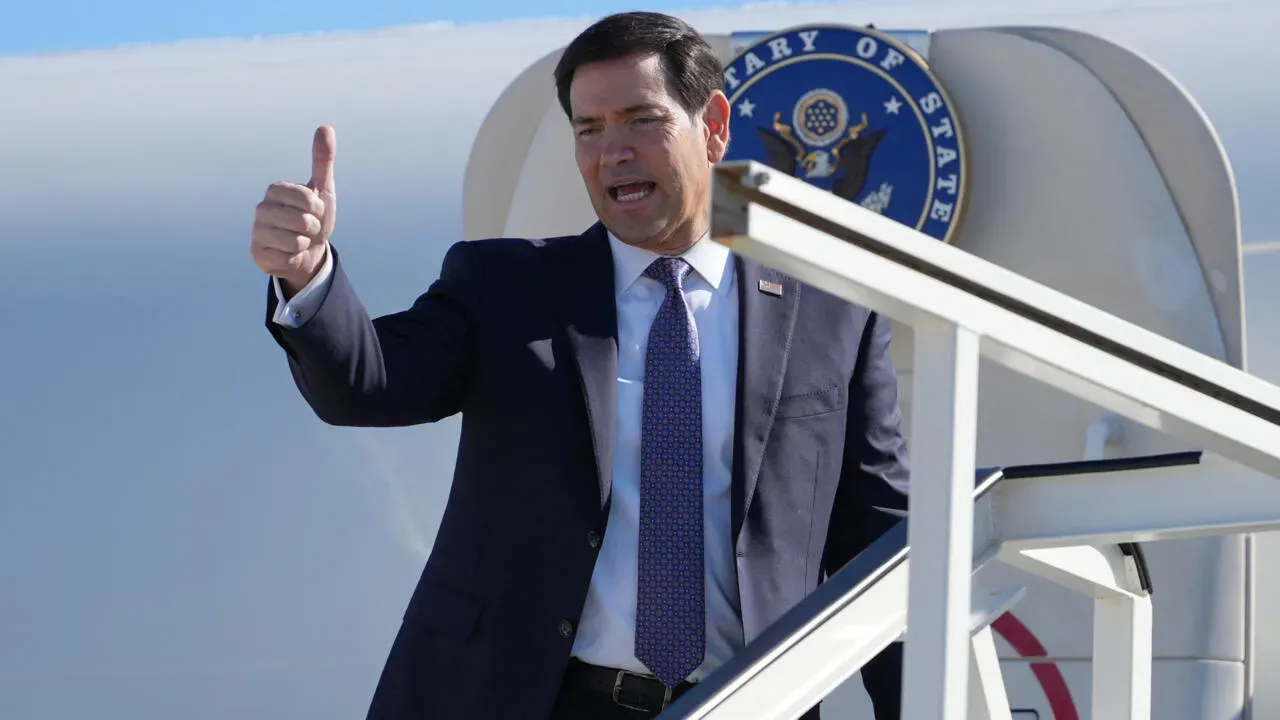
The U.S. government has emphasized that Venezuela's economic stability and institutional reconstruction are prerequisites for holding new elections. Secretary of State Marco Rubio stated in a recent press conference that Machado has every right to return to her country whenever she chooses.
Supporters of Machado have been staging protests in Caracas, calling for her safe return.
Facts based on reporting originally published by ABC News International.
You may republish this story, in full or in part, if you credit News Central Site and link to it (licence CC BY 4.0). Photos are not included.