Saudi Arabia Seeks Assistance from Allies in Yemen Conflict
US assistance is being provided to Saudi Arabia in the form of intelligence support and a sophisticated targeting tool that utilizes artificial intelligence.
Saudi Arabia is seeking assistance from its allies in the face of escalating attacks by the militant Houthi group in neighboring Yemen.
The US has been one of the countries approached for help, despite reports that President Donald Trump refused a request from Saudi ruler Mohammed bin Salman to take direct military action against the Houthis.
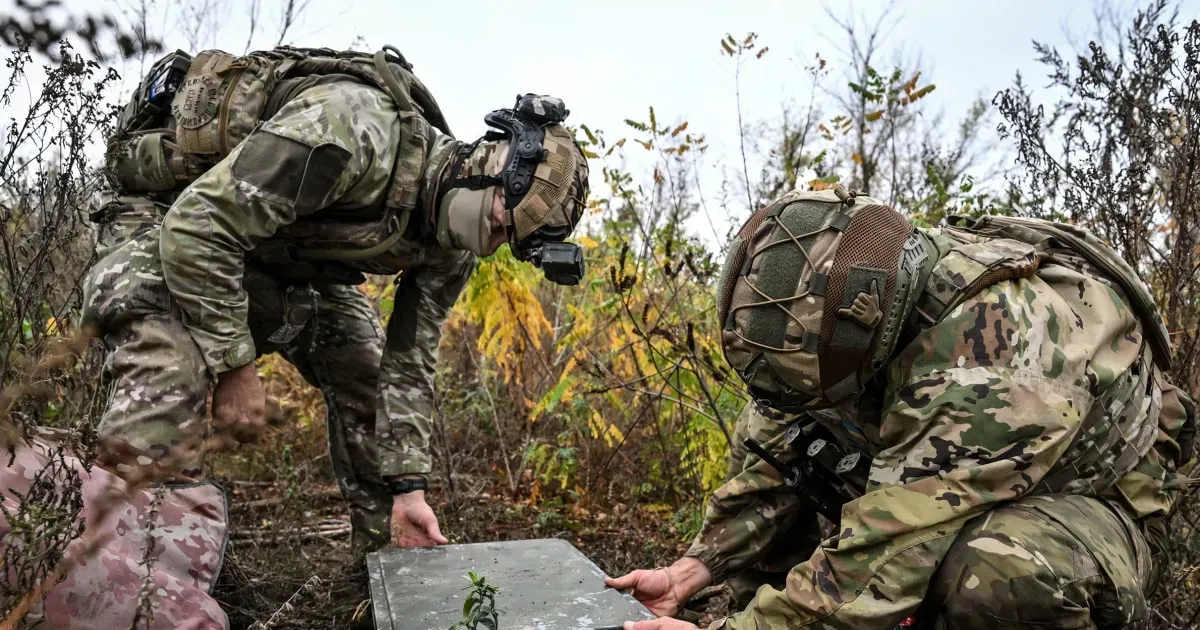
However, the US is still providing intelligence support to Saudi Arabia, including a sophisticated targeting tool that utilizes artificial intelligence. This technology enables military officers to receive real-time battlefield updates, enhancing their ability to make informed decisions during combat operations.
As part of this effort, a joint force command has been established in Saudi Arabia, with between 100 and 200 US soldiers stationed there to facilitate the sharing of intelligence and coordinate military efforts with Saudi forces.
A significant development in Saudi Arabia's military strategy involves leveraging artificial intelligence (AI) capabilities from the United States. The AI platform being utilized is part of an initiative known as Project Maven, which was launched by the US in 2017.
This digital platform aggregates and organizes vast amounts of data from various sources, including live satellite feeds and drone cameras. By analyzing these streams of information, it identifies patterns that may indicate potential targets such as rocket launchers, tanks, or suspicious vehicle convoys.
The AI system labels these potential targets for human analysts to review, streamlining the process compared to manually searching through multiple sources. This previously time-consuming task often proved impossible when dealing with extensive footage from satellite or drone surveillance.
Analysts describe the platform's functionality as akin to a sophisticated mapping tool, providing an overview of vast datasets and pinpointing areas of interest. By integrating AI capabilities into military operations, Saudi Arabia aims to enhance its response times in combat situations.
The integration of MSS has significantly reduced the time it takes for the "kill chain process, from detecting targets to ordering strikes, thereby improving military effectiveness.
The Houthi rebel group has been making significant gains in Yemen, taking control of large parts of the country's coast since September. This latest military campaign has also seen the Houthis step up their attacks against Saudi Arabia, targeting the country's main airport and oil facilities.
Despite these efforts, military campaigns against the Houthi group by Saudi Arabia, the United States, and others have failed to significantly weaken the group. The Houthis' resilience is partly due to their zero-sum approach," where they view poverty and hardship as a divine test.
According to Farea al-Muslimi, a research fellow at UK think tank Chatham House focused on Yemen, the Houthi's founding father argued that contemporary Muslim societies are too soft. This ideology has enabled the Houthis to maintain a strong sense of purpose and determination in the face of adversity.
The Houthi's military campaign has been marked by a series of successful attacks against Saudi Arabia's infrastructure, including its main airport and oil facilities. Despite these setbacks, the Saudi-led coalition continues to support the internationally recognized government of Yemen.
The Houthis' ability to adapt and innovate has allowed them to maintain their position in northern and western Yemen, where they have been in control since 2015. Their military campaign is a testament to their determination to assert their influence in the region.
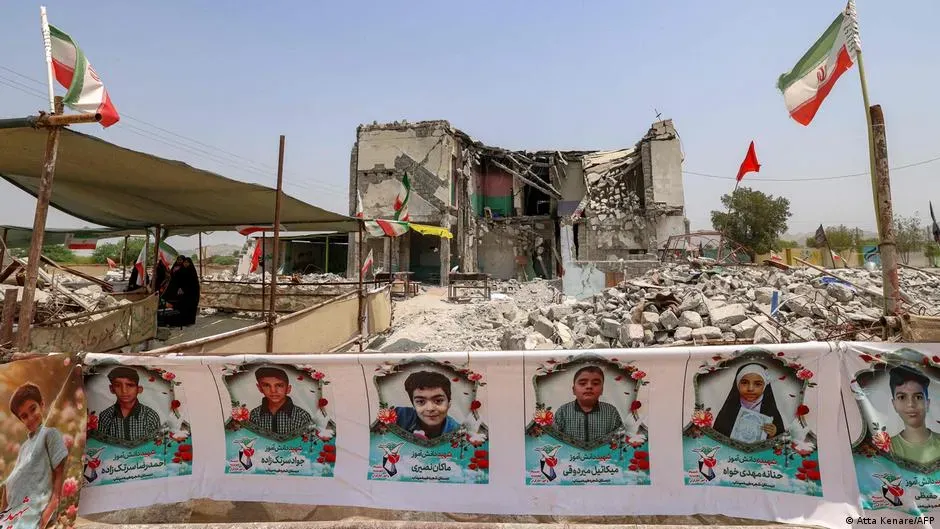
The use of advanced military technology in Yemen's conflict has raised concerns about its potential to exacerbate civilian casualties.
The Houthis' tactics involve frequent mobility, utilizing truck-mounted ballistic missiles and small drone swarms to evade attacks from various vantage points in rugged terrain.
This operational approach can make it challenging for even AI-assisted targeting systems to pinpoint their locations, as fighters may be gone before a strike can be launched.
Additionally, the MSS's effectiveness is compromised by environmental factors such as desert terrain changes, dust storms, high winds, snowfall, and dense foliage, which can significantly reduce its accuracy.
The reliance on AI-assisted tools also raises ethical concerns about the potential for unmanned systems to bypass human oversight and verification of targets.
The use of artificial intelligence (AI) in military operations is becoming increasingly common, and countries are seeking to acquire advanced AI-assisted tools to gain a strategic edge. In its military campaign in Gaza, Israel has employed an AI system known as the Gospel, or Habsora, which shares similarities with Saudi Arabia's MSS (Military Smart Sensors).
However, the deployment of such AI targeting tools has been plagued by controversy due to the high number of civilian casualties they can cause. Analysts have highlighted the problematic nature of these technologies, which can lead to devastating consequences for non-combatants. The use of AI-assisted systems in military operations raises important questions about accountability and oversight.
The benefits of AI technology in military contexts are multifaceted, according to experts. For instance, it can enhance situational awareness, reduce the human cost of tunnel mapping, speed up military strikes, and improve troop survivability. Nevertheless, these advantages have been overshadowed by concerns over civilian deaths resulting from the loosening or elimination of safeguards.
The effectiveness of AI-assisted technology in defeating enemy groups remains uncertain. Analysts point out that such tools are no guarantee of success, as evidenced by Israel's experience with its own AI systems in Gaza. The use of advanced technologies does not necessarily translate to military victories, and other factors come into play when determining the outcome of conflicts.
The ongoing conflict between Saudi Arabia and Yemen's Houthi rebels has taken a significant turn in favor of the Houthis, who have demonstrated an extraordinary capacity for resilience in the face of intense bombardment.
This remarkable tolerance for destruction suggests that the use of advanced technologies such as AI may not necessarily provide the decisive edge that Saudi Arabia and its US allies are seeking. The conflict's outcome is likely to be influenced by a complex array of factors beyond mere technological superiority.
Facts based on reporting originally published by DW English.
You may republish this story, in full or in part, if you credit News Central Site and link to it (licence CC BY 4.0). Photos are not included.