Peace Talks Between Ukraine and Russia Restart Amid Ongoing Conflict
A tentative step towards ending the ongoing conflict between Ukraine and Russia has been taken with both sides expressing willingness to restart peace talks.
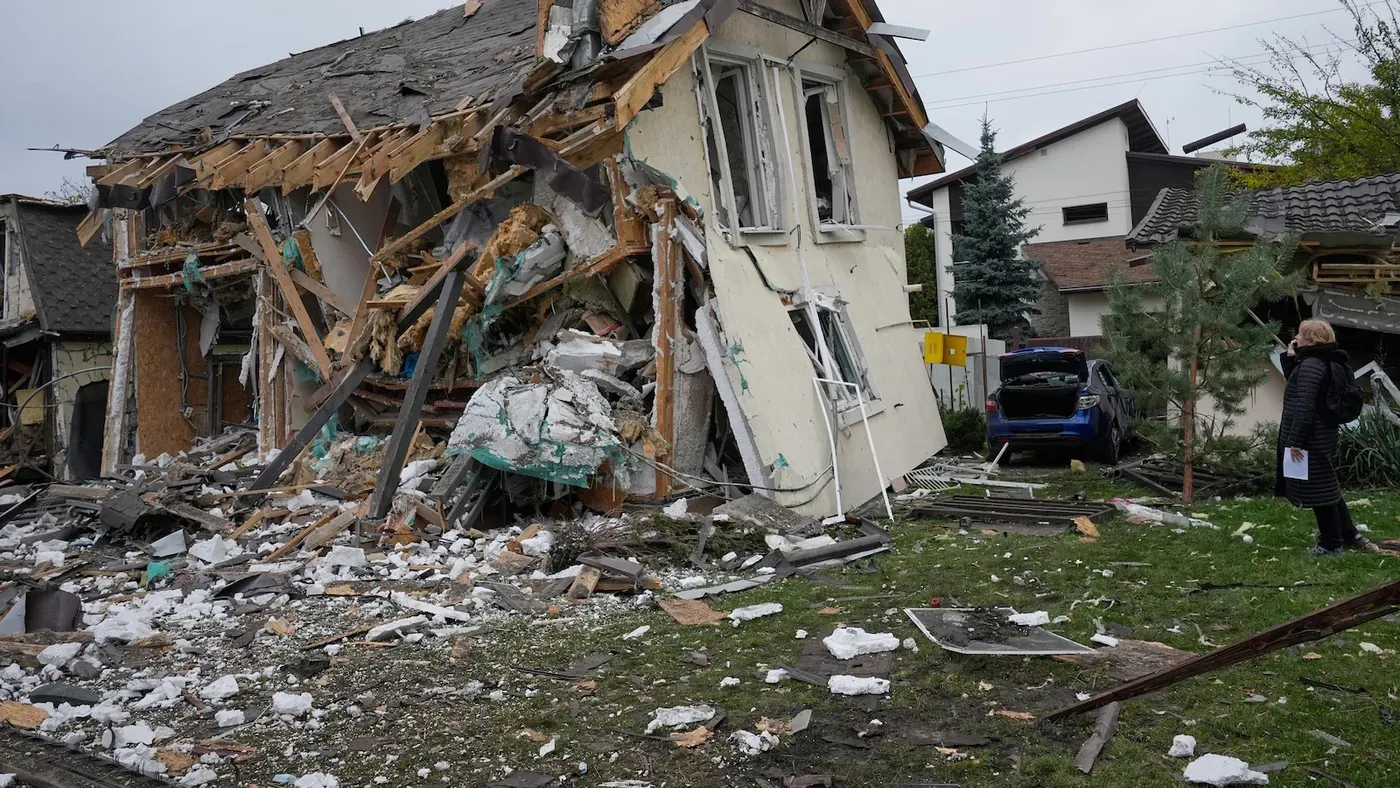
Ukraine and Russia have expressed willingness to restart peace talks and support a humanitarian mission led by US First Lady Melania Trump, marking a tentative step towards ending the ongoing conflict.
This development comes after over four and a half years of fighting, with both sides continuing to hold firm on key demands. Ukraine insists that any agreement must include ironclad guarantees against another invasion, while Russia has been pushing for control over Ukrainian territory it does not currently fully occupy.
A local ceasefire has been agreed upon in the war-divided region of Kherson, allowing aid to be delivered next week to a stranded town. This breakthrough was facilitated by secret consultations between Melania Trump and civilian negotiators from both sides, sparking hopes for similar humanitarian missions in the future.
However, despite this glimmer of hope, it remains unclear whether any significant shifts have taken place on key positions. Russia's stance on territorial control remains unchanged, while Ukraine continues to insist on guarantees against further invasion.
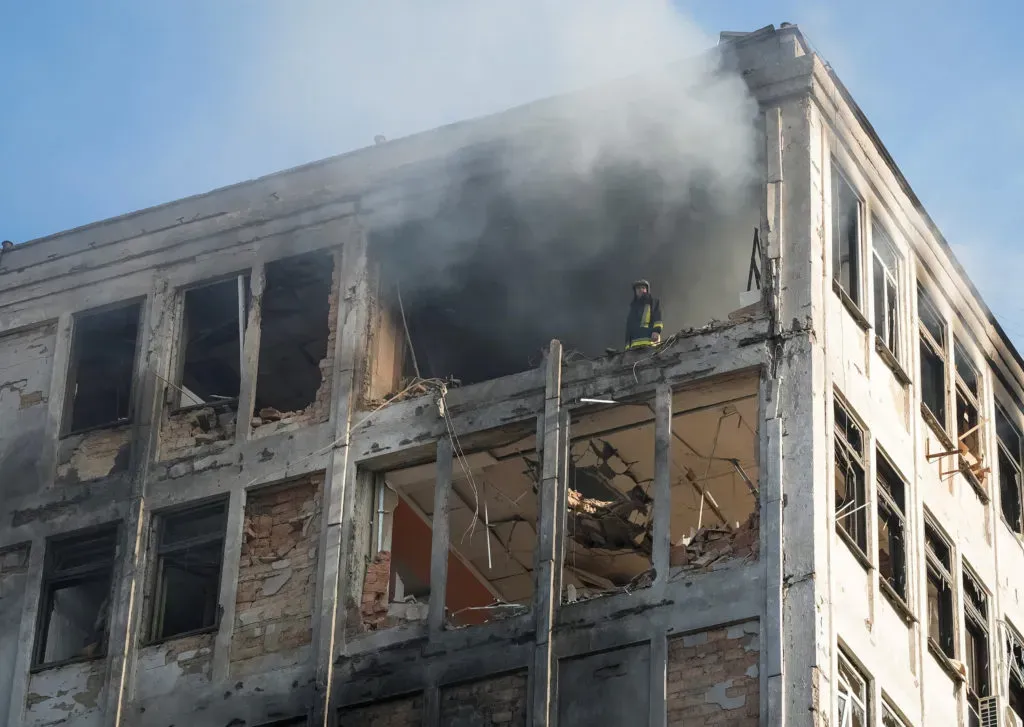
The contrast between words and actions was starkly illustrated when Russian President Vladimir Putin announced his willingness to restart talks, only hours later to be followed by a deadly barrage of ballistic missiles and drones on Kyiv.
The diplomatic efforts to broker peace between Ukraine and Russia continue amidst ongoing tensions on the ground.
A recent commitment to new talks was secured by US presidential envoy Steve Witkoff after his meetings with Ukrainian President Volodymyr Zelenskyy in Oslo and Russian President Vladimir Putin in St Petersburg. This would be the fourth round of negotiations facilitated by the Trump administration, following a previous meeting in Geneva in February.
The next round of talks is likely to take place in Abu Dhabi, capital of the United Arab Emirates, around mid-November, according to a Kremlin spokesman. Western governments supporting the peace initiative are seeking a new formula to break the stalemate, acknowledging that key issues such as territory and security remain unresolved.
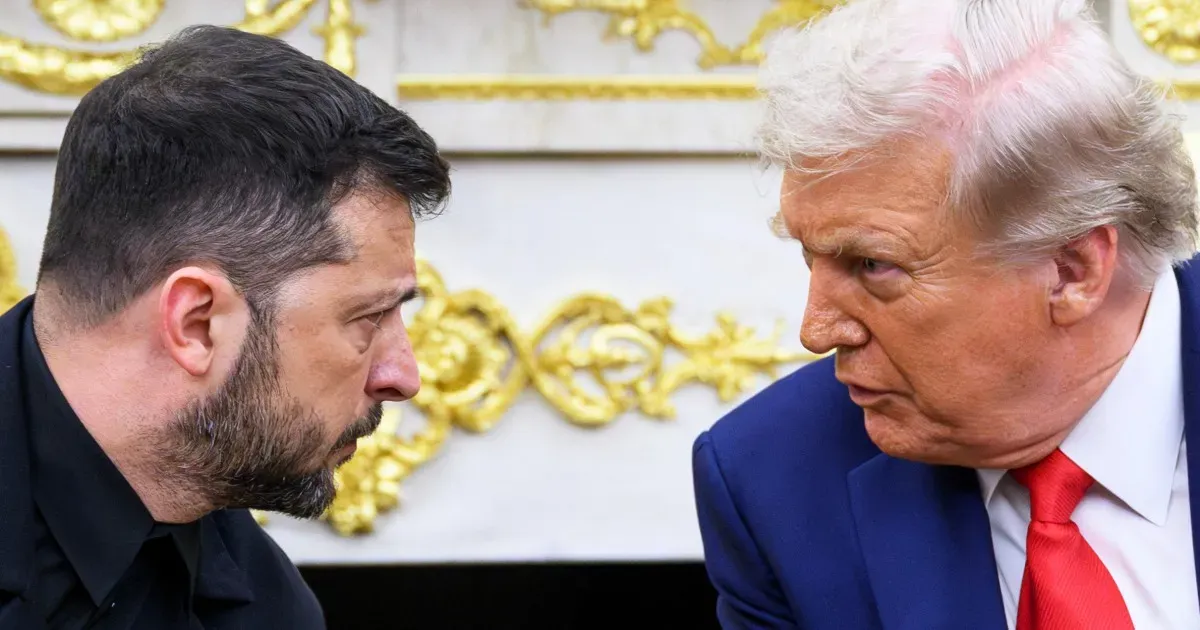
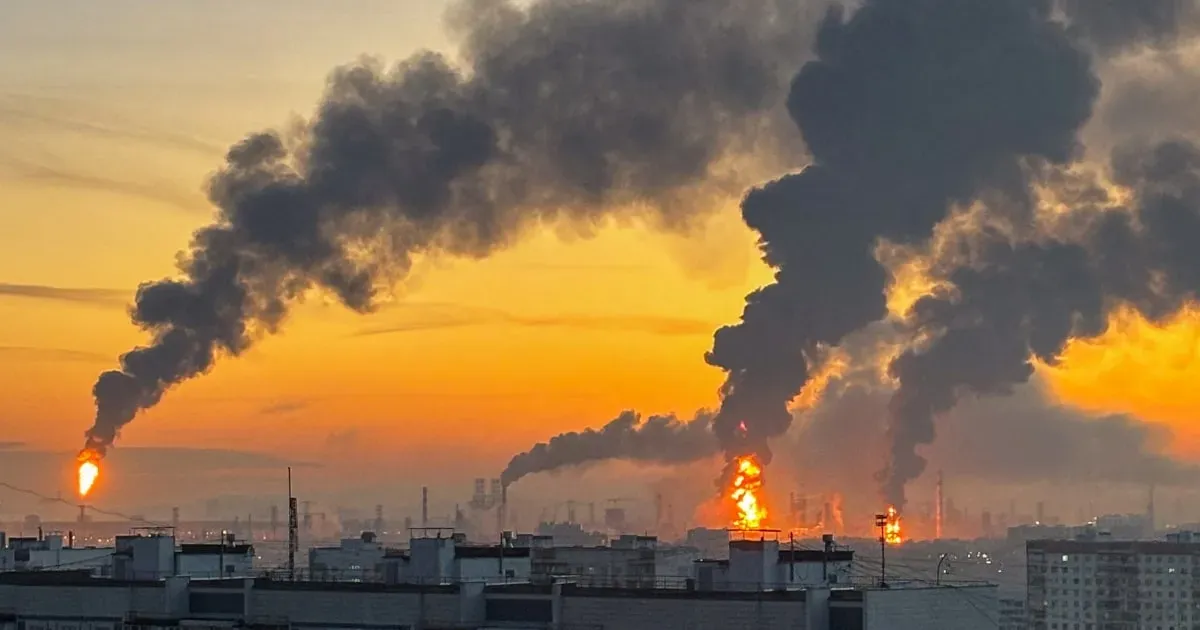
Ukrainian leaders have been facing pressure from US President Donald Trump's recent decisions, which they fear will embolden Russian President Putin. Disruptions in satellite support for Ukraine's drones followed a US call to halt strikes on Russian oil infrastructure, which Kyiv had rejected.
The tensions between the two countries were further highlighted when Witkoff described Putin as a "humanitarian during their meeting in St Petersburg, a remark met with surprise and skepticism by Ukrainian officials. This contrasted sharply with the ongoing conflict on the ground, where both sides continue to exchange fire.
Witkoff's efforts have also secured the release of an American citizen who had been jailed for over four years on charges of fighting as a mercenary in Ukraine. Despite these developments, significant obstacles remain to achieving a lasting peace between the two countries.
Despite the ongoing calls for new peace talks between Russia and Ukraine, significant differences remain over the terms of a settlement.
At the heart of Russia's demands is control over four Ukrainian regions it annexed after invading in 2022: Donetsk, Luhansk, Zaporizhzhia, and Kherson. In addition to these territories, Moscow also seeks control over Crimea, which was seized in 2014. This would effectively give Russia a significant foothold in Ukraine.
The current situation on the ground reflects the depth of the conflict, with Russia occupying approximately 20% of Ukrainian territory despite its claims of sovereignty over the regions. However, it has failed to secure complete control over all areas under its claimed jurisdiction.
Moscow's list of demands also includes the withdrawal of Ukrainian forces from the annexed territories, Ukraine's renunciation of NATO membership aspirations, and a reduction in the size of its military. Additionally, Russia seeks to have restrictions on the Russian language and a Moscow-affiliated branch of the Orthodox Church lifted.
In a televised address, Putin emphasized that his country remains willing to engage in negotiations but hinted at a hardline stance: If some prefer a different path, so be it."
The path to peace between Ukraine and Russia remains fraught with challenges as both sides continue to eye new negotiations. Kyiv has reaffirmed its commitment to a ceasefire that would stabilize front-line positions, paving the way for talks on ending the conflict.
However, Moscow's stance is firm: a comprehensive agreement must be reached before any halt in hostilities can occur. This has hindered progress in previous talks aimed at securing security arrangements necessary for a lasting peace deal.
Ukraine believes that its own army, bolstered by financial support from Western allies, could serve as the primary security guarantee in the absence of NATO membership, an option rejected by Russian President Vladimir Putin.
Discussions on alternative security guarantees are ongoing, with Ukraine considering various options, including direct guarantees from the United States and backing from the European-led Coalition of the Willing.
Discussions on alternative security guarantees are ongoing, with Ukraine exploring various options for ensuring its safety. The country is reportedly considering direct guarantees from the United States as well as support from the European-led Coalition of the Willing.
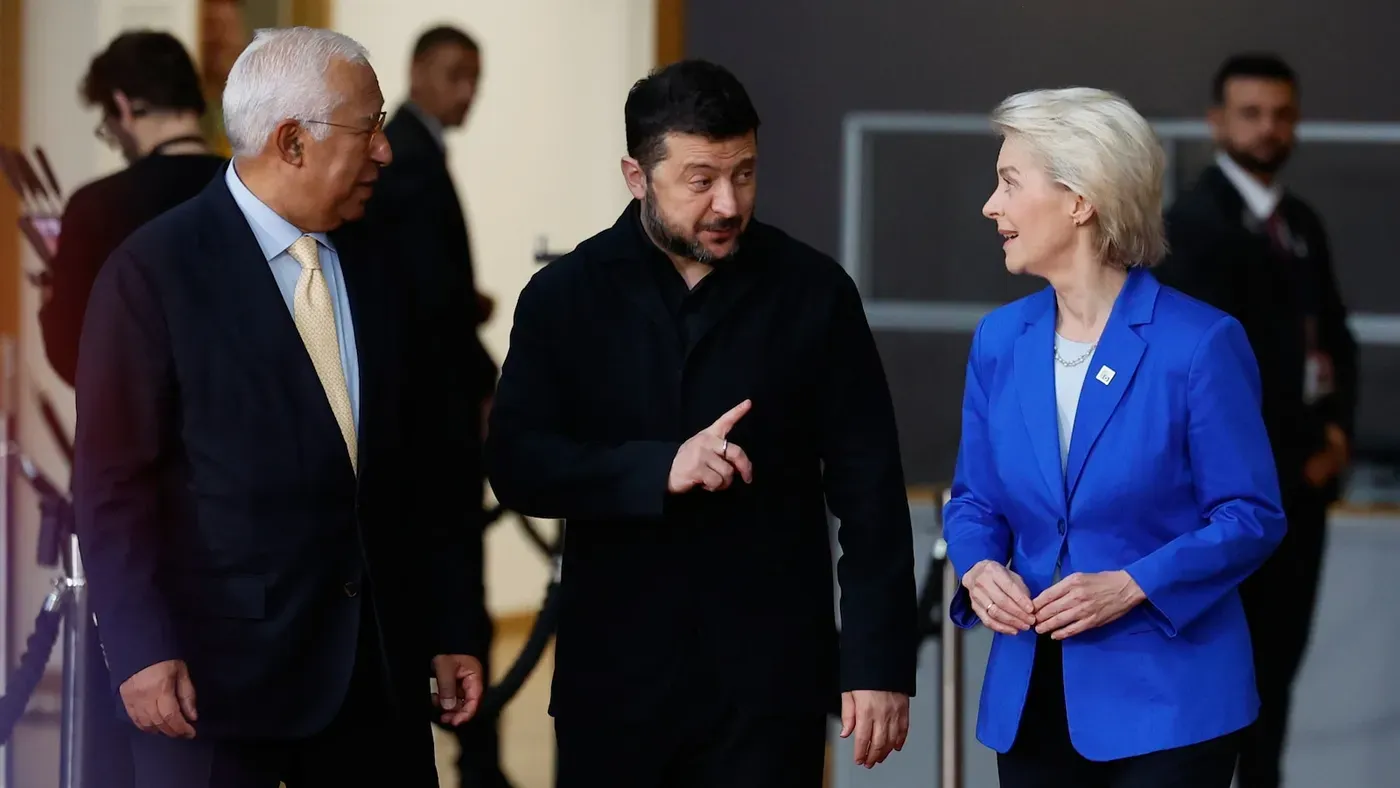
The Ukrainian President's office has emphasized the need for increased Western pressure on Moscow to facilitate meaningful peace talks. This stance was echoed by Zelenskyy, who wrote that real pressure on Russia is necessary to bring about different steps towards ending the conflict.
Facts based on reporting originally published by ABC News International.
You may republish this story, in full or in part, if you credit News Central Site and link to it (licence CC BY 4.0). Photos are not included.