Ukraine's Military Experiences Critical Slowdown in Starlink Internet Service
The Ukrainian military's use of SpaceX's Starlink internet service has been severely impacted due to a slowdown, disrupting critical operations on the front lines.
Ukraine's military has been grappling with a critical issue on the front lines: a slowdown in Starlink internet service provided by Elon Musk's SpaceX. This has had severe consequences for soldiers relying on the service to coordinate their missions.
One commander, who wished to remain anonymous due to the sensitivity of his role, shared his experience with the Starlink slowdown. He leads a drone unit that has been instrumental in pushing back Russian troops in southeastern Ukraine. However, his team's operations were disrupted when one of their drones lost contact while en route to target Russian positions.
The commander explained that the connection was lost suddenly as the drone picked up speed, forcing it to abort its mission and crash to the ground. After analyzing the flight data, it became clear that the issue was related to a Starlink speed limit imposed without warning on Ukraine's use of the service. This has had significant implications for battlefield missions reliant on Starlink.
The Ukrainian military had already expressed concerns about the limits imposed on their use of Starshield, the military variant of Starlink. Despite claims by President Donald Trump that Elon Musk had restored the service in Ukraine, Kyiv said it was still experiencing restrictions. The situation remains unresolved as soldiers continue to rely on the compromised service for critical operations.
The effects of the Starlink slowdown on Ukraine's military operations are far-reaching and critical to their survival. In addition to its impact on ground forces, the compromised service also affects drone operations, which are crucial for reconnaissance and targeting enemy positions.
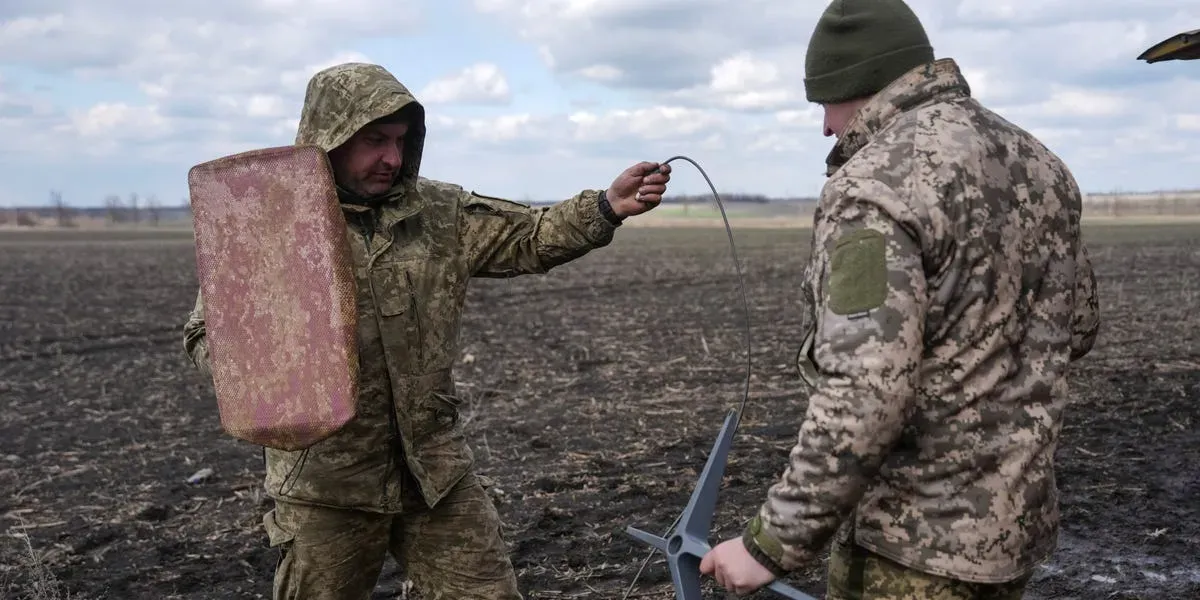
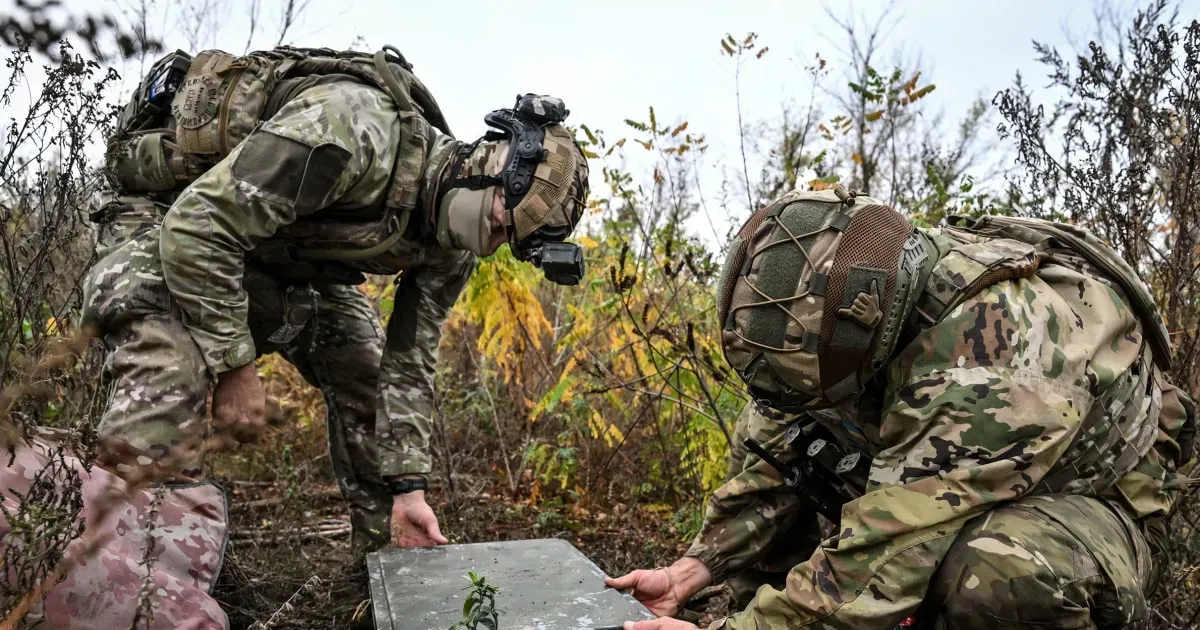
A second drone pilot, serving in the eastern Kharkiv region, emphasized that Ukraine lacks an alternative system as effective as Starlink for flying drones. The unit's movements and chances of survival are heavily dependent on their ability to maintain a reliable connection with the Starlink Mini mounted on their vehicles.
The pilot, identified by his call sign Dovbush, explained that driving into position quickly is essential to avoid detection by enemy forces. If they drive slowly, it becomes easier for an enemy drone to catch up and compromise their position, leaving them vulnerable to attack.
Dovbush's unit relies heavily on Starshield to operate drones used for reconnaissance and targeting enemy positions, including command posts and tanks. The lack of a reliable connection has significantly impacted the effectiveness of these operations, with Dovbush describing it as "a very significant loss" for his unit.
The Ukrainian military's drone operations have been severely hampered by the recent slowdown of Starlink internet services. Many drones will be unable to take off if restrictions on Starshield continue, leaving them grounded and vulnerable to enemy attacks.
According to reports, these drones would be highly susceptible to interception, with some even being likened to sitting ducks. Their reduced speed and maneuverability make them easy prey for enemy air defenses. This has significant implications for the effectiveness of drone operations in Ukraine.
The situation is further complicated by the ongoing offensive against Russian forces in various parts of the front line, including the eastern Donetsk region. Ukrainian officials have reported reclaiming over 100 square miles of territory and 16 settlements from Russian control through methods like using bomber drones to deploy robot vehicles behind enemy lines.
This progress has been made despite the challenges posed by the Starlink slowdown, which has affected battlefield missions and hindered Ukraine's ability to coordinate its military efforts.
The Ukrainian military has reported significant gains in recent days, pushing back Russian forces and disrupting their assault on key strongholds in the Donbas region. The operation has prevented Russia from flanking Sloviansk and Kramatorsk, forcing them to regroup and reassess their strategy.
Ukrainian officials credit the success of the offensive to a combination of innovative tactics and advanced technology. For example, Ukrainian forces used bomber drones to deliver robot vehicles deep behind enemy lines, where they were able to disable Russian defenses and disrupt supply chains. Soviet-era armored personnel carriers were also converted into exploding units to target heavily fortified positions.
The use of drone technology has proven particularly effective in the conflict, allowing Ukrainian forces to gather intelligence and strike at enemy strongpoints with precision. According to one Ukrainian drone pilot, his unit's reconnaissance drones moved forward every three weeks to maintain a strategic advantage over Russian forces.
In a meeting with his army chiefs last week, Putin claimed that Russian forces were on the offensive along the entire front line, but Ukrainian officials remain skeptical of such assertions given their recent gains and Russia's inability to regain lost ground.
The pace of Ukrainian advances along the front line has picked up significantly in recent days, according to assessments from military experts.
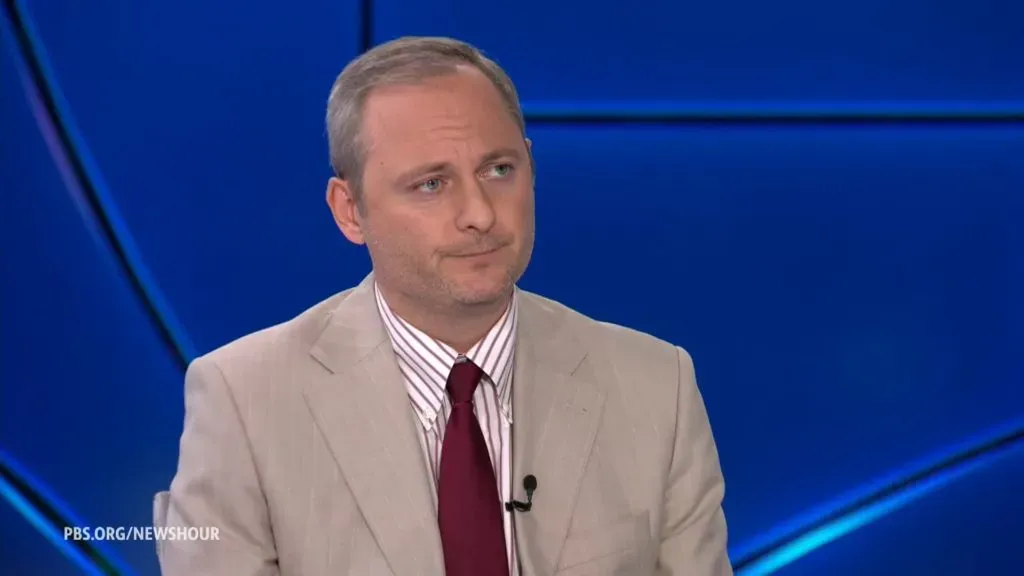
Senior Russia analyst George Barros from the Washington-based Institute for the Study of War estimates that Russian forces have gained a net of approximately 40 square miles across all of Ukraine since the start of this year, with an average daily gain of just 4 square miles.
This measured progress is being attributed in part to Ukraine's Operation Vivaldi, which allowed Ukrainian forces to push forward into areas dominated by drones and find ways to counter Russian defenses, ultimately stopping the northern encirclement of key cities in Donetsk.
Military experts say that this development has thwarted Russian plans to complete the capture of Donbas region by the end of this year.
The slowdown of Starlink services in Ukraine has had a mixed impact on front-line soldiers, with some units experiencing disruptions while others report normal performance.
A drone technician serving in Donetsk reported that his unit has not seen significant drops in speed or service, attributing the recent weather conditions as a possible cause for minor dips. In contrast, other units have been affected by the slowdown, which has hindered their ability to communicate and coordinate with each other effectively.
If the restrictions on Starlink services continue, Russian forces may be able to regain resources and push forward with greater operational tempo, potentially leading to breakthroughs in areas they control near the front line.
Facts based on reporting originally published by NBC News World.
You may republish this story, in full or in part, if you credit News Central Site and link to it (licence CC BY 4.0). Photos are not included.