Bulgarians Cast Ballots in Presidential Election Amid Ukraine Conflict
Voters are casting their ballots in a presidential election that is being influenced by differing views on how to approach the conflict in Ukraine.
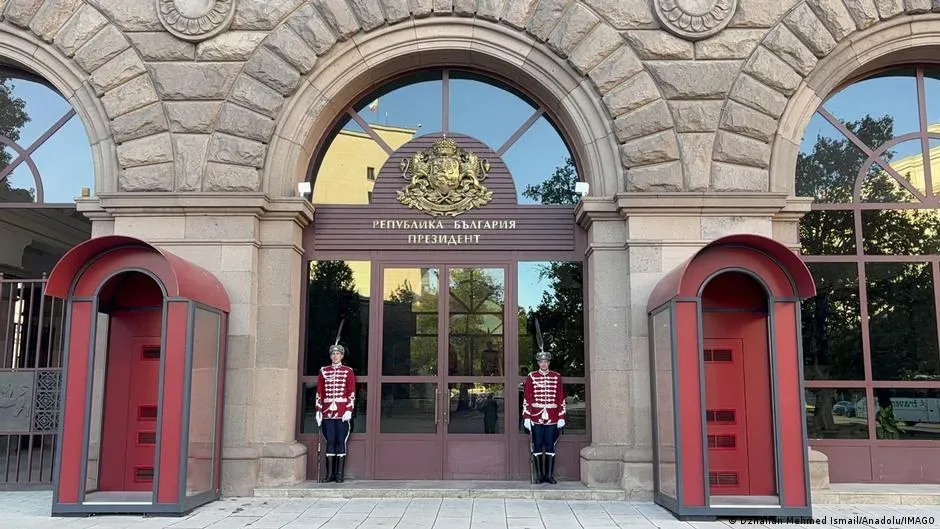
Bulgarians are casting their ballots in a presidential election on Sunday, with contenders vying for support from voters who have differing views on how to approach the conflict in Ukraine and Bulgaria's relationship with Moscow.
The war in Ukraine has taken center stage as it poses significant security risks to the country, particularly following drone attacks on ships in the Black Sea off its coast. This stark reminder of the conflict's reach is expected to influence voter decisions at the polls. The election comes at a critical time for Bulgaria.
Voting stations are open from 7 a.m. to 8 p.m., with exit polls to be released once voting concludes. Official results will not be announced until up to 48 hours after polling ends, allowing voters and observers alike to wait for a clearer picture of the outcome.
Despite the largely ceremonial role of the presidency in Bulgaria, the head of state holds considerable power, including the authority to appoint interim governments during times of crisis, serve as commander-in-chief of the armed forces, and veto legislation.
Bulgaria's presidential election has highlighted deep divisions over Ukraine, with some candidates vying for power advocating dialogue with Moscow to bring peace to the war-torn country.
Iotova, a strong contender in the polls, has expressed her support for negotiating with Russia as a means to resolve the conflict. Her stance on this issue is seen as a key factor that could influence the outcome of the election and potentially boost the popularity of current President Radev.
Gyurov, Iotova's main challenger, has taken an opposing view, backing military aid for Ukraine and criticizing Radev's foreign policy. Gyurov, who enjoys significant support from the pro-Western opposition, is also a strong advocate for Bulgaria's continued ties with NATO and the European Union.
The election landscape is further complicated by the presence of several other candidates who openly back Russia, including Kostadinov, leader of the far-right Vazrazhdane party.
The presidential elections in Bulgaria have taken place amidst a complex backdrop of international tensions and domestic concerns. The recent attacks on Ukrainian satellite internet equipment near Sofia have fueled speculation about Russia's intentions to escalate the conflict.
Radev's government has declined to directly blame Moscow for the strikes, despite the president himself suggesting that they seemed to benefit Russia. This ambiguity has only added to the uncertainty surrounding the election landscape, where multiple candidates are vying for power with competing agendas.
The economic struggles of Bulgaria, including rising energy prices and inflation, have also dominated campaign discussions, as voters seek a stable government to address their pressing concerns.
Facts based on reporting originally published by DW English.
You may republish this story, in full or in part, if you credit News Central Site and link to it (licence CC BY 4.0). Photos are not included.