Nvidia CEO Resigns Amid Allegations of Affair with Accused Chinese Spy
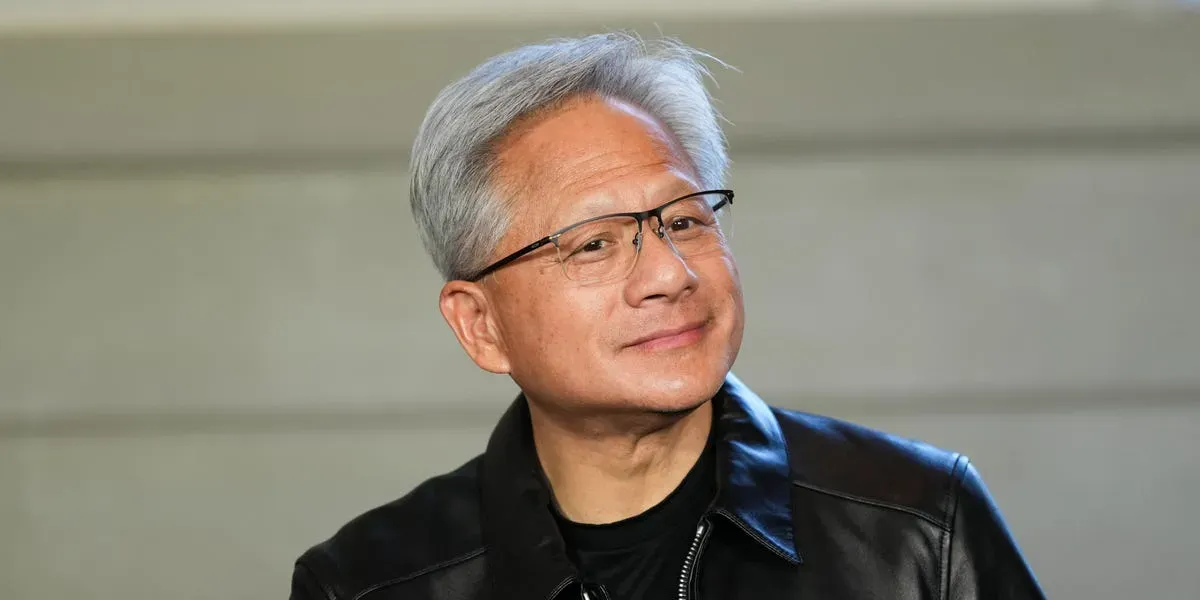
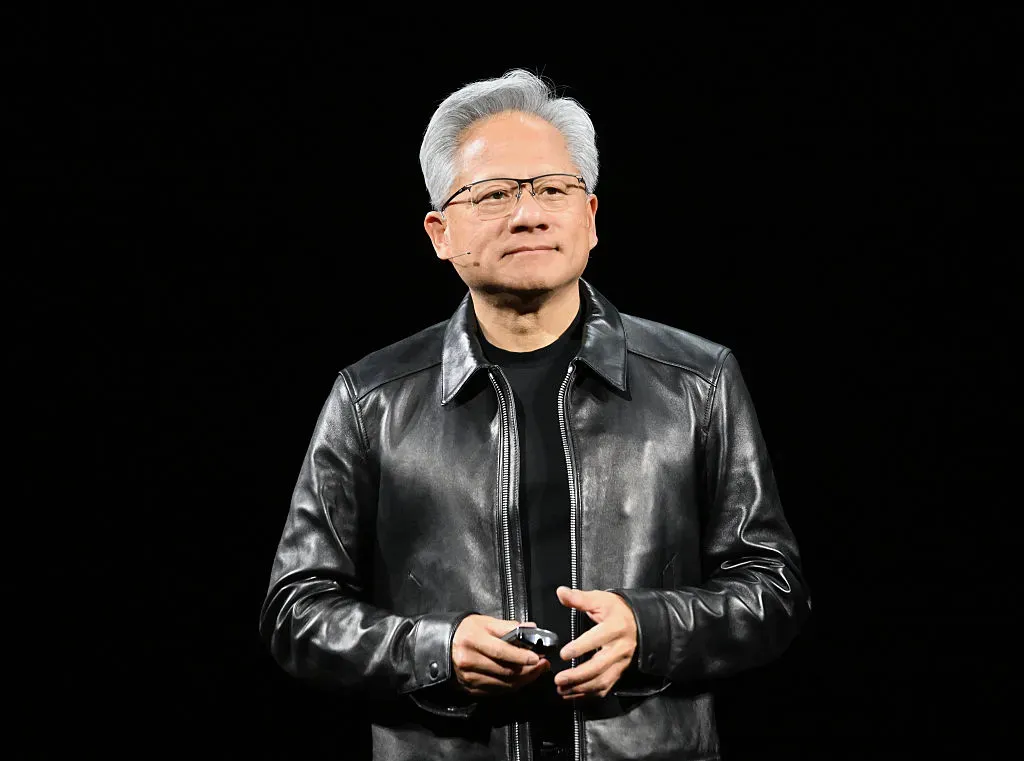
Jensen Huang has resigned as CEO of Nvidia following allegations that he was involved in an affair with Alice Huang, a businesswoman accused of being a Chinese spy.
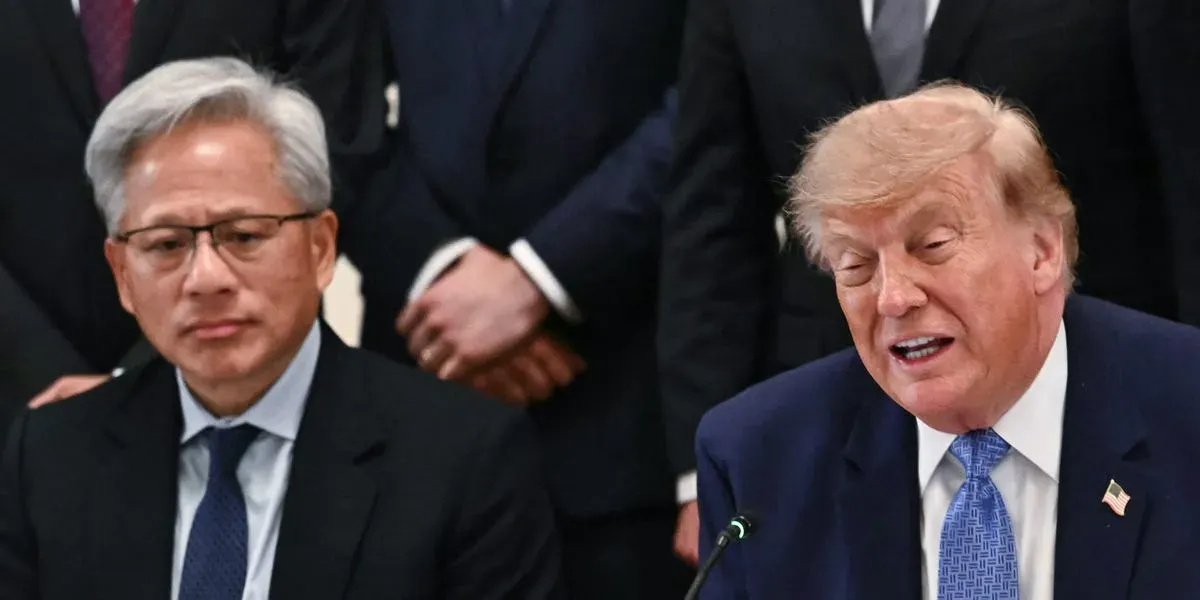
A shocking scandal has rocked the tech world, leading to the sudden resignation of Jensen Huang, cofounder and CEO of Nvidia, a leading AI company in the US.
The allegations against Huang centered around his alleged affair with Alice Huang, a Chinese businesswoman who worked for a company that purchased billions of dollars' worth of Nvidia's high-performance AI chips. The same company has been under investigation due to concerns about potential misuse of these products.
This revelation led to Huang's swift departure from the company, and the sudden loss of $300 billion in market value. However, new information is emerging that raises questions about the validity of the central claim in this scandal.
Several reputable news outlets have published reports suggesting that the spy allegations against Alice Huang may be exaggerated or even fabricated. If true, this would imply a more complex motive behind Huang's resignation than initially thought.
US intelligence agencies reportedly have not confirmed whether Alice Huang was indeed working as a Chinese spy.
Some CIA officials are questioning whether intercepted communications provide conclusive proof that Alice Huang knowingly passed information to Beijing.
An open letter has been circulating online calling for Nvidia's board to reinstate Jensen Huang as CEO until this matter is clarified.
The letter, which has garnered over 100,000 signatures from top executives and current employees, demands evidence substantiating the spy allegations against the woman at the center of this controversy.
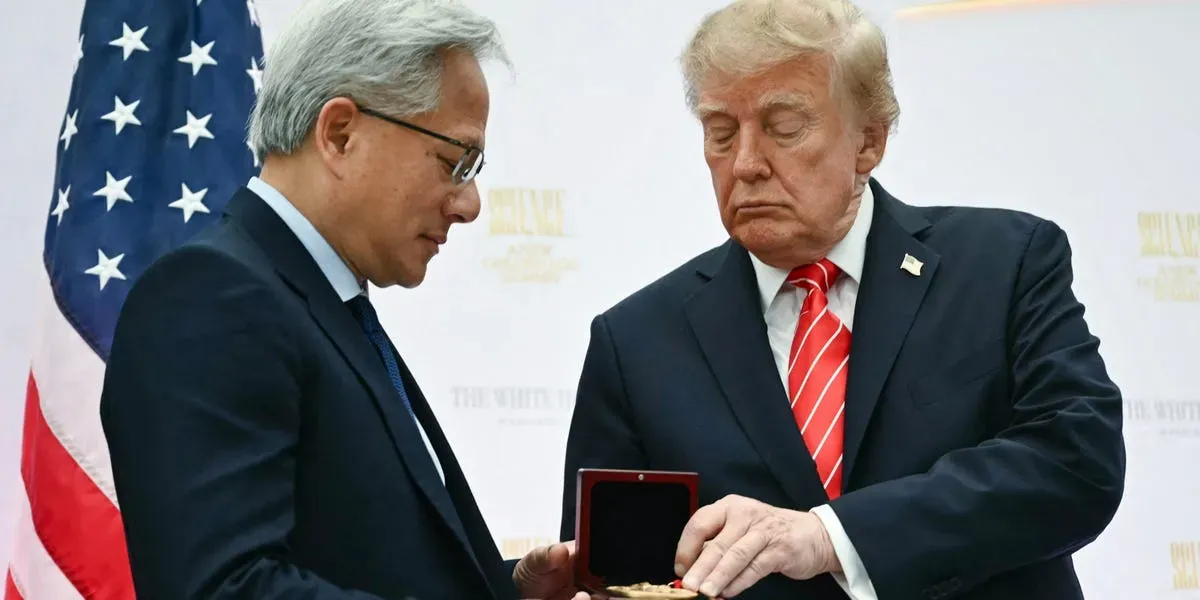
According to a report in The Washington Post, Secretary of State Marco Rubio took a less conclusive CIA intelligence report and rewrote it in more assertive language to warn President Donald Trump about Huang's relationship with an alleged Chinese spy.
Rubio's memo was eventually leaked, and its findings are said to have set off the chain of events that led to Jensen Huang's departure from Nvidia after 33 years at the helm.
A growing number of questions have been raised about the accuracy of the intelligence on Alice Huang, a researcher accused of being a Chinese spy.
The allegations against her led to Nvidia's CEO, Jensen Huang, stepping down after 33 years at the helm.
This development has sparked concerns that the intelligence was exaggerated or even fabricated to justify tougher restrictions on China.
A similar situation occurred in 2003 when US Secretary of State Colin Powell presented intelligence to the United Nations on Iraq's alleged possession of weapons of mass destruction.
Powell's warnings were based on intelligence assessments, but after the invasion, investigators found no evidence of such stockpiles.
The failure has been attributed to a combination of flawed intelligence, political pressure, and selective use of evidence.
A key lesson from this experience is that intelligence can be presented with more certainty than the underlying evidence supports, especially when powerful people have a policy goal in mind.
In the case of Powell's presentation, it was clear that the Bush administration wanted to invade Iraq, and the claims about weapons of mass destruction helped build support for that decision.
The parallels between this episode and the allegations against Alice Huang are striking, with both cases involving intelligence assessments that may have been exaggerated or manipulated.
To understand the possible motives behind these actions, it's essential to examine the broader context in which they occurred.
A bitter fight has been underway inside Washington over China's access to Nvidia technology, particularly its most powerful AI chips used for advanced artificial intelligence development.
Implementing restrictions on chip sales to China has turned out to be a challenging task for US authorities.
A key factor hindering enforcement is the rise of cloud computing, which allows companies to access powerful AI chips without physically possessing them in mainland China.
This works by an American company selling its AI chips to a data center operator outside China, who then rents out the computing power over the internet to customers, including Chinese firms.
The fact that these transactions can be legitimate under existing US rules has raised concerns among Washington officials that this is a loophole undermining the restrictions on chip sales to China.
They are now seeking to close this gap in regulations.
The sudden ousting of Nvidia's CEO is beginning to unravel as a complex web of politics and regulation.
A closer look at Alice Huang's past reveals that she was an executive at Megaspeed, a Singapore-based company under investigation for possible US export restrictions violations since 2024.
US officials have been scrutinizing the company, which purchased nearly $2 billion worth of Nvidia technology, raising concerns about potential security risks.
The New York Times published a detailed investigation into Megaspeed on October 9, 2025, highlighting Alice Huang's close relationship with Jensen Huang and her access to sensitive information.
As the US government tightens its grip on Chinese companies' access to American tech, lawmakers are pushing for legislation that restricts remote access to powerful chips located in other countries.
The sudden departure of Nvidia CEO Jensen Huang has sparked intense scrutiny over allegations of Chinese espionage and US intelligence involvement. Some experts now question whether the US government's actions were truly aimed at protecting national security or if they were motivated by other factors.
A closer examination of recent events reveals a series of coincidences that raise suspicions about the role of US intelligence in Huang's ousting. CNN's reporting and the Washington Post's article on Rubio's memo have added fuel to the debate, highlighting potential inconsistencies in the narrative presented by US officials.
While there are valid arguments on both sides of the issue, concerns persist over the possible misuse of intelligence information to bring down a key industry leader. If it is indeed true that US officials exaggerated or manipulated intelligence to achieve their goals, this would not only be an embarrassment for the government but also potentially damage America's lead in AI research and development.
Ultimately, the public deserves transparency and clarity on these matters, especially given the high stakes involved in the intersection of national security and cutting-edge technology. The truth behind the circumstances surrounding Jensen Huang's departure from Nvidia will likely remain a subject of debate and investigation for some time to come.
Facts based on reporting originally published by Business Insider.
You may republish this story, in full or in part, if you credit News Central Site and link to it (licence CC BY 4.0). Photos are not included.