Israeli soldiers describe involvement in Gaza attack in new documentary Naza
A selection of documentaries this year tackle difficult subjects that challenge viewers to re-examine their assumptions about the world.

The year's top documentaries have emerged, tackling a wide range of subjects that are impossible to ignore. They pose difficult questions and make it hard to look away, which is exactly what we need in these turbulent times. The news cycle is overwhelming, with stories about technology dehumanizing us, wars that seem unnecessary, and the devastating impact of climate collapse.
Most days, we scroll past these stories without giving them much thought. But these documentaries force us to slow down and pay attention to voices we might otherwise miss. They bring us stories like a young boy in West Texas who writes a play about Stalin or footage from 50 years ago showing Harlem Renaissance icons arguing over drinks.
This year's list is presented in no particular order, but every film shares a common thread - it makes you look at the world differently. The best documentaries are not just informative, but also thought-provoking and uncomfortable to watch. They challenge our assumptions and make us confront the harsh realities of the world around us.
One such documentary that stands out is Naza, directed by Yuval Abraham and Rachel Szor. Set on Tel Aviv rooftops at night, this 80-minute film tells a disturbing story about Israeli soldiers and intelligence personnel who describe their involvement in Gaza following the October 7 attack. Their anonymity only adds to the sense of unease.
The use of AI tools in targeting civilians is a particular point of contention. One soldier describes how he helped build these tools, enabling the IDF to decide how much error is tolerated and how many civilians - mostly women and children - it's acceptable to kill. The comparison to a video game is stark and unsettling.
Despite claims that the film is riddled with inaccuracies, Naza undoubtedly raises questions that demand full answers. It provides unflinching evidence of how institutional logic can lead to mass casualties, making it essential viewing for anyone interested in understanding the complexities of modern conflict.
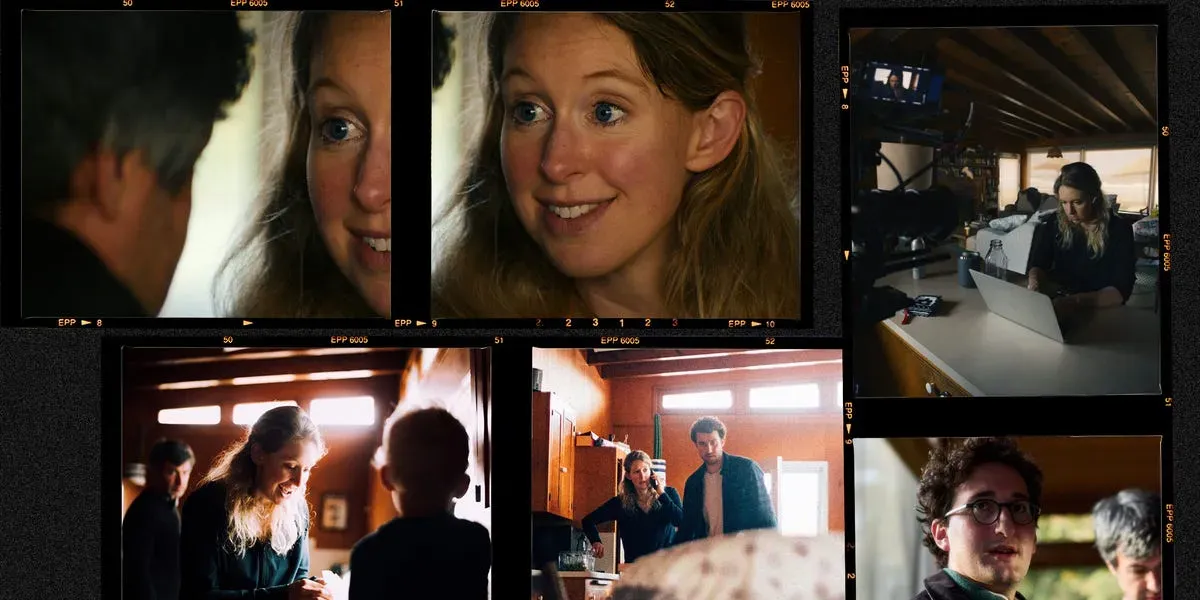
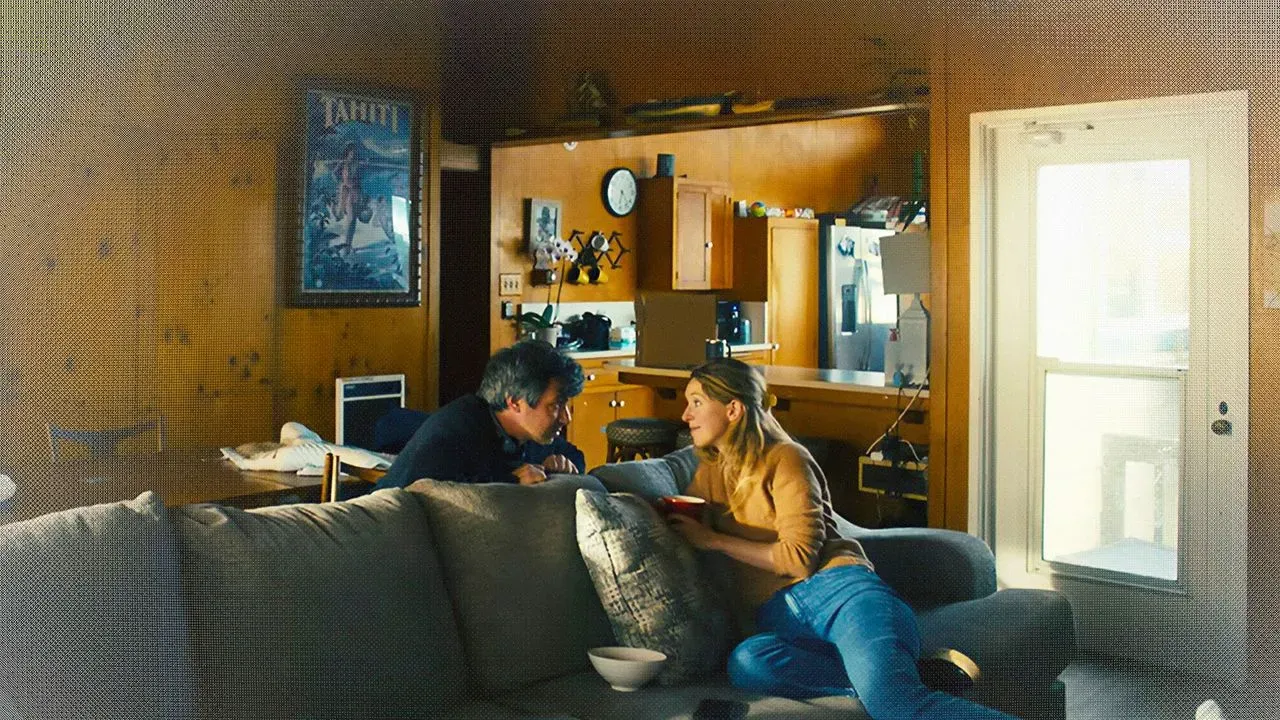
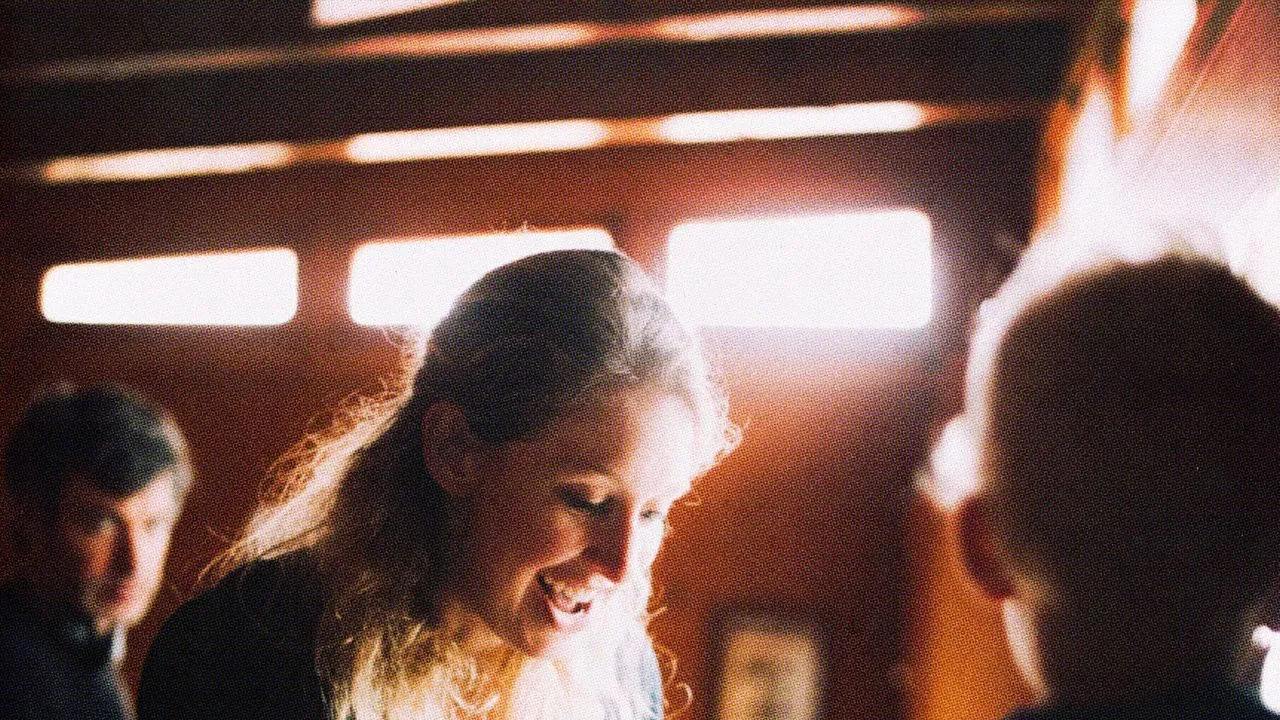
Nathan Fielder's documentary, You Can See Everything, takes a different approach, following convicted Theranos founder Elizabeth Holmes and her family in the weeks leading up to her prison sentence. The film breaks every rule of traditional documentary filmmaking, but its unorthodox style only adds to its impact.
The film's unorthodox style is not just a gimmick, but an essential element in its ability to capture the complexity of Holmes' personality.
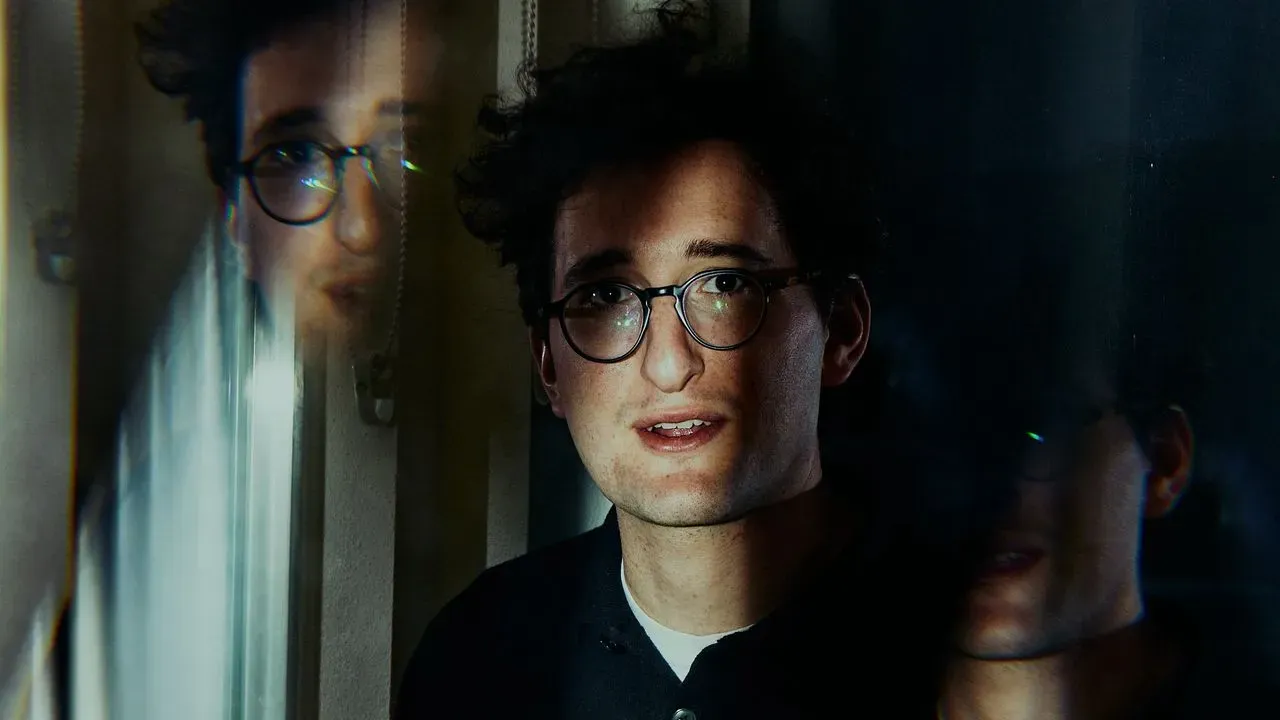
Holmes' partner Billy Evans is a masterfully crafted villain, delivering lines that are both unsettling and darkly comedic.
Throughout the film, Holmes maintains her innocence despite mounting evidence to the contrary, controlling every conversation with ease.
The filmmakers' decision not to present the case against Holmes is a deliberate choice, one that adds to the sense of unease that pervades the documentary.
After spending time in Holmes' company, viewers are left feeling exhausted and perhaps even a little manipulated, much like her investors.
In contrast to the polished, controlled environment of traditional documentaries, this film presents its subjects in a raw, unvarnished way.
The Harlem Renaissance was a pivotal moment in American cultural history, but it's hard to truly grasp its significance through academic study or written accounts.
A party held by William Greaves at Duke Ellington's townhouse in 1972 brought together some of the era's most notable figures, including Aaron Douglas and Eubie Blake.
Fifty years later, David Greaves made a film using footage from that gathering, capturing the intense discussions and debates that took place among these legends.
The result is a documentary that humanizes its subjects, stripping away the reverence and monumentality that often surrounds them.
In this way, the film presents a refreshing alternative to more traditional approaches to documenting history.
The documentary "When a Witness Recants takes viewers on a journey through the complex and often disturbing world of wrongful convictions. At first, it's unclear where this film is headed, but as it unfolds, unexpected connections begin to emerge.
Director Wilson's unique approach involves capturing people in their most unguarded moments, often when they're lost in thought or obsessed with something. This unpretentious style yields unexpected insights and reveals a universality that transcends individual experiences. The result is a film that's both humorous and heart-wrenching at the same time.
One of the standout aspects of When a Witness Recants is its detailed examination of a particularly egregious case from 1983. Three Baltimore teenagers, Alfred Chestnut, Ransom Watkins, and Andrew Stewart, were wrongly convicted of murdering a classmate for his jacket and spent an astonishing 36 years in prison.
The film's narrative is marked by malfeasance at every level, including coercive tactics used by detectives to extract false testimony from child witnesses. Additionally, the failure to pursue an obvious alternative suspect and misconduct by judges and prosecutors all contributed to this miscarriage of justice. The cumulative effect is staggering.
As the story unfolds, it becomes clear that these men's fate was sealed not just by the actions of a single individual but also by systemic failures that allowed their wrongful conviction to stand for so long. The evidence pointing to their innocence sat in a police file for decades before they were finally exonerated.
The emotional toll of this ordeal is palpable, particularly during a poignant scene where the men confront the witness whose false testimony destroyed their lives. Ron Bishop attempts to explain his actions, but the exchange falls flat, and the men are left seeking an apology that never comes. This is a powerful reminder of the lasting impact of such injustices on those who suffer them.
The documentary filmmaking medium has evolved significantly in recent years, pushing boundaries and challenging traditional narrative structures.
Nuisance Bear, directed by Gabriela Osio Vanden and Jack Weisman, is a prime example of this shift, as it eschews the typical wildlife film format in favor of a more nuanced exploration of the relationship between humans and animals.
The film's central question - Who is the nuisance here? - is a deceptively simple one, but one that gets to the heart of the complex issues at play. The Inuit elder Mike Tunalaaq Gibbons provides valuable context through his narration, highlighting the disruptions faced by both his people and the polar bears.
The use of sound in Nuisance Bear is particularly effective, immersing viewers in the cacophony of helicopters, ATVs, and growling bears that characterizes this fragile ecosystem. The camera work is deliberately unobtrusive, observing the bears at the fence line where human progress meets its limits.
Unlike many nature documentaries, which often rely on a pre-packaged narrative and neat conclusions, Nuisance Bear resists easy categorization. It's not just a film about polar bears; it's also a commentary on the impact of human activity on the natural world.
The documentary's refusal to conform to traditional expectations is a testament to its makers' commitment to capturing the complexity of reality, rather than trying to impose a predetermined narrative. This approach pays off in the end, resulting in a film that is both thought-provoking and deeply unsettling.
The documentary Jean presents its subject in a refreshingly candid manner, as the now elderly woman never wavers or asks for approval from those viewing her life story.
A standout short film of 2026 is The Boys and the Bees, directed by Arielle Knight, which tells the poignant tale of Eliza and Nehemiah Ray's family living on their rural Georgia property.
This 12-acre spread in Georgia serves as a sanctuary for the family, comprising parents Eliza and Nehemiah and their two young sons, Carver and Aaro. The film showcases their devotion to each other, their bees, and the land that supports them.
The beauty of The Boys and the Bees" lies in its ability to capture poignant moments, such as when Carver's father, Nehemiah, teaches him about the pain of bee stings with unwavering honesty.
One particularly striking scene showcases Nehemiah's approach to teaching his son a valuable lesson about resilience. When Carver is stung by a bee and begins to cry, his father stays close, helping him through the painful experience while also instilling pride in his ability to endure it.
The family's story is an allegory for universal lessons that apply to people of all ages, including the importance of honesty and learning from adversity.
The documentary Stalin Boys is a poignant exploration of the complexities of human nature, as seen through the eyes of four West Texas middle schoolers who embark on an ambitious project to write and perform a play about Stalin's purges.
Their fascination with this dark period in history is not driven by admiration, but rather a desire to understand the raw edges of humanity, which resonates deeply with Malachi, one of the students. His own experiences have left him with a sense of helplessness, yet he finds solace in exploring the harsh realities of Stalin's rule.
Malachi's interest in Stalin is not just intellectual, but also personal, as he grapples with his own father's struggles with addiction and the family's decision to leave their past behind. His descriptions of Stalin's father, a drunk who turned cruel, are eerily reminiscent of his own experiences.
The documentary offers a glimmer of hope in an era where AI-induced atrophy and the outsourcing of curiosity threaten to suffocate young minds. The film's portrayal of Malachi's journey is both heartwarming and thought-provoking, as he finds power and expression through his creative pursuits.
Ultimately, Stalin Boys serves as a powerful reminder that even in the face of adversity, there is always hope for growth, learning, and transformation.
Facts based on reporting originally published by Vogue.
You may republish this story, in full or in part, if you credit News Central Site and link to it (licence CC BY 4.0). Photos are not included.