Huang Yi-hao involved in deliberate car attack
Taiwanese comedian Huang Yi-hao was attacked by five individuals who caused his vehicle to collide with another car.
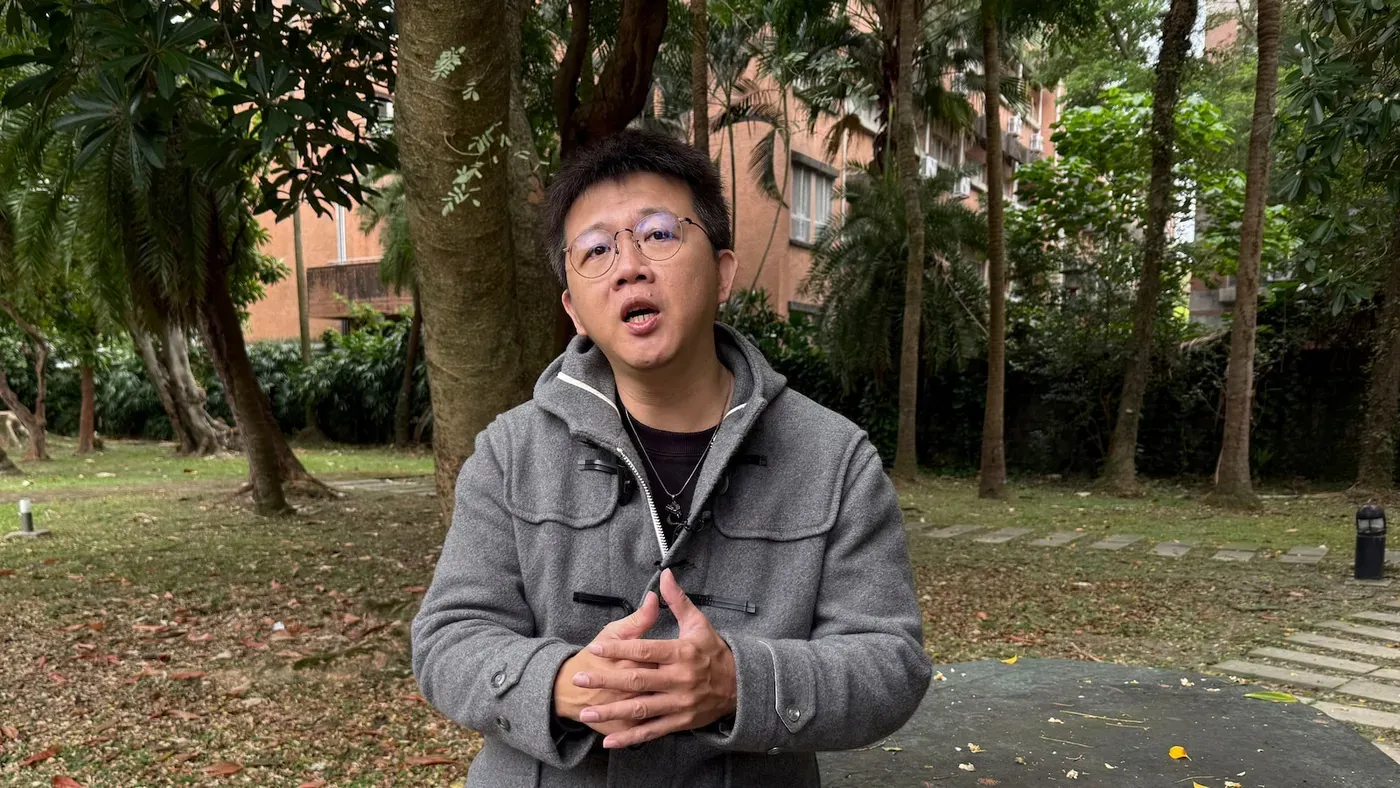
A comedian in Taiwan was involved in a car accident that turned out to be a deliberate attack on his life. The incident occurred in September when Huang Yi-hao's vehicle collided with another car, but what followed was unusual - the men involved were excessively courteous and even offered to cover the medical expenses and damage.
However, further investigation by Taiwanese police revealed that this was no ordinary accident. In fact, it was a case of attempted assault on Huang, who had become a target for his criticisms of China's government. The authorities have since charged five individuals in connection with the incident.
The alleged attack on Huang is part of a growing trend where Chinese operatives are being sent to Taiwan to harass or harm individuals who are seen as critical of Beijing. According to Chiu Shao-Chou, commissioner of Taiwan's Criminal Investigation Bureau, these incidents have become increasingly severe over time.
Chiu noted that the methods used by these operatives have evolved from verbal harassment and property damage to more serious forms of intimidation, such as causing fake car accidents. Taiwanese authorities are concerned about this trend and are taking steps to address it.
Taiwanese officials have long been wary of Chinese infiltration attempts on the island, which is a self-ruled democracy claimed by Beijing. The government has identified various methods used by China to exert influence over Taiwan, including spy plots, disinformation schemes, and cultural exchanges that promote Communist Party ideology.
Taiwanese authorities are investigating a series of violent attacks on critics of China, raising concerns about transnational repression.
The tactics used by China to harass or harm dissidents abroad have been exposed in recent years, including secret police stations set up in foreign countries to surveil Chinese nationals who speak out against the government. In 2023, law enforcement officials in New York made arrests related to such a station.
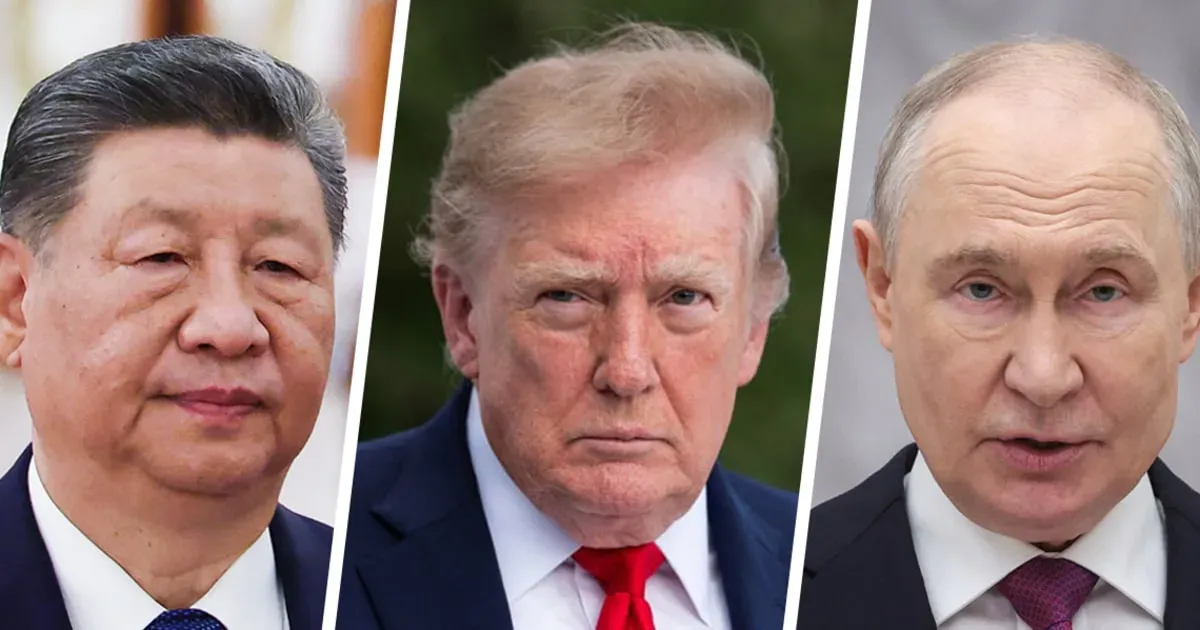
Prosecutors claim that five men were hired to seriously injure comedian Lee Huang, allegedly for a payment of about 450,000 New Taiwan dollars ($13,900) from someone using the alias "K from China. The incident may be linked to Huang's performance last year, in which he compared Chinese President Xi Jinping to Winnie the Pooh.
The attack has had an unexpected consequence: Lee Huang's solo shows have sold out since the incident, with his fans rallying around him. Huang believes that his criticism of Xi is the reason behind the violent attempt on his life and also thinks that other comedians who collaborated with him may face repercussions in China and Taiwan.
Lee Huang has no intention of taking his performances to China, but he did express surprise at the aggressive response from Beijing following his criticism of President Xi. The Communist Party is very childish, he said in a statement, questioning why China would react so strongly to a comedian's jokes.
Taiwanese prosecutors have revealed details of a plot by Hong Kong gangsters to assault Japanese political commentator Akio Yaita, describing it as another example of transnational repression.
The alleged attack was planned and paid for by a fellow gangster, with five triad members entering Taiwan in early July to scope out the area around the hotel where Yaita was scheduled to give a speech. Two of them eventually withdrew from the mission, leaving only two men who were tasked with carrying out the assault.
One of these men was offered 100,000 Hong Kong dollars to physically harm Yaita, and he ultimately punched the commentator in the face. He has since been arrested, while his accomplice fled Taiwan after acting as a lookout during the attack.
The incident has left many concerned about the implications for freedom of speech in Taiwan. Yaita himself believes that the assault was directly linked to his criticisms of China's government policies, and he remains unapologetic about speaking out against them.
Yaita's comments have sparked concerns among experts who believe that anyone in Taiwan who dares to criticize Xi Jinping and the Chinese Communist Party could be a potential target.
The arrest of a woman in Los Angeles for allegedly conducting surveillance on Taiwan's President Lai Ching-te's son has raised concerns about the involvement of the Chinese government in transnational repression.
Taiwanese authorities are coordinating closely with their US counterparts to address similar cases that involve Taiwanese nationals overseas, highlighting the global reach of Beijing's alleged tactics against its critics. The threat is not limited to Taiwan alone, according to police officials who acknowledge a coordinated effort by various agencies to counter this emerging trend.
Chiu, the police commissioner, emphasized the gravity of these incidents, stating that they pose a significant threat to national security and require immediate investigation. He also noted that police treat such cases as national-level threats, necessitating coordination with immigration authorities, the coast guard, and other government agencies.
The Taiwan Affairs Office has strongly denied any involvement in the violent attack on Huang, a Taiwanese artist who was targeted for his criticism of China's government. The office claimed that accusations of transnational repression were baseless and part of a smear campaign by Taiwan's ruling Democratic Progressive Party.
In response to the allegations, the party had introduced legislation aimed at suppressing political dissidents and limiting cross-strait exchanges, sparking concerns over freedom of speech in Taiwan. For Huang, however, the attack sent a chilling message that criticizing China comes with a price.
They want to silence anyone who dares to speak out against them," he said, underscoring the fear that his actions had provoked a reprisal from Beijing.
Facts based on reporting originally published by ABC News International.
You may republish this story, in full or in part, if you credit News Central Site and link to it (licence CC BY 4.0). Photos are not included.