US and Japan Agree on Joint Missile Development Project
The US and Japan have reached an agreement to develop a Japanese facility for producing advanced medium-range air-to-air missiles as part of their efforts to counter growing concerns about China's assertiveness in Asia.
The United States and Japan have reached an agreement to develop a Japanese facility for producing advanced medium-range air-to-air missiles. This joint project is part of a broader effort by the two nations to counter growing concerns about China's increasing assertiveness in Asia.
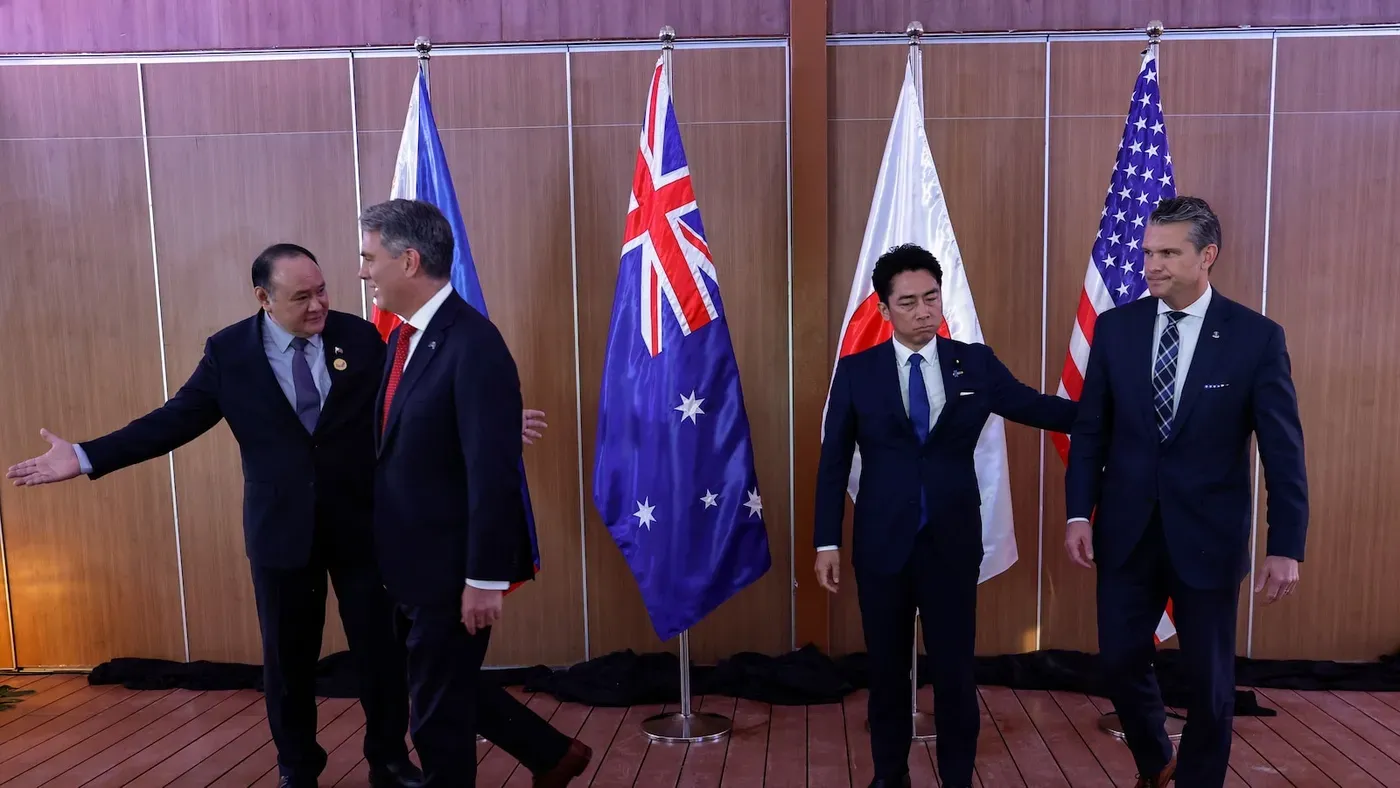
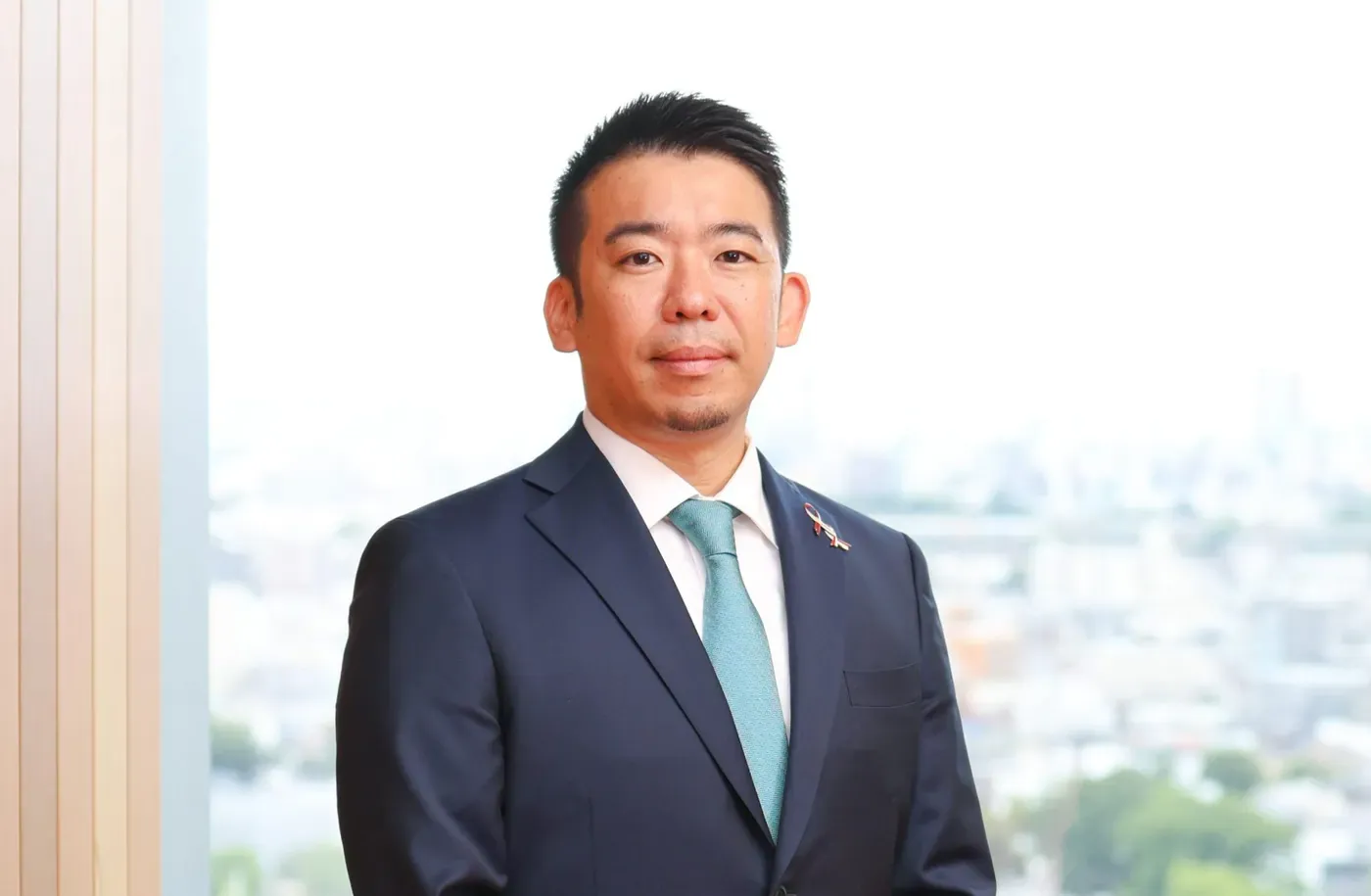
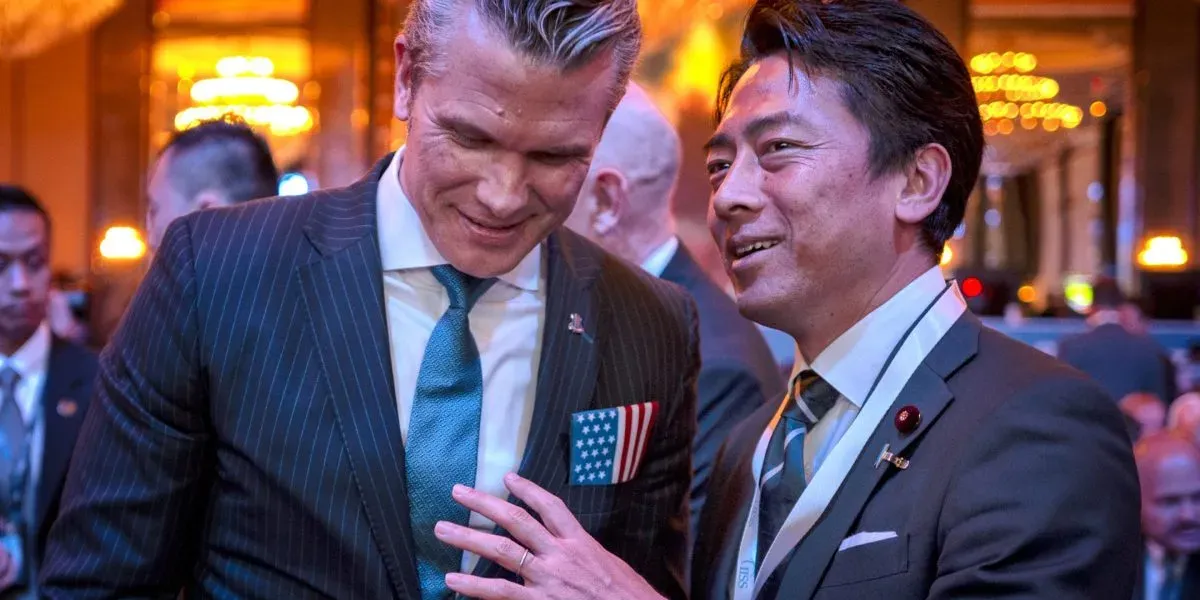
Japanese Defense Minister Shinjiro Koizumi announced the development during a news conference in Cebu, where he met with U.S. Defense Secretary Pete Hegseth on the sidelines of an annual gathering of Southeast Asian defense chiefs and their counterparts from major Asian and Western nations. The meeting aimed to foster cooperation among regional security leaders.
Koizumi expressed concern about China's expanding naval presence in southwestern Japan, citing a recent incident where three Chinese destroyers and a coast guard ship crossed into Japanese waters through the Osumi Strait south of Kyushu. This marked the first time such a large fleet configuration had been spotted by his ministry, Koizumi noted.
The defense minister warned that China's growing military activity poses significant challenges to regional security, emphasizing the need for continued vigilance and cooperation among nations in the area. Japan has accelerated its military buildup in southwestern Japan as part of efforts to deter potential threats from China.
The annual defense meetings between Japan and the US have become a crucial platform for strengthening their alliance and addressing regional security concerns. While the official discussions focus on cooperation, tensions often simmer beneath the surface as the two nations exchange barbs with China and its allies.
As part of their joint effort codenamed "Operation Supercharge", the US and Japan will collaborate to develop a Japanese facility capable of producing critical missiles for F-35 fighter jets. These advanced aircraft are used by both countries, and the new plant will be responsible for assembling and inspecting Advanced Medium-Range Air-to-Air Missiles (AMRAAM). The development is expected to enhance the capabilities of Japan's military.
Japanese officials have expressed growing concern over China's increasing naval activity in the region. In a meeting with US defense representatives, Tokyo emphasized the need for swift and decisive action to deter potential threats. The sense of urgency was palpable as both sides acknowledged the severity of the regional situation and agreed to boost their alliance's defenses.
The commitment to uphold a free and open international order based on the rule of law has been reaffirmed by Japan. This stance is aimed at countering any attempts to alter the status quo through force or coercion, ensuring that all nations respect established norms. The emphasis on upholding the current global order underscores the concerns surrounding China's growing influence.
US defense officials have reiterated their commitment to supporting regional allies in the face of potential aggression. In a meeting with ASEAN defense ministers, Washington reaffirmed its dedication to helping deter threats and maintain stability in the area. While no specific country was mentioned, the implicit reference to China underscored the ongoing tensions between major world powers.
The United States and Japan have agreed to develop a Japanese missile facility as part of their joint efforts to counter China's growing naval presence in the region.
This move is seen as a significant step towards enhancing regional security, particularly in the disputed South China Sea where tensions between major powers have been escalating. The development of the missile facility will enable Japan and the US to project military power more effectively and respond quickly to potential threats.
Australian Defense Minister Richard Marles has emphasized that his country's forces, along with allies like the US, will continue to defend the rule of law in the face of China's increasing assertiveness. This includes efforts to ensure freedom of navigation on the high seas, which is crucial for Australia's trade and economic interests.
Marles' comments come after a recent incident in which a Chinese J-16 fighter aircraft released flares and flew close to an Australian P-8 Poseidon surveillance jet over the disputed waters. The incident highlights the ongoing tensions between China and its neighbors, including Australia, Japan, and the Philippines.
The development of the Japanese missile facility is seen as part of a broader effort by Japan and the US to send a strong message to China about their commitment to defending regional security interests.
The South China Sea is a contentious region where several countries have overlapping claims. The Philippines, Vietnam, Malaysia, Brunei, Taiwan, and Japan are among those involved in these disputes. Their maritime territories overlap in various areas.
As tensions rise, Washington has reaffirmed its commitment to defend the Philippines if it comes under attack. This includes any armed aggression in the South China Sea, a region where confrontations between Chinese and Philippine vessels have escalated recently.
The development of the Japanese missile facility is seen as part of a broader effort by Japan and the US to send a strong message to China about their commitment to defending regional security interests, amidst ongoing disputes over maritime territories in both the South China Sea and East China Sea.
Facts based on reporting originally published by Fortune.
You may republish this story, in full or in part, if you credit News Central Site and link to it (licence CC BY 4.0). Photos are not included.