Noise-cancelling headphones reduce likelihood of nausea and vomiting after surgery
A recent study presented at the Anesthesiology conference in San Diego has shown that wearing noise-cancelling headphones during surgery can significantly reduce the likelihood of nausea and vomiting after the procedure.
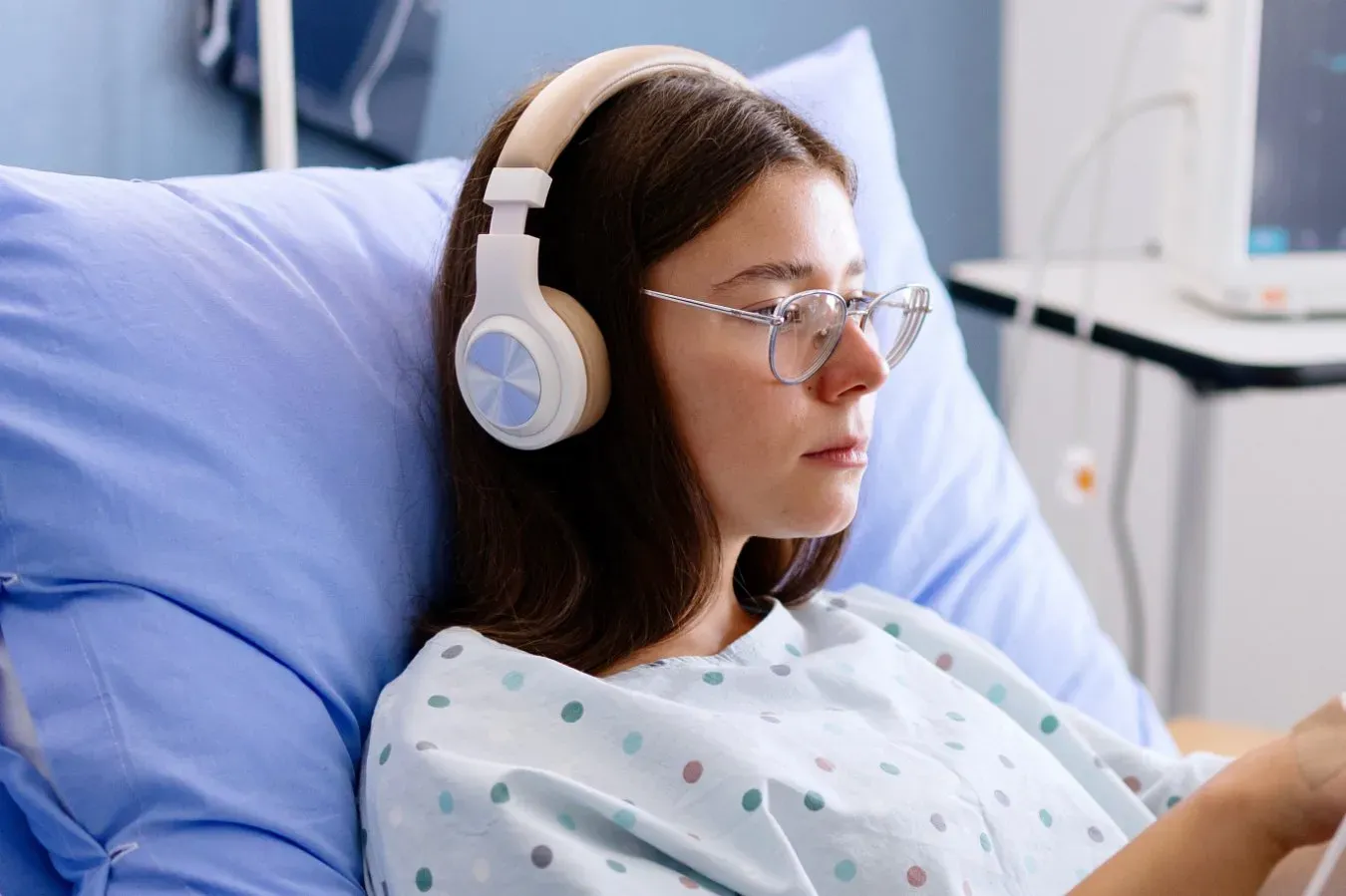
Wearing noise-cancelling headphones during surgery can significantly reduce the likelihood of nausea and vomiting after the procedure. This simple intervention has shown promising results in a recent study presented at the Anesthesiology conference in San Diego.
Researchers from the First Affiliated Hospital of Soochow University in Suzhou, China, recruited 192 patients who underwent keyhole gynaecological surgery under general anaesthesia to test this non-pharmacological approach. The team aimed to explore an alternative solution to the common side effects of anaesthetics, which are typically managed with medication.
The study's findings suggest that noise-cancelling headphones can play a crucial role in mitigating these unpleasant symptoms. According to Vigi Katlowitz at Baylor College of Medicine in Houston, this result is consistent with decades of research on how anaesthesia affects the brain.
That data is really encouraging and aligns with our understanding of how anaesthesia works, says Dr. Katlowitz, highlighting the significance of the study's outcomes. The team's work has sparked interest in exploring non-pharmacological methods to manage side effects associated with anaesthetics.
The ear defenders used in this study were designed to block out noise, not just reduce it. They were worn by half of the patients from the start of anaesthesia until the end of surgery. This was done to see if blocking out sound would make a difference to how they felt afterwards.
As expected, all patients received standard anaesthesia and anti-nausea medication. However, when it came to managing side effects, researchers found that ear defenders made a significant difference. Among those who wore them, 35 per cent experienced nausea or vomiting within 48 hours of surgery.
The results were compared with the group that didn't wear ear defenders. In this group, 52 per cent of patients reported nausea or vomiting. The severity of symptoms was also noted, and it seemed that patients whose hearing had been protected were less affected by their condition. They vomited less and experienced fewer disruptions to their daily life.
Operating theatres are typically loud environments, with noise levels reaching around 66 decibels, roughly the same as a normal conversation. This level of sound is thought to trigger a stress response in patients, which can lead to nausea and vomiting. The exact mechanism behind this relationship remains unclear, but researchers believe that it's related to how anaesthesia affects the nervous system.
The relationship between hearing loss and various health problems is becoming increasingly clear, with studies linking it to conditions such as dementia and heart attacks. This has led researchers to focus on finding ways to safeguard hearing and potentially reverse damage that has already been done.
Researchers investigating the effects of noise-cancelling headphones during surgery have discovered a link between these devices and reduced nausea and vomiting in patients. However, the exact mechanism behind this relationship remains unclear, with some speculating that it may be related to how general anaesthesia affects neural processing of sound.
Further studies are needed to fully understand the connection between noise exposure under anaesthetic and nervous system activity. Liu hopes that future research will provide more insight into this area, potentially leading to improved patient care during surgical procedures.
Facts based on reporting originally published by New Scientist.
You may republish this story, in full or in part, if you credit News Central Site and link to it (licence CC BY 4.0). Photos are not included.