Airbnb's Founding Roots in San Francisco Home
Brian Chesky recalled how his business idea was born out of necessity in his San Francisco home.
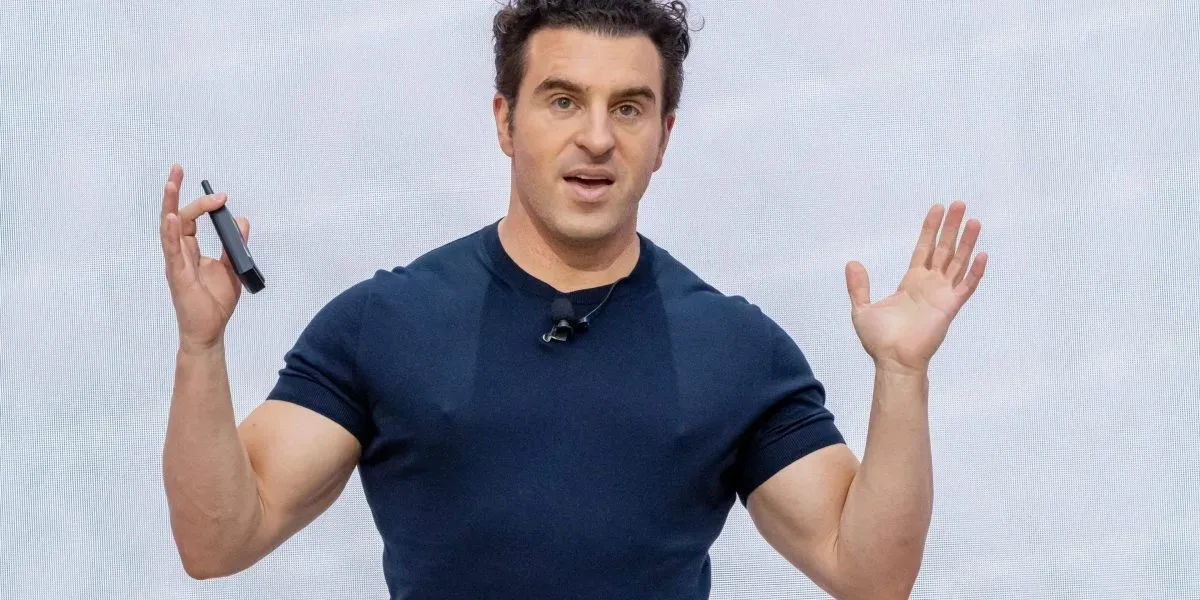
In a remarkable story of entrepreneurial spirit and adaptability, Brian Chesky, CEO of Airbnb, recalled how his business idea was born out of necessity in his San Francisco home. At the time, he had quit his job and was struggling to pay rent after making a cross-country move. The situation took an unexpected turn when Chesky realized that local hotels were fully booked due to a conference.
The turning point came when Chesky opened up his home to guests as a makeshift accommodation, offering three inflatable air beds for a fee. This initial setup laid the foundation for what would eventually become Airbnb's global platform of over 9 million listings worldwide. The business idea was simple yet innovative: providing an alternative to traditional hotels by allowing people to book homes anywhere in the world.
Chesky and his cofounder Joe Gebbia were driven by a desire to make money while meeting new friends through their accommodation venture. Their home soon became a hub for guests, and the duo began to see the potential of expanding this concept beyond just their own space. In 2008, they launched Airbnb with Nathan Blecharczyk, who had previously been Gebbia's roommate.
Growing up in Albany, New York, Chesky was encouraged by his social-worker parents to pursue a high-paying career. However, he took an unconventional path and enrolled at the prestigious Rhode Island School of Design to study art. Little did they know that their son would eventually turn his passion for design into a revolutionary business idea that would disrupt the hospitality industry forever.
Chesky's early career path was far from what his parents had envisioned for him. Despite their encouragement to pursue a high-paying job, he instead opted to attend art school and develop his design skills.
This decision would later prove to be a crucial factor in the creation of Airbnb, but it also led to skepticism among potential investors. Chesky and his co-founder Joe faced an uphill battle as they sought to secure funding for their startup.
Their design background was seen as a liability by many business veterans who did not take them seriously. This perception would prove to be short-sighted, as the duo's unique approach to hospitality would eventually revolutionize the industry.
Chesky has spoken out about the challenges he faced in securing investment, stating that potential investors viewed him and his co-founder solely based on their appearance rather than their business acumen.
Airbnb's unconventional approach to marketing caught the attention of Paul Graham, founder of startup accelerator Y Combinator, after designing presidential-candidate-themed cereal boxes. This unusual tactic marked a turning point for the company in securing investment.
Chesky has emphasized that creative companies are more likely to innovate and produce groundbreaking ideas, rather than being constrained by short-term measurable outcomes. He believes this approach is essential for driving progress and growth.
As Airbnb experienced rapid expansion, it faced new challenges related to scaling its operations. The company was forced to refocus its efforts at various points, adapting to the changing needs of the business. This has been a recurring theme throughout Airbnb's history.
The short-term rental market continues to face regulatory hurdles, with cities in Europe and New York implementing restrictions on rentals for less than 30 days or prohibiting tourist apartment licenses altogether. In the US, housing advocates have raised concerns that short-term rentals are essentially becoming hotels, displacing long-term residents.
Airbnb has continued to resist regulatory efforts aimed at limiting short-term rentals, arguing that such restrictions would reduce affordable accommodation options for travelers.
The company's stance is reflected in its recent policy update, which shifts responsibility from guests to hosts with regards to certain tasks typically performed by cleaners. This change, set to take effect on November 20 for bookings made on or after that date, has sparked a mixed reaction among hosts and customers alike.
Facts based on reporting originally published by Fortune.
You may republish this story, in full or in part, if you credit News Central Site and link to it (licence CC BY 4.0). Photos are not included.